“Pizza Oven Insulation Monitoring”
The mesmerizing dance of flames, the intense heat radiating outwards, and the promise of perfectly blistered crusts, a pizza oven is more than just a cooking appliance; it’s a gateway to authentic culinary experiences. Whether wood-fired, gas, or electric, these ovens achieve temperatures that transform simple dough and toppings into artisanal masterpieces. However, the magic behind consistent, high-temperature cooking hinges on a critical, often overlooked component: insulation. Proper insulation is the silent guardian of heat, ensuring efficiency, optimal cooking performance, and safety.
Monitoring this insulation isn’t merely about maintenance; it’s about performance optimization and longevity. Degraded insulation can lead to uneven cooking, excessive fuel consumption, longer preheat times, and even structural damage. Understanding how to monitor and maintain your pizza oven’s insulation is therefore paramount for any serious pizzaiolo, from the backyard enthusiast to the professional restaurateur. This comprehensive guide will explore why pizza oven insulation is so vital, common issues, effective monitoring techniques, and best practices for ensuring your oven performs at its peak for years to come.
Key Takeaways
- Insulation is Crucial: It traps heat, enabling high cooking temperatures, ensuring even heat distribution, and improving fuel efficiency.
- Materials Matter: Ceramic fiber blankets, refractory bricks, and vermiculite/perlite are common insulation materials, each with unique properties.
- Degradation is Inevitable: Exposure to extreme heat, moisture, and physical stress can degrade insulation over time, impacting performance.
- Monitoring is Proactive: Regular visual inspections, temperature checks, and listening for unusual sounds are key to early detection of insulation issues.
- Tools Aid Detection: Infrared thermometers, thermal cameras, and simple observation help pinpoint areas of heat loss.
- Maintenance Prevents Problems: Sealing cracks, replacing damaged sections, and protecting the oven from the elements are essential maintenance tasks.
- Professional Help: For complex issues or significant degradation, consulting a professional oven builder or technician is recommended.
The Science Of Heat Retention: Why Pizza Oven Insulation Is Non-negotiable
At its core, a pizza oven operates on the principle of thermal energy management. Unlike conventional ovens that rely on convection and radiation within a relatively insulated box, pizza ovens are designed to reach and sustain extremely high temperatures, often exceeding 400°C (750°F), necessary for that characteristic Neapolitan char and rapid cooking. This extreme heat is generated by burning fuel (wood or gas) and must be contained effectively. This is where insulation plays its starring role.
The Role Of Insulation In High-temperature Ovens
Insulation materials work by trapping pockets of air or gas, which are poor conductors of heat. By creating a barrier between the hot interior of the oven and the cooler exterior, insulation minimizes heat loss through conduction, convection, and radiation. In a pizza oven, this translates to several critical benefits:
- Achieving and Maintaining High Temperatures: Without effective insulation, the heat generated by the fire would dissipate rapidly into the surrounding environment. This would make it incredibly difficult, if not impossible, to reach the desired cooking temperatures and keep them consistent. The oven would constantly be fighting a losing battle against heat loss.
- Even Heat Distribution: Good insulation helps to distribute heat more evenly throughout the oven dome and cooking floor. This prevents hot spots and cold spots, ensuring that pizzas cook uniformly. A well-insulated oven radiates heat consistently onto the pizza from all sides, contributing to a perfect bake.
- Fuel Efficiency: The less heat that escapes, the less fuel is required to maintain the desired temperature. For wood-fired ovens, this means less wood consumption. For gas ovens, it translates to lower gas bills. Efficient insulation directly impacts operational costs and environmental footprint.
- Faster Preheat Times: When an oven is well-insulated, it heats up more quickly because the energy from the fire is concentrated inwards, rather than escaping outwards. This reduces the waiting time before the oven is ready to cook.
- Safety: Insulation acts as a thermal buffer, keeping the exterior surfaces of the oven cooler and reducing the risk of burns. It also protects the structural integrity of the oven by preventing excessive thermal stress on materials.
Common Insulation Materials And Their Properties
Different pizza ovens utilize various insulation materials, each chosen for its specific thermal properties, durability, and cost. Understanding these materials is key to identifying potential issues.
- Ceramic Fiber Blankets: These are highly efficient, lightweight insulation materials made from spun ceramic fibers. They offer excellent thermal resistance, are resistant to thermal shock, and can withstand very high temperatures (often exceeding 1260°C or 2300°F). They are commonly used as an outer layer of insulation beneath the oven’s protective shell.
- Refractory Bricks: Dense, high-temperature bricks made from materials like fireclay or alumina-silica. While they offer excellent thermal mass (ability to store and release heat), their insulating properties are generally lower than ceramic fiber blankets. They are often used for the oven’s hearth (cooking floor) and inner dome structure.
- Vermiculite and Perlite: These are lightweight, granular insulating materials derived from expanded minerals. They are often mixed with cement to create an insulating concrete or used as loose fill. They offer good insulation at a lower cost but can be susceptible to moisture and physical damage.
- Calcium Silicate Boards: These rigid boards provide good insulation and structural support, often used in commercial oven designs.
The effectiveness of insulation is often measured by its R-value (resistance to heat flow) and K-value (thermal conductivity). Higher R-values and lower K-values indicate better insulating performance. However, in pizza ovens, the ability to withstand extreme temperatures and thermal cycling is equally, if not more, important than R-value alone.
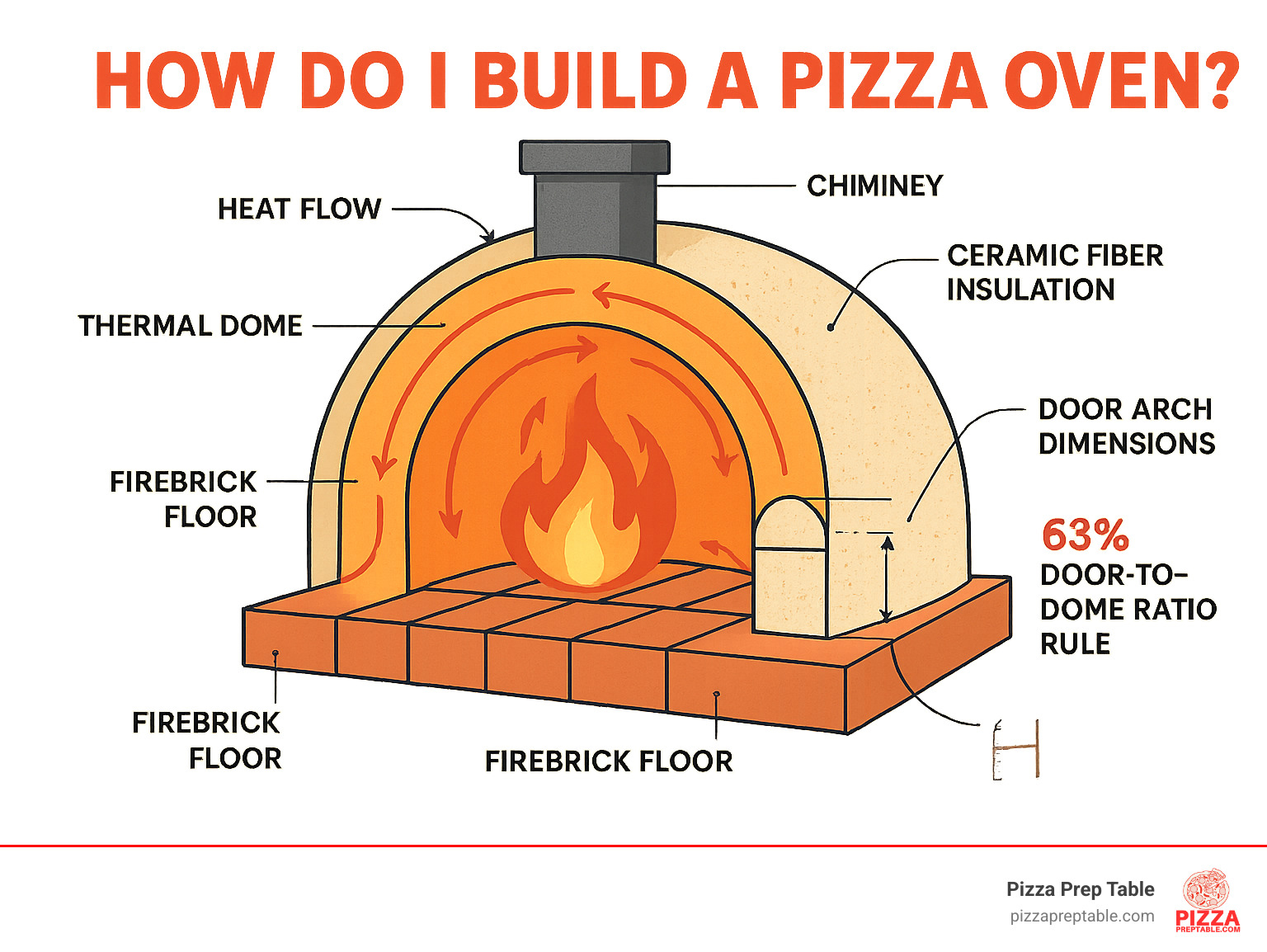
Credit: pizzapreptable.com
Signs Of Insulation Degradation: What To Look For
Insulation materials, despite their robust nature, are not immune to the rigors of high-temperature operation. Over time, exposure to repeated heating and cooling cycles, moisture, and physical impacts can lead to degradation. Recognizing the early signs of this breakdown is crucial for timely intervention.
Visual Clues Of Heat Loss
The most straightforward way to assess insulation is through careful visual inspection. Look for:
- Cracks and Gaps: Small cracks in the outer shell or visible gaps between insulation layers are prime areas for heat to escape. These can occur due to thermal expansion and contraction or structural settling.
- Discoloration: Areas of the oven exterior that appear unusually discolored, especially dark or scorched patches, can indicate that heat is penetrating the insulation and affecting the outer layers. This is a strong visual cue of compromised insulation.
- Spalling or Deterioration of Outer Shell: If the oven’s outer render or shell begins to crack, crumble, or detach, it often signifies that excessive heat is reaching these layers, weakening the material. This is a more advanced sign of insulation failure.
- Moisture Stains or Efflorescence: While sometimes related to water ingress, persistent damp patches or white, powdery deposits (efflorescence) on the exterior can also be linked to moisture trapped within degraded insulation, which then wicks to the surface.
Performance Indicators Of Insulation Issues
Beyond visual cues, your oven’s performance itself will tell a story:
- Longer Preheat Times: If your oven is taking significantly longer than usual to reach cooking temperature, it’s a strong indicator that heat is escaping more rapidly than before.
- Increased Fuel Consumption: You might notice you’re using more wood or gas to maintain the desired temperature. This is a direct consequence of the oven working harder to compensate for heat loss.
- Uneven Cooking: Pizzas cooking faster on one side than the other, or a noticeable difference in temperature between the front and back of the oven floor, can point to uneven heat distribution caused by compromised insulation in specific areas.
- Surface Temperature Extremes: If the exterior of the oven feels excessively hot to the touch in certain areas, even after accounting for normal operating temperatures, it suggests heat is penetrating the insulation.
- Unusual Sounds: While less common, sometimes you might hear faint hissing or crackling sounds from the oven walls during heating or cooling. This could indicate trapped moisture or air escaping through cracks in the insulation.
The Impact Of Moisture
Moisture is a significant enemy of pizza oven insulation, particularly for materials like ceramic fiber and vermiculite/perlite.
- Reduced Insulating Properties: When insulation materials absorb moisture, their ability to trap air and resist heat flow is severely diminished. Water conducts heat much more effectively than air.
- Material Degradation: Repeated wetting and drying cycles, combined with high temperatures, can cause materials to break down, lose their structure, and become crumbly.
- Steam Explosions: In extreme cases, if moisture is trapped deep within the insulation and the oven is heated rapidly, the trapped water can turn to steam, creating immense pressure that can cause spalling or even small explosions within the oven structure. This is a serious safety concern.
Monitoring Techniques: Proactive Insulation Checks
Regular monitoring is key to catching insulation problems before they become critical. This doesn’t always require specialized equipment; often, a systematic approach using simple tools and keen observation is sufficient.
The Importance Of A Routine Inspection Schedule
Just like checking tire pressure on your car, regular insulation checks should become part of your oven’s maintenance routine.
- Post-Cooking Cool-Down Check: After the oven has cooled down sufficiently, perform a thorough visual inspection. This is the best time to see the full extent of any surface cracks or discolouration without the glare of heat.
- Pre-Seasoning Inspection (New Ovens): Before firing up a new oven for the first time, or after a period of disuse, a detailed inspection is vital to ensure the insulation was installed correctly and hasn’t been damaged during storage or transport.
- Seasonal Checks: For ovens exposed to the elements, a comprehensive inspection at the beginning and end of the primary usage season can help identify any damage caused by weather.
Using Temperature Measurement Tools
While visual checks are important, objective temperature measurements can provide more definitive insights into heat loss.
- Infrared (IR) Thermometers: These handheld devices allow you to quickly scan the surface temperature of the oven exterior.
- How to Use: Aim the IR thermometer at various points on the oven dome and sides. Compare the readings. Areas that are significantly cooler than surrounding sections, or unexpectedly hot, warrant further investigation.
- Interpretation: A uniform temperature across the insulated surfaces (once the oven has reached a stable state) is ideal. Pockets of significantly lower temperature suggest heat is escaping, while unusually high temperatures indicate insulation failure.
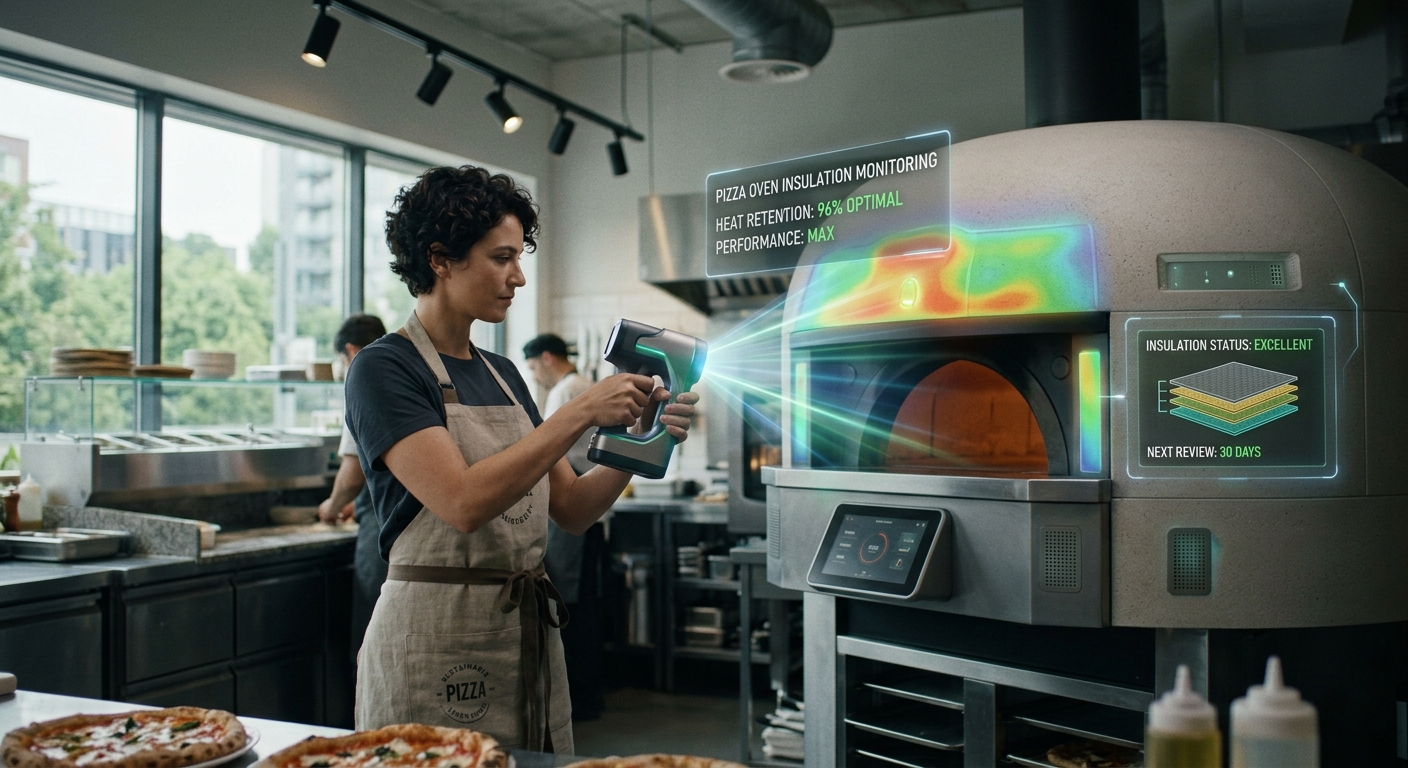
- Thermal Imaging Cameras: For a more comprehensive and visually intuitive assessment, a thermal imaging camera is invaluable.
- How to Use: These cameras create a visual map of temperature differences, displaying cooler areas in blue/green and hotter areas in yellow/red.
- Interpretation: Thermal imaging clearly highlights areas of heat loss (cool spots) or insulation breakdown (hot spots) on the oven’s exterior surface. This allows for precise identification of problem areas that might be missed by visual inspection or an IR thermometer. While more expensive, they offer unparalleled diagnostic capability.
- Example: A thermal image might reveal a distinct “cool patch” on the dome, pinpointing exactly where the ceramic fiber blanket has compressed or a gap has formed.
Listening For Clues
Don’t underestimate the power of your hearing. During heating and cooling cycles, pay attention to any unusual sounds emanating from the oven structure.
- Hissing: This could indicate moisture escaping from within the insulation.
- Cracking/Popping: While some minor creaking is normal due to thermal expansion, persistent or loud cracking sounds might suggest structural stress or the crumbling of degraded insulation material.
The Role Of Experience
In my experience, combining these methods provides the most robust understanding of your oven’s insulation health. A visual anomaly, confirmed by a temperature reading from an IR thermometer and then clearly visualized with a thermal camera, leaves no doubt about the location and severity of the issue.
Addressing Insulation Issues: Repair And Prevention Strategies
Once you’ve identified a problem with your pizza oven’s insulation, it’s time to take action. The approach will depend on the severity and type of degradation. Prevention is always better than cure, so incorporating preventative measures into your routine is highly recommended.
Minor Repairs: Sealing And Patching
For small cracks and superficial damage, DIY repairs are often feasible.
- Sealing Small Cracks: Use a high-temperature sealant or a refractory mortar specifically designed for oven applications. Clean the crack thoroughly, apply the sealant according to the manufacturer’s instructions, and allow it to cure fully before next firing.
- Patching Render/Exterior: If the outer render has minor chips or cracks, clean the area, dampen it slightly (if using cement-based render), and apply a suitable refractory patch material. Smooth it to match the surrounding surface.
Addressing Significant Degradation
When insulation is significantly compressed, missing, or water-damaged, more substantial repairs are necessary.
- Replacing Damaged Ceramic Fiber: If sections of the ceramic fiber blanket are compressed, burned through, or missing, they will need to be replaced. This typically involves carefully removing the damaged material, cutting new pieces of equivalent thickness and density ceramic fiber, and fitting them snugly into place. Often, a new layer of protective mesh or render is applied over the repaired section.
- Dealing with Wet Insulation: If insulation has become saturated, it must be thoroughly dried out before attempting any repairs or firing the oven. This can involve using dehumidifiers, gentle heating over an extended period, or even partial disassembly in severe cases. Ensure the oven is completely dry before firing to avoid steam damage.
- Re-rendering the Oven: In cases of widespread exterior damage, a complete re-rendering of the oven may be necessary. This involves applying multiple coats of a suitable insulating render or a protective stucco layer, ensuring good adhesion and coverage over the insulation.
Preventative Maintenance For Longevity
The best way to manage insulation issues is to prevent them from occurring in the first place.
- Protect from the Elements:
- Covers: Use a breathable, waterproof cover when the oven is not in use, especially during periods of heavy rain or snow. Ensure airflow to prevent moisture buildup underneath.
- Shelter: If possible, house the oven under a permanent structure like a gazebo or lean-to.
- Proper Firing Techniques:
- Gradual Heating: Always heat the oven gradually, especially when firing it up after a period of disuse or during damp weather. This allows moisture to escape slowly and prevents thermal shock.
- Avoid Over-Firing: While high temperatures are desirable, consistently pushing the oven to its absolute limit can accelerate material wear.
- Water Management: Ensure the oven is sited on a well-draining base. Prevent water from pooling around the oven’s foundation. Check and clear any drainage holes if your oven design includes them.
- Regular Inspections: Incorporate the monitoring techniques discussed earlier into a regular maintenance schedule. Early detection is key.
When To Call A Professional
While minor repairs can often be handled by the owner, certain situations warrant professional expertise.
- Extensive Structural Damage: If the oven’s core structure appears compromised, or if large sections of the dome have collapsed or are severely cracked.
- Persistent Moisture Issues: If you struggle to keep the oven dry despite preventative measures.
- Complex Insulation Systems: High-end commercial ovens may have complex multi-layer insulation systems that require specialized knowledge to repair.
- Safety Concerns: If you are unsure about the extent of the damage or the safety implications of attempting a repair.
A professional oven builder or restoration specialist can accurately diagnose the problem, source the correct materials, and perform repairs that ensure the oven’s structural integrity and optimal performance.
Case Studies: Real-world Insulation Scenarios
Examining specific scenarios can illuminate the practical challenges and solutions related to pizza oven insulation.
Case Study 1: The Backyard Wood-fired Oven – Moisture Ingress
Scenario: A homeowner with a popular brick-and-mortar wood-fired pizza oven noticed their preheat times were doubling, and the exterior of the dome felt unusually cool, even when the interior was hot. Visual inspection revealed damp patches and some minor cracking in the outer render, particularly on the side facing prevailing winds.
Diagnosis: The oven had been left uncovered during a particularly wet autumn. Water had seeped into the render and likely saturated the underlying ceramic fiber insulation and vermiculite/cement mix. This moisture significantly reduced the insulation’s effectiveness.
Solution:
- Drying: The owner used a combination of leaving the oven door open, placing a fan to circulate air, and performing several low-temperature (<150°C) fires over a week to slowly drive out the moisture.
- Repair: Once dry, small cracks in the render were filled with a high-temperature sealant.
- Prevention: A custom-fitted, breathable waterproof cover was purchased, and the owner committed to using it diligently during wet weather. They also ensured the ground around the oven base was sloped away for better drainage.
Outcome: Preheat times returned to normal, and the exterior temperature became more uniform. The preventative measure of using a cover significantly reduced the risk of future moisture-related issues.
Case Study 2: The Commercial Pizza Restaurant – Thermal Camera Diagnostics
Scenario: A busy restaurant experienced inconsistent pizza cooking, some coming out perfectly charred, others pale and undercooked, despite consistent firing. They suspected insulation issues but couldn’t pinpoint the problem area in their high-volume gas-fired oven.
Diagnosis: They hired a specialist who used a thermal imaging camera during an operating cycle. The camera revealed significant “cold spots” on the upper part of the oven dome, indicating a breakdown or compression of the ceramic fiber insulation layer in those specific areas. These cold spots were causing cooler air to circulate above the pizzas, leading to uneven baking.
Solution:
- Targeted Replacement: The technician carefully removed the outer protective mesh and degraded ceramic fiber insulation from the identified cold spots.
- New Insulation: New, high-density ceramic fiber blanket sections of the same thickness were cut and meticulously fitted into the gaps, ensuring a tight seal with the surrounding insulation.
- Reassembly: The protective mesh was replaced, and a high-temperature refractory cement was used to smooth and secure the repaired area.
Outcome: The thermal camera confirmed uniform temperatures across the dome after the repair. The restaurant reported consistent, high-quality pizza production, eliminating customer complaints related to uneven cooking and reducing gas consumption slightly due to improved efficiency.
Frequently Asked Questions
What Is The Lifespan Of Pizza Oven Insulation?
The lifespan of pizza oven insulation varies significantly depending on the materials used, the frequency and intensity of use, and how well the oven is maintained and protected. High-quality ceramic fiber insulation in a well-maintained oven used moderately can last 5-10 years or even longer.
Ovens subjected to extreme conditions, poor maintenance, or built with lower-grade materials might see degradation in 2-4 years. Regular monitoring and prompt repairs are key to maximizing lifespan.
Can I Use Regular Home Insulation In A Pizza Oven?
Absolutely not. Standard home insulation materials (like fiberglass batts or spray foam) are not designed to withstand the extreme temperatures of a pizza oven (often exceeding 400°C / 750°F). They would quickly degrade, burn, release toxic fumes, and potentially cause a fire hazard. Only refractory or high-temperature insulation materials specifically designed for kilns, furnaces, and pizza ovens should be used.
How Do I Know If My Insulation Is Failing Due To Age Or Damage?
Distinguishing between age-related wear and damage-induced failure often comes down to the context. If the oven is several years old and showing widespread, gradual signs of heat loss or minor cracking, it’s likely age-related wear. If the degradation is sudden, localized, or coincides with a specific event (like extreme weather, physical impact, or a particularly aggressive firing), it points towards damage.
In either case, the monitoring techniques described in this article will help identify the extent of the issue, regardless of the cause.
Is It Safe To Operate A Pizza Oven With Compromised Insulation?
Operating a pizza oven with compromised insulation can pose several risks.
- Safety Hazard: Severely degraded insulation can lead to dangerously high exterior surface temperatures, increasing the risk of burns. In extreme cases, it could compromise the structural integrity of the oven.
- Inefficiency: The oven will consume more fuel and take longer to heat up, impacting performance.
- Further Damage: Continued operation with damaged insulation can exacerbate the problem, potentially leading to more extensive and costly repairs.
It is generally recommended to address significant insulation issues before resuming regular use, especially if safety is a concern.
What Is The Difference Between Thermal Mass And Insulation In A Pizza Oven?
Thermal mass and insulation serve distinct but complementary roles in a pizza oven. Thermal mass (provided by materials like refractory bricks) refers to a material’s ability to absorb, store, and slowly release heat. This is crucial for maintaining a stable cooking temperature once the oven is hot and for providing consistent heat from the oven floor.
Insulation (provided by materials like ceramic fiber blankets or vermiculite) refers to a material’s ability to resist heat flow, keeping the heat contained within the oven. High thermal mass materials often have relatively poor insulating properties, which is why they are typically combined with dedicated insulation layers in effective pizza oven designs. You need both, the mass to hold the heat and the insulation to keep it there.
The integrity of your pizza oven’s insulation is fundamental to its performance, efficiency, and longevity. By understanding the science behind heat retention, recognizing the tell-tale signs of degradation, and implementing consistent monitoring and maintenance practices, you can ensure your

As the author of the “Ultimate Pizza Guide: Recipes, Tips & Secrets Revealed,” I’m dedicated to sharing my love for pizza and empowering others to create delicious homemade pizzas with ease. Join me on a journey to uncover the secrets to perfecting your pizza game!