Are you curious whether the type of oven you use changes the calories in your pizza? You might think that baking your pizza in a wood-fired oven or a conventional electric oven could make a difference in how many calories you consume.
After all, cooking methods can affect food’s texture and moisture, so could they also impact calorie content? Understanding this can help you make smarter choices when enjoying your favorite slice without guilt. Keep reading to discover how oven types truly influence your pizza’s calorie count and what that means for your next meal.

Credit: www.totinos.com
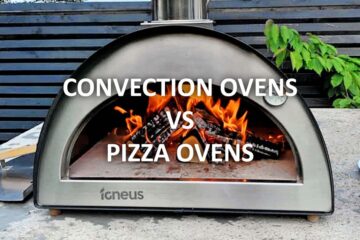
Oven Types For Pizza
Different ovens cook pizza in unique ways. Each oven type affects the pizza’s texture and moisture. These factors can influence the calorie count slightly. Understanding common oven types helps to see how they impact your pizza.
Conventional Ovens
Conventional ovens use heating elements at the top and bottom. They cook pizza slowly and evenly. This method can cause some water loss from the dough. Water loss concentrates calories but does not add new ones. The crust may be softer compared to other ovens.
Wood-fired Ovens
Wood-fired ovens reach very high temperatures quickly. They create a crispy crust with a smoky flavor. The intense heat reduces cooking time drastically. Faster cooking means less moisture loss and fewer calorie changes. The charred spots add taste but no extra calories.
Pizza Stones And Steel
Pizza stones and steel heat up in any oven to mimic brick ovens. They absorb and radiate heat evenly. This results in a crispier crust and more even cooking. The crust may lose some moisture but stays tender inside. This method affects calorie density minimally.
Convection Ovens
Convection ovens use a fan to circulate hot air around food. This speeds cooking and creates a crunchy crust. Faster cooking helps retain moisture inside the pizza. Less water loss means calorie content stays close to raw values. Convection ovens provide a balanced bake overall.

Credit: www.tasteofhome.com
Calorie Basics In Pizza
Understanding the calorie basics in pizza helps you make smarter food choices. Calories in pizza come from different ingredients and cooking methods. Knowing where these calories come from can guide you to enjoy pizza without overeating.
Calories measure the energy food provides. Pizza calories depend on what’s in it and how it’s made. The oven type may affect moisture and texture but not the main calorie content. Let’s explore the key calorie sources in pizza and how toppings and crust impact calories.
Main Sources Of Pizza Calories
Pizza calories mainly come from three parts: the dough, cheese, and sauce. Dough is rich in carbohydrates, which provide energy. Cheese adds fat and protein, increasing calories. Sauces may add small calories, mostly from sugars and fats. Meat toppings also add calories through fat and protein. Vegetables add fewer calories but provide nutrients.
Impact Of Toppings And Crust
Toppings significantly change the calorie count of pizza. High-fat meats like pepperoni add more calories than vegetables. Extra cheese increases fat and calories too. Crust type matters; thick crust has more dough and calories than thin crust. Stuffed crust adds even more calories due to extra cheese inside. Choosing lighter toppings and thinner crust lowers the calorie load.
Cooking Effects On Calories
Cooking pizza in different ovens can change its calorie content. This happens because cooking alters the pizza’s moisture, fat, and structure. These changes impact the calories you get from each slice. Understanding the cooking effects helps explain why oven type matters for pizza calories.
Water Loss And Calorie Concentration
Ovens remove water from pizza as it cooks. The hotter the oven, the more water evaporates. Less water means the pizza becomes denser. Calories concentrate in the smaller, drier pizza. This makes the calorie count per gram higher after baking.
Different ovens cause different water loss levels. For example, wood-fired ovens cook faster and hotter. They remove more water quickly. Home ovens often cook slower and keep more moisture. This results in lower calorie concentration.
Fat Absorption Changes
Oven type affects how much fat pizza absorbs or loses. High heat can melt fats, making some drip away. This reduces the pizza’s fat content slightly. Lower heat ovens may keep fats more intact, increasing calories.
Also, pizza toppings react differently to heat. Cheese melts and releases oils. Some ovens let oils drain off better. Others keep oils locked in. This changes the final fat amount and calories.
Effect Of Cooking Temperature
Cooking temperature impacts pizza texture and calorie makeup. Higher temperatures crisp the crust and reduce moisture. This can concentrate calories per bite. Lower temperatures bake pizza gently, keeping more water and fat inside.
Fast, hot ovens like brick or wood-fired ovens create a unique calorie profile. Slower ovens produce softer, moister pizza with fewer concentrated calories. Temperature changes the pizza’s calorie density and overall taste experience.
Oven Type And Calorie Variation
The type of oven used to bake pizza can influence its calorie content. Different ovens produce varied heat levels and cooking styles. These differences affect how the pizza cooks and its final calorie count. Understanding these factors helps in managing calorie intake from pizza.
Oven type impacts moisture loss, fat rendering, and crust texture. These changes can alter the calories slightly but noticeably.
Does Oven Heat Affect Calories?
Ovens with higher heat cook pizza faster. Fast cooking reduces moisture loss, keeping the pizza denser. Denser pizza means more calories per bite. Lower heat ovens take longer, causing more water evaporation. This evaporation lowers the pizza’s weight but not its calories. So, calories per slice can seem higher in low-heat oven pizzas due to water loss.
Crispiness And Fat Reduction
Oven type changes the crust’s crispiness. Wood-fired or stone ovens create a crispier crust. Crisp crust can reduce fat absorption during cooking. Less fat means fewer calories in the final pizza. Electric ovens may keep more fat inside the pizza. This difference impacts the calorie count slightly but is worth noting.
Overcooking And Calorie Impact
Overcooking pizza causes moisture and fat loss. This loss concentrates calories in the remaining pizza. Burnt areas do not add calories but affect taste and texture. Excessive cooking may increase calorie density per gram. Proper cooking time is key to maintaining the intended calorie level.
Practical Tips For Calorie Control
Controlling pizza calories is easier with simple, practical tips. These help you enjoy pizza without overeating. Adjusting oven use, toppings, and portions can cut calories effectively. Follow these ideas to keep your pizza meals lighter and healthier.
Choosing Oven Settings
Use higher heat settings to bake pizza faster. This creates a crisp crust and reduces oil absorption. Avoid long baking times that dry out the pizza. Preheating the oven ensures even cooking and less calorie loss. Each oven type heats differently, so adjust time and temperature accordingly.
Healthier Topping Options
Pick fresh vegetables over processed meats. Veggies add vitamins and fiber with fewer calories. Use lean proteins like grilled chicken or turkey. Skip extra cheese or choose low-fat versions. Light tomato sauce adds flavor without many calories. These choices reduce overall calorie count.
Portion Size And Serving
Eat smaller slices to control calorie intake. Share a pizza or save leftovers for later. Pair pizza with a side salad to feel fuller. Avoid extra dips and sauces high in fat. Measuring portions helps avoid eating too much at once. This keeps calories in check without giving up taste.
Credit: www.redbaron.com
Common Myths About Pizza Calories
Many people have ideas about pizza calories that are not quite true. These myths can confuse those who want to enjoy pizza without worrying about their diet. Understanding the facts helps you make better choices and enjoy your meal more.
Let’s clear up some common myths about pizza calories and how oven type or cooking method affects them.
Cold Vs. Hot Pizza Calories
Some believe cold pizza has fewer calories than hot pizza. The truth is, the calorie count stays the same whether pizza is cold or hot. Heating does not add or remove calories. The only change is texture and taste.
Does Baking Add Calories?
Baking pizza does not add calories. The heat only cooks the ingredients and removes water. This loss of water can make the pizza seem smaller but does not change its calorie content. Calories come from the ingredients, not the baking process.
Calories In Burnt Pizza
Burning pizza does not increase its calories. If anything, burning may reduce calories slightly by destroying some nutrients. But burnt parts can be unhealthy and taste bitter. It is best to avoid overcooking pizza to keep it tasty and safe to eat.
Frequently Asked Questions
Does Oven Baking Add Calories?
Oven baking does not add calories to food. It mainly causes water loss, concentrating existing calories. Calories depend on ingredients, not baking.
How Many Calories Are In An Oven Baked Pizza?
An oven baked pizza contains about 255 to 339 calories per 100 grams. Calories vary by toppings and crust thickness.
Where Do Most Of The Calories In Pizza Come From?
Most pizza calories come from carbohydrates in the crust and fats in cheese and toppings. Protein adds some calories too.
Is Costco Pizza Really 700 Calories A Slice?
A slice of Costco pizza contains about 700 calories. Calorie count varies by size and toppings. Choose wisely to manage intake.
Conclusion
Oven type can slightly affect pizza calories, mainly through moisture loss. Higher heat ovens may create a crispier crust, reducing fat absorption. Still, calories mostly come from ingredients and portion size. Choosing toppings wisely impacts calorie count more than oven choice.
Enjoy pizza in moderation and focus on what you add. Cooking method plays a small role but does not change calories much. Keep your pizza balanced for a healthier meal.

As the author of the “Ultimate Pizza Guide: Recipes, Tips & Secrets Revealed,” I’m dedicated to sharing my love for pizza and empowering others to create delicious homemade pizzas with ease. Join me on a journey to uncover the secrets to perfecting your pizza game!