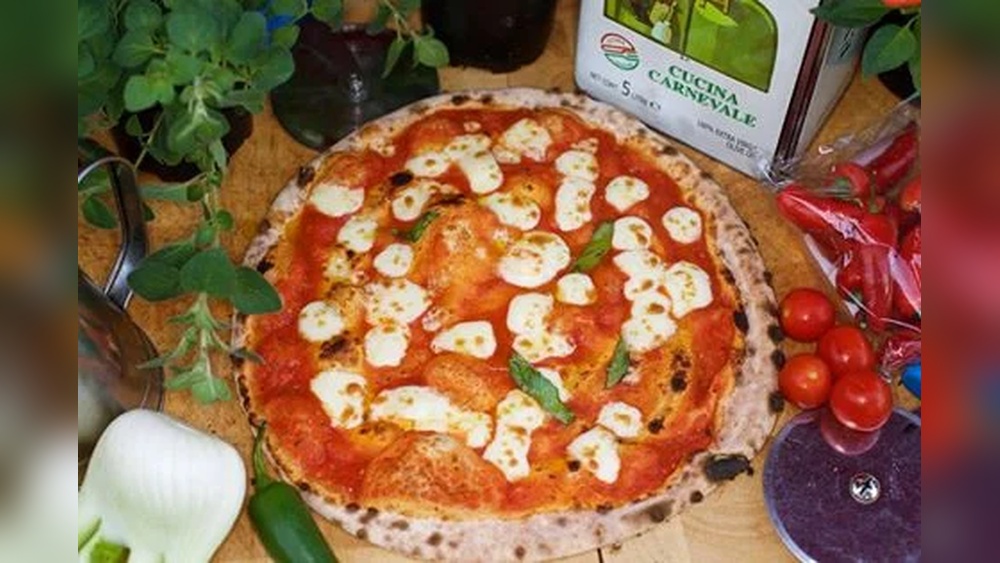
When you crave pizza, you want something delicious but also a bit better for your body. You might have heard about stone-baked pizza and wondered, is it actually healthier than regular pizza?
The way your pizza is cooked can change its texture, flavor, and even how it affects your health. But does baking on a stone make a real difference? You’ll discover what sets stone-baked pizza apart, how it stacks up nutritionally, and whether choosing it can help you enjoy your favorite meal without guilt.
Keep reading to find out if stone-baked pizza deserves a spot in your healthier eating plan.
Stone-baked Pizza Basics
Stone-baked pizza has become popular for its unique texture and flavor. It offers a different baking method compared to regular ovens. Understanding the basics helps to see if it is healthier. This section explains what stone-baked pizza is and how stone baking works.
What Is Stone-baked Pizza?
Stone-baked pizza is cooked on a natural stone surface inside the oven. This stone absorbs and retains heat evenly. It creates a crispy crust with a soft inside. The stone mimics traditional brick ovens used in Italy. Many believe this method improves the pizza’s taste and texture.
How Stone Baking Works
The pizza stone heats up slowly but stays very hot. It transfers heat directly to the pizza dough from below. This process removes moisture quickly, making the crust crispier. The stone also absorbs excess water from the dough. It helps avoid soggy or undercooked spots on the pizza base.
Health Factors In Pizza
Health factors in pizza depend on many things. The type of crust, toppings, and calories all affect how healthy a pizza is. Understanding these parts helps you choose better options. Stone-baked pizza is often seen as healthier, but the details matter. Let’s explore key health elements in pizza.
Calories And Nutrient Content
Calories in pizza vary widely by ingredients. Stone-baked crust may use less oil, lowering calories. Nutrient content depends on cheese, sauce, and toppings. Fresh vegetables add vitamins and fiber. High cheese or processed meats increase fat and sodium. Watching calories helps maintain a healthy diet.
Impact Of Crust Types
Crust affects digestion and calorie count. Thin crust has fewer calories than thick or stuffed crusts. Stone-baked crust tends to be crispier and may use less fat. Whole wheat or multigrain crusts add fiber and nutrients. Avoid deep dish or heavy crusts for a lighter pizza.
Role Of Toppings
Toppings change pizza’s health profile. Vegetables add nutrients and fiber. Lean proteins like chicken boost protein without much fat. Processed meats raise saturated fat and sodium levels. Cheese adds calcium but also fat. Choose toppings wisely for a balanced meal.
Comparing Stone-baked To Other Pizzas
Stone-baked pizza offers a unique cooking method that affects taste and texture. Comparing it with other pizza types helps understand its health and quality benefits. This section examines how stone-baked pizza stacks up against deep-dish, oven-baked, and steel-baked pizzas.
Stone-baked Vs Deep-dish And Stuffed Crust
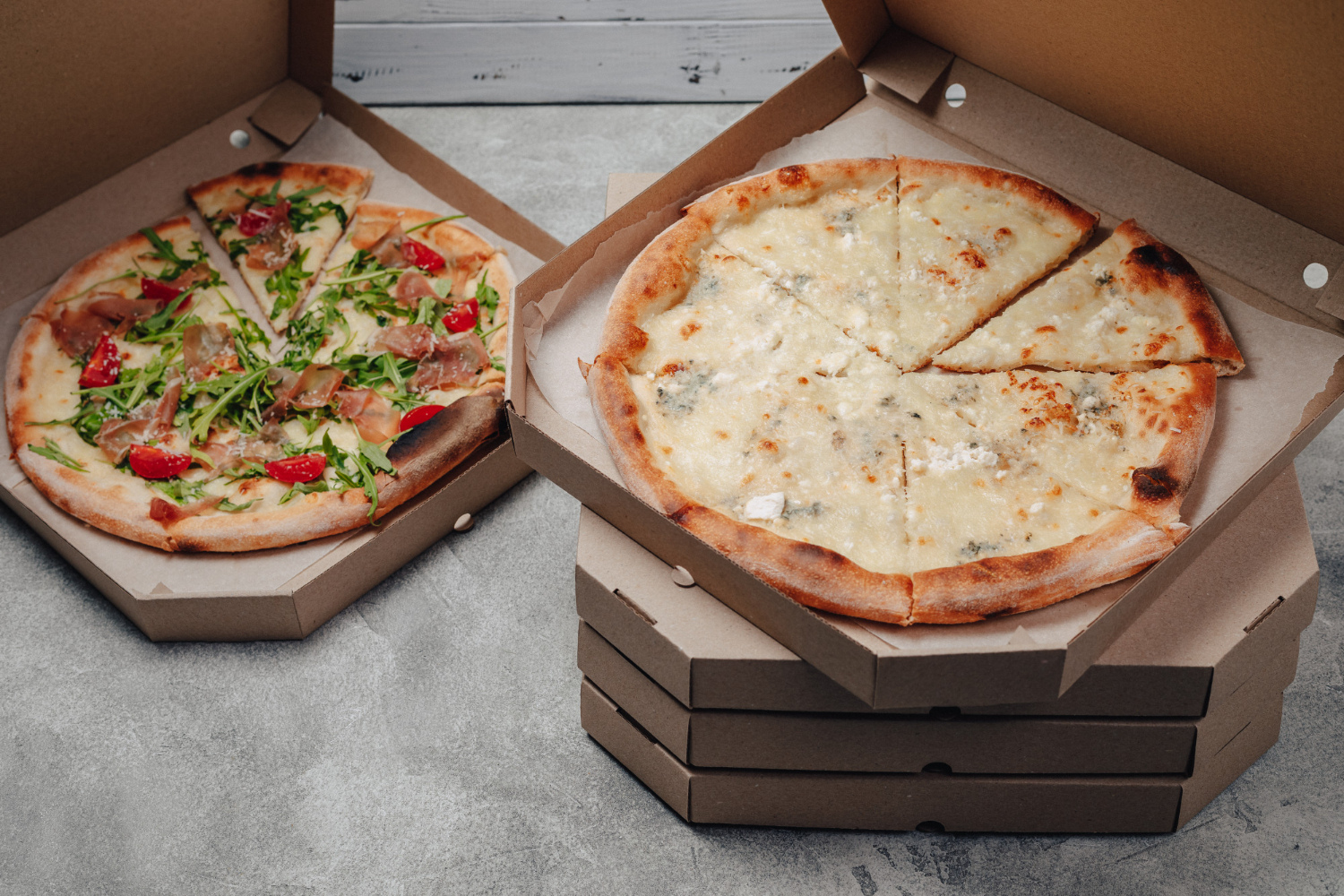
Deep-dish and stuffed crust pizzas usually have thick, heavy dough. They often contain more cheese and toppings, increasing calories and fat. Stone-baked pizzas use thinner crusts, which means fewer carbs and less grease. The stone helps absorb moisture, creating a crisp but light base. This makes stone-baked pizzas generally lower in calories and easier to digest.
Stone-baked Vs Oven-baked
Oven-baked pizzas cook on metal racks or trays without a stone. This can cause uneven heat distribution and soggy crusts. Stone baking draws moisture from dough, making a crispier crust with less oil. The stone provides steady heat, reducing the need for extra fats. Oven-baked pizzas often require more oil to prevent sticking, which adds calories.
Stone-baked Vs Steel-baked
Steel-baked pizzas cook faster due to better heat transfer than stone. This results in a crispier crust and slightly charred edges. Stone-baked pizzas have a chewier texture and cook slower. Both methods avoid deep-frying or heavy oils. Steel may produce a crust with slightly fewer calories because of shorter cooking time, but stone baking is gentler and retains moisture better.
Credit: www.joespizzastone.ca
Benefits Of Stone-baked Pizza
Stone-baked pizza offers unique benefits that set it apart from other baking methods. The way the pizza cooks on a hot stone affects texture and moisture. It may also have some nutritional advantages worth knowing. These benefits make stone-baked pizza a popular choice for many pizza lovers.
Crust Texture And Moisture
The stone absorbs heat evenly, cooking the crust from below. This creates a crust that is crisp on the outside but soft inside. The stone also draws out moisture from the dough, preventing sogginess. This balance results in a more enjoyable bite with a nice chewiness. The pizza crust stays moist without becoming greasy or heavy. Many find this texture superior to pan or oven-baked pizzas.
Potential Nutritional Advantages
Stone-baked pizza often requires less oil or butter on the crust. This can reduce overall fat content in the pizza. The intense heat of the stone helps cook toppings quickly, preserving some nutrients. Also, the quick bake time may limit nutrient loss in vegetables and lean proteins. Choosing fresh, simple ingredients further boosts the health benefits. Stone baking allows a lighter preparation without sacrificing flavor.
Limitations Of Stone-baked Pizza
Stone-baked pizza offers a unique cooking method that many enjoy for its texture and flavor. Despite its popularity, there are some limitations to consider. Understanding these can help set realistic expectations about the final pizza quality and cooking experience.
Heat Distribution And Cooking Time
Stone surfaces heat unevenly compared to metal ovens. Hot spots can form, causing some pizza parts to cook faster. This uneven heat means cooking times can vary and require more attention. Stone takes longer to heat up and cool down, which may slow the overall cooking process. This delay can be inconvenient for quick meals.
Crust Crispiness Compared
Stone-baked pizzas often produce a crust that is crisp but not as crispy as metal or steel-baked ones. Stone absorbs moisture, which can soften the crust slightly. The crust may lack the sharp, blistered texture found in high-temperature ovens. For those who prefer a very crunchy base, stone baking might feel less satisfying.
Credit: www.brennanandmackayappliances.com
Healthiest Pizza Choices
Choosing the healthiest pizza starts with smart decisions on crust, toppings, and ingredients. Stone-baked pizza can be healthier, but the choices you make matter more. Focus on options that lower calories and boost nutrition. Here are simple ways to enjoy pizza without guilt.
Choosing Thin Crusts
Thin crusts have fewer calories and less dough than thick crusts. They reduce overall carbs and calories per slice. Thin crusts also cook faster on stone, keeping the pizza light and crispy. This choice helps control portion size and keeps the meal balanced.
Reducing Cheese And Processed Meats
Cheese adds flavor but also extra fat and calories. Use less cheese or choose lower-fat options. Processed meats like pepperoni and bacon raise saturated fat and sodium levels. Swap these for lean proteins or skip meat toppings to keep pizza healthier.
Opting For Fresh Ingredients
Fresh vegetables add vitamins, fiber, and color to pizza. Tomatoes, spinach, peppers, and mushrooms boost nutrition without many calories. Fresh herbs and garlic add flavor naturally. Using fresh ingredients helps make pizza a balanced and wholesome meal.
Practical Tips For Healthier Pizza
Enjoying pizza does not mean sacrificing health. Simple changes at home can make pizza a healthier meal. Focus on practical tips that improve nutrition without losing taste. These easy steps help create balanced, delicious pizzas.
Using A Pizza Stone At Home
A pizza stone helps bake pizza evenly with a crispy crust. It absorbs moisture, preventing soggy dough. Using a stone mimics traditional brick oven cooking. Preheat the stone well before placing the pizza on it. This method reduces the need for extra oil or butter. It also allows the crust to cook faster and healthier.
Balancing Toppings For Nutrition
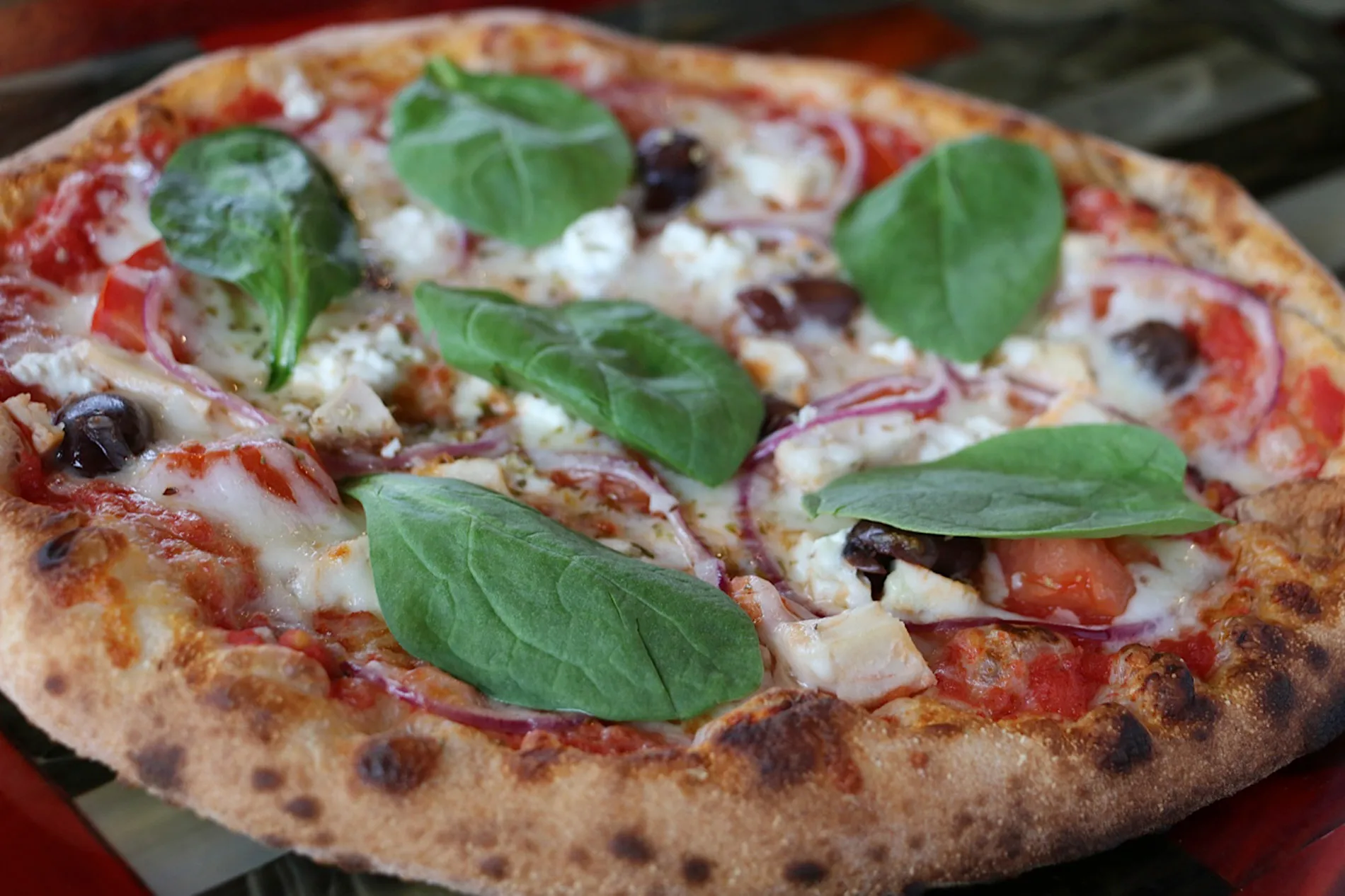
Choose fresh vegetables like spinach, tomatoes, and bell peppers. They add vitamins and fiber without extra calories. Use lean proteins such as grilled chicken or turkey. Avoid processed meats that contain high fat and sodium. Limit cheese to a moderate amount for calcium but less saturated fat. Spread toppings evenly to get a balanced bite each time.
Controlling Portion Sizes
Eating smaller pizza slices helps control calorie intake. Pair pizza with a side salad or fruit to feel full. Avoid eating several slices in one sitting. Serving size control prevents overeating and supports weight management. Cut pizza into smaller pieces to help manage portions easily. This simple habit improves overall meal balance.
Credit: smokinoakpizza.com
Frequently Asked Questions
What Is The Healthiest Type Of Pizza To Get?
The healthiest pizza has a thin crust, light cheese, and plenty of vegetables. Avoid processed meats to reduce fat and sodium.
Is A Pizza Stone As Good As A Pizza Oven?
A pizza stone mimics a brick oven, offering a crisp crust but heats slower and less intensely. Pizza ovens deliver higher heat, faster cooking, and authentic charred crusts. Stones suit occasional home use, ovens fit serious enthusiasts seeking artisanal quality.
How Many Calories Are In A Stone Baked Pizza?
A stone baked pizza typically contains between 250 to 450 calories per serving, depending on toppings and size.
What Is The Unhealthiest Type Of Pizza?
The unhealthiest pizza types are deep-dish or stuffed-crust pizzas loaded with processed meats, extra cheese, and added sugar.
Conclusion
Stone-baked pizza can offer a crispier, tastier crust. It often uses less oil and cooks evenly. Choosing thin crust and fresh toppings improves health benefits. Avoid heavy cheese and processed meats to reduce fat. Overall, stone baking is a good step for healthier pizza.
Yet, ingredients matter more than baking style alone. Enjoy pizza in moderation for a balanced diet. Simple changes make your meal both delicious and better for you.
As the author of the “Ultimate Pizza Guide: Recipes, Tips & Secrets Revealed,” I’m dedicated to sharing my love for pizza and empowering others to create delicious homemade pizzas with ease. Join me on a journey to uncover the secrets to perfecting your pizza game!


