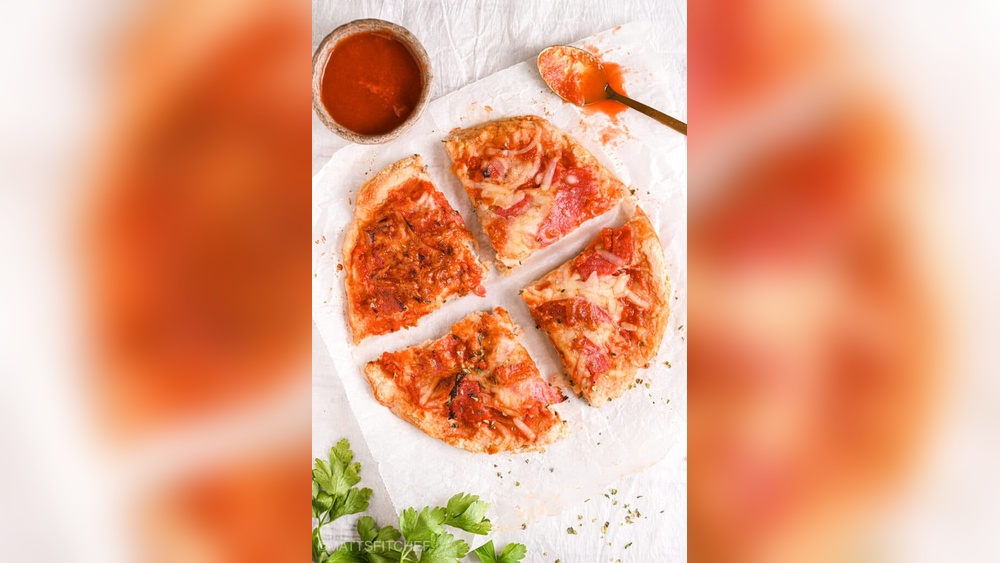
“Does Overbaking Pizza Reduce Nutrition”
When you’re baking your favorite pizza, you might wonder: can leaving it in the oven a little too long harm its nutritional value? You love that crispy crust and melted cheese, but does overbaking actually reduce the nutrients your body needs?
Understanding how heat affects the vitamins, minerals, and fats in your pizza can help you make smarter choices without sacrificing flavor. You’ll discover what really happens to your pizza’s nutrition when it’s overcooked, and whether those extra minutes in the oven are worth it.
Keep reading to find out how to enjoy your pizza both deliciously and healthily.
Effects Of Overbaking On Nutrients
Overbaking pizza can change its nutrient content. Heat affects vitamins, proteins, fats, carbohydrates, and fiber in different ways. Understanding these effects helps you keep your pizza both tasty and nutritious. Below, we explore how overbaking impacts key nutrients.
Vitamin Loss In Overbaked Pizza
Vitamins are sensitive to heat. Overbaking pizza causes some vitamins to break down. Water-soluble vitamins like vitamin C and B vitamins suffer the most. These vitamins may reduce significantly with prolonged cooking. Fat-soluble vitamins like A, D, E, and K are more stable but can still degrade if baking is extreme.
Changes In Protein And Fat
Proteins in pizza can denature or lose their structure during overbaking. This may reduce protein quality but not the total amount. Fats can oxidize when exposed to high heat for too long. Oxidized fats lose nutritional value and may produce harmful compounds. Overbaking can also cause cheese fat to become greasy and less healthy.
Impact On Carbohydrates And Fiber
Carbohydrates in pizza crust are mostly stable under heat. Overbaking can cause the crust to harden and dry out. This change affects texture but not the nutrient amount. Fiber content remains mostly unchanged by baking time. However, a very dry crust may be harder to digest.

Credit: www.amazon.com
Overbaking And Calorie Content
Overbaking pizza affects its calorie content in a few ways. Cooking pizza longer changes the fat and moisture levels. This can impact how many calories you actually consume. Understanding these changes helps you make better choices about your pizza habits.
Fat Reduction Through Overbaking
Overbaking causes some fat to melt and drip off the pizza. This reduces the total fat content on the slice. Less fat means fewer calories since fat is calorie-dense. The amount of fat loss depends on toppings and cheese used. Greasier pizzas lose more fat when overbaked. This can slightly lower the calorie count per slice.
Moisture Loss And Calorie Concentration
Overbaking also removes water from the pizza. As moisture evaporates, the pizza becomes drier and lighter. But the calories from fat, protein, and carbs stay. With less water, calories become more concentrated in each bite. This means a smaller piece may still have many calories. So overbaking does not always reduce total calories eaten.
Does Blotting Remove Calories?
Blotting pizza with a napkin can take away some surface grease. This removes a small amount of fat and calories. The effect is minor but noticeable for very greasy pizzas. Blotting does not reduce calories from cheese or dough. It only lowers calories from excess oil on top. Blotting is a simple way to slightly reduce calorie intake.
Health Implications
Overbaking pizza can affect more than just its taste and texture. It may also impact its nutritional value and health effects. Understanding these health implications helps in making better cooking choices.
Cooking pizza too long can change nutrients and create unwanted compounds. This section explores the health trade-offs and risks involved.
Nutritional Trade-offs Of Overbaking
Overbaking pizza can reduce some nutrients, especially heat-sensitive vitamins like vitamin C. Proteins may also break down and lose quality. Fats can oxidize, affecting their health benefits. On the other hand, some minerals remain stable during baking. The overall calorie content does not change much, but nutrient quality may decline.
Risks Of Charring And Harmful Compounds
Charring pizza crust or toppings creates harmful chemicals like acrylamide and polycyclic aromatic hydrocarbons. These compounds can increase cancer risk if consumed often. Burnt areas also contain less nutrition. It is safer to avoid blackened parts and cook pizza evenly at moderate temperatures.
Balancing Taste And Nutrition
Finding a balance between taste and nutrition is key. Slightly crispy crusts enhance flavor but avoid burning. Use moderate oven temperatures and watch cooking times carefully. Adding fresh vegetables and lean proteins helps boost nutrition. This way, pizza stays tasty without losing too many nutrients.
Factors Influencing Nutrient Changes
Nutrient changes in pizza depend on various factors during baking. Overbaking can affect vitamins, minerals, and fats differently. Some nutrients are heat-sensitive and break down faster. Others remain stable despite longer cooking times. Understanding these factors helps maintain pizza’s nutritional value.
Each ingredient reacts uniquely to heat. The type of toppings, cheese, and crust all influence the final nutrient content. These details matter when you want a healthier pizza experience.
Type Of Toppings And Their Effects
Vegetables lose some vitamins when baked too long. Water-soluble vitamins like vitamin C decrease with heat. Meats can lose moisture and fat but keep protein intact. Spices and herbs may lose some antioxidants. Choosing fresh, less watery toppings helps retain nutrients.
Cheese Varieties And Fat Content
Cheese changes with baking time and temperature. High-fat cheeses release more oil when overbaked. Low-fat cheeses hold moisture better and lose less fat. Overbaking can make cheese dry and less nutritious. Pick cheese types based on desired taste and health goals.
Crust Thickness And Composition
Thicker crusts take longer to cook fully. This can cause more nutrient loss in the dough. Whole grain crusts keep more fiber and minerals than white flour crusts. Thin crusts bake faster, preserving more nutrients. The crust’s ingredients affect how much nutrition stays after baking.
Cooking Techniques To Preserve Nutrition
Preserving the nutrition of your pizza depends a lot on how you cook it. Certain cooking methods keep vitamins and minerals intact. Others may cause nutrient loss. Choosing the right technique helps maintain a healthy meal.
Cooking pizza just right keeps flavors fresh and nutrients strong. Overbaking can dry out the crust and reduce some nutritional value. Here are smart ways to bake without losing the good stuff.
Optimal Baking Times And Temperatures
Bake pizza at moderate temperatures for the best nutrition. High heat for too long burns toppings and crust. This can destroy heat-sensitive vitamins like vitamin C and some B vitamins.
Set your oven between 400°F and 450°F. Bake for 10 to 15 minutes. This time frame cooks the pizza thoroughly while preserving nutrients. Check pizza often to avoid overbaking.
Alternatives To Overbaking
Use techniques like par-baking the crust before adding toppings. This reduces total oven time. Also, try baking pizza on a pizza stone. It distributes heat evenly and prevents burning.
Microwaving leftovers briefly can warm pizza without extra baking. Use a skillet with a lid to reheat pizza on the stove. These options keep nutrients better than long oven baking.
Using Minimal Water And Heat
Cooking with less water helps keep nutrients from washing away. Avoid boiling pizza ingredients before baking. Instead, roast or grill toppings to lock in flavor and vitamins.
Lower heat methods like slow roasting preserve antioxidants and enzymes. Using minimal water and gentle heat protects the nutrition of fresh vegetables and meats on pizza.
Credit: business.walmart.com
Tips For Healthier Pizza Choices
Making healthier pizza choices can improve your meal without sacrificing taste. Simple adjustments help keep nutrition intact and reduce extra calories. Focus on ingredients that add fiber, control fats, and boost overall value. These tips make your pizza more balanced and satisfying.
Selecting High-fiber Toppings
Choose vegetables like spinach, broccoli, and bell peppers for toppings. They add fiber and vitamins to your pizza. Fiber helps digestion and keeps you full longer. Avoid processed meats that add unhealthy fats and sodium. Fresh veggies support a healthier diet and better nutrition.
Choosing Thin Or Whole Wheat Crust
Thin crust has fewer calories and less dough than thick crust. Whole wheat crust adds fiber and nutrients missing in white flour crusts. Fiber in whole wheat supports heart health and steady energy. These crust options improve your pizza’s nutrition without changing flavor much.
Moderating Cheese And Sauce
Use less cheese to reduce saturated fat and calories. Choose low-fat cheese or sprinkle cheese lightly for taste without excess fat. Pick tomato sauce with no added sugar or salt. Tomato sauce contains antioxidants that help protect your body. Balancing cheese and sauce keeps pizza tasty and healthier.

Credit: healthyheartmarket.com
Frequently Asked Questions
Does Blotting Pizza Remove Calories?
Blotting pizza removes some surface grease, slightly reducing calories from fat. The calorie reduction is minor, not significant.
Does Burning Food Remove Nutritional Value?
Burning food destroys some nutrients, especially vitamins. It also creates harmful compounds. Avoid burning to preserve nutrition and safety.
How To Reduce Calories From Pizza?
Choose thin or whole wheat crust, reduce cheese, add veggies, avoid high-fat toppings, and blot excess grease to cut pizza calories.
Does Food Lose Nutrients When Overcooked?
Yes, overcooking food, especially vegetables, reduces water-soluble vitamins like B and C. Use shorter cooking times and minimal water to preserve nutrients.
Conclusion
Overbaking pizza can reduce some nutrients, especially vitamins. The heat breaks down delicate vitamins like vitamin C and some B vitamins. Still, the pizza keeps most minerals and proteins. Overbaking also lowers moisture and may change the taste and texture.
Eating pizza in moderation is better than overcooking it for health. Choosing fresh toppings and cooking carefully helps keep nutrition. Enjoy your pizza, but avoid burning it to save nutrients. Small changes in cooking make a difference for a healthier meal.
As the author of the “Ultimate Pizza Guide: Recipes, Tips & Secrets Revealed,” I’m dedicated to sharing my love for pizza and empowering others to create delicious homemade pizzas with ease. Join me on a journey to uncover the secrets to perfecting your pizza game!


