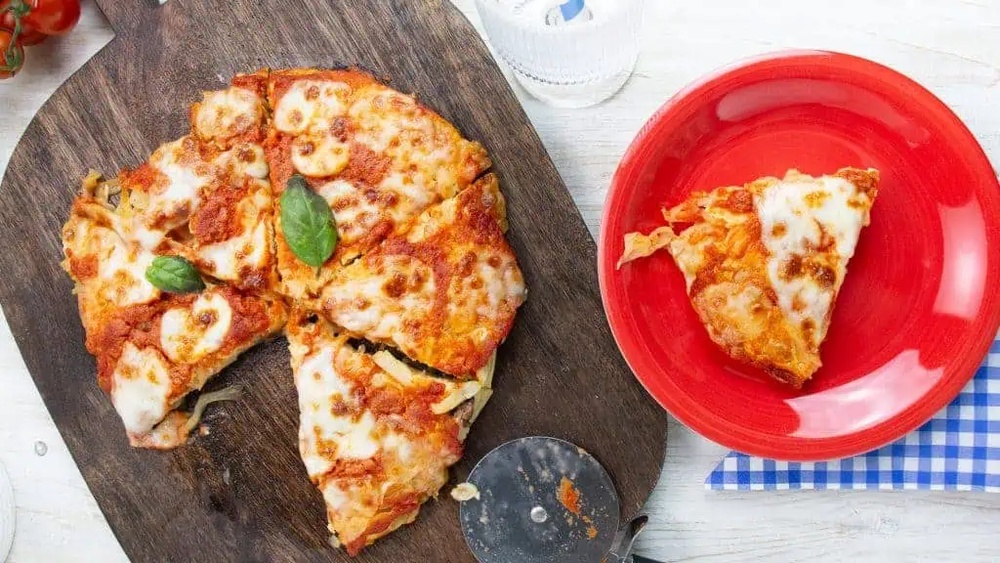
“Does High Heat Affect Pizza Nutrients”
When you’re craving a hot, delicious pizza, you probably want it cooked just right—crispy crust, perfectly melted cheese, and fresh toppings. But have you ever wondered if cooking your pizza at high temperatures affects the nutrients in those tasty ingredients?
You might think that the intense heat could destroy vitamins and minerals, but the truth might surprise you. Understanding how heat changes your pizza’s nutritional value can help you enjoy your favorite slice without guilt. Let’s dive into how high heat impacts the nutrients in your pizza and what it means for your health and flavor.
Heat And Pizza Baking
Baking pizza involves high heat that shapes its taste and texture. Heat plays a key role in forming the crust and cooking toppings quickly. Understanding how heat affects pizza helps to balance flavor and nutrition.
Role Of High Temperature
High temperature makes pizza cook fast and evenly. It creates the crispy crust that many enjoy. The heat causes the dough to rise and puff up. It also melts cheese and cooks toppings thoroughly. This quick cooking helps keep some nutrients intact.
Effects On Dough And Crust
Heat changes dough by activating yeast and baking the crust. High heat forms a golden, crunchy outside and soft inside. The crust’s texture depends on how hot the oven gets. Overheating can burn the crust and affect taste. Proper heat helps develop flavor without losing nutrients.
Cooking Speed And Nutrient Impact
Fast cooking at high heat can preserve nutrients better than slow cooking. Shorter exposure to heat means less nutrient loss. Some vitamins are sensitive to long heat but hold up in quick baking. However, very high heat may reduce certain heat-sensitive nutrients. Balancing heat and time is important for tasty, nutritious pizza.
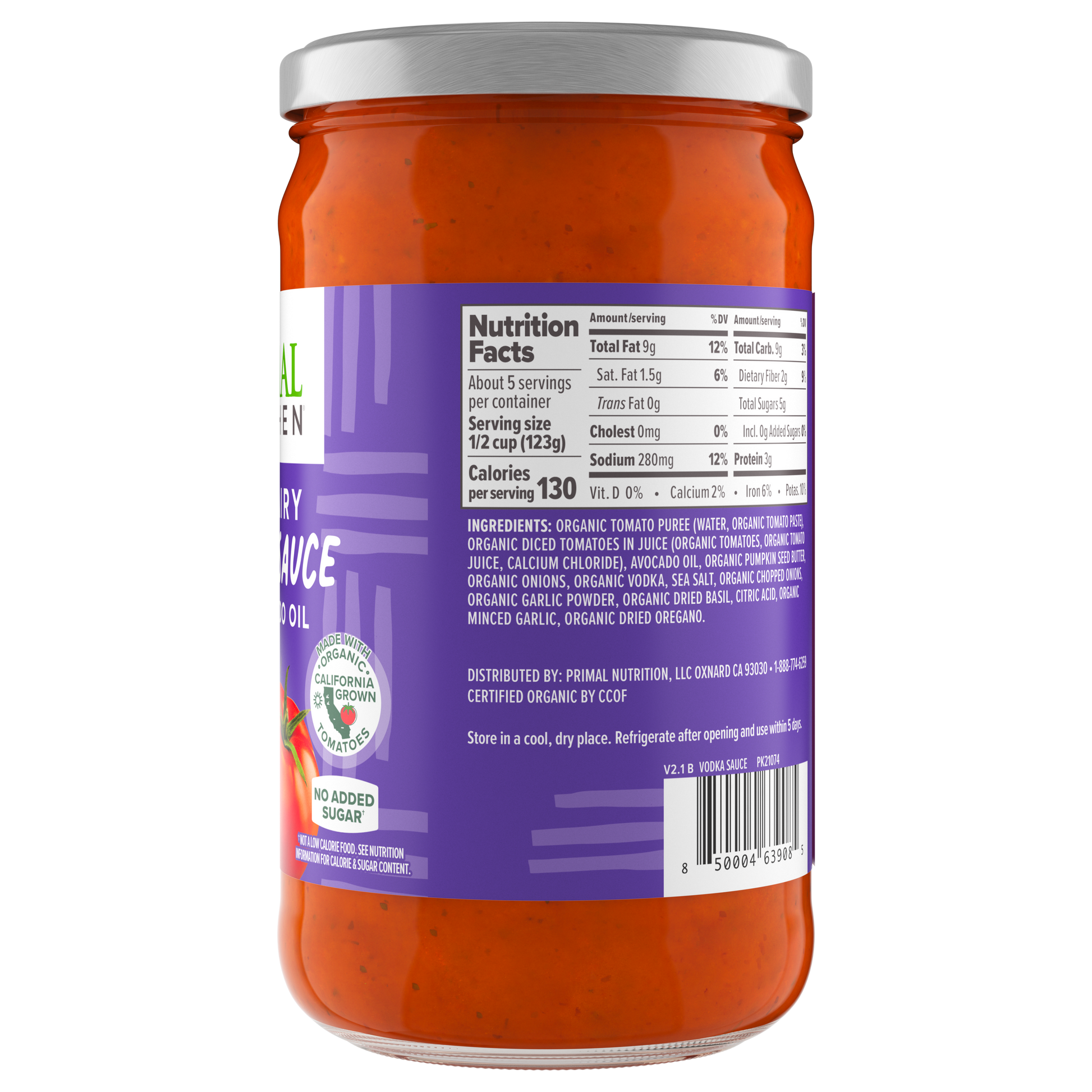
Credit: www.primalkitchen.com
Nutrient Changes At High Heat
Cooking pizza at high heat can change its nutrients in different ways. Heat affects vitamins, minerals, antioxidants, proteins, and fats. Understanding these changes helps you enjoy pizza that tastes good and keeps some nutrition.
Vitamin And Mineral Stability
Vitamins vary in how they react to high heat. Vitamin C and some B vitamins break down quickly. This means pizza toppings with these vitamins lose some nutrition. Minerals like calcium, iron, and potassium are more stable. They stay in the pizza even after baking. High heat does not destroy minerals but can cause small losses if juices drip away.
Antioxidant Levels
Antioxidants protect cells from damage. Tomatoes, a common pizza topping, are rich in antioxidants like lycopene. High heat can increase lycopene’s availability by breaking down cell walls. This makes it easier for the body to absorb. Other antioxidants may reduce with long cooking times. Fast baking at very high heat helps keep more antioxidants intact.
Protein And Fat Alterations
Proteins in cheese and meat can change under high heat. Heat causes proteins to denature, which affects texture but not nutrition much. Overcooking can create harmful compounds in burned proteins. Fats melt and may drip off, reducing total fat content. High heat can also cause fats to oxidize, which may affect flavor and health.
Cooking Methods And Nutrient Retention
Cooking methods play a key role in nutrient retention of pizza. The way pizza is baked affects the vitamins and minerals it keeps. High heat can both help and harm nutrients depending on the method used. Understanding different ovens and their effects can guide better pizza preparation.
Wood-fired Ovens
Wood-fired ovens reach very high temperatures quickly. This fast cooking seals in moisture and flavors. Nutrients like antioxidants in tomatoes can become more available. The short cooking time limits nutrient loss. Wood-fired pizza often has a crispy crust and fresh toppings.
Electric And Conventional Ovens
Electric and conventional ovens cook pizza at steady, moderate heat. They take longer to bake compared to wood-fired ovens. Longer cooking may reduce heat-sensitive vitamins such as vitamin C. However, these ovens offer consistent heat control. This control helps prevent burning and preserves some nutrients.
Brick Oven Benefits
Brick ovens combine high heat with even heat distribution. The bricks hold heat well and cook pizza evenly. This method minimizes nutrient loss by reducing cooking time. Brick ovens also create a light, airy crust. They help keep the pizza’s natural flavors and nutrients intact.
Toppings And Heat Exposure
Pizza toppings add flavor and nutrition but react differently to high heat. Heat exposure can change the nutrient content in toppings. Some nutrients break down quickly under intense heat. Others remain stable or even become easier to absorb. Understanding these changes helps choose toppings wisely.
Each topping type—vegetables, cheese, meat, herbs, and spices—has unique heat sensitivity. This affects the overall nutritional value of your pizza. Let’s explore how heat impacts these common pizza ingredients.
Vegetables And Heat Sensitivity
Vegetables contain vitamins that are sensitive to heat. Vitamin C and some B vitamins degrade quickly when exposed to high temperatures. Cooking can reduce their levels significantly. On the other hand, some antioxidants like lycopene in tomatoes become more available after heating. Short cooking times preserve most nutrients better. Overcooking vegetables on pizza can lead to nutrient loss.
Cheese And Meat Nutrient Effects
Cheese melts and changes texture under heat but keeps most of its nutrients. Protein and calcium remain stable during baking. Meat toppings also retain protein well. However, some vitamins, especially B vitamins, may reduce slightly. High heat can cause fat loss through dripping. This may lower calorie content but not protein quality.
Impact On Herbs And Spices
Herbs and spices contain volatile oils that give aroma and health benefits. These oils evaporate quickly under high heat. This can reduce their flavor and antioxidant properties. Adding fresh herbs after baking keeps nutrients intact. Spices mixed into the dough or sauce may lose some potency when baked at high temperatures.
Health Implications Of High-heat Cooking
High-heat cooking, such as baking pizza in a hot oven, changes the food’s nutrient profile. The intense heat affects vitamins, minerals, and other compounds in the ingredients. Understanding these health implications helps you make smarter cooking choices without losing flavor.
Formation Of Harmful Compounds
High temperatures can cause harmful compounds to form in food. For example, acrylamide and advanced glycation end products (AGEs) may develop. These substances link to inflammation and health risks if consumed in large amounts. Overcooking or burning pizza increases these compounds. Cooking at moderate high heat reduces this effect while still creating a crispy crust.
Bioavailability Of Nutrients
Heat can increase the bioavailability of some nutrients in pizza toppings. Lycopene, found in tomatoes, becomes easier for the body to absorb after heating. Cooking also softens vegetables and cheese, making nutrients more accessible. On the other hand, some vitamins like vitamin C degrade quickly at high heat. Balancing cooking time and temperature preserves these sensitive nutrients better.
Balancing Taste And Nutrition
High heat improves pizza taste by creating a golden crust and melting toppings perfectly. This makes pizza more enjoyable and satisfying. Using fresh, nutrient-rich ingredients helps maintain the health value. Avoid burning or charring the pizza to limit harmful compound formation. Opt for shorter cooking times at high temperatures to keep nutrients intact and flavor rich.
:max_bytes(150000):strip_icc()/pizza_annotated3-bb1cf56718e1456a8e5bdc3536ee5728.jpg "Does High Heat Affect Pizza Nutrients: Surprising Facts Revealed 3")
Credit: www.verywellfit.com
Tips For Nutrient-friendly Pizza
Making pizza nutrient-friendly means keeping its vitamins and minerals intact. Heat can change nutrients, so careful cooking helps preserve them.
Simple steps can keep your pizza both tasty and healthy. Focus on cooking methods and ingredient choices.
Optimal Cooking Temperatures
Cook pizza at moderate to high heat but avoid extreme temperatures. High heat cooks pizza quickly and keeps nutrients from breaking down.
Temperatures around 450°F to 500°F work well. This heat crisps the crust and melts cheese without overcooking toppings.
Choosing Ingredients Wisely
Pick fresh vegetables and lean proteins for better nutrition. Fresh ingredients keep more vitamins and antioxidants.
Use whole grain or whole wheat pizza dough. It adds fiber and minerals compared to white flour dough.
Limit processed meats and heavy cheeses to reduce unhealthy fats and sodium.
Avoiding Overcooking
Overcooking reduces vitamins and can create harmful compounds. Watch the pizza closely to prevent burning.
Remove pizza as soon as the cheese bubbles and crust turns golden. This keeps nutrients stable and flavors fresh.
Credit: www.redbaron.com
Frequently Asked Questions
Is It Better To Cook Pizza At Higher Temperature?
Cooking pizza at higher temperatures creates a crisp, golden crust and cooks the dough quickly. This prevents toppings from overcooking and preserves nutrients. High heat enhances texture and flavor, making it the preferred method for baking delicious pizza.
Does High Heat Destroy Nutrients?
High heat can reduce some nutrients, especially vitamins sensitive to heat. Quick cooking preserves more nutrients than prolonged exposure.
What’s The 2 Hour Rule For Pizza?
The 2-hour rule for pizza means you should not leave pizza out at room temperature over two hours. Bacteria grow quickly after that. Refrigerate leftover pizza within two hours to keep it safe to eat.
What Is The Rule Of 55 Pizza?
The Rule of 55 pizza means baking at 550°F for 5 minutes. This creates a crispy crust and evenly cooked toppings.
Conclusion
High heat can change some pizza nutrients, but not all. Quick cooking helps keep vitamins in vegetables intact. Overcooking or burning reduces nutrient value and taste. Baking pizza fast at high temperature creates a crispy crust. This method balances flavor and nutrition well.
Enjoy your pizza without worrying too much about heat. Choose fresh toppings to get the most nutrients. A hot oven makes pizza delicious and still healthy.

As the author of the “Ultimate Pizza Guide: Recipes, Tips & Secrets Revealed,” I’m dedicated to sharing my love for pizza and empowering others to create delicious homemade pizzas with ease. Join me on a journey to uncover the secrets to perfecting your pizza game!


