“Pizza Oven Seasonal Maintenance”
Owning a pizza oven, whether it’s a sleek wood-fired brick behemoth in your backyard or a compact propane model on your patio, brings the joy of authentic, perfectly cooked pizzas right to your doorstep. The intense heat and unique cooking environment these ovens provide are unparalleled, transforming simple ingredients into culinary masterpieces.
However, like any piece of equipment exposed to the elements and high temperatures, a pizza oven requires consistent care and attention to ensure its longevity, optimal performance, and the safety of its operation. Neglecting maintenance can lead to decreased efficiency, costly repairs, and even safety hazards.
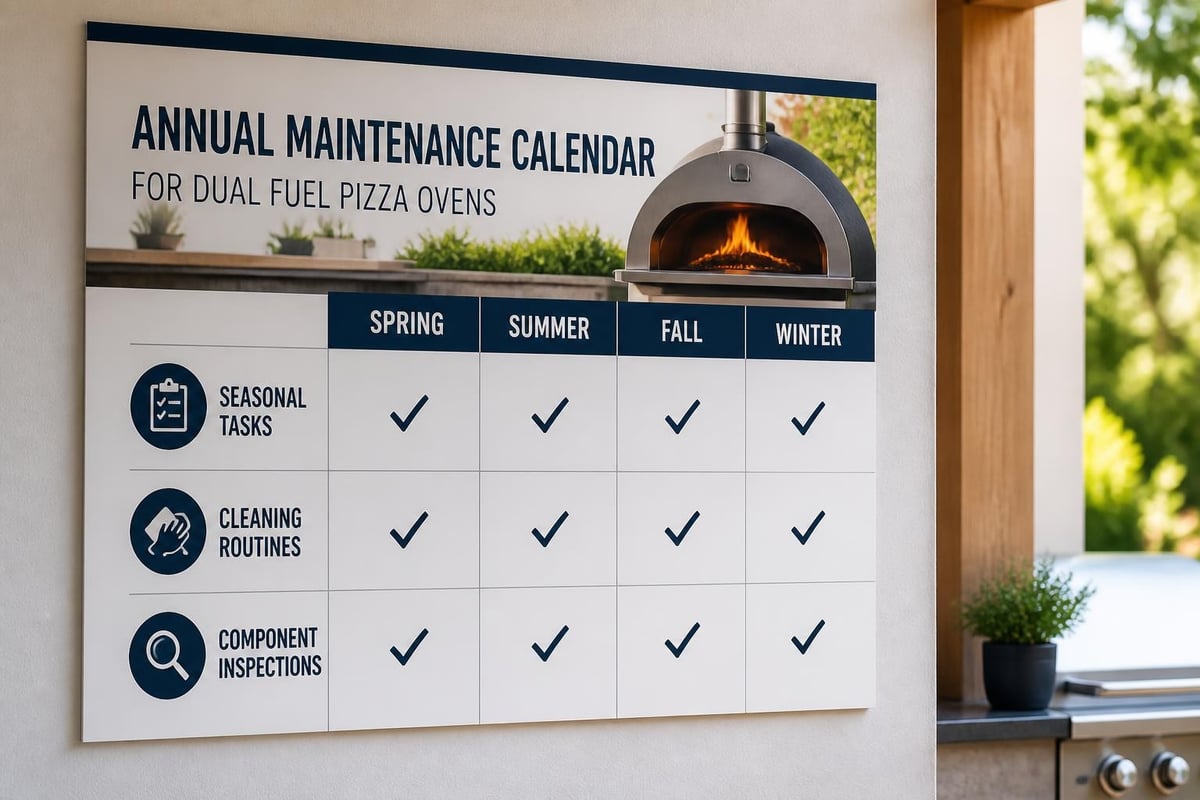
This comprehensive guide will walk you through the essential seasonal maintenance tasks for your pizza oven. From spring tune-ups after a winter’s rest to fall preparations for colder months, and the ongoing care needed throughout the year, understanding these steps will help you preserve your investment and continue to bake delicious pizzas for years to come.
We’ll cover everything from cleaning and inspecting components to protecting your oven from the elements and addressing common issues before they become major problems.
Key Takeaways
- Regular Cleaning is Paramount: Consistent removal of ash, grease, and food debris prevents buildup that can affect performance and create fire hazards.
- Inspect for Damage: Seasonal checks of the oven dome, floor, insulation, and external components are crucial for identifying cracks or wear.
- Weather Protection is Essential: Proper covering or storage during off-seasons or inclement weather protects against moisture, frost, and UV damage.
- Fuel Source Matters: Maintenance varies slightly depending on whether you have a wood-fired, gas, or electric oven.
- Safety First: Always ensure the oven is cool, disconnected (if applicable), and in a safe, well-ventilated area before performing maintenance.
- Professional Help: For significant repairs or complex issues, consulting a qualified technician is often the wisest course of action.
Spring: The Grand Reawakening
After a period of dormancy, typically over the winter months, your pizza oven needs a thorough inspection and cleaning to prepare it for the warmer seasons of outdoor cooking and entertaining. This is the most comprehensive maintenance period, setting the stage for a full year of operation.
Thorough Cleaning And Ash Removal
The first and most critical step is to clear out any accumulated ash, soot, and debris from the previous season. For wood-fired ovens, this means carefully removing all residual ash from the oven floor and dome. Use a metal shovel or ash rake designed for this purpose, and place the ashes in a metal container away from any flammable materials. Allow ashes to cool completely before disposal. For gas ovens, inspect the burner ports and ensure they are free of any blockages that could impede gas flow.
Inspecting The Oven Dome And Hearth
The heart of your pizza oven is its dome and hearth. Carefully examine the internal surfaces of the dome for any hairline cracks or larger fissures that may have developed due to thermal expansion and contraction cycles or frost damage. Small hairline cracks are often cosmetic and can be sealed with specialized pizza oven refractory cement. However, larger cracks or crumbling areas could indicate a more significant structural issue that needs professional attention.
Similarly, inspect the hearth or oven floor. Look for cracks, chips, or unevenness. A damaged hearth can lead to uneven cooking temperatures and potentially compromise the structural integrity of the oven. Minor cracks can be repaired with refractory mortar or cement. Ensure the floor is level and stable.
Checking Insulation And Sealant
The insulation layers beneath the dome and hearth are vital for retaining heat efficiently. Examine these areas for any signs of deterioration, moisture ingress, or compression. If you notice any compromised insulation, it will need to be repaired or replaced to maintain optimal performance and energy efficiency. Also, check any sealant or mortar joints around the oven’s exterior, especially where the dome meets the base or chimney. Reapply sealant if it appears cracked, brittle, or has pulled away.
Examining The Chimney And Flue
A clear and unobstructed chimney is essential for proper draft and ventilation. For wood-fired ovens, use a stiff brush to clean out any creosote or soot buildup in the chimney flue. Inspect the chimney cap for damage and ensure it’s securely in place to prevent rain and debris from entering. For gas ovens, check the flue for blockages and ensure there are no signs of corrosion or damage to the metal.
Fuel Source Inspection
- Wood-Fired Ovens: Inspect your firewood. Ensure it is dry, seasoned hardwood. Damp or green wood produces more smoke and less heat, and can contribute to faster creosote buildup. Store your wood in a dry, elevated place.
- Gas Ovens: Check the gas connection and hose for any signs of wear, cracks, or leaks. If you detect a gas smell, immediately turn off the gas supply, ventilate the area, and do not use the oven until the leak is fixed by a qualified professional. Inspect the regulator and control valves to ensure they are functioning correctly.
- Electric Ovens: Inspect the power cord and plug for any damage. Ensure the heating elements are clean and free from debris. Check any control panels or thermostats for proper operation.
Exterior Cleaning And Refinishing
Give the exterior of your pizza oven a good cleaning. Remove any dirt, grime, or cobwebs. If your oven has a painted or decorative finish, inspect it for chips or peeling. You may need to touch up paint or apply a protective sealant to maintain its appearance and protect it from the elements.
Credit: cotswoldcookingcompany.co.uk
Summer: Peak Performance And Vigilance
Summer is prime pizza-making season. While major maintenance is best done in spring and fall, consistent vigilance during the summer months is key to preventing minor issues from escalating and ensuring your oven performs at its best during frequent use.
Daily/weekly Cleaning Practices
After each use, allow the oven to cool down. Once cool enough to handle, sweep out any loose ash from the hearth. A stiff-bristled brush works well for this. For gas ovens, a quick wipe-down of the exterior and cooking surfaces is usually sufficient.
A more thorough cleaning might be needed weekly or bi-weekly, depending on usage. This involves more vigorous brushing of the hearth and removing any stubborn food particles. For gas ovens, periodically check and clean the burner assembly according to the manufacturer’s instructions. A buildup of grease and food residue can affect performance and, more importantly, pose a fire risk.
Monitoring For Cracks And Wear
Even with regular use, keep an eye out for new hairline cracks in the dome or hearth. Thermal stress is a constant factor, and small cracks can appear. Address these promptly with appropriate refractory cement. Also, check the door seal, if applicable, for any signs of wear or damage. A good seal is important for maintaining optimal temperatures.
Grease Trap And Drip Pan Maintenance (gas Ovens)
Many gas pizza ovens have a grease trap or drip pan designed to catch fat and food debris. These need to be emptied and cleaned regularly, especially during heavy summer use. A full or neglected drip pan can become a significant fire hazard. Inspect it after every few uses and clean it as needed.
Chimney Draft Check
During summer, you might notice a less robust draft compared to cooler months. This is often due to warmer ambient air being less dense. However, if you experience excessive smoke in the oven or difficulty getting it to heat properly, check the chimney for any new obstructions.
A quick visual inspection from the outside can often reveal blockages.
Fuel Level Management
For gas ovens, ensure you have an adequate supply of propane or natural gas. Running out mid-cook is inconvenient. Regularly check your propane tank levels or monitor your natural gas supply. For wood-fired ovens, maintain a good stock of dry, seasoned firewood.
Credit: dubepropertymaintenance.com
Autumn: Preparing For The Chill
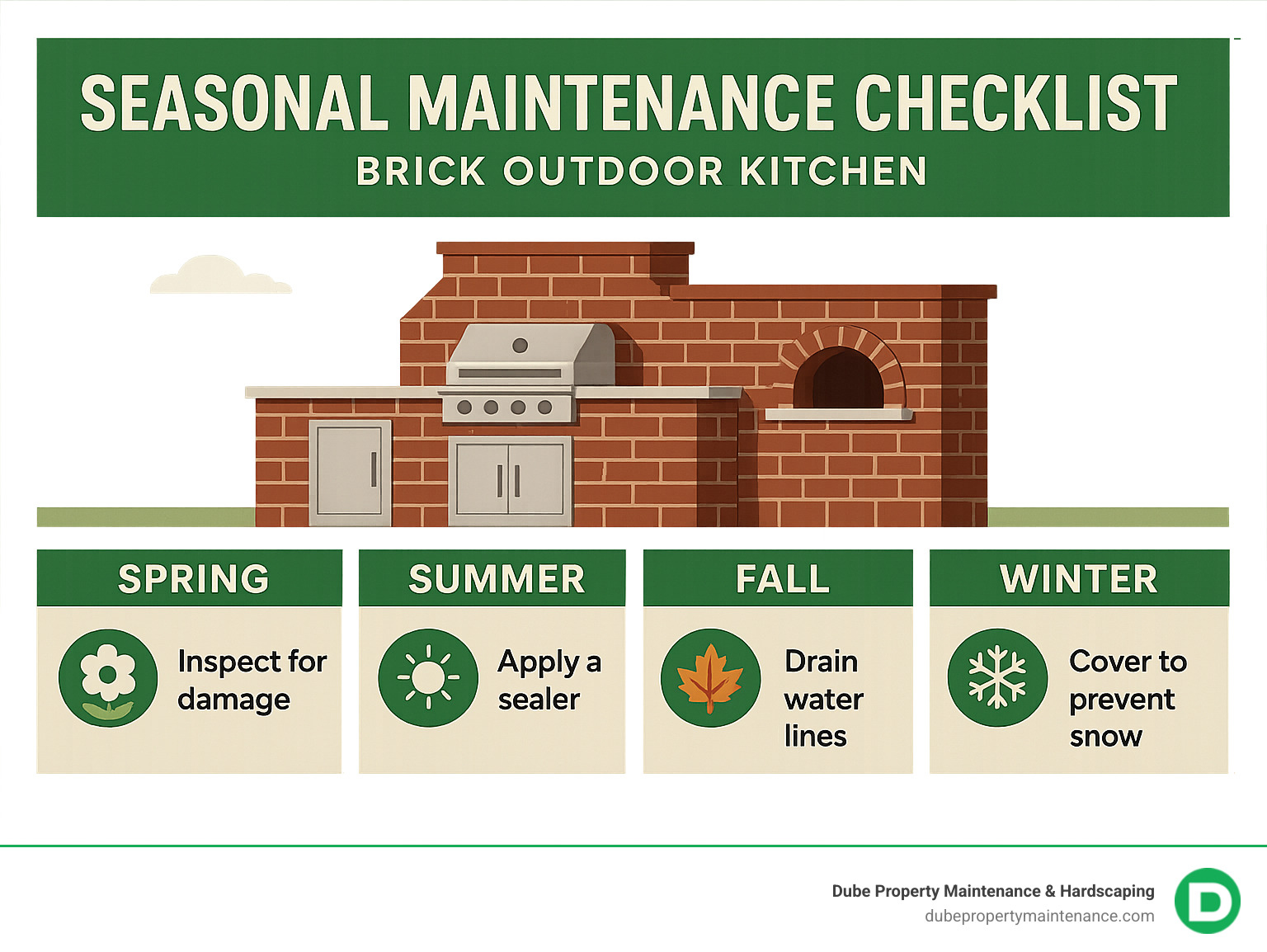
As the outdoor cooking season winds down, it’s time to prepare your pizza oven for the colder, wetter months ahead. This involves cleaning, inspecting, and protecting it from the elements to prevent damage during winter.
Deep Cleaning And Ash Removal
Similar to the spring tune-up, a thorough cleaning is essential. Remove all remaining ash and debris from the oven. This prevents moisture from getting trapped and causing damage to the refractory materials. For wood-fired ovens, ensure the firebox and chimney are completely clean of creosote, which can be a fire hazard and absorb moisture.
Comprehensive Inspection For Winter Damage
Conduct another detailed inspection of the oven dome, hearth, and insulation. Pay close attention to any cracks that may have appeared or widened over the summer. Winter’s freeze-thaw cycles can exacerbate existing damage. Address any necessary repairs with refractory cement or mortar before the cold weather truly sets in. Check the oven door and any seals for wear and tear.
Moisture Prevention Is Key
Moisture is the enemy of pizza ovens during winter. Water can seep into porous refractory materials, freeze, expand, and cause significant cracking or spalling (flaking).
- For Wood-Fired Ovens: Ensure the chimney cap is securely in place and functioning correctly to keep rain and snow out. If your oven has a removable chimney or flue damper, consider closing it to prevent moisture entry, but ensure it’s not sealed airtight if there’s any risk of residual gases.
- For Gas Ovens: Ensure all gas components are protected from moisture. Some manufacturers recommend specific covers for burner areas or gas connections.
Exterior Protection And Covering
The most crucial step for autumn maintenance is protecting the oven from the elements.
- Pizza Oven Covers: Invest in a high-quality, waterproof, and breathable pizza oven cover. This is essential for protecting the oven from rain, snow, frost, and UV rays. Ensure the cover fits snugly but allows for some air circulation to prevent moisture buildup underneath.
- Storage: If possible, move a smaller, portable pizza oven into a dry, sheltered location like a garage, shed, or covered patio. For larger, fixed ovens, a good cover is paramount.
- Ventilation: Even when covered, ensure some air circulation around the oven to prevent condensation. Avoid tightly sealing the oven for extended periods, as trapped moisture can still cause damage.
Fuel Storage
Ensure any remaining firewood is stored in a dry, elevated location protected from snow and rain. For gas ovens, store propane tanks upright in a well-ventilated area, away from direct heat sources and ignition sources.
Credit: www.trueflame.com
Winter: Dormancy And Minimal Care
While your pizza oven is likely not in active use during the winter months, a few simple steps can ensure it remains in good condition until spring. The focus shifts from active use maintenance to passive protection.
Continued Weather Protection
The pizza oven cover remains your primary defense against winter weather. Check it periodically to ensure it hasn’t been damaged by wind, snow, or ice. Make sure it’s still securely in place and covering the oven effectively. If you’ve stored the oven indoors, ensure the space remains dry and free of pests.
Periodic Checks For Moisture
If your oven is exposed to the elements, even under a cover, it’s wise to periodically check for signs of excessive moisture. Lift the cover on a dry day to allow any trapped condensation to evaporate. Look for water pooling or dampness around the base.
Pest Control
Winter can drive critters to seek shelter. Inspect the oven area for any signs of rodents or insects that might have taken up residence. Ensure any stored firewood is not harboring pests that could damage the oven or surrounding structures.
Addressing Ice And Snow
If significant snow or ice accumulates on or around the oven, gently remove it. Avoid using sharp or abrasive tools that could damage the oven’s surface. For ice, you might need to wait for it to thaw naturally or use lukewarm water, ensuring the oven is completely dry afterward. Never use salt or chemical de-icers on or around the oven, as these can cause corrosion and damage.
Specific Considerations For Different Oven Types
While the core principles of maintenance remain similar, the specifics can vary based on whether you have a wood-fired, gas, or electric pizza oven.
Wood-fired Pizza Ovens
These ovens require the most hands-on maintenance due to the combustion process.
- Ash Management: Regular ash removal is critical. Ash can be abrasive and, when wet, can contribute to spalling.
- Creosote Buildup: The primary concern for wood-fired ovens is creosote in the chimney. Regular sweeping is essential. Incomplete combustion (from wet wood or poor airflow) accelerates this.
- Refractory Material Care: The dome and hearth are exposed to extreme thermal shock. Careful firing and cooling cycles, along with prompt crack repair, are vital.
- Chimney and Damper: Ensure the chimney is clear and the damper (if present) operates smoothly.
Gas Pizza Ovens
Gas ovens are generally lower maintenance but require attention to fuel systems and burners.
- Burner Cleaning: Food debris and grease can clog burner ports. Regular cleaning with a wire brush or compressed air is necessary.
- Gas Line and Regulator: Annual inspection of the gas line, regulator, and connections by a qualified technician is recommended to ensure safety and prevent leaks.
- Ignition System: Check the igniter periodically to ensure it’s sparking reliably. Clean any soot or debris from the igniter tip.
- Drip Pans: Frequent emptying and cleaning of drip pans are crucial fire prevention measures.
Electric Pizza Ovens
Electric ovens are typically the simplest to maintain, focusing on electrical safety and heating elements.
- Heating Element Care: Ensure heating elements are kept clean of food debris. Gentle brushing is usually sufficient. Avoid using water directly on electrical components.
- Power Cord and Plug: Regularly inspect the power cord and plug for any fraying, cuts, or damage.
- Thermostat and Controls: Test the thermostat and control knobs to ensure they are functioning accurately.
- Exterior Cleaning: A simple wipe-down with a damp cloth is usually all that’s needed for the exterior.
Pro Tip: The Importance Of A Pizza Oven Brush
A dedicated pizza oven brush with a long handle and stiff bristles (often brass or stainless steel) is an indispensable tool. It allows you to safely sweep ash and debris from a hot oven floor without direct contact, and it’s also effective for scrubbing away minor burnt-on food particles.
Data Snapshot: Impact Of Regular Maintenance
While specific statistics on pizza oven maintenance are scarce, we can infer the impact based on similar outdoor cooking appliances. According to a survey by the Hearth, Patio & Barbecue Association (HPBA), annual inspections and maintenance can reduce the risk of equipment failure by up to 50% and extend the lifespan of outdoor appliances by an average of 3-5 years. This highlights the significant return on investment for consistent care.
Common Issues And Troubleshooting
Even with diligent maintenance, you might encounter occasional problems. Here are a few common issues and how to address them:
- Uneven Heating:
- Cause: Uneven ash buildup, damaged hearth, or burner issues (gas ovens).
- Solution: Ensure the hearth is clean and level. For wood-fired ovens, manage the fire to distribute heat evenly. For gas ovens, clean the burners and check for consistent flame.
- Smoke Leaks:
- Cause: Cracks in the dome or sealant, poorly fitted door, or chimney obstruction.
- Solution: Inspect and seal cracks. Ensure the door fits tightly. Check and clear the chimney.
- Difficulty Reaching High Temperatures:
- Cause: Poor insulation, chimney issues, insufficient fuel (wood-fired), or burner problems (gas).
- Solution: Check insulation integrity. Ensure proper chimney draft. Use dry, seasoned wood. Clean gas burners and check fuel supply.
- Spalling (Flaking of Refractory Material):
- Cause: Moisture ingress followed by rapid heating or freezing.
- Solution: Prevent moisture buildup. Ensure the oven is thoroughly dry before firing. For minor spalling, repair with refractory cement. Significant spalling may require professional assessment.
Example: A Backyard Chef’s Spring Ritual
Take for instance, Mark, a homeowner with a popular brick wood-fired pizza oven. Every spring, he dedicates a Saturday morning to its upkeep. He starts by donning gloves and a mask, then uses an ash shovel to clear out the winter’s accumulation.
He inspects the dome with a flashlight, noting a few hairline cracks he plans to fill with refractory cement. He then uses a chimney brush to clear out any residual soot. His final step is to apply a coat of specialized sealant to the exterior brickwork before covering it loosely with a breathable tarp, ready for the season’s first pizzas.
Autumn Maintenance Checklist
To ensure you don’t miss any critical steps as the weather turns, here’s a handy checklist:
- Empty and Clean: Remove all ash, soot, and debris.
- Inspect Dome and Hearth: Check for cracks, chips, or spalling.
- Examine Insulation: Look for signs of moisture or damage.
- Clean Chimney/Flue: Remove creosote and obstructions.
- Check Seals and Doors: Ensure a tight fit and no wear.
- Inspect Fuel System: (Gas/Propane) Check hoses, regulators, and connections.
- Repair Minor Damage: Use appropriate refractory cement for cracks.
- Clean Exterior: Remove dirt and grime.
- Apply Protective Sealant: If applicable to your oven’s exterior.
- Cover or Store: Use a waterproof, breathable cover or move to a dry location.
- Protect Fuel Source: Store firewood properly; ensure propane tanks are safe.
Frequently Asked Questions
What Is The Best Material To Use For Repairing Cracks In My Pizza Oven Dome?
For repairing cracks in refractory materials like those found in pizza oven domes and hearths, you should use a high-temperature refractory cement or mortar. These specialized products are designed to withstand the extreme temperatures and thermal cycling that pizza ovens endure. Always follow the manufacturer’s instructions for mixing and application, and ensure the area is clean and dry before applying the repair material. For significant damage, consulting a professional is advisable.
How Often Should I Clean The Ash From My Wood-fired Pizza Oven?
You should clean the ash from your wood-fired pizza oven after every use, once it has cooled down. While a quick sweep of loose ash might suffice after each bake, a more thorough removal of accumulated ash should be done regularly, especially before extended periods of non-use or before the onset of winter. Excessive ash buildup can retain moisture and contribute to heat loss and potential damage to the oven floor.
Can I Use A Regular Oven Cleaner On My Pizza Oven?
No, you should never use standard oven cleaners or harsh chemicals on your pizza oven, especially on the cooking surfaces or interior refractory materials. These cleaners contain chemicals that can be absorbed into the porous materials, potentially contaminating your food, damaging the oven’s structure, or creating hazardous fumes when heated. Stick to mechanical cleaning methods like brushing, scraping, and using specialized refractory cleaning products if necessary.
How Do I Protect My Pizza Oven From Rain And Snow During The Winter?
The best way to protect your pizza oven from rain and snow is to use a high-quality, waterproof, and breathable pizza oven cover. Ensure the cover fits snugly to prevent wind from lifting it, but allows for some air circulation to prevent condensation buildup underneath. For smaller, portable ovens, consider storing them in a dry, sheltered location like a garage or shed during the off-season.
What Are The Signs That My Pizza Oven Needs Professional Repair?
Signs that your pizza oven may require professional attention include: large, deep cracks in the dome or hearth that compromise structural integrity; significant crumbling or spalling of the refractory material; gas leaks or malfunctioning burner systems (for gas ovens); electrical issues (for electric ovens); or if you’re experiencing persistent problems with heating efficiency or smoke leakage that you cannot resolve through basic maintenance. When in doubt, it’s always safer to consult an expert.
Maintaining your pizza oven is not merely a chore; it’s an investment in delicious food and the longevity of your culinary centerpiece. By dedicating time to seasonal tune-ups and consistent care, you ensure your oven performs reliably, safely, and efficiently, ready to create countless memorable meals.
From the initial spring awakening to the protective measures of autumn and the quiet dormancy of winter, each step contributes to the enduring legacy of your pizza oven. Embrace these maintenance routines, and you’ll be rewarded with perfectly baked pizzas for years to come.

As the author of the “Ultimate Pizza Guide: Recipes, Tips & Secrets Revealed,” I’m dedicated to sharing my love for pizza and empowering others to create delicious homemade pizzas with ease. Join me on a journey to uncover the secrets to perfecting your pizza game!