“Does Pan Thickness Affect Pizza”
When you’re making pizza at home or ordering out, you might wonder: does the thickness of the pan really change how your pizza turns out? You’ve probably noticed that some pizzas have a crispy, thin crust while others are thick and chewy.
But what role does the pan play in this? The thickness of the pan can actually affect the way your pizza cooks, its texture, and even the flavor. If you want to get the perfect crust that matches your taste, understanding pan thickness is key.
Keep reading, because by the end of this article, you’ll know exactly how pan thickness influences your pizza—and how to use that knowledge to make every bite delicious.

Credit: www.loveandlemons.com
Pan Thickness And Heat Transfer
Pan thickness plays a key role in how heat moves through the pan. This affects how the pizza cooks from the bottom up. A thick pan holds heat longer and spreads it evenly. A thin pan heats up quickly but may have hot spots. Both types change how the crust bakes and how the toppings cook.
Understanding heat transfer helps you pick the right pan for your pizza style. Different thicknesses create different textures and flavors in the crust. Let’s explore how pan material and thickness affect cooking.
How Pan Material Influences Cooking
Pan material changes how heat moves through it. Steel pans heat fast and give a crispy crust. Cast iron pans heat evenly and hold heat for a long time. Aluminum pans heat quickly but do not keep heat well. Each material works differently with pan thickness. The choice of material affects cooking speed and crust texture.
Heat Retention In Thick Vs Thin Pans
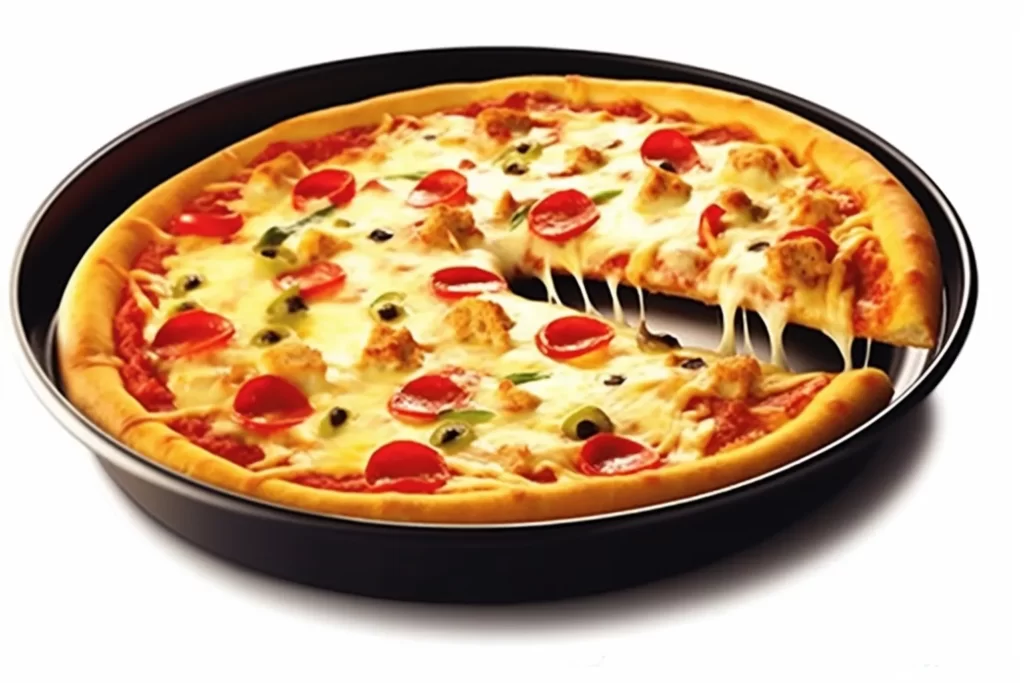
Thick pans take longer to heat but keep heat steady. This means the pizza cooks slowly and evenly. Thin pans heat fast but lose heat quickly. This can cause uneven cooking and hot spots. A thick pan gives a crunchier crust by maintaining heat during baking. Thin pans may result in softer crusts or burnt spots.
Credit: bonraybakeware.com
Crust Texture And Pan Thickness
The texture of a pizza crust changes with the thickness of the pan used to bake it. Pan thickness plays a key role in how heat transfers to the dough. This affects the crust’s final feel and taste. Understanding this link helps in making the perfect pizza.
Creating Crispy Edges
Thicker pans hold heat longer and distribute it evenly. This helps to form a crispy outer crust. The heat from a thick pan crisps up the dough edges quickly. This creates a nice crunch without burning. Thin pans heat fast but can cause uneven cooking. They may leave the edges soft or undercooked.
Softness In Thick Crusts
Thick pans allow the dough to cook slowly inside. This keeps the inner crust soft and fluffy. The heat does not rush through the dough, so it stays moist. This is ideal for those who enjoy a chewy, tender base. Thin pans often dry out the dough quickly. This results in a crust that is too hard or brittle.
Dough Thickness And Pan Choice
Choosing the right dough thickness and pan affects pizza quality. Dough thickness changes the texture and bite of the crust. Pan choice influences how heat reaches the dough and how it cooks. Both factors work together to create your ideal pizza.
Understanding the balance between dough and pan helps you bake better pizzas. Different pans suit different dough weights and thicknesses. This section explains how dough thickness and pan size shape your pizza outcome.
Balancing Dough Weight And Pan Size
The weight of your dough must match the pan size. Too much dough in a small pan makes the crust thick and doughy. Too little dough in a large pan creates a thin, crispy crust. A good balance avoids undercooked or burnt edges.
Pan depth also matters. Deeper pans hold thicker dough better. Shallow pans work well for thinner dough. Matching dough weight with pan size creates even cooking and a perfect crust texture.
Impact On Baking Time
Dough thickness affects how long pizza needs to bake. Thicker dough takes more time to cook through. Thin dough bakes faster and crisps up quickly. Pan thickness influences heat transfer to the dough.
Thicker pans absorb and hold heat longer, slowing baking. Thin pans heat dough faster but may cause uneven cooking. Adjust baking time based on dough and pan thickness for best results.
Pan Types Affecting Pizza Style
The type of pan used plays a key role in shaping pizza style. Different pans change how heat reaches the dough. This affects crust texture, color, and taste. Choosing the right pan helps create your favorite pizza style. Below, we explore common pan types and how oil affects crust.
Cast Iron Vs Steel Vs Stone
Cast iron pans hold heat well. They give a crispy crust and even cooking. Steel pans heat up faster and stay hotter. This leads to a very crisp bottom crust. Stone pans absorb moisture from dough. They create a chewy, slightly crispy crust. Stone also spreads heat slowly. Each pan type suits different pizza styles.
Oil Use For Fried Crust Effects
Adding oil to the pan can fry the dough’s bottom. This creates a golden, crunchy crust edge. Oil also helps prevent sticking. More oil means a richer, slightly greasy crust. Less oil keeps the crust lighter and airier. Oil choice impacts flavor and how the crust cooks. Experimenting with oil helps customize pizza texture.
Authentic Styles And Pan Preferences
Different pizza styles use different pan thicknesses to create distinct crust textures. Traditional recipes and baking tools shape the final pizza experience. Knowing these authentic styles helps you choose the right pan for your pizza at home.
Thin Italian Pizza And Pans
Italian pizza often features a thin crust that cooks quickly. Bakers use thin pans or bake directly on stone surfaces. This method creates a crisp, light base with slight charring. The thin crust allows toppings to shine without overpowering the flavor. Italian pans are usually shallow to prevent dough from rising too much. This style focuses on simplicity and balance in taste.
American Thick Crust Traditions
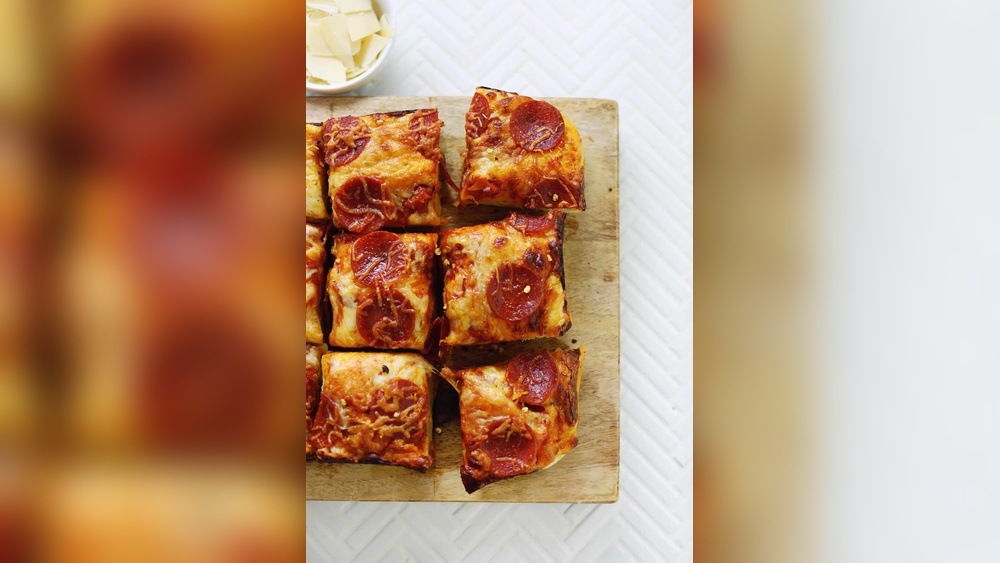
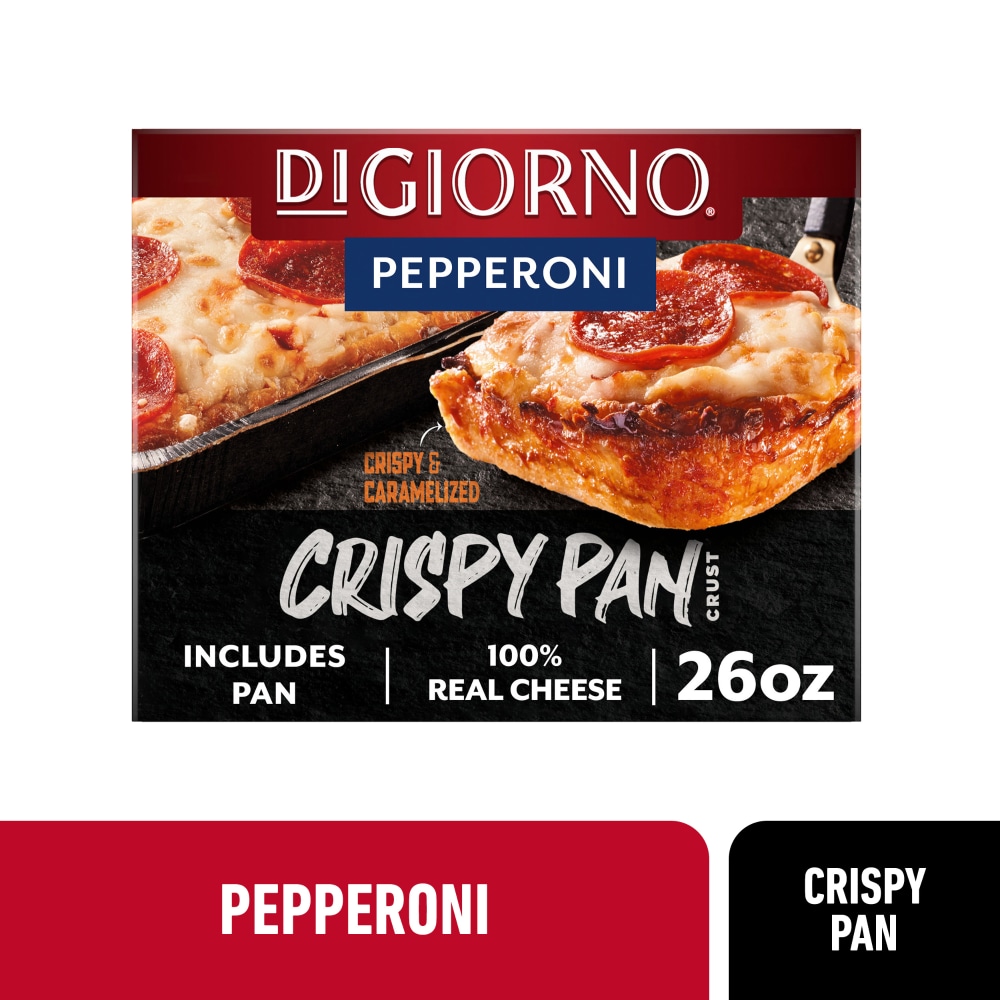
American pizza styles like Detroit or Chicago deep-dish use thick pans. These pans have tall sides to hold more dough and toppings. The thick crust bakes slowly, becoming soft inside and crispy outside. Heavy pans distribute heat evenly, helping the dough rise and cook through. Thick crust pizzas often feel more filling and hearty. This style celebrates richness and bold flavors in every bite.
Credit: www.kroger.com
Practical Tips For Pan Pizza
Making pan pizza requires attention to details beyond just dough and toppings. The thickness of the pan plays a key role. It influences how the crust cooks and tastes. Understanding pan thickness helps create better pan pizzas at home. Here are practical tips to guide you.
Choosing The Right Pan Thickness
Thin pans heat quickly. They give a crispier crust and cook faster. Thicker pans hold heat longer. This results in a softer, chewier crust inside. Choose a pan thickness based on your crust preference. For a golden, crunchy base, pick a thinner pan. For a soft, fluffy crust, a thicker pan works well. Consider the pan material too. Cast iron pans are thick and keep heat evenly. Aluminum pans are lighter and heat fast but may cook unevenly.
Managing Toppings And Cooking Control
Thicker pans can handle heavier toppings without sogginess. They distribute heat evenly, preventing undercooked dough. Thin pans need lighter toppings to avoid burning the crust. Spread sauce and cheese evenly to cook well. Watch cooking times closely. Thicker pans often need longer in the oven. Use an oven thermometer to maintain steady heat. Rotate the pan during baking for uniform cooking. Adjust toppings and cooking time based on your pan thickness. This control ensures a tasty, well-cooked pan pizza every time.
Frequently Asked Questions
What Is The Ideal Thickness For Pizza?
The ideal pizza thickness is about ¼ to ½ inch. It balances crispiness and softness, allowing easy folding without breaking.
What Is The 55 Rule For Pizza Dough?
The 55 rule for pizza dough means using 55% hydration—55 grams of water per 100 grams of flour. It creates a soft, elastic dough.
Should Pizza Be Thin Or Thick?
Pizza crust thickness depends on preference. Thin crust offers crispiness, while thick crust provides a soft, chewy texture. Choose based on your taste.
Is Authentic Italian Pizza Thin Or Thick?
Authentic Italian pizza typically has a thin crust. It’s soft, slightly chewy, and cooked quickly at high heat for a light texture.
Conclusion
Pan thickness clearly changes how pizza cooks and tastes. Thicker pans hold heat longer, making crusts softer and chewier. Thinner pans heat quickly, creating a crispier base. Choosing the right pan depends on your crust preference. Experimenting with different thicknesses helps find your perfect pizza style.
Remember, pan thickness is just one factor in pizza making. Dough recipe, oven temperature, and toppings also play big roles. Enjoy trying out pans to see how thickness affects your pizza experience. Simple changes can bring tasty results every time.

As the author of the “Ultimate Pizza Guide: Recipes, Tips & Secrets Revealed,” I’m dedicated to sharing my love for pizza and empowering others to create delicious homemade pizzas with ease. Join me on a journey to uncover the secrets to perfecting your pizza game!