When you love making pizza at home, your pizza pan becomes one of your best kitchen tools. But have you ever stopped to think about how to keep it safe and in great shape?
Taking good care of your pizza pan isn’t just about cleanliness—it’s about making every pizza taste better and ensuring your pan lasts for years. You’ll discover simple and effective tips to maintain your pizza pan, avoid common mistakes, and keep it safe to use.
Whether you want a perfectly crispy crust or to prevent your dough from sticking, these easy steps will help you master your pizza-making game. Keep reading to unlock the secrets to pizza pan safety and maintenance that every home cook should know!
Choosing Safe Pizza Pans
Choosing the right pizza pan is key to safe cooking and lasting use. The material affects heat distribution, ease of cleaning, and potential health risks. Some pans may release harmful chemicals or rust quickly. Others offer durability and even cooking. This section explains which materials to avoid and highlights safe options like stainless steel, cast iron, and ceramic.
Materials To Avoid
Avoid pans made from cheap aluminum or non-stick coatings with questionable chemicals. These can release toxins when overheated. Some pans peel or scratch easily, contaminating food. Avoid pans that rust quickly or have poor heat conduction. Cheap materials may warp under high temperatures, causing uneven cooking and safety hazards.
Benefits Of Stainless Steel
Stainless steel pans are durable and safe for cooking. They do not rust or react with acidic toppings. These pans heat evenly, preventing hot spots. Stainless steel is easy to clean and resists scratches. It does not leach harmful chemicals into food. This makes stainless steel a healthy, long-lasting choice for pizza pans.
Cast Iron And Ceramic Options
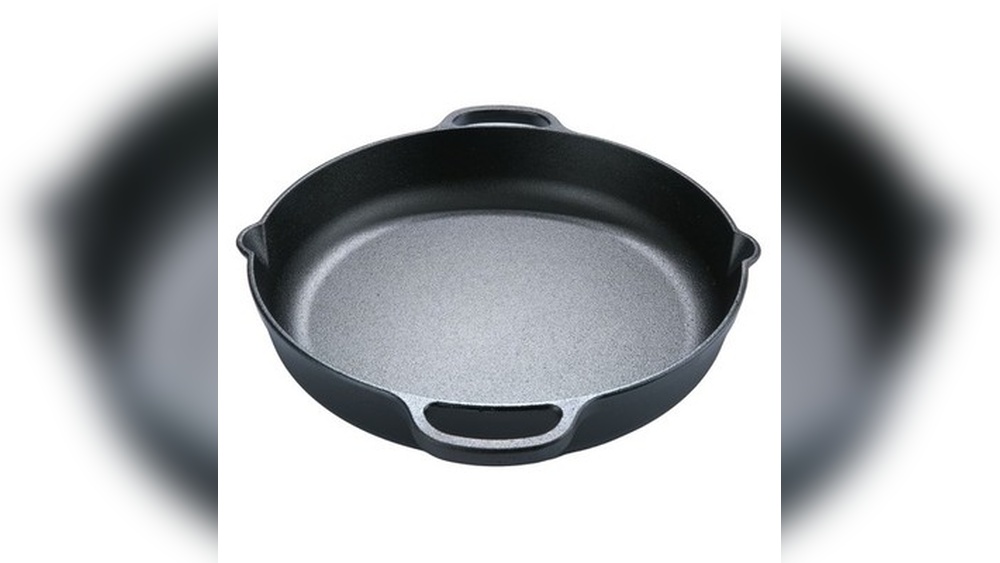
Cast iron pans provide excellent heat retention and a crispy crust. They need seasoning to prevent rust and sticking. Proper care can make them last for decades. Ceramic pans offer a non-toxic, non-stick surface without chemicals. They distribute heat evenly but can chip if dropped. Both options are safe and add unique qualities to your pizza baking.

Credit: www.amazon.com
Seasoning And Greasing
Seasoning and greasing your pizza pan are key steps to keep it safe and in top shape. Seasoning builds a natural, non-stick surface that protects the pan from rust. Greasing adds a thin layer of fat that helps the pizza cook evenly and prevents sticking. Both methods improve the crust’s texture and flavor while extending your pan’s life.
When To Grease Your Pan
Grease your pizza pan before every use to stop dough from sticking. Thick, deep-dish pizzas especially need a good coating of oil. Thin crust pizzas may need less grease or none if your pan is well seasoned. Avoid greasing if your pan has a non-stick surface, but a light oil layer can still help crisp the crust.
Types Of Grease To Use
Use oils with a high smoke point like vegetable oil or canola oil for best results. Olive oil adds flavor but burns faster, so use it carefully. Butter or bacon grease can add richness but may burn if heated too high. Avoid heavy fats that can leave residue or smoke excessively in the oven.
Greasing Techniques For Even Cooking
Apply grease evenly using a brush or paper towel. Spread a thin, uniform layer across the entire pan surface, including edges. Too much oil can cause sogginess or smoke. Rotate the pan during baking to promote even heat distribution. Proper greasing ensures a crispy crust and easy pizza removal.
Cleaning Methods
Proper cleaning methods keep your pizza pan safe and extend its life. Dirt and grease can build up fast. Regular care stops damage and keeps your pan ready for use. Follow these simple tips for best results.
Avoiding Harsh Cleaners
Harsh cleaners can ruin your pizza pan’s surface. Avoid bleach, oven cleaners, or strong chemicals. These products may cause rust or remove non-stick coatings. Use mild dish soap instead. It cleans well without damage.
Removing Stuck-on Food
Stuck food is common after baking. Soak the pan in warm, soapy water for 10-15 minutes. Use a soft sponge or brush to scrub gently. For tough spots, try a paste of baking soda and water. Let it sit, then scrub lightly.
Hand Washing Vs Dishwasher
Hand washing is best for pizza pans. It protects the pan’s finish and prevents warping. Dishwashers can be too harsh and shorten the pan’s life. Use warm water and mild soap by hand. Dry the pan thoroughly after washing to avoid rust.

Credit: www.socalfirepits.com
Maintaining Non-stick Surfaces
Maintaining the non-stick surface of your pizza pan is key to its performance and lifespan. A well-kept coating keeps food from sticking and makes cleaning easier. It also prevents damage that can ruin the pan’s usability.
Simple care habits protect the pan’s surface. Avoid harsh treatments and follow safe handling to keep the coating intact. Regular oiling helps maintain the non-stick quality and extends the pan’s life.
Handling Coated Pans Safely
Always use soft utensils like silicone or wood. Metal tools can scratch and damage the coating. Avoid dropping or banging the pan, which can chip the surface. Hand wash the pan with a soft sponge and mild soap. Do not use steel wool or abrasive scrubbers. High heat can also harm the coating, so use medium or low heat settings.
Oiling For Longevity
Apply a thin layer of oil before each use. This helps food release easily and protects the surface. Use oils with a high smoke point like vegetable or canola oil. Avoid using too much oil, which can build up and become sticky. Wipe the pan clean after use and reapply oil before storing. Regular oiling keeps the surface smooth and non-stick.
Avoiding Scratches And Damage
Do not cut or slice food directly on the pan. Use a cutting board instead. Store the pan separately or place a cloth between pans if stacked. Avoid sudden temperature changes, such as placing a hot pan in cold water. Check for any peeling or flaking and replace the pan if needed. Careful use preserves the coating and keeps the pan safe for cooking.
Storage Tips
Proper storage of your pizza pan extends its life and keeps it safe. Good storage stops damage and makes the pan ready for use every time. Follow these tips to keep your pizza pan in top shape.
Preventing Rust And Corrosion
Keep the pizza pan dry before storing it. Moisture causes rust and weakens the metal. Use a clean cloth to wipe off any water or food bits. Store the pan in a dry place away from humidity. Avoid stacking pans while still wet or oily. Check pans regularly for any signs of rust. Treat rust spots quickly to stop spread and damage.
Proper Stacking Practices
Stack pizza pans carefully to avoid scratches and dents. Place a soft cloth or paper towel between pans. This prevents metal-on-metal contact and protects the surface. Do not stack too many pans high; heavy weight can warp the pans below. Keep stacks stable to prevent tipping. Organize pans by size for easy access and safer storage.
Using Protective Covers
Use protective covers to shield pizza pans from dust and dirt. Covers can be cloth, silicone, or plastic lids made for cookware. Covers also reduce exposure to air, slowing oxidation and rust. Make sure covers fit well to avoid moisture buildup inside. Clean covers regularly to keep the storage area hygienic. Protective covers help keep pans ready for baking anytime.
Troubleshooting Common Issues
Troubleshooting common issues with pizza pans helps keep them safe and effective. Regular use can cause problems like rust, warping, or loss of seasoning. Fixing these issues extends your pan’s life and ensures better pizza every time. Simple steps can solve most problems without needing a replacement.
Dealing With Rust Spots
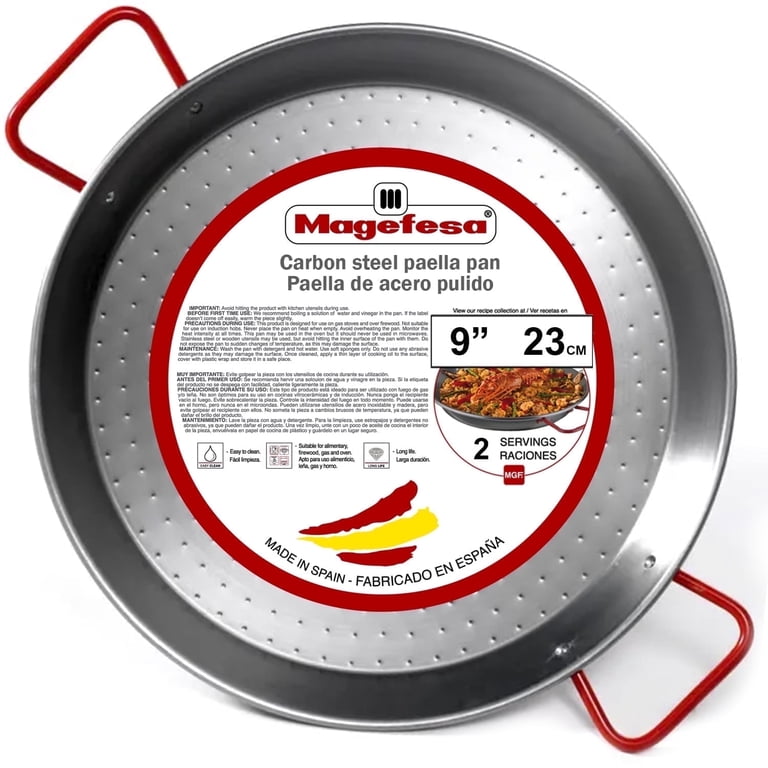
Rust spots appear when moisture sits on the pan too long. Remove rust by scrubbing with a mixture of baking soda and water. Use a soft brush or cloth to avoid scratching the surface. Rinse well and dry completely before storing. Apply a thin layer of oil to protect the pan from future rust.
Fixing Warped Pans
Warped pans cause uneven cooking and can be frustrating. Warm the pan slowly over low heat to help it reshape. Place a heavy, flat object on the pan while it cools to flatten it. Avoid sudden temperature changes that cause warping. If the pan is badly warped, consider replacing it for safety.
Restoring Seasoning On Cast Iron
Seasoning creates a natural non-stick surface on cast iron pans. Clean the pan with hot water and a brush, avoiding soap. Dry it fully, then apply a thin coat of vegetable oil inside and out. Heat the pan upside down in the oven at 350°F for one hour. Let it cool to room temperature before use. Repeat to build a stronger seasoning layer.
Credit: www.walmart.com
Frequently Asked Questions
Should You Oil A Metal Pizza Pan?
Oiling a metal pizza pan helps prevent sticking and promotes a crispy, golden crust. Use a thin, even layer of oil before baking.
Are You Supposed To Wash Pizza Pans?
Yes, wash pizza pans after use with warm water and a sponge or brush. Avoid dishwasher soap and steel wool to protect seasoning. Remove stuck food using a coarse salt and water paste. Dry thoroughly to prevent rust and maintain pan quality.
Does A Pizza Pan Need To Be Greased?
Yes, greasing a pizza pan prevents sticking and creates a crispy, golden crust. Use oil, butter, or shortening evenly on the pan. Non-stick or well-seasoned pans may need less or no grease. Parchment paper can also replace greasing for easy pizza removal.
What Is The Safest Pizza Pan To Use?
The safest pizza pans are made of cast iron, anodized aluminum, or stainless steel. These materials resist warping and toxic coatings. Avoid non-stick pans with harmful chemicals. Season cast iron pans properly to enhance safety and prevent sticking. Always clean pans gently without harsh chemicals.
Conclusion
Proper care keeps your pizza pan safe and lasting longer. Clean it gently using mild soap and warm water. Avoid harsh scrubbers that can damage the surface. Grease the pan lightly to prevent sticking and add flavor. Store your pan in a dry place to stop rust.
Regular maintenance helps you bake perfect pizzas every time. Treat your pizza pan well, and it will serve you faithfully. Simple steps protect your investment and improve cooking results. Safe use and upkeep ensure delicious, crispy pizza crusts always.

As the author of the “Ultimate Pizza Guide: Recipes, Tips & Secrets Revealed,” I’m dedicated to sharing my love for pizza and empowering others to create delicious homemade pizzas with ease. Join me on a journey to uncover the secrets to perfecting your pizza game!