When you’re making pizza at home, the size of your pizza pan isn’t just a detail—it can change everything about your final slice. Have you ever wondered why some pizzas come out perfectly crispy while others turn out soggy or unevenly cooked?
The secret often lies in the pan you choose. Whether you’re aiming for a thin, crunchy crust or a thick, chewy base loaded with toppings, understanding how pan size affects cooking results can transform your pizza game. You’ll discover how different pizza pan sizes impact cooking time, crust texture, and flavor, helping you bake the perfect pizza every time.
Ready to unlock the full potential of your oven and pan? Let’s dive in!
Pizza Pan Sizes
Choosing the right pizza pan size changes how your pizza cooks and tastes. The size controls the crust’s thickness and the baking time. Different pan sizes create various textures and flavors. Understanding these sizes helps you pick the best pan for your pizza style.
Small Pans And Thick Crusts
Small pizza pans are usually 8 to 10 inches wide. They hold less dough, so the crust gets thicker. Thick crusts stay soft inside and cook slower. These pans work well for deep-dish or pan-style pizzas. You get a chewy, doughy bite with a soft center.
Medium Pans For Balanced Texture
Medium pans range from 12 to 14 inches. They offer a good balance between crust thickness and crispiness. The crust is not too thick or thin. These pans suit most pizza types, from classic to veggie-topped pies. The result is a crust crispy on the outside and tender inside.
Large Pans And Thin Crispy Crusts
Large pizza pans measure 16 inches or more. They spread the dough thin over a wide area. Thin crusts cook faster and become crispy all over. Large pans are perfect for thin-crust lovers who enjoy crunch. This size also allows more toppings without making the crust soggy.

Credit: www.walmart.com
Pan Materials
Choosing the right pan material affects how your pizza cooks and tastes. Each material changes heat distribution and crust texture. Some pans heat evenly while others create crispy edges. Understanding these differences helps you pick the best pan for your pizza style.
Aluminum Pans For Even Heat
Aluminum pans heat up quickly and spread heat evenly. This helps the pizza cook uniformly. The crust becomes golden without burning spots. Aluminum pans are lightweight and easy to handle. They work well for thin crust pizzas.
Cast Iron For Crispy Edges
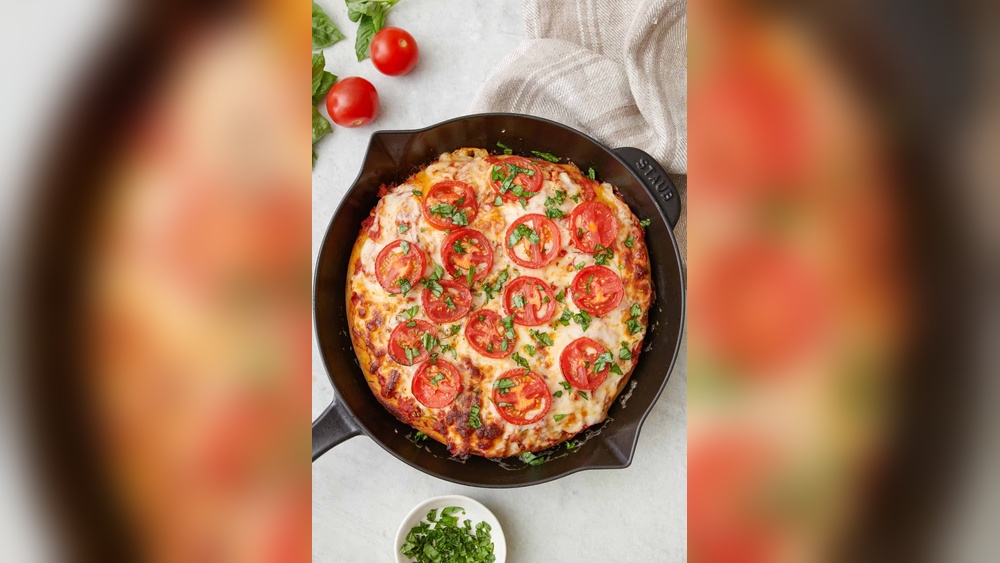
Cast iron pans hold heat for a long time. They create a very crispy crust, especially at the edges. The pan’s weight helps press the dough flat. Cast iron pans need seasoning to keep food from sticking. They are perfect for deep-dish or thick crust pizzas.
Steel Pans And Durability
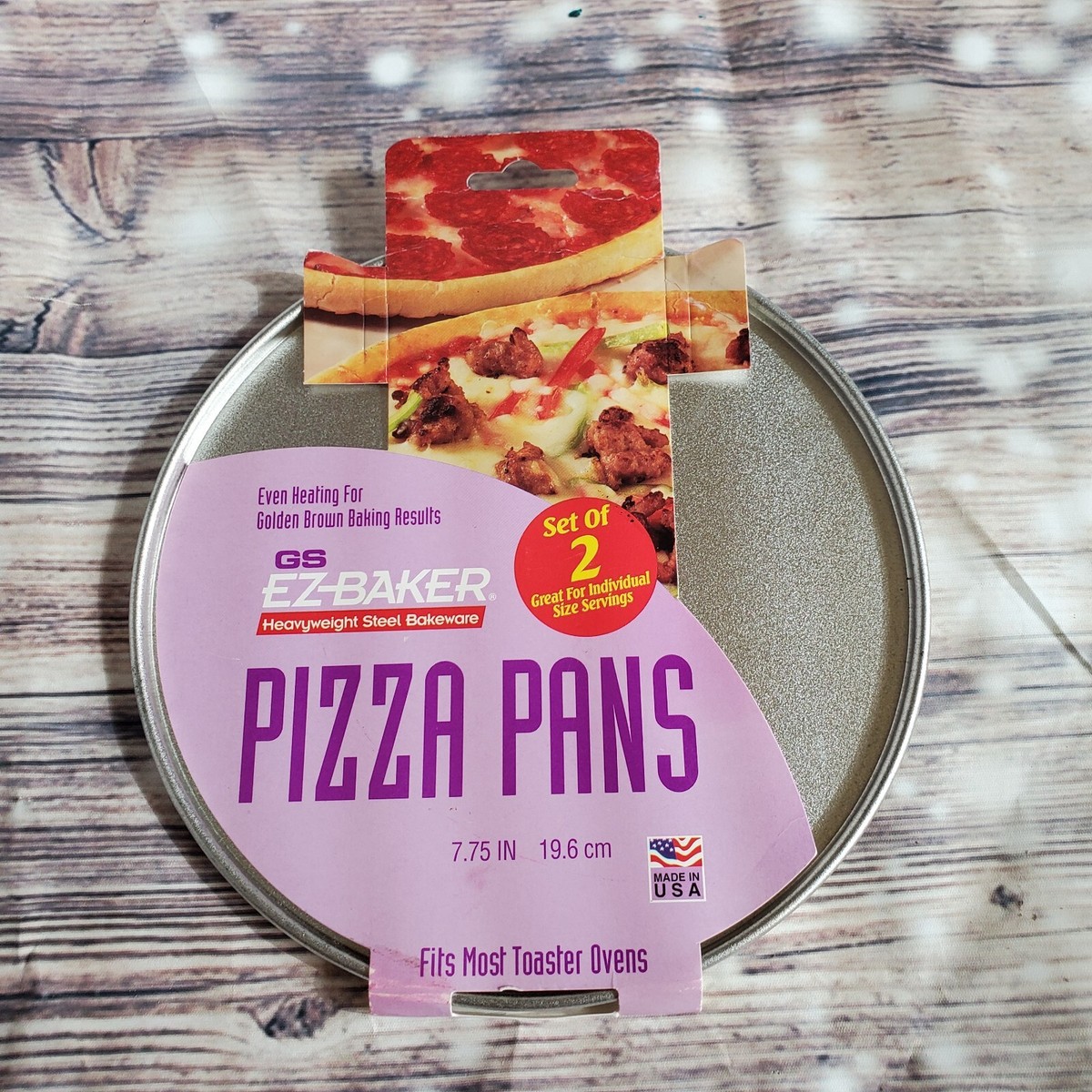
Steel pans are very strong and last for years. They heat fast like aluminum but are more durable. Steel can create a nice crust with a slight crunch. These pans resist warping and can handle high oven temperatures. They are a solid choice for regular pizza bakers.
Non-stick Vs. Traditional Surfaces
Non-stick pans prevent dough from sticking and make cleaning easy. They often have coatings that wear off over time. Traditional pans like cast iron or steel need oil or flour to stop sticking. They may require more care but can improve crust flavor. Choose based on your cooking style and maintenance preference.
Pan Shapes And Styles
Choosing the right pan shape and style changes how your pizza cooks and tastes. Each type affects crust texture, cooking time, and how toppings hold up. Knowing the differences helps you pick a pan that fits your pizza style and oven.
Round Vs. Rectangular Pans
Round pans are the classic choice for traditional pizzas. They cook evenly, allowing heat to flow around the edges well. Rectangular pans, often used for Sicilian or sheet pizzas, create a thicker crust and more surface area for toppings. Rectangular shapes fit better in ovens with limited space.
Deep Dish Vs. Flat Pans
Deep dish pans hold more dough and toppings, creating a thick, soft crust with crispy edges. They require longer cooking times at moderate heat. Flat pans cook faster and produce a thin, crispy crust. Flat pans are ideal if you prefer a crunchy base and light toppings.
Sheet Pans For Party Pizzas
Sheet pans are perfect for making large pizzas for groups. Their size allows you to cut pizza into many slices easily. They work best with thinner crusts that cook quickly and evenly. Sheet pans also help create crispy edges and a uniform bake across the pizza.

Credit: www.ebay.com
Cooking Techniques
Cooking techniques greatly influence the final taste and texture of your pizza. Each pizza pan size requires specific methods to ensure even cooking. Small pans cook faster, while larger pans need more attention to heat distribution. Understanding these techniques helps you achieve a perfect crust and melted cheese every time.
Using the right temperature, preheating the pan properly, and adjusting timing for different pizza types are key. These steps bring out the best flavor and texture from your dough and toppings.
Oven Temperature Tips
Set your oven temperature between 425°F and 475°F for pan pizzas. Higher heat crisps the crust but watch to avoid burning. Lower temperatures cook the pizza slowly, which can make the crust soggy. Adjust based on your oven’s performance and pan size.
Preheating Your Pan
Always preheat the pizza pan before placing dough on it. A hot pan helps create a crispy bottom crust. Place the pan in the oven for at least 10 minutes before cooking. This step is crucial for thick or deep-dish pizzas.
Timing For Homemade Pizzas
Homemade pizzas usually bake within 12 to 18 minutes. Thin crust pizzas cook faster, around 10-12 minutes. Thicker crusts or heavily topped pizzas need more time, about 15-18 minutes. Check the crust color and cheese melt to judge doneness.
Adjusting For Frozen Pizzas
Frozen pizzas often require longer cooking times. Add 5 to 7 minutes to the suggested baking time. Use a lower oven temperature, around 400°F, to cook evenly without burning. Avoid opening the oven frequently to keep the heat steady.
Impact On Crust And Texture
The size of your pizza pan plays a key role in the crust and texture of your pizza. Different pan sizes change how heat spreads and how the dough cooks. This affects the thickness, crispiness, and crunch you get in each bite. Understanding these effects helps you choose the right pan for your ideal pizza style.
How Size Affects Crust Thickness
Smaller pans usually create thicker crusts. Dough spreads less, so it stays taller and softer inside. Larger pans make the dough thinner and wider. This leads to a crispier base but less doughy texture. Pan size changes how much the dough can rise and how heat moves through it.
Material Influence On Crispiness
Metal pans heat up fast and give a crispy crust. Cast iron holds heat longer and cooks evenly. This creates a crunchy outside with a tender inside. Nonstick pans may not crisp the crust as well. The pan’s material affects how heat transfers to the dough and its final texture.
Shape And Edge Crunchiness
Round pans offer even cooking and uniform crust edges. Square or rectangular pans create more edge surface for extra crunch. Deep-dish pans give thick, soft crusts with crispy edges. Shallow pans make the crust more uniform in texture. The pan’s shape changes how the crust cooks at the edges and center.
Specialty Pans
Specialty pizza pans bring unique shapes and textures to your homemade pizzas. Each pan style changes cooking time and crust crispiness. Choosing the right pan can improve your pizza experience. Specialty pans often come with distinct sizes and materials designed for specific pizza styles.
Detroit Style Pizza Pans
Detroit style pans are deep and rectangular. They usually measure about 10 by 14 inches. The pan’s depth allows thick dough and heavy toppings. The steel material creates a crispy, caramelized crust on the edges. Cooking in these pans requires longer baking times. The result is a soft, chewy center with crunchy edges.
Sicilian Pan Size And Dough
Sicilian pans are large and square, often 12 by 17 inches. They hold a thick, airy dough that rises well. The dough stays soft inside but crisps on the bottom. These pans are usually made of aluminum or steel. They heat evenly, giving a golden, crunchy crust. Sicilian pizzas work well with a high hydration dough.
Cast Iron Lodge Pizza Pans
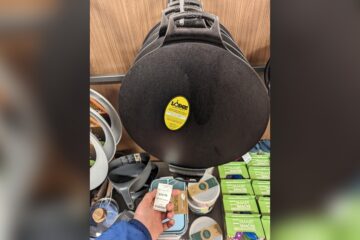
Lodge cast iron pans offer excellent heat retention. They come in various sizes, commonly 10 to 14 inches. Cast iron creates a perfectly crispy crust by holding steady heat. These pans need seasoning for non-stick cooking. They are durable and ideal for stove-to-oven use. The heavy material also helps brown toppings evenly.
Choosing The Right Pan
Choosing the right pizza pan shapes the taste and texture of your pizza. The pan size and type influence how heat spreads through the dough. This affects the crust’s crispiness and the toppings’ cooking speed. Picking the correct pan ensures you get the pizza style you want. It also helps avoid soggy or burnt spots.
Matching Pan To Pizza Style
Thin-crust pizzas need a flat, lightweight pan. This lets heat reach the dough evenly. Deep-dish or pan pizzas need a thicker, deeper pan. It holds more dough and toppings. Cast iron pans offer great heat retention for crispy edges. Non-stick pans help with easy pizza removal. Consider the style before choosing the pan.
Considerations For Toppings
Heavy toppings require a sturdy pan to support the weight. Thicker pans keep toppings warm longer during baking. Light toppings cook faster and work well with thinner pans. Avoid pans that are too shallow for many toppings. Choose a pan that balances heat and space for toppings.
Budget And Maintenance Factors
Steel pans are affordable and easy to clean. Cast iron pans cost more but last long and improve with seasoning. Non-stick pans need gentle care to avoid scratches. Decide your budget before buying. Maintenance effort varies by pan material and finish. Pick a pan you can keep clean with ease.
Credit: www.ebay.com
Frequently Asked Questions
How Long To Cook Homemade Pizza On A Pizza Pan?
Cook homemade pizza on a pizza pan at 450°F (232°C) for 12-15 minutes. Check crust for golden brown edges.
Is A 12 Inch Pizza Large Or Medium?
A 12-inch pizza is generally considered medium size. Large pizzas typically start at 14 inches or more.
Should Pizza Be At 375 Or 400?
Bake pizza at 400°F for a crispier crust and faster cooking. Use 375°F for a softer, evenly cooked pizza. Choose based on desired texture and recipe.
What’s The Best Pan To Cook Pizza On?
The best pan for cooking pizza is a cast iron or heavy-duty aluminum pan. It ensures even heat distribution and a crispy crust. Choose a flat pan for thin crust or a deep pan for thick, soft interiors with crunchy edges.
Conclusion
Choosing the right pizza pan size changes your pizza’s texture and taste. Larger pans make thinner, crispier crusts. Smaller pans create thicker, chewier crusts. Deep pans hold more toppings and give a soft, fluffy inside with crunchy edges. Flat pans help cook the pizza evenly and make the crust crisp.
Think about your favorite pizza style before picking a pan. Experiment with sizes to find what you enjoy most. The pan size truly affects cooking results and pizza quality. Enjoy making pizzas that suit your taste perfectly.

As the author of the “Ultimate Pizza Guide: Recipes, Tips & Secrets Revealed,” I’m dedicated to sharing my love for pizza and empowering others to create delicious homemade pizzas with ease. Join me on a journey to uncover the secrets to perfecting your pizza game!