“Best Pizza Pan for Crispy Crust?”
If you love homemade pizza, you know that the crust can make or break the whole experience. Imagine biting into a perfectly crispy, golden crust that holds your favorite toppings without getting soggy.
The secret lies not just in the dough but in the pan you use. Choosing the best pizza pan for a crispy crust can transform your pizza nights from good to unforgettable. You’ll discover how the right pan helps you achieve that ideal crunch every time.
Ready to take your pizza game up a notch? Keep reading to find the perfect pizza pan that turns your oven into a pizzeria.
Choosing The Right Pan
Choosing the right pizza pan is key to achieving a crispy crust every time. The pan affects heat distribution, moisture control, and overall texture. Picking a pan that matches your oven and cooking style improves your pizza’s crunch and flavor.
Material Matters
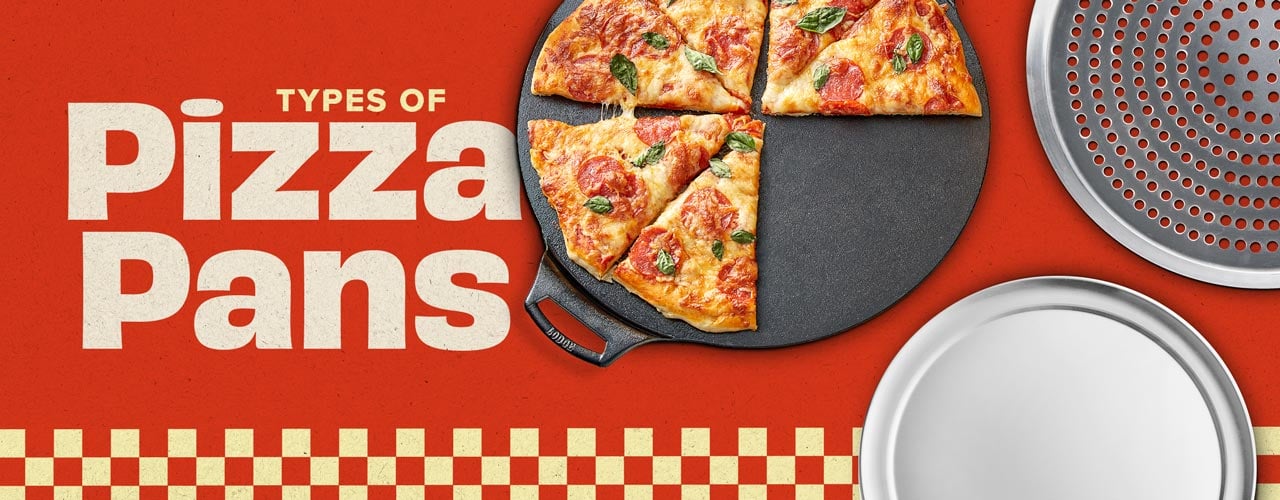
Pizza pans come in various materials like aluminum, steel, cast iron, and ceramic. Each material heats differently. Steel and cast iron hold heat well and create a crispy crust faster. Aluminum heats quickly but may not keep heat as long. Ceramic pans can be slow to heat and may not crisp as much. Choose a material that suits your baking routine and oven type.
Pan Size And Shape
The size and shape of your pan affect cooking time and crust texture. Larger pans spread heat thinner, which may take longer to crisp. Smaller pans concentrate heat for a crunchier base. Round pans are traditional, but square or rectangular pans work well for thicker or Detroit-style pizzas. Match your pan size to your dough size and oven space.
Nonstick Vs. Traditional
Nonstick pans help release pizza easily and reduce the need for oil. They clean up quickly but may wear out over time. Traditional pans, like cast iron or steel, need seasoning or oil to prevent sticking. These pans often deliver better heat retention and a superior crust. Consider how much maintenance you want when choosing between nonstick and traditional pans.
Credit: www.webstaurantstore.com
Key Features For Crispiness
A crispy pizza crust depends on more than just the dough recipe. The pizza pan plays a key role in achieving that perfect crunch. Certain features in a pan help heat the dough evenly and draw out moisture quickly. This section breaks down the most important pan qualities that create a crispy crust every time.
Heat Retention And Distribution
A good pizza pan holds heat well to keep the crust hot during baking. Even heat distribution prevents hot or cold spots that cause uneven cooking. Materials like cast iron and carbon steel excel at spreading heat evenly. This steady heat helps the crust cook through and crisp up nicely.
Surface Texture And Coating
The pan’s surface texture affects how the pizza dough bakes. A smooth surface can create a uniform crust, but slight roughness helps crispiness by allowing moisture to escape. Non-stick coatings help release the pizza easily without affecting browning. Some pans have perforations to increase airflow and moisture evaporation.
Edge Design And Depth
Shallow pans with low edges allow heat to reach the crust fully. Deep pans can trap steam, making the crust soggy. Rounded edges guide the dough’s shape while promoting even cooking along the sides. The right pan depth supports a thin, crispy base without overcooking the toppings.
Top Pizza Pans Reviewed
Choosing the right pizza pan is key for a crispy crust. Different materials affect heat distribution and crust texture. Below are the top pizza pans reviewed for making crispy crusts at home.
Each type has unique benefits. Cast iron, carbon steel, and aluminum pans each bring something special to your pizza baking.
Cast Iron Pans
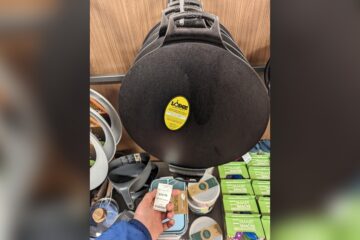
Cast iron pans hold heat very well. They create a strong, even heat that crisps the crust beautifully. Their weight helps maintain steady oven temperature. These pans need seasoning to avoid rust and stickiness. Cast iron is durable and lasts for years. It gives pizza a slightly smoky flavor that many enjoy. Cleaning requires care but is simple with proper seasoning.
Carbon Steel Options
Carbon steel heats quickly and evenly. It is lighter than cast iron, making it easier to handle. This pan type develops a natural nonstick surface after use. Carbon steel pans produce a crispy, golden crust fast. They respond well to high oven temperatures. Like cast iron, these pans need seasoning to stay nonstick. They are great for thin crust pizzas and fast baking.
Aluminum And Nonstick Pans
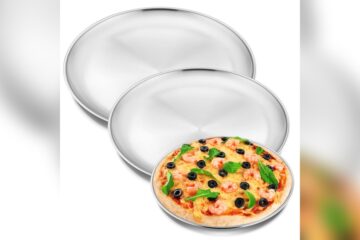
Aluminum pans heat up quickly and offer good heat conduction. They are lightweight and often come with a nonstick coating. Nonstick pans make cleaning easy and prevent dough from sticking. Aluminum pans usually bake a softer crust compared to cast iron or carbon steel. They work well for home ovens and everyday use. Some models feature perforations to improve crust crispiness by letting moisture escape.
Tips For Crispy Crust
Achieving a crispy pizza crust depends on more than just the pan you use. Proper preparation and baking methods play a big role. Follow these simple tips to get a crust that is crunchy and delicious every time.
Dough Preparation Tricks
Roll or stretch your dough thin to avoid a thick, doughy crust. Use less water in your dough to reduce moisture and help it crisp faster. Adding a small amount of olive oil to the dough encourages browning and adds flavor. Dust your peel or pan with semolina flour to prevent sticking and give extra crunch. These small changes in the dough make a big difference in the final crust texture.
Preheating Your Pan
Preheat your pizza pan for at least 30 minutes before baking. A hot pan transfers heat quickly to the dough, creating a crispy base. Cast iron and steel pans hold heat well, improving crust crunch. Avoid placing cold dough on a cool pan, which can cause sogginess. Make sure your oven is fully heated to maintain strong, even heat during baking.
Baking Techniques
Place your pizza on the lowest oven rack to get intense heat from below. This helps the crust cook evenly and become crispy. Try par-baking the crust for a few minutes before adding toppings to stop moisture from soaking in. Use high heat settings, usually around 475°F to 500°F, for a quick bake that crisps the crust without drying out the toppings. These techniques work together to produce a perfect crispy crust.
Maintenance And Care
Proper maintenance and care keep your pizza pan in top condition. This ensures a crispy crust every time you bake. Different materials need different care methods. Follow these simple tips to extend the life of your pizza pan.
Cleaning Cast Iron And Steel
Clean cast iron and steel pans right after use. Avoid soap which can remove the seasoning layer. Use hot water and a stiff brush instead. For tough spots, scrub with coarse salt and a little water. Dry the pan immediately to stop rust. Apply a thin coat of oil to keep it seasoned and ready for the next bake.
Avoiding Warping
Warping happens when pans heat too fast or cool too quickly. Heat your pan gradually in the oven. Do not place a hot pan on cold surfaces or in cold water. Let the pan cool down naturally before cleaning. Avoid sudden temperature changes to keep the pan flat and even.
Storage Tips
Store your pizza pan in a dry place to prevent rust. Avoid stacking heavy items on top of it. If you stack pans, place a soft cloth or paper towel between them. This prevents scratches and damage. Keep the pan in a spot with good air flow to avoid moisture build-up.
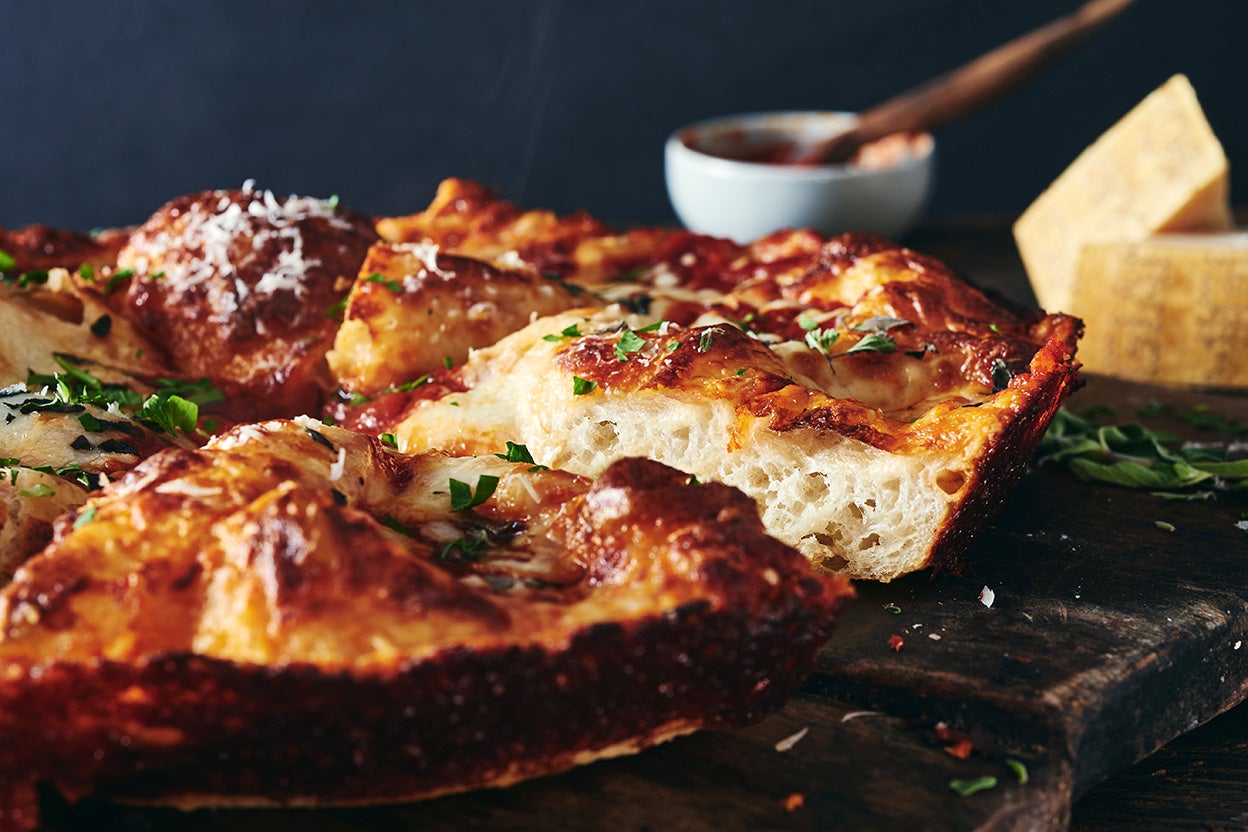
Credit: www.kingarthurbaking.com
Where To Buy
Finding the best pizza pan for a crispy crust is easier with the right shopping spots. Knowing where to buy helps you get quality pans fast. Options range from big retailers to local stores in Austin, Texas. Each place offers different styles and prices. This guide highlights popular retailers, online marketplaces, and local stores for your pizza needs.
Popular Retailers
Big retailers carry a wide selection of pizza pans. Stores like Walmart, Target, and Sur La Table stock many types. Walmart offers budget-friendly options, often under $15. Target features brands like Nordic Ware with quality pans. Sur La Table provides professional-grade pans for serious pizza makers. These stores have physical locations and websites for easy shopping.
Online Marketplaces
Online shopping brings variety and convenience. Amazon and eBay list many pizza pans in all price ranges. You can compare customer reviews and find deals. Brands like Lodge Cast Iron and Crate & Barrel appear often. Online marketplaces offer fast shipping and easy returns. This makes trying new pans risk-free.
Local Stores In Austin, Texas
Austin has specialty kitchen shops with expert advice. Local stores like Central Market and Whole Foods sell cooking tools. Some smaller kitchen boutiques also carry pizza pans. Visiting local stores lets you feel the pan’s weight and size. Staff can help you pick pans suited for crispy crust baking. Supporting local shops benefits the Austin community.

Credit: antoniosbanquet.com
Frequently Asked Questions
What Is The Secret To A Crispy Pizza Crust?
The secret to a crispy pizza crust is baking a thin, low-moisture dough on a preheated stone or steel at high heat. Adding a bit of oil and baking on the lowest oven rack enhances crunch by evaporating moisture quickly.
How To Crisp Pizza In A Pan?
Heat a non-stick or cast iron pan over medium-high. Place pizza in the pan and cover with a lid. Cook for 4-6 minutes until the crust crisps and cheese melts. Remove lid near the end to crisp the top if needed.
Why Doesn’t My Pizza Crust Get Crispy?
Your pizza crust stays soft if the oven temperature is too low or the baking surface isn’t hot enough. Use a preheated pizza stone or steel and bake on the lowest rack. Keep dough thin, reduce moisture, and add a little oil for better crispiness.
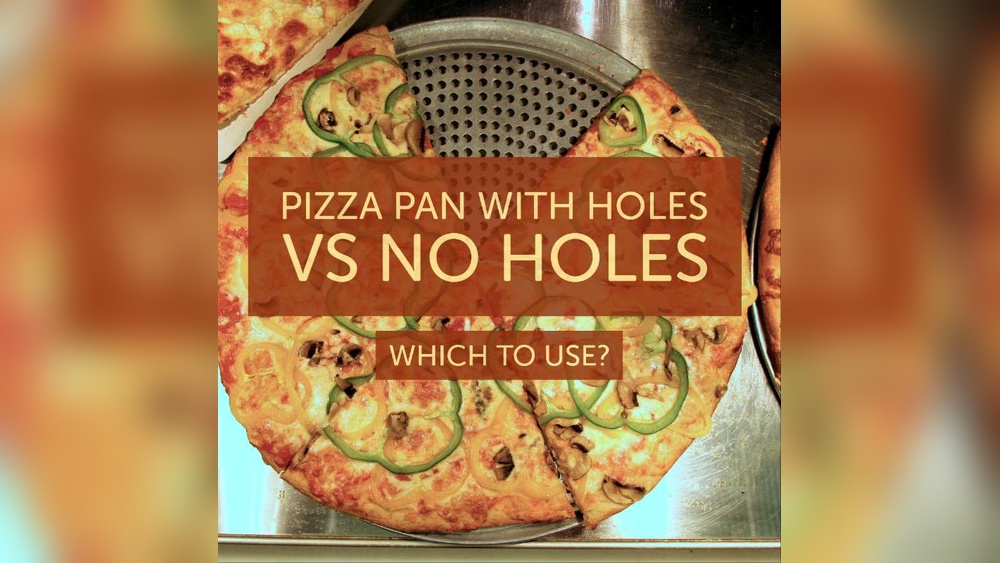
Is It Better To Have A Pizza Pan With Holes Or No Holes?
A pizza pan with holes allows better airflow and moisture escape, creating a crispier crust. Solid pans retain heat evenly but may yield a softer base. Choose based on your preferred crust texture.
Conclusion
Choosing the best pizza pan makes a big difference in crust texture. A good pan heats evenly and stays hot, helping the dough crisp up nicely. Thin dough and proper oven placement also help achieve that perfect crunch. Experiment with different pans to find what suits your oven and taste best.
Enjoy making crispy, homemade pizza with confidence every time.

As the author of the “Ultimate Pizza Guide: Recipes, Tips & Secrets Revealed,” I’m dedicated to sharing my love for pizza and empowering others to create delicious homemade pizzas with ease. Join me on a journey to uncover the secrets to perfecting your pizza game!