“Non-Stick Vs Stainless Pizza Pan”
When it comes to baking the perfect pizza at home, the type of pan you use can make all the difference. You might be wondering: should you go for a non-stick pizza pan that promises easy release and quick cleanup?
Or is a stainless steel pizza pan better for achieving that crispy, golden crust with rich, caramelized flavors? Choosing between non-stick and stainless steel isn’t just about preference—it affects how your pizza cooks, how easy it is to clean up, and how long your pan lasts.
You’ll discover the real strengths and weaknesses of each option, helping you pick the perfect pan for your kitchen and pizza style. Keep reading to make sure your next homemade pizza is nothing short of amazing!
Non-stick Pizza Pans
Non-stick pizza pans offer a smooth surface that prevents dough from sticking. They make baking and serving pizza easier, especially for soft crusts. These pans have a special coating that reduces the need for extra oil or butter. Many home cooks prefer non-stick pans for their convenience and simple cleanup.
Benefits For Delicate Foods
Non-stick pizza pans are gentle on fragile foods. They help prevent toppings and cheese from tearing when you lift the pizza. The smooth coating ensures even cooking without burning delicate ingredients. This makes them perfect for pizzas with soft or thin crusts.
Ease Of Cleaning
Cleaning non-stick pizza pans is quick and simple. Food particles slide off easily without scrubbing. Most of these pans can be washed with mild soap and a soft sponge. This saves time and effort after cooking, especially for busy cooks.
Limitations And Durability
Non-stick coatings can wear out over time. High heat may damage the surface, causing it to lose its non-stick quality. These pans are less durable compared to stainless steel options. Avoid using metal utensils to keep the coating intact longer.
Best Cooking Uses
Non-stick pizza pans work best with low to medium heat. They suit recipes that require gentle cooking. Ideal for soft crust pizzas, flatbreads, and reheating leftovers. They are not recommended for high-heat searing or broiling.

Credit: www.ilcs.org
Stainless Steel Pizza Pans
Stainless steel pizza pans offer a solid choice for baking lovers who want durability and great cooking results. These pans provide even heat and a sturdy build that lasts for years. They handle a range of oven temperatures well, making them versatile for different pizza styles.
Many chefs prefer stainless steel because it helps develop flavors and holds up under frequent use. Though they need a bit more care than non-stick pans, their benefits often outweigh the extra effort.
Durability And Longevity
Stainless steel pans resist dents and scratches. They do not chip or peel like coated pans. These pans can last for decades with proper care. They handle heavy use without losing shape or quality. This makes them a cost-effective choice over time.
High-heat Performance
These pans withstand very high oven temperatures without damage. They heat evenly, avoiding hot spots that burn pizza. This even heating helps create a crispy crust. Stainless steel pans also cool down quickly after baking.
Flavor Development
Stainless steel pans promote browning and caramelization on pizza crusts. This process adds complex flavors and a satisfying texture. The pan’s surface can create fond, which enhances sauces and toppings. This flavor boost is hard to get with non-stick pans.
Cleaning And Maintenance
Cleaning requires a bit more effort than non-stick options. Food may stick if the pan is not properly preheated or oiled. Scrubbing with a soft brush or sponge works best. Avoid steel wool to prevent scratches. Regular cleaning keeps the pan shiny and ready to use.
Ideal Cooking Tasks
Stainless steel pans excel at baking pizzas with thicker crusts. They also work well for roasting vegetables or baking bread. High-heat cooking and searing tasks suit these pans perfectly. They are a reliable choice for home cooks seeking versatility.
Key Differences
The choice between a non-stick and a stainless steel pizza pan depends on several important differences. These differences affect how each pan performs, lasts, and is cared for. Understanding these key differences helps you pick the right pan for your cooking needs.
Durability Comparison
Stainless steel pizza pans are highly durable and resist scratches well. They can last for many years without damage. Non-stick pans have a coating that can wear off with time. The coating is sensitive to metal tools and high heat, which shortens the pan’s life.
Cooking Performance
Stainless steel pans heat evenly and create a crispy crust by browning the dough well. They build fond, which adds flavor when making sauces. Non-stick pans prevent food from sticking, making them perfect for soft or delicate toppings. They do not brown the crust as deeply as stainless steel pans.
Heat Handling
Stainless steel pans handle very high heat without damage, ideal for oven and stovetop use. Non-stick pans should not be used at very high temperatures. High heat can break down the non-stick coating, reducing its effectiveness and safety.
Maintenance Needs
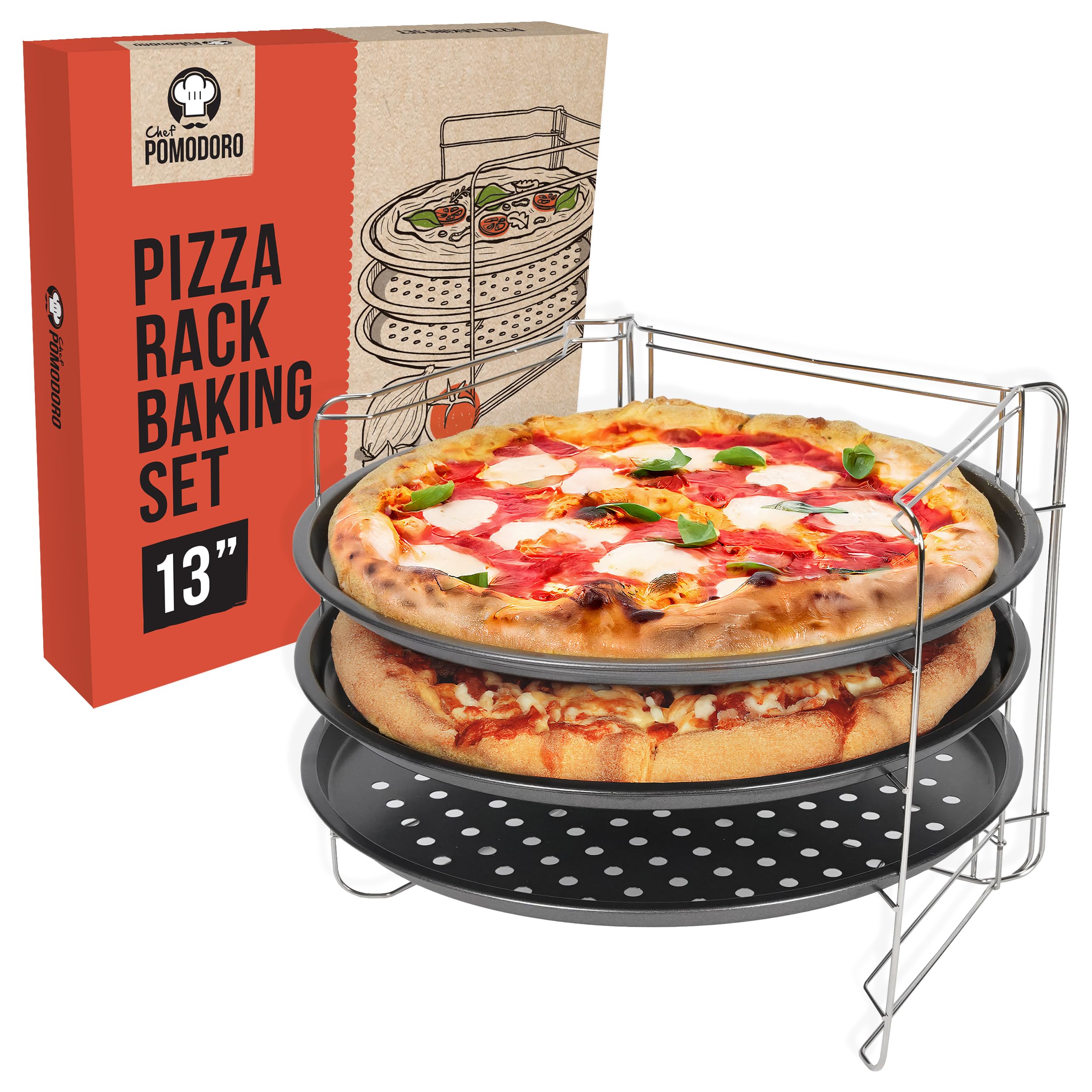
Cleaning stainless steel pans requires a bit more effort to remove stuck-on food. They can be scrubbed with abrasive pads safely. Non-stick pans need gentle cleaning with soft sponges to protect the coating. Avoid dishwasher use for non-stick pans to extend their life.
Credit: www.amazon.com
Health And Safety
Health and safety play a key role when choosing between non-stick and stainless steel pizza pans. Both materials have unique features that affect cooking safety and food health. Understanding these differences helps you pick the right pan for your kitchen.
Chemical Leaching Risks
Non-stick pans often use coatings made from chemicals. Some coatings can release toxins if overheated. These toxins might mix with your food and affect health. Stainless steel pans do not have this risk. They are made from metal that does not leach chemicals. This makes stainless steel safer for high-heat cooking and long-term use.
Heat Safety Considerations
Non-stick pans have a temperature limit. High heat can damage their coating and release harmful fumes. Cooking above 500°F is not safe for most non-stick pans. Stainless steel pans handle much higher heat without damage. They are perfect for searing and baking pizzas at high temperatures. Using the right heat prevents damage and keeps food safe.
Material Safety Overview
Stainless steel is a non-reactive metal. It does not change the taste or color of food. It is also resistant to rust and corrosion. Non-stick pans are coated with synthetic materials. Over time, these coatings can wear off or scratch. Scratched coatings may mix with food and reduce pan safety. Stainless steel pans last longer and maintain safety over many uses.
Choosing The Right Pan
Choosing the right pizza pan affects your baking results. Each type offers unique benefits for different cooking needs. Understanding when to use non-stick or stainless steel helps you pick the best tool.
When To Use Non-stick
Non-stick pans prevent pizza from sticking easily. They require less oil and allow for quick cleanup. Use non-stick pans for soft crusts or delicate toppings. They work best at low to medium heat. Avoid very high temperatures to protect the coating.
When To Use Stainless Steel
Stainless steel pans handle high heat perfectly. They create a crispy crust and even cooking. These pans are great for searing and browning pizza edges. They last for many years with proper care. Preheat the pan well to avoid sticking issues.
Combining Both For Versatility
Having both pan types adds flexibility to your kitchen. Use non-stick for quick, easy cleanups and gentle baking. Switch to stainless steel for high-heat cooking and crispy crusts. This combination covers all pizza styles and baking preferences.

Credit: www.amazon.com
Tips For Best Results
Getting the best results from your pizza pan depends on how you handle it. Both non-stick and stainless steel pans need care to perform well. Simple habits can improve cooking and extend your pan’s life.
Follow these tips to cook better pizza and keep your pans in top shape. Small changes in your routine make a big difference.
Preheating Techniques
Always preheat your pizza pan before adding dough. For stainless steel pans, heat slowly on medium. This prevents sticking and helps even cooking. For non-stick pans, avoid very high heat to protect the coating. Warm the pan for about 3 to 5 minutes. Use an oven or stovetop depending on your recipe.
Proper Cleaning Methods
Clean your pans gently to keep them smooth and safe. Non-stick pans need a soft sponge and mild soap. Avoid metal scrubbers to stop scratches. Stainless steel pans can handle tougher cleaning but soak stubborn bits in warm water first. Dry both pans right after washing to avoid rust or damage.
Avoiding Common Mistakes
Do not use cooking sprays on non-stick pans. They can leave a sticky residue. Avoid sudden temperature changes to prevent warping. Never use metal tools on non-stick surfaces. For stainless steel, don’t skip preheating or use too much oil. These errors cause sticking and damage your pan.
Frequently Asked Questions
Which Is Better Non Stick Or Stainless Steel Pans?
Non-stick pans suit delicate foods and easy cleanup but wear out faster. Stainless steel pans offer durability, high-heat cooking, and flavorful searing. For versatility, use stainless steel for searing and sauces, non-stick for gentle cooking like eggs.
Which Is Healthier, Non-stick Or Stainless Steel?
Stainless steel pans are healthier due to durability and no coating chemicals. Non-stick pans need less oil but may release toxins if overheated.
What Is The Best Pan To Cook Pizza On?
The best pan for cooking pizza is a heavy-duty stainless steel or cast iron pan. They provide even heat and crispy crusts. Non-stick pans suit delicate, low-heat cooking but lack high-heat durability. Choose stainless steel for searing and longevity.
Are Stainless Steel Baking Trays Better Than Non-stick?
Stainless steel trays last longer and handle high heat better than non-stick. They brown food well but need proper preheating. Non-stick trays offer easy cleanup and gentle cooking but wear out faster. Choose stainless steel for durability and versatility, non-stick for delicate foods and convenience.
Conclusion
Choosing between non-stick and stainless steel pizza pans depends on your cooking style. Non-stick pans offer easy cleanup and gentle cooking. Stainless steel pans provide durability and high-heat performance. Both types serve unique purposes in the kitchen. Consider your favorite pizza recipes and cooking habits.
Use non-stick for soft, delicate crusts. Opt for stainless steel when you want a crispy, well-browned base. Having both pans can cover all your pizza baking needs. This balance ensures tasty results every time.

As the author of the “Ultimate Pizza Guide: Recipes, Tips & Secrets Revealed,” I’m dedicated to sharing my love for pizza and empowering others to create delicious homemade pizzas with ease. Join me on a journey to uncover the secrets to perfecting your pizza game!