When it comes to making the perfect homemade pizza, the choice between a pizza pan and a pizza stone can feel overwhelming. You want that crispy, golden crust without compromising your health or convenience.
But which option truly serves your health better? Should you go for the traditional charm of a pizza stone or the quick and easy use of a pizza pan? You’ll discover the key health differences between pizza pans and stones, helping you make an informed choice that suits your lifestyle and taste buds.
Keep reading to find out which tool can help you bake healthier, tastier pizza right in your own kitchen.
Health Risks Of Materials
Choosing between a pizza pan and a pizza stone involves more than just cooking style. The materials used can impact your health. Some materials may release harmful substances when heated. Others are safer and more durable. Understanding these health risks helps you make a better choice for your kitchen.
Common Materials In Pizza Pans
Pizza pans often come in aluminum, steel, or non-stick coated metals. Aluminum heats quickly but can react with acidic foods like tomato sauce. This reaction may affect taste and release small amounts of aluminum. Non-stick pans contain coatings that can release toxic fumes if overheated. Steel pans are durable and less reactive but may rust if not cared for properly.
Composition Of Pizza Stones
Pizza stones are usually made from ceramic, cordierite, or clay. Ceramic stones can crack under sudden temperature changes. Clay stones may absorb moisture, leading to mold if not dried properly. Cordierite stones are more heat resistant and less likely to crack. These materials do not release harmful chemicals, making stones a safer option for health-conscious cooks.
Safety Concerns With Pizza Steel
Pizza steel is made from thick, solid steel slabs. It heats very fast and evenly. Steel does not release harmful chemicals during cooking. However, poor-quality steel may contain impurities or coatings that could pose risks. Always choose food-grade steel without toxic coatings. Steel pans require careful cleaning to avoid rust, which can affect food safety.
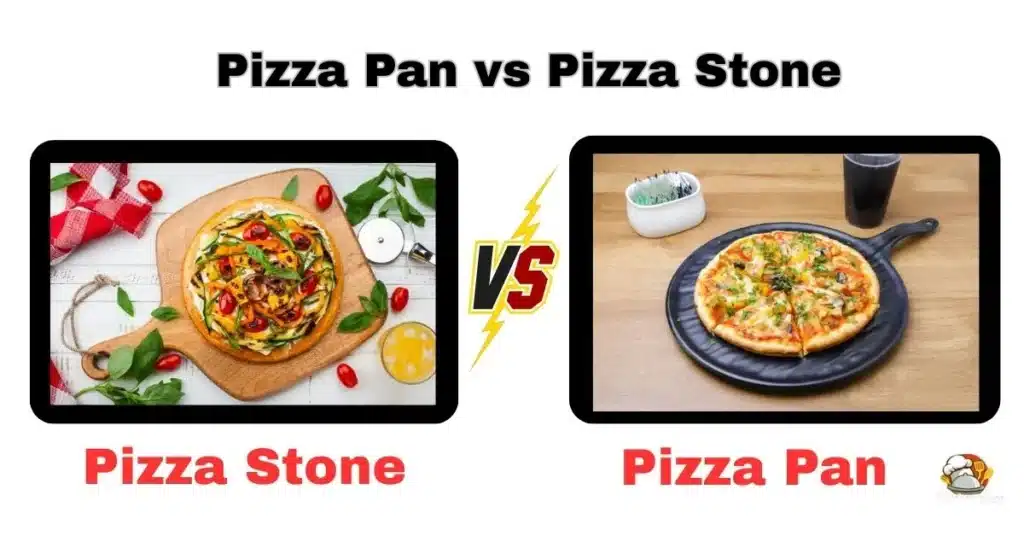
Credit: kitchenpluse.com
Heat Distribution And Cooking Impact
Heat distribution plays a crucial role in pizza cooking. It affects how evenly the pizza bakes and the final texture of the crust. Both pizza stones and pans distribute heat differently. This impacts the cooking time and how the pizza base feels and tastes.
How Stones Radiate Heat
Pizza stones absorb heat slowly but hold it well. They radiate heat evenly across the pizza base. This steady heat helps create a crispy, golden crust. Stones mimic the floor of a traditional pizza oven. They keep the temperature stable during baking. The even heat reduces hot spots and burning risks.
Heat Transfer In Metal Pans
Metal pans heat up quickly and transfer heat directly to the dough. Their heat spreads faster but less evenly than stones. Thin pans can cause uneven cooking with hot spots. Thicker pans offer better heat retention but still cool faster than stones. Metal pans are good for faster cooking and softer crusts.
Effect On Crust Texture And Safety
Stone heat creates a firm, crispy crust with a slightly chewy center. It helps remove moisture from the dough. Pans produce softer, airier crusts that stay moist inside. Stones require preheating to avoid cracking and ensure food safety. Pans do not crack and are easier to clean. Both options are safe if used properly but affect crust texture differently.
Non-toxic And Chemical-free Options
Choosing non-toxic and chemical-free pizza cookware promotes healthier cooking. Both pizza pans and stones come in various materials, but some may contain harmful coatings. Selecting the right option reduces risks and supports safer meals.
Avoiding Harmful Coatings
Many pizza pans have non-stick coatings. These coatings often contain chemicals like PTFE or PFOA. When overheated, they can release toxic fumes. Such fumes may cause health issues. Stone pizza boards usually lack these coatings. They offer a natural surface free from synthetic chemicals. Avoid pans with worn or scratched coatings. These expose food to harmful substances. Choosing cookware without chemical coatings ensures safer cooking.
Natural Materials And Their Benefits
Pizza stones are typically made from ceramic, cordierite, or clay. These natural materials do not release chemicals when heated. They absorb moisture, helping to create a crisp crust. Stones evenly distribute heat, reducing hot spots. Natural materials are durable and eco-friendly. Pizza pans made from stainless steel or cast iron also offer chemical-free options. These metals do not leach toxins. They provide even heating and easy cleaning. Selecting natural materials supports both health and taste.
Choosing Safe Pizza Cookware
Look for pizza pans or stones labeled as food-safe and chemical-free. Avoid pans with bright, non-stick layers or unknown coatings. Consider stone options with no sealants or synthetic finishes. Cast iron pans are safe if properly seasoned. Stainless steel pans are another safe choice. Prioritize durability and ease of cleaning. Proper care extends cookware life and maintains safety. Always follow manufacturer instructions for use and cleaning. Safe cookware helps you enjoy pizza without worry.
Maintenance And Hygiene
Maintaining proper hygiene and care for pizza pans and stones is vital for health and long-term use. Both require different cleaning methods to keep them safe and effective. Regular cleaning prevents food residue and bacteria build-up. Knowing how to care for each tool helps avoid damage and ensures safe cooking.
Cleaning Pizza Stones Safely
Pizza stones absorb moisture and oils, so cleaning needs caution. Avoid using soap, as stones can soak it up and affect flavor. Scrape off stuck food with a plastic scraper or stiff brush. Use warm water only and let the stone dry completely before storing. Never soak a pizza stone or put it in the dishwasher.
Care For Metal Pans
Metal pizza pans are easier to clean than stones. Wash with warm, soapy water after each use. Dry them fully to stop rust from forming. Avoid using metal scrubbers that can scratch the surface. Seasoning pans with a light coat of oil can help keep them non-stick and rust-free.
Preventing Bacterial Growth
Food particles left on pans or stones can cause bacteria to grow. Clean all surfaces thoroughly after cooking. Store pans and stones in a dry place to avoid mold or mildew. Check for cracks in stones as they can trap bacteria inside. Replace any damaged tools to maintain food safety.
Durability And Longevity
Durability and longevity are key factors when choosing between a pizza pan and a pizza stone. Both tools face different challenges over time. Their lifespan can affect how safe and practical they are for regular use. Understanding these aspects helps you pick the best option for your kitchen.
Cracking Risks Of Stones
Pizza stones are made from ceramic or cordierite. These materials can crack if exposed to sudden temperature changes. Dropping a cold stone into a hot oven may cause it to break. Over time, repeated heating and cooling can create small cracks. These cracks may harbor bacteria and be hard to clean. Proper care, like gradual heating, can reduce cracking risks.
Wear And Tear On Pans
Pizza pans are usually made from metal like aluminum or steel. They resist cracking but can bend or warp under high heat. Non-stick coatings on pans can wear off with frequent use. Scratches may also appear from utensils or cleaning. Warped pans may cook unevenly and affect pizza quality. Regular inspection helps maintain their condition.
Long-term Health Considerations
Cracked stones can trap food particles and bacteria, posing health risks. Pans with damaged coatings may release harmful substances into food. Metal pans can react with acidic toppings if the coating is worn. Choosing durable materials reduces these health concerns. Cleaning and replacing damaged tools ensures safer cooking over time.
:max_bytes(150000):strip_icc()/sea-tier-3-baking-steel-pro-nsimpson-276-8be7030598df47478de8635a639b6282.jpeg "Pizza Pan Vs Stone Health Comparison: Which Is Safer to Use? 3")
Credit: www.seriouseats.com
Performance And Safety Balance
Balancing performance and safety is key when choosing between a pizza pan and a stone. Each option offers different benefits for cooking quality and health. Understanding these differences helps you pick the best tool for your needs.
Crispiness Vs. Health Impact
A pizza stone delivers a crisp crust by absorbing and evenly spreading heat. This high heat can create a deliciously crunchy base with less oil needed. Less oil means fewer unhealthy fats in your pizza.
Pizza pans heat faster but often produce a softer crust. They may require more oil or butter to prevent sticking. More fats can add calories and affect heart health. The pan’s material also matters; some non-stick coatings may release harmful chemicals if overheated.
Ease Of Use And Safety
Pizza pans are lighter and easier to handle. They heat quickly and clean up with less effort. These features reduce the risk of burns and accidents in the kitchen. Some pans come with safe, non-toxic coatings that resist scratching.
Pizza stones need longer preheating and careful handling to avoid cracks. They are heavier and can cause injury if dropped. Cleaning a stone requires special care to maintain its condition and avoid bacteria buildup.
Which Option Fits Your Lifestyle
Choose a pizza stone if you enjoy traditional, crispy crusts and have time for preparation. It suits those who value authentic cooking and don’t mind extra care in cleaning.
Pick a pizza pan if you want quick meals with less fuss. It fits busy people or beginners. Pans offer convenience and safer handling for everyday use.
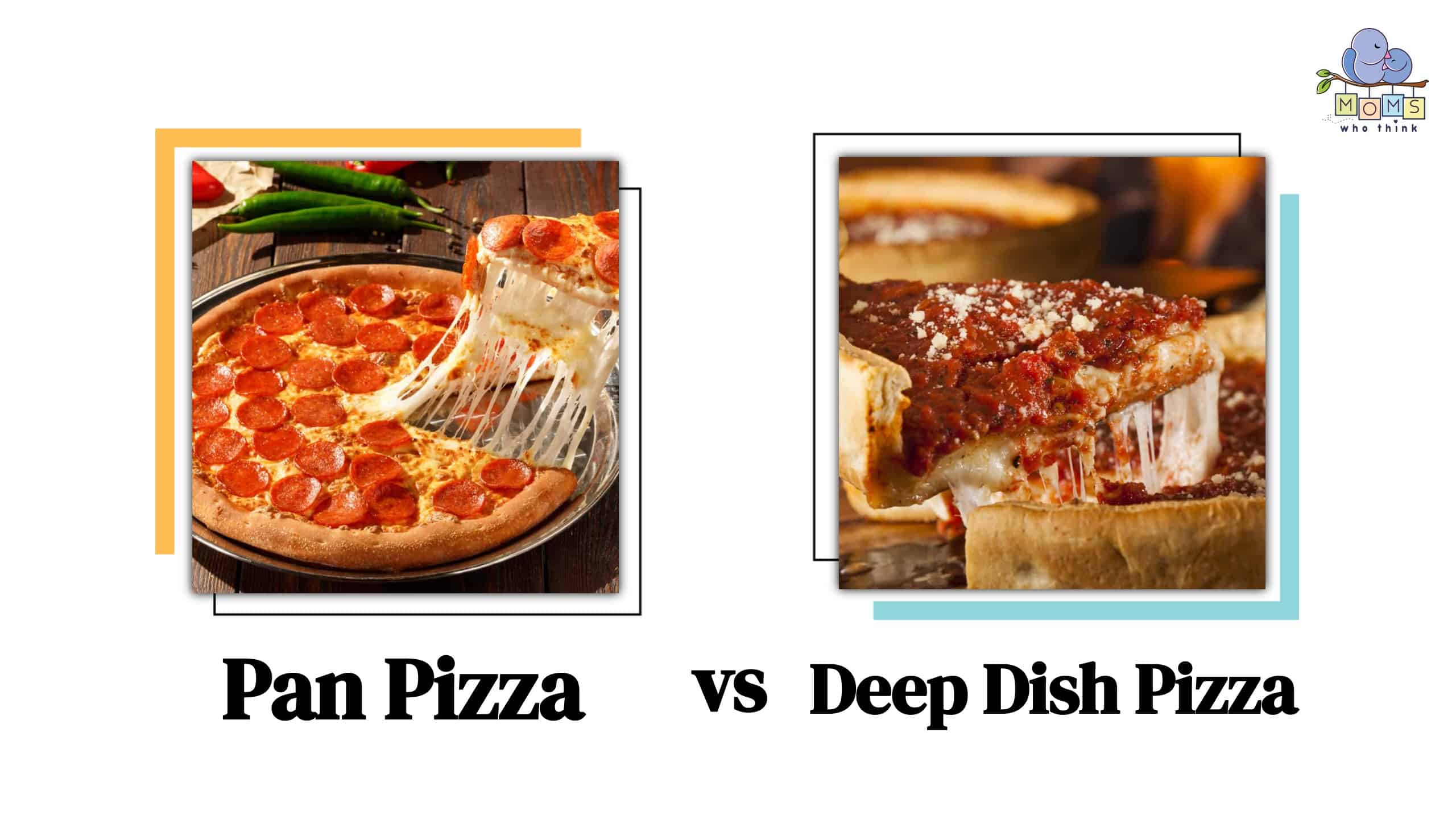
Credit: www.momswhothink.com
Frequently Asked Questions
Is Pizza Stone Better Than Pizza Pan?
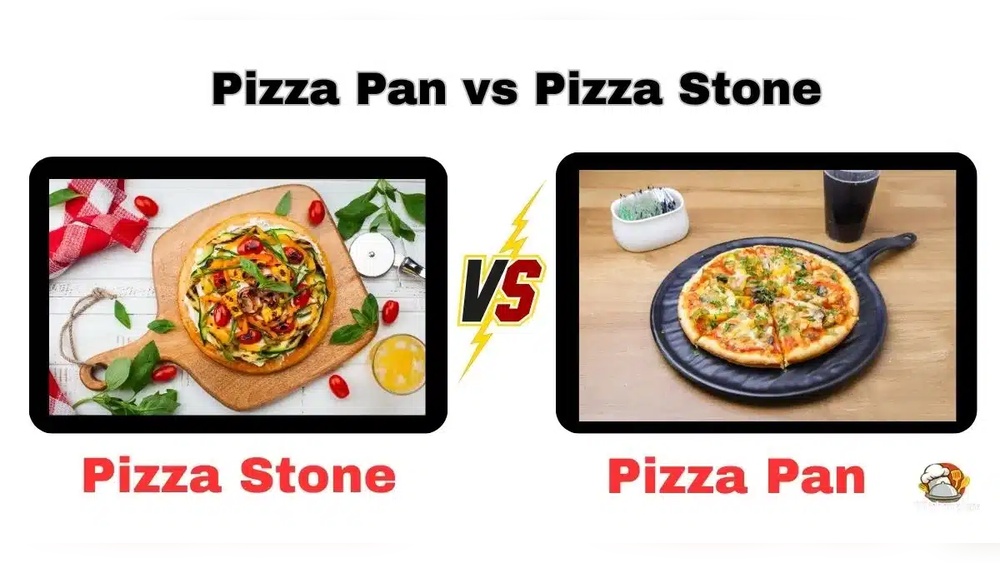
A pizza stone creates a crispier, authentic crust by evenly radiating heat but needs long preheating. A pizza pan heats faster, is easier to use, and suits thicker crusts but yields a softer base. Choose stone for crispness, pan for convenience.
Is Stone Baked Pizza Healthier?
Stone baked pizza often has a crispier crust and less oil absorption, making it a slightly healthier choice. It cooks evenly, reducing burnt spots. Eating in moderation ensures it fits a balanced diet.
What Is The Best Non-toxic Pizza Pan?
The best non-toxic pizza pan is made from uncoated aluminum or stainless steel. These materials avoid harmful chemicals and heat evenly. Choose pans free from PTFE or PFOA coatings for safe, durable, and easy-to-clean pizza baking.
Should I Get A Pizza Steel Or Stone?
Choose a pizza steel for faster, intense heat and crispier crust. Pick a pizza stone for traditional, even heat and a classic crust. Use a pizza pan for convenience, quicker heating, and softer crusts. Steel costs more; stone needs longer preheating.
Conclusion
Choosing between a pizza pan and a stone depends on your priorities. A stone offers a crispier crust and retains heat well but needs time to preheat and careful handling. A pan heats quickly, is easy to clean, and suits thicker or deep-dish pizzas, though it gives a softer crust.
For the best crisp, a baking steel works great but costs more. Think about your cooking style, time, and budget to pick the right tool for your pizza needs. Enjoy making delicious pizza your way!

As the author of the “Ultimate Pizza Guide: Recipes, Tips & Secrets Revealed,” I’m dedicated to sharing my love for pizza and empowering others to create delicious homemade pizzas with ease. Join me on a journey to uncover the secrets to perfecting your pizza game!