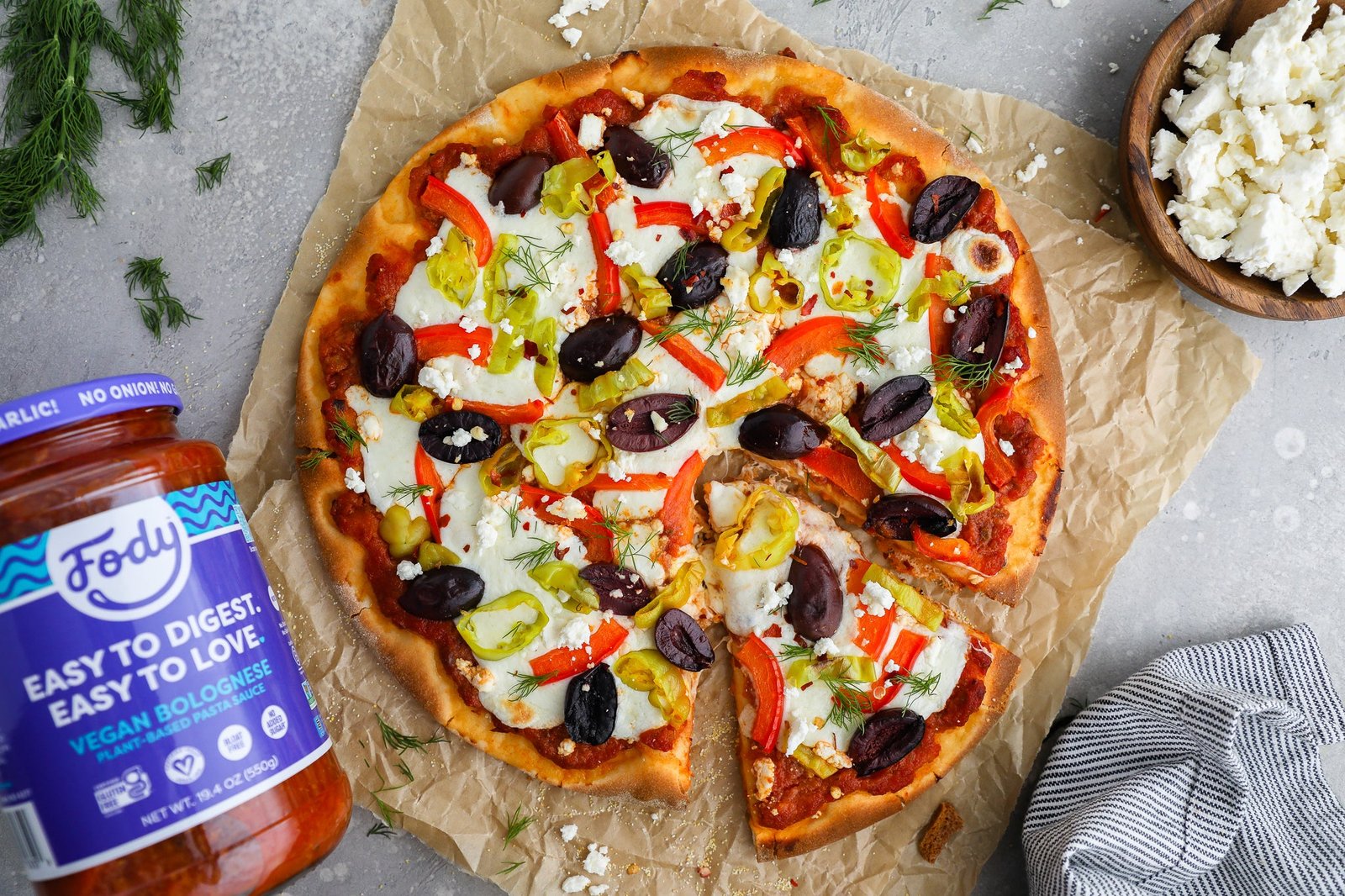
Choosing fresh vegetables, lean proteins, and fermented ingredients for pizza and gut-friendly toppings helps support a healthy digestive system. These additions provide fiber and probiotics that feed your microbiome while reducing the heavy, processed load often found in standard takeout options. By balancing your dough choice with nutrient-dense, plant-based layers, you can enjoy a meal that remains gentle on your stomach without sacrificing flavor or texture.
Build your gut friendly pizza
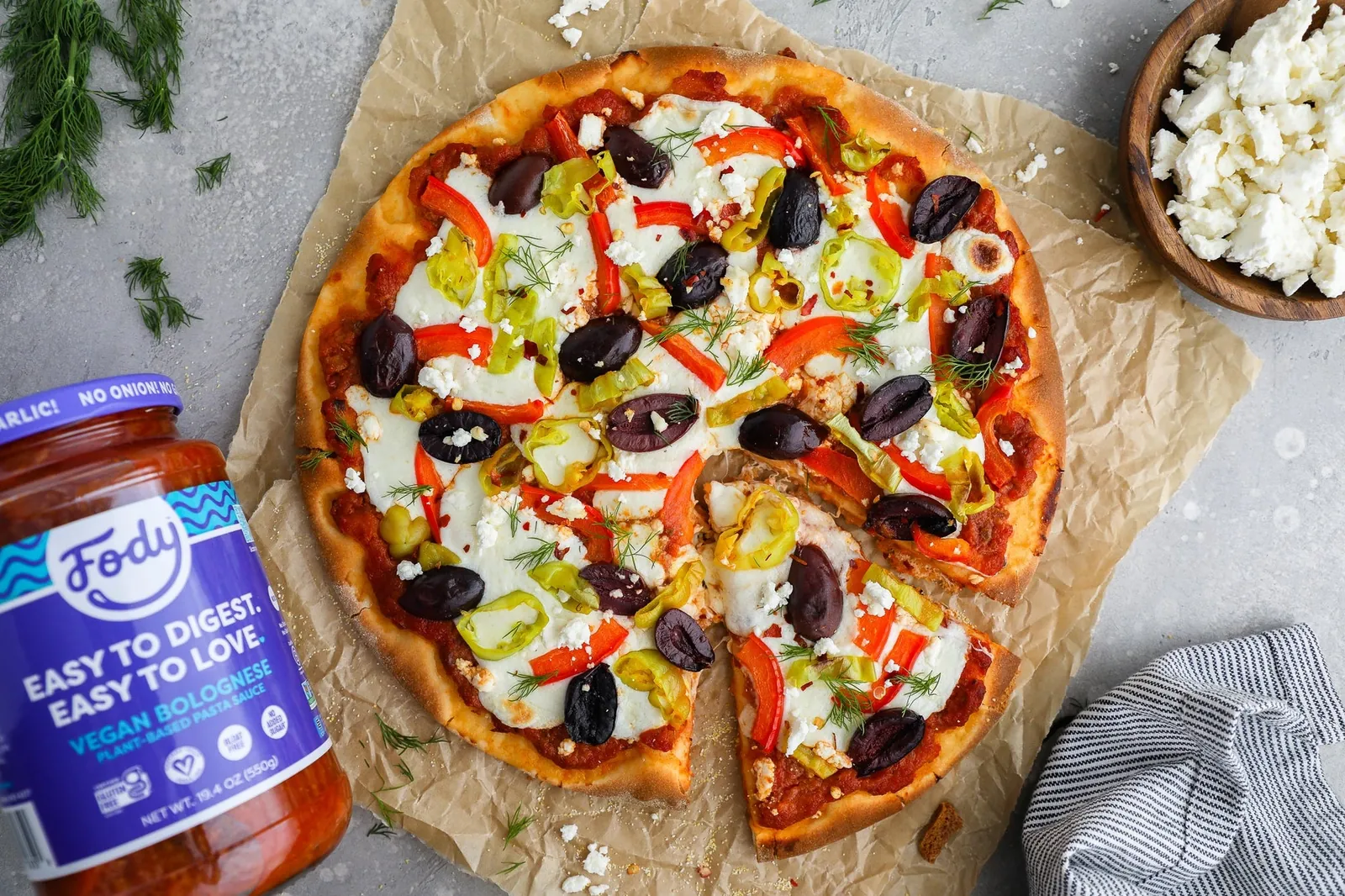
Selecting the right ingredients depends on your specific digestive goals and current dietary needs. This table summarizes common options that balance flavor with gut-conscious nutrition for your next homemade or ordered meal.
| Topping category | Best for | Common example |
|---|---|---|
| Leafy greens | Adding essential fiber | Fresh baby spinach |
| Lean proteins | Balanced nutrient density | Grilled chicken breast |
| Fermented foods | Supporting gut bacteria | Kimchi or sauerkraut |
| Roasted vegetables | Easier digestion | Roasted zucchini slices |
| Fresh herbs | Natural flavor enhancement | Fresh basil leaves |
| Healthy fats | Nutrient absorption | Sliced avocado |
Fresh baby spinach
Fresh baby spinach is a nutrient-dense base that provides high levels of dietary fiber to promote regular bowel movements. It suits anyone looking to increase their daily intake of greens without adding heavy, fatty layers that can slow down the digestive process.
- Adds significant volume and fiber to the meal without feeling heavy.
- Provides essential vitamins like A and K that support overall gut health.
- Wilts quickly in the oven, making it easy to incorporate into a thin-crust base.
If you have a history of kidney stones, limit your spinach intake to one cup per serving, as it contains oxalates that may be problematic for some individuals. For a simple dinner, scatter two large handfuls of raw spinach over a pre-baked crust during the last three minutes of cooking. This keeps the leaves vibrant and maintains their texture without turning them into a soggy mess.
Grilled chicken breast
Lean proteins like grilled chicken breast are excellent for those who need a satisfying meal that doesn’t trigger acid reflux or bloating. This option is ideal for people who find processed meats like pepperoni or sausage difficult to digest due to high sodium and saturated fat content.
- Offers a clean protein source that’s simple for the body to break down.
- Contains less saturated fat than processed meats, which helps prevent delayed stomach emptying.
- Pairs well with lighter sauces like olive oil or pesto instead of heavy tomato pastes.
If you’re using pre-cooked chicken, ensure it’s shredded or sliced into thin strips to keep the cooking time short. For a quick preparation, place 100 grams of pre-cooked, unseasoned chicken on your pizza before the final heat cycle. This ensures the meat stays moist while allowing the flavors of your chosen herbs to penetrate the protein.
Fermented kimchi
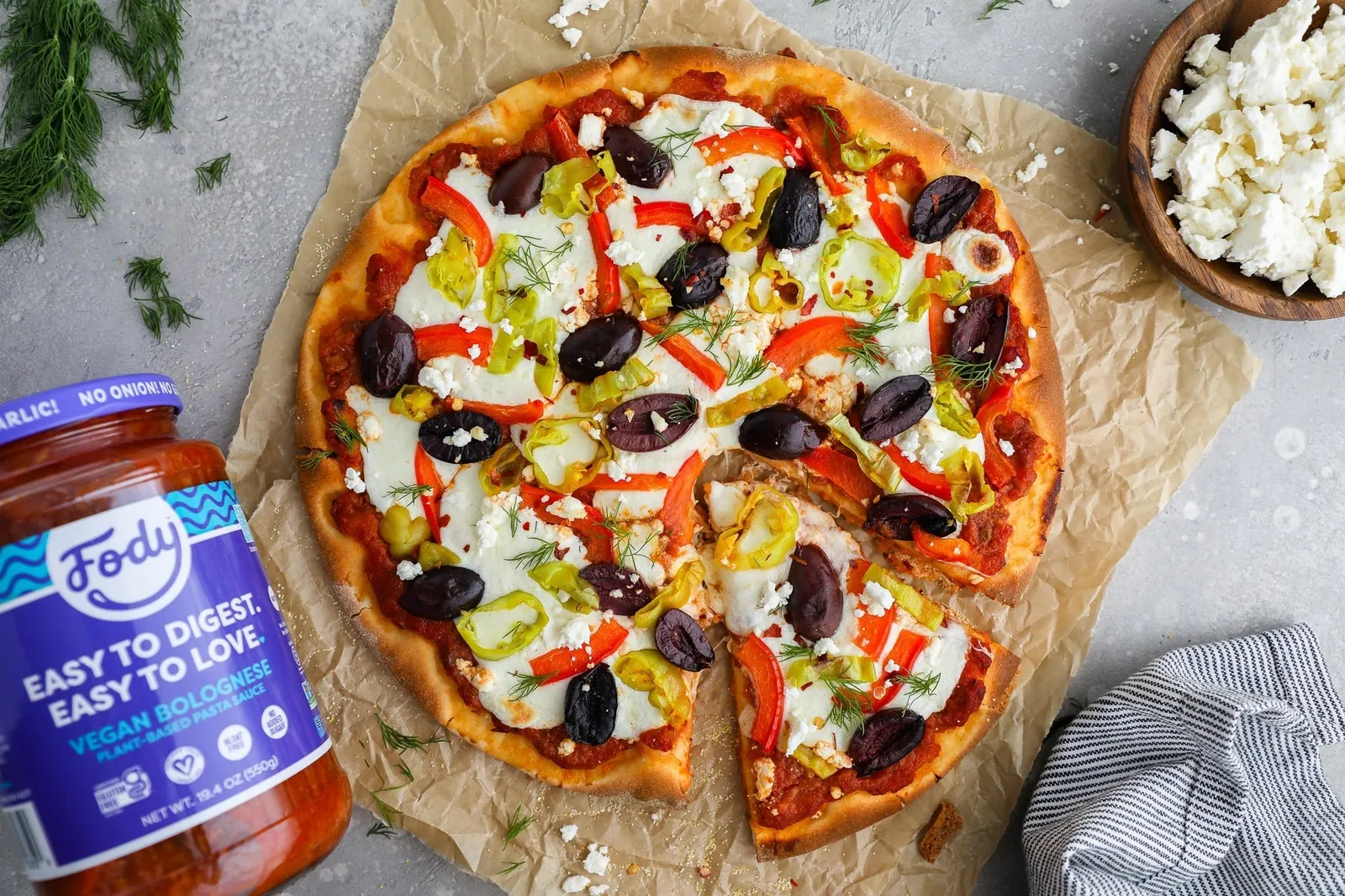
Fermented ingredients like kimchi introduce live probiotics into your meal, which are beneficial for maintaining a diverse gut microbiome. This topping is best for those who enjoy bold, spicy flavors and want to actively support their digestive health through live cultures.
- Delivers beneficial bacteria that support the natural balance of your digestive tract.
- Adds a complex, tangy profile that reduces the need for excessive salt or cheese.
- Provides fiber through cabbage, which acts as a prebiotic to fuel healthy bacteria.
Be aware that high heat can kill live probiotic cultures, so add the kimchi after the pizza comes out of the oven. According to the Harvard T.H. Chan School of Public Health, fermented foods like kimchi are a primary way to introduce these helpful microbes into your diet. For a balanced slice, top your finished pizza with one tablespoon of chopped kimchi once it has cooled slightly.
Roasted zucchini
Roasted zucchini is a mild, water-rich vegetable that aids in digestion by providing a gentle source of hydration and fiber. It’s the perfect choice for individuals who find raw vegetables too harsh on their stomach or for those who prefer a softer texture on their pizza.
- Contains soluble fiber, which helps soften stool and supports smooth digestion.
- Absorbs the flavors of garlic and olive oil, making it a savory alternative to meat.
- Maintains a firm structure even when sliced thinly and baked at high temperatures.
If you find that your pizza becomes watery, roast the zucchini slices in the oven for 10 minutes before placing them on the dough. This removes excess moisture and ensures your crust remains crisp. For a standard 12-inch pizza, use one medium zucchini sliced into thin, uniform rounds to ensure even cooking across the entire surface.
Other gut-friendly additions
- Fresh basil: This herb is known to help reduce gas and bloating, making it an ideal finishing touch for any pizza style.
- Artichoke hearts: These are packed with inulin, a type of prebiotic fiber that feeds the good bacteria residing in your large intestine.
- Roasted red peppers: These provide a sweet, soft texture and contain antioxidants that help protect the stomach lining from irritation during the digestion process.
Choosing the right toppings
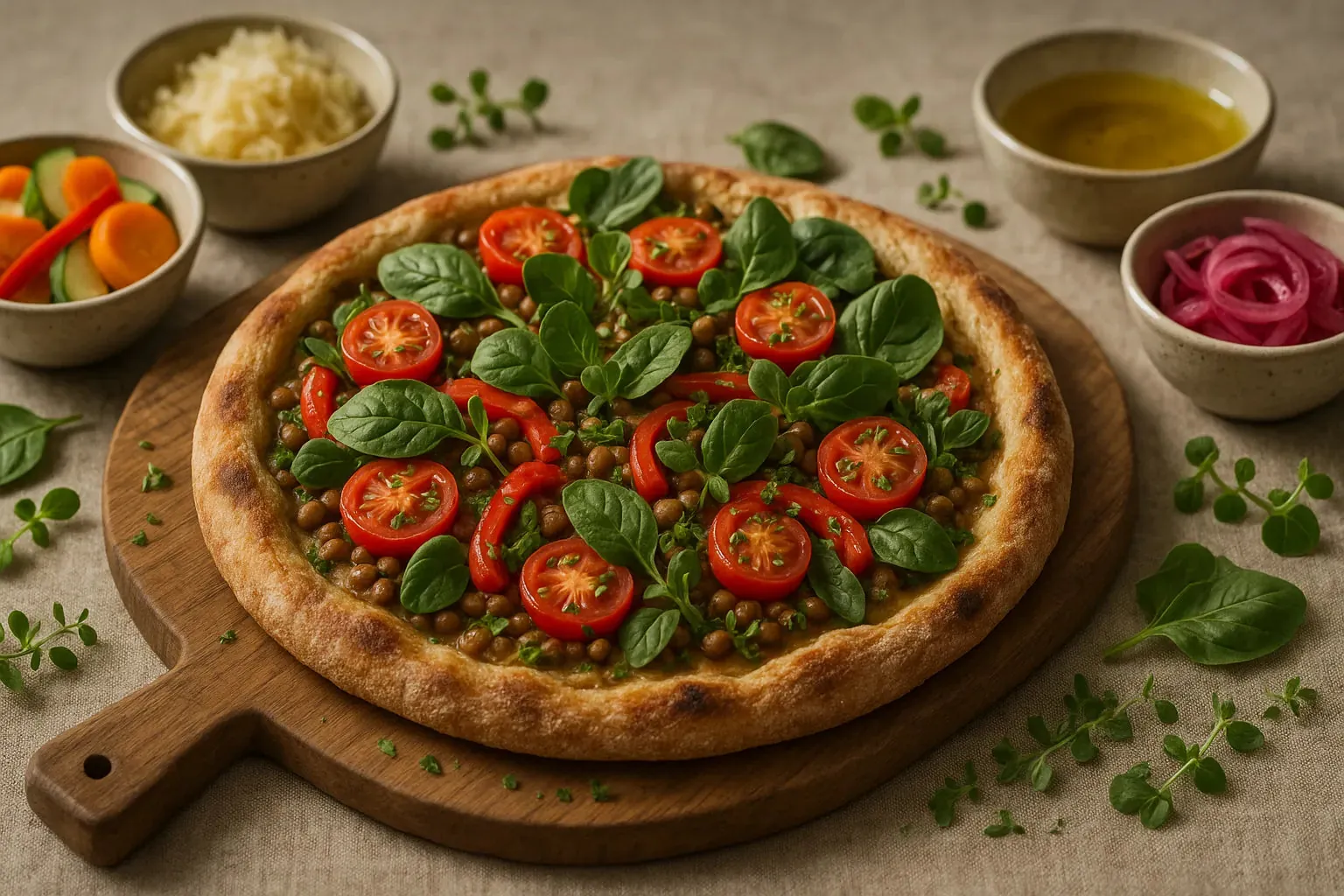
Deciding which ingredients to use starts with identifying how your body reacts to specific food groups. If you struggle with bloating after eating, avoid high-sodium processed meats and choose lean proteins like chicken or plant-based options like zucchini instead. If you want to improve your long-term digestive health, prioritize fermented toppings like kimchi or sauerkraut to boost your probiotic intake.
You can combine these ingredients, but be mindful of the total moisture content. If you choose water-rich vegetables like zucchini, always pair them with a drier protein to prevent the dough from getting soggy. Using one fermented ingredient per meal is usually enough to see benefits, so don’t feel the need to pile multiple types on a single slice. These choices aren’t a cure for chronic medical issues, but they’re a practical way to manage daily comfort.
Frequently asked questions
Does pizza dough affect my digestion?
Yes, the type of dough affects digestion because refined white flour lacks the fiber found in whole-grain or sourdough alternatives. Sourdough is often easier to digest for many people because the fermentation process breaks down some of the starches and gluten before you even bake it.
How much fiber should a pizza have?
A gut-friendly pizza should aim for 5 to 8 grams of fiber per serving, which you can reach by adding a variety of vegetables. You can check the nutrition labels on your crust or flour brand to see the baseline fiber content before you add your toppings.
Is cheese bad for my gut?
Cheese can be difficult for people with lactose sensitivity, leading to gas and bloating. If you find dairy causes you discomfort, try using a smaller amount of aged cheese or a plant-based alternative to maintain flavor without the digestive strain.
Can I eat spicy toppings if I have a sensitive stomach?
Spicy toppings like kimchi or chili flakes can irritate the stomach lining for some, but this varies based on your personal tolerance. If you’re unsure, start with a very small amount of spice to see how your stomach handles the initial reaction.
How long does it take for food to digest?
Digestion time varies by person and the specific ingredients consumed, but it typically takes 24 to 72 hours for food to pass through your entire system. You can monitor your own transit time by noting when you eat fiber-rich meals and how soon you feel the effects in your digestion.
Is it safe to eat cold pizza for digestion?
Cold pizza is safe to eat as long as it was stored in the refrigerator at or below 40 degrees Fahrenheit within two hours of cooking. However, cold, dense cheese and fats can be harder for your stomach to break down than warm, freshly cooked ingredients.
Conclusion
Start your process by selecting a high-fiber crust or a sourdough base to provide a foundation that’s easier for your body to process. You’ll know these changes are helping when you feel less sluggish or bloated after your meal. If you experience persistent pain or severe digestive distress, stop eating these combinations and consult a medical professional to rule out underlying food intolerances.

As the author of the “Ultimate Pizza Guide: Recipes, Tips & Secrets Revealed,” I’m dedicated to sharing my love for pizza and empowering others to create delicious homemade pizzas with ease. Join me on a journey to uncover the secrets to perfecting your pizza game!