When you’re looking to balance your nutritional needs with your favorite comfort food, you might find yourself curious about pizza and iron intake. While pizza is often viewed as an indulgence, it can serve as a surprising source of essential minerals depending on the crust, sauce, and toppings you choose. For an average slice, you can expect to obtain between 0.5 mg and 2.5 mg of iron, depending on the specific ingredients included in the preparation.
Key Takeaways
- Select whole-grain crusts to increase the total dietary mineral density of your meal.
- Incorporate lean meats like ground beef or chicken to boost heme iron content.
- Add iron-rich vegetables such as spinach or sun-dried tomatoes to your pizza.
- Consume vitamin C-rich foods like bell peppers or tomato sauce to improve non-heme iron absorption.
- Avoid drinking coffee or tea alongside your pizza, as tannins can inhibit absorption.
How to Boost Iron in Pizza
To maximize the nutritional value of your meal, you must focus on the specific components that contribute to your daily requirements. The iron found in plant-based sources, known as non-heme iron, is generally less bioavailable than the heme iron found in animal products. By combining both, you create a more effective profile for your body.
| Ingredient Category | Examples for Iron Boost |
|---|---|
| Proteins | Ground beef, pepperoni, chicken, anchovies |
| Vegetables | Spinach, kale, sun-dried tomatoes, mushrooms |
| Crust/Base | Whole wheat flour, enriched white flour |
| Toppings | Pumpkin seeds, sesame seeds, pine nuts |
Why Does Pizza Contain Iron?
Pizza is essentially a composite food, meaning its iron content is the sum of its parts. The flour used in most pizza crusts is typically enriched with iron, which is a common practice in the United States to prevent deficiencies. Furthermore, the tomato sauce provides a modest amount of this mineral, while the various toppings—especially meats and certain leafy greens—provide the bulk of the iron you consume in a single serving.
The Role of Enriched Flour
Most commercial pizza chains and frozen pizza manufacturers use enriched wheat flour. This process involves adding back the nutrients lost during the milling process, including B vitamins and iron. By choosing a standard thin crust from a large chain, you’re likely consuming a product fortified with these essential minerals.
Can Toppings Change the Nutritional Profile?
Absolutely. The toppings are the most significant variable in your meal. If you order a plain cheese pizza, your iron intake will be lower compared to a “meat lovers” or “veggie supreme” variation. Meats are dense in iron, and certain vegetables act as excellent non-heme sources.
Warning: Processed meats like pepperoni or sausage contain iron, but they’re also high in sodium. Balance these toppings with fresh, low-sodium vegetables to maintain a heart-healthy approach to your meal.
What Are the Best Iron-Rich Toppings?
If you want to turn a standard slice into a more substantial source of iron, you should prioritize specific additions. These ingredients aren’t only flavorful but also pack a significant nutritional punch.
- Spinach: A staple for many, fresh spinach leaves wilt perfectly under the heat of the oven and provide a solid boost of non-heme iron.
- Sun-dried Tomatoes: These are more concentrated than fresh tomatoes, offering a higher density of minerals per ounce.
- Lean Ground Beef: Replacing fatty sausage with lean ground beef increases the heme iron content significantly.
- Pumpkin Seeds: While unconventional, a sprinkle of toasted pumpkin seeds or pine nuts after the pizza is baked adds a crunchy texture and a healthy dose of minerals.
How to Improve Mineral Absorption
Consuming iron is only half the battle; your body must also absorb it efficiently. The presence of certain compounds in your meal can either help or hinder this process. Vitamin C is the most potent enhancer of iron absorption. Because pizza sauce is tomato-based, it already contains some vitamin C, but you can enhance this by adding fresh bell peppers or broccoli.
Pro Tip: Avoid pairing your pizza with calcium-rich dairy drinks like milk or high-tannin beverages like black tea, as these can block the absorption of the iron you’re trying to consume.
Comparing Different Pizza Styles
Not all pizzas are created equal. The preparation method and the ingredients used in various culinary traditions change the iron content per serving.
| Pizza Style | Typical Iron Content (mg/slice) | Primary Iron Source |
|---|---|---|
| Neapolitan Margherita | 0.6 – 1.1 mg | Enriched flour, tomato sauce |
| New York Style Pepperoni | 1.2 – 1.8 mg | Enriched flour, pepperoni, meat |
| Deep Dish Meat Lovers | 1.8 – 2.5 mg | Enriched flour, sausage, beef |
| Veggie Thin Crust | 0.8 – 1.5 mg | Enriched flour, spinach, tomatoes |
Is Frozen Pizza a Good Option?
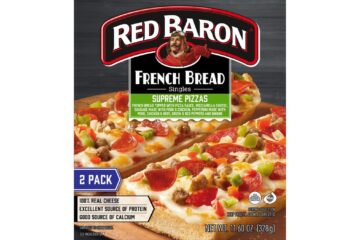
Frozen pizzas are highly convenient, but their nutritional quality varies wildly. Many major brands fortify their crusts to meet specific health standards, which can make them a surprisingly decent source of iron. However, you must check the nutrition label for the “Iron” percentage, which is usually listed as a percentage of the Daily Value (DV).
- Digiorno: Often features thicker crusts with higher fortification levels.
- Amy’s Kitchen: Offers organic options that may contain different mineral profiles depending on the grain used.
- California Pizza Kitchen: Tends to focus on specialty toppings which can include iron-rich nuts or lean meats.
How Much Iron Do You Need?
The daily requirement for iron varies significantly based on age, sex, and activity level. Adult men generally require about 8 mg per day, while adult women aged 19 to 50 require 18 mg per day due to menstrual blood loss. Pizza can contribute to these goals, but it should be part of a varied diet that includes legumes, lean meats, and fortified cereals to ensure you meet your targets consistently.
Are There Any Risks Involved?
While iron is vital for health, it’s possible to consume too much if you rely exclusively on fortified foods and supplements. However, it’s very difficult to reach toxic levels of iron through a standard diet that includes pizza. The primary health concern with pizza is typically related to high sodium, saturated fat, and caloric density, rather than the mineral content itself.
Pro Tip: If you’re monitoring your iron levels due to a medical condition like hemochromatosis, always consult your physician before making significant changes to your diet, as even “healthy” iron sources could be problematic.
Frequently Asked Questions
Can pizza help with iron deficiency?
Pizza can contribute to your daily iron intake, but it’s rarely a standalone solution for deficiency. While the enriched flour and toppings provide iron, you should rely on more nutrient-dense whole foods like lentils, beans, and lean red meats to correct a deficiency effectively. Use pizza as a complementary food rather than your primary source of minerals.
Does the cheese in pizza affect iron?
Yes, the calcium found in cheese can inhibit the absorption of non-heme iron. When you eat a heavy cheese pizza, the calcium competes with the iron for absorption in your digestive tract. To mitigate this, try to include high-iron toppings like spinach or lean beef, which provide a larger surplus of iron that can overcome the inhibitory effect of the dairy.
Are there iron-rich vegetarian pizza toppings?
Yes, several vegetarian toppings are excellent sources of iron. Sun-dried tomatoes, spinach, kale, mushrooms, and even certain types of beans or lentils can be added to your pizza. Additionally, sprinkling seeds like pumpkin or sesame over your finished pizza provides a concentrated boost of minerals that pairs well with vegetable-forward flavor profiles.
Is thin crust better for iron?
The iron content in thin crust depends more on the flour type than the thickness. If both thin and thick crusts are made with the same enriched wheat flour, the thicker crust will technically contain more iron simply because it contains more flour. However, thin crust allows you to add more toppings without exceeding your caloric limit, potentially allowing for more iron-rich additions.
Can I get enough iron from frozen pizza?
You can get a noticeable portion of your daily iron from frozen pizza if you choose brands that use enriched flour and include meat or iron-rich vegetables. Check the nutrition label for the iron percentage. If a serving provides 10% or more of your daily value, it’s a significant contributor to your intake for that meal.
Conclusion
If you’re looking to optimize your pizza consumption for health, start by checking the nutrition labels of your favorite frozen brands or asking your local pizzeria about their flour sourcing. Incorporating fresh, iron-dense toppings like spinach or lean meats is the simplest way to increase your intake. Focus on creating a balanced meal by pairing your slice with a fresh side salad rich in vitamin C.

As the author of the “Ultimate Pizza Guide: Recipes, Tips & Secrets Revealed,” I’m dedicated to sharing my love for pizza and empowering others to create delicious homemade pizzas with ease. Join me on a journey to uncover the secrets to perfecting your pizza game!