Pizza is a beloved staple in the American diet, but many people find themselves questioning the nutritional value of their favorite takeout slice when considering their daily pizza and vitamin intake. While pizza is often categorized as a treat, the reality of its nutritional profile depends heavily on the specific ingredients used, the quality of the crust, and the variety of toppings. A single slice of standard cheese pizza typically provides a range of 200 to 400 calories, but it also delivers essential nutrients that contribute to your daily requirements. Understanding how to maximize these benefits involves looking beyond the dough and cheese to identify the hidden sources of vitamins and minerals present in the sauce, vegetables, and crust.
Key Takeaways

- Prioritize vegetable toppings like spinach, bell peppers, and mushrooms to significantly increase your intake of vitamins A, C, and K.
- Choose thin-crust options or whole-wheat dough to reduce refined carbohydrate intake and increase fiber content.
- Control sodium levels by opting for fresh mozzarella instead of processed meats like pepperoni or sausage.
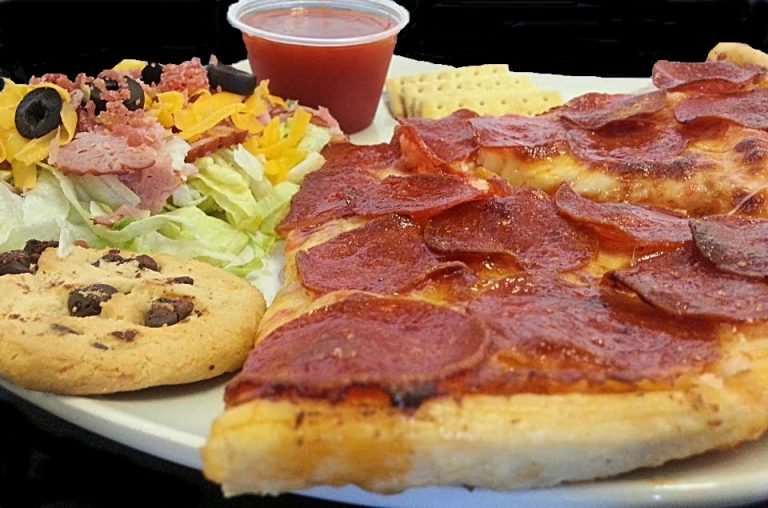
- Balance your meal by pairing a slice of pizza with a side salad to ensure a complete spectrum of micronutrients.
- Monitor portion sizes, as the caloric density of pizza can easily lead to exceeding daily energy needs.
Nutritional Profile of Standard Pizza
When you consume a slice of pizza, you’re ingesting a complex mix of macronutrients and micronutrients. The crust provides carbohydrates for energy, the cheese offers protein and calcium, and the tomato sauce serves as a primary source of vitamins.
The calcium content in a slice of pizza is generally significant due to the cheese, providing roughly 10% to 20% of the recommended daily value. However, the sodium levels can be quite high, often ranging from 400 to 800 milligrams per slice depending on the crust thickness and the specific cheese blend used.
Micronutrient Breakdown Table
| Nutrient Component | Typical Range per Slice | Primary Food Source |
|---|---|---|
| Vitamin A | 150 – 300 IU | Tomato sauce, cheese |
| Vitamin C | 2 – 8 mg | Tomato sauce, bell peppers |
| Calcium | 150 – 250 mg | Mozzarella cheese |
| Iron | 1.0 – 2.5 mg | Enriched flour, spinach |
| Potassium | 100 – 200 mg | Tomato sauce, mushrooms |
How Can Toppings Improve Nutrition?
The most effective way to improve the nutritional density of your pizza is through the thoughtful selection of toppings. Many people view pizza as a “junk food” because they focus on the high-fat cheese and processed meats. By shifting the focus to plant-based additions, you can transform a slice into a more balanced meal.
- Spinach: An excellent source of folate, vitamin K, and iron.
- Bell Peppers: High in vitamin C, which aids in immune function.
- Mushrooms: Provide a subtle source of selenium and B vitamins.
- Onions: Contain antioxidants and trace amounts of vitamin B6.
- Tomatoes: The sauce itself is a rich source of lycopene, a powerful antioxidant.
Does Crust Type Matter?
The foundation of your pizza, the crust, dictates the carbohydrate load and the presence of certain vitamins. Refined white flour is standard, but it’s often enriched, meaning manufacturers add back vitamins like thiamin, riboflavin, niacin, and iron that were lost during the milling process.
Whole-wheat crusts are superior for those seeking higher fiber content and more stable energy release. While they may have a slightly different texture, they contribute more magnesium and zinc compared to their white flour counterparts. If you’re ordering from a pizzeria, always ask if they offer a whole-grain or cauliflower-based crust as a healthier alternative to the traditional refined dough.
Managing Sodium and Fat
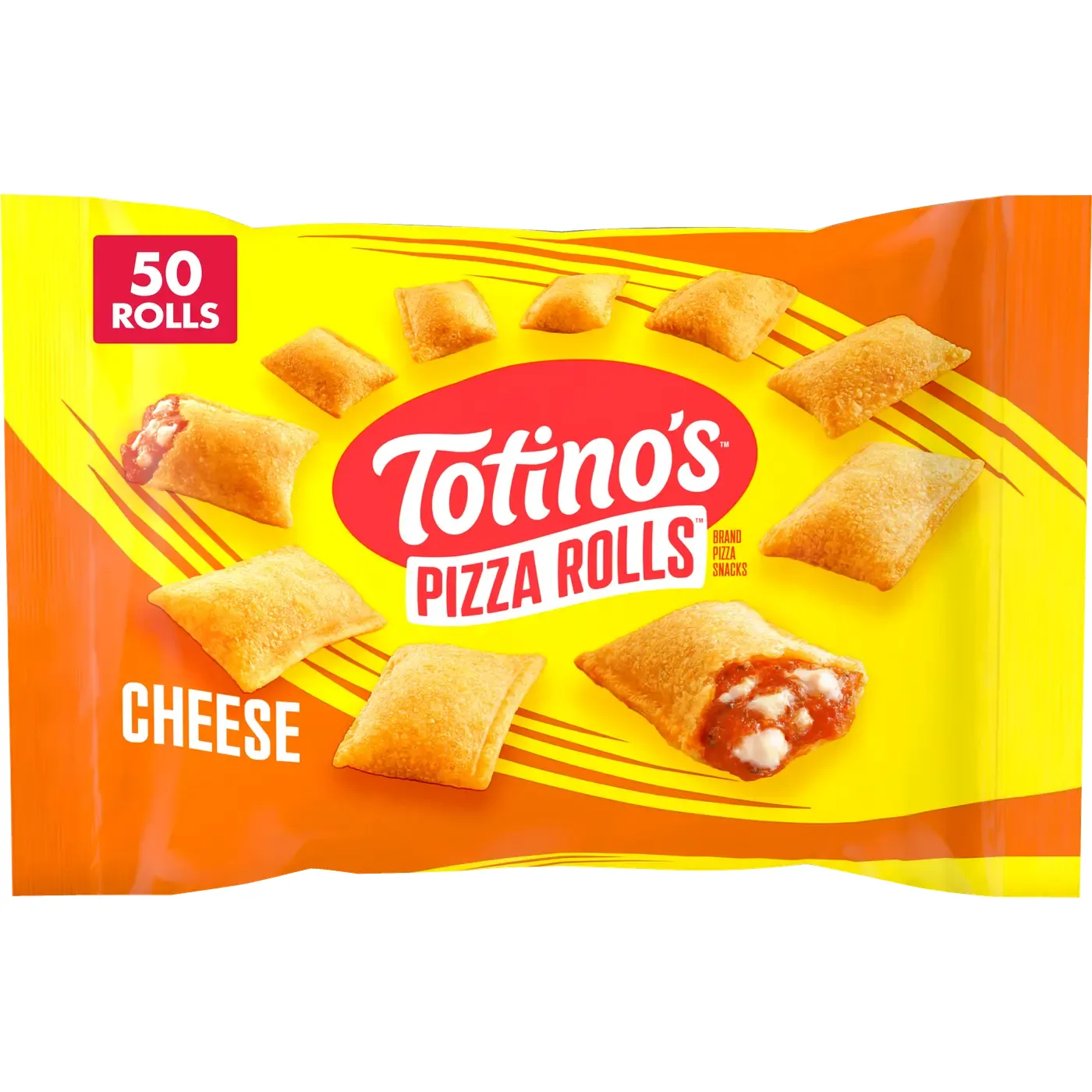
One of the biggest hurdles in maintaining a healthy profile when eating pizza is the high concentration of sodium and saturated fat. Processed meats such as pepperoni, sausage, ham, and bacon are the primary culprits. These items are often cured, which increases their sodium content dramatically.
Warning: Limit your intake of processed meats to once or twice a month, as these are classified as high-sodium, high-fat foods that offer little in the way of essential vitamins.
Instead of processed meats, consider lean protein sources like grilled chicken or even plant-based proteins like chickpeas or sliced almonds, which add texture without the excessive salt.
Balancing Pizza With Other Foods
You should never view pizza in a vacuum. To ensure you’re meeting your nutritional needs, treat pizza as part of a larger meal plan. By pairing your pizza with a side of steamed vegetables, a fresh garden salad, or a piece of fruit, you create a buffer against the high-calorie, lower-nutrient nature of the pizza itself.
Pro Tip: Always start your meal with a glass of water and a bowl of leafy greens; this helps you feel fuller faster and ensures you consume a wider array of vitamins before you even touch the pizza.
Comparison of Meal Strategies
| Strategy | Benefit | Impact on Vitamin Intake |
|---|---|---|
| Pizza + Side Salad | Adds fiber and vitamins | High increase |
| Pizza + Steamed Broccoli | Adds vitamin C and K | High increase |
| Pizza + Soda | Adds empty calories | No benefit |
| Pizza + Water | Hydration | Neutral |
The Role of Tomato Sauce
The tomato sauce is perhaps the most underrated component of a pizza. Tomatoes are a powerhouse of nutrition, containing high levels of lycopene, an antioxidant that’s actually more bioavailable when the tomatoes are cooked. This makes the sauce a functional part of the pizza that delivers genuine health benefits.
To maximize this, look for pizzerias that use a simple, house-made tomato sauce rather than pre-packaged, sugar-heavy alternatives. The fewer additives in the sauce, the more you benefit from the natural vitamins present in the tomatoes.
Hidden Sources of Minerals
Beyond vitamins, pizza acts as a vehicle for essential minerals. Because of the dairy content in the cheese, pizza is a reliable source of phosphorus, which works alongside calcium to maintain bone health. Additionally, if you choose a crust made with fortified flour, you’re receiving a consistent dose of iron, which is essential for transporting oxygen throughout your body.
Enriched flour is a staple in the American food supply, and while it isn’t as nutrient-dense as whole grains, it provides a consistent baseline for individuals who might otherwise be deficient in B vitamins.
Is Homemade Pizza Healthier?
Making pizza at home allows you total control over the ingredients, which is the ultimate way to manage your vitamin intake. When you control the dough, you can use high-quality flours, and when you control the sauce, you can skip the added sugars.
- Control over salt: You can use herbs and spices like oregano, basil, and garlic to add flavor instead of relying on excessive salt.
- Fresh ingredients: You can use fresh, seasonal vegetables that haven’t been sitting in a walk-in freezer.
- Portion control: You can make smaller individual pizzas rather than one giant pie that invites overeating.
Frequently Asked Questions
Is pizza considered a vegetable-rich meal?
It can be, but only if you specifically add a significant amount of vegetable toppings. A standard cheese or pepperoni pizza contains very few vegetables. To make it a vegetable-rich meal, you should cover at least half of the pizza surface with ingredients like spinach, peppers, onions, mushrooms, or artichokes. Without these additions, the nutritional profile is heavily skewed toward refined carbohydrates and saturated fats.
Can I get enough vitamins from pizza alone?
No, you can’t get all the vitamins you need from pizza alone. While it provides some B vitamins, calcium, and vitamin A, it’s lacking in many other essential nutrients such as vitamin D, vitamin E, and a full spectrum of dietary fiber. Pizza should be viewed as a component of a varied diet rather than a standalone source of complete nutrition.
Does the cooking process destroy vitamins?
Yes, high-heat cooking can degrade heat-sensitive vitamins like vitamin C. However, this effect is often mitigated by the fact that tomatoes are cooked into a sauce, which can actually increase the availability of certain antioxidants like lycopene. The loss of some vitamins is a natural part of cooking, but the overall nutritional value remains intact, especially if you add fresh vegetables after baking.
Are frozen pizzas as nutritious as fresh?
Generally, no. Frozen pizzas are often processed to have a longer shelf life, which frequently involves higher sodium levels and the addition of preservatives. While they may still contain the same basic macronutrients, they often lack the freshness of the produce found on a made-to-order pizza from a local shop. Always check the nutrition label on frozen pizzas for sodium content and added sugars.
How much pizza is safe to eat weekly?
There’s no hard rule, but moderation is key. Eating pizza once a week is generally considered acceptable for most people, provided that the rest of your meals are rich in whole foods, lean proteins, and diverse vegetables. If you find yourself eating pizza more than twice a week, you may want to focus on making your own versions at home to better manage your sodium and caloric intake.
Conclusion
To improve your overall health while still enjoying your favorite food, begin your next pizza night by preparing a large, colorful salad with a variety of raw vegetables. This simple addition ensures you receive a dense dose of micronutrients, fiber, and hydration, allowing you to enjoy your pizza in moderation while supporting your body’s daily vitamin requirements effectively.

As the author of the “Ultimate Pizza Guide: Recipes, Tips & Secrets Revealed,” I’m dedicated to sharing my love for pizza and empowering others to create delicious homemade pizzas with ease. Join me on a journey to uncover the secrets to perfecting your pizza game!