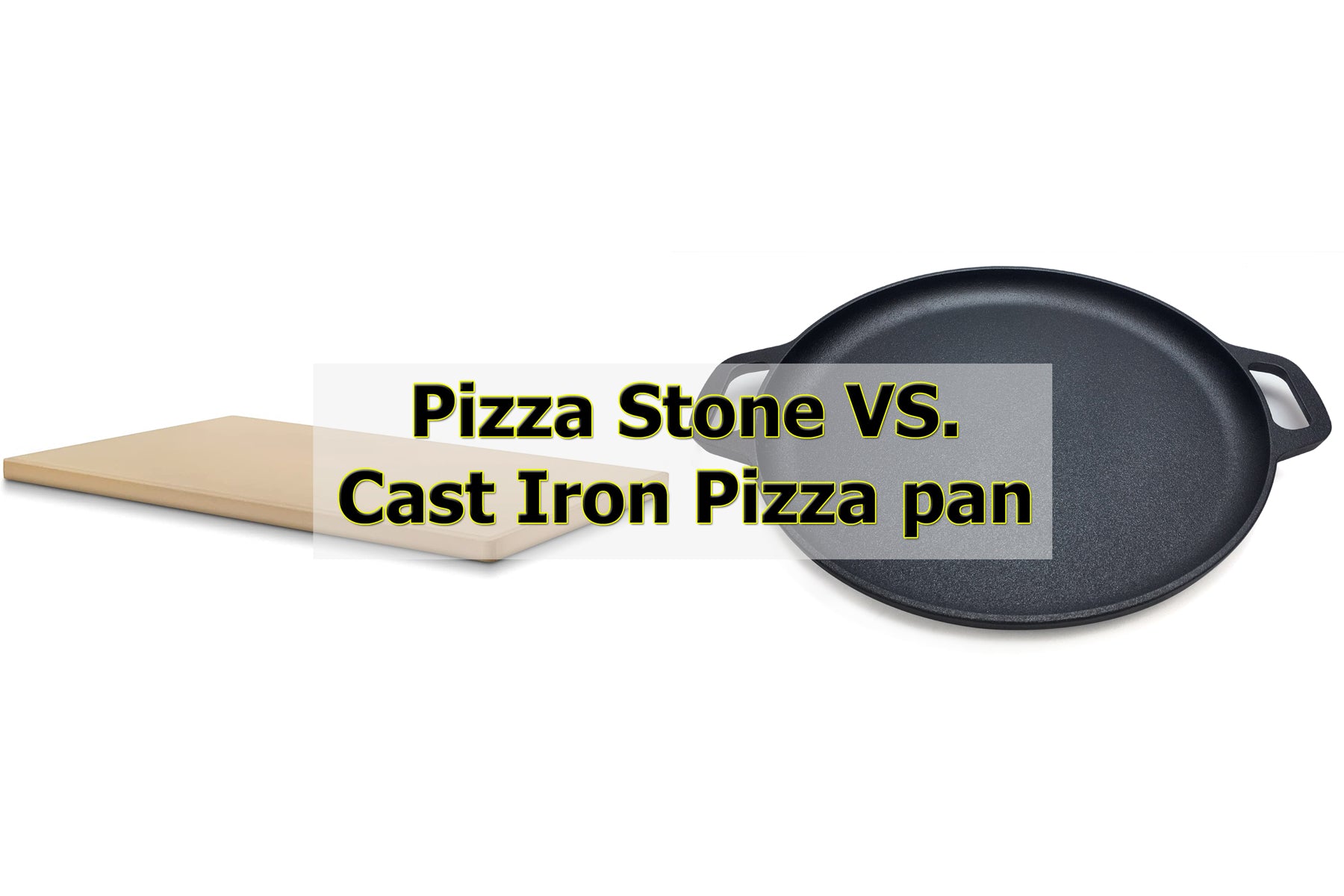
When it comes to making the perfect homemade pizza, you might wonder: should you use a cast iron pan or a pizza stone? Both tools promise crispy crusts and delicious results, but they work very differently.
Choosing the right one can change your pizza game entirely. You’ll discover the pros and cons of each, how they affect cooking time, heat retention, and even the flavor of your pizza. By the end, you’ll know exactly which option fits your kitchen style and taste buds best.
Ready to unlock the secret to pizza perfection? Let’s dive in!
Cast Iron Pan Features
Cast iron pans have unique qualities that set them apart in the kitchen. They offer excellent heat control and durability. These pans are a favorite for many cooks who want consistent cooking results. The features below explain why cast iron remains a top choice for pizza and other dishes.
Material And Heat Retention
Cast iron is made from a heavy, dense metal. This helps it hold heat very well. Once hot, it stays hot for a long time. This feature is ideal for cooking pizza evenly. The heat spreads slowly and stays steady, preventing cold spots. It also gives a nice, crispy crust on pizzas.
Seasoning And Maintenance
Seasoning is a thin layer of oil baked onto the pan. It creates a natural non-stick surface. Proper seasoning improves over time with use. To maintain it, avoid soap and harsh scrubbing. Wipe the pan clean and lightly oil it after each use. This care keeps the pan rust-free and cooking smooth.
Cooking Surface And Durability
The cooking surface of cast iron is rough but smooths out with seasoning. It can handle high temperatures without damage. This durability means the pan can last for decades. It resists scratches and dents well. Cast iron pans also work on many heat sources, including ovens, stoves, and grills.
Credit: www.reddit.com
Pizza Stone Features
Pizza stones bring unique benefits to baking pizza at home. They mimic the heat and texture of traditional pizza ovens. These stones absorb moisture, making crusts crispier and more evenly cooked. Understanding their features helps choose the best option for your kitchen.
Material Types And Heat Distribution
Most pizza stones are made from ceramic, cordierite, or clay. Ceramic stones heat evenly but may crack under high heat. Cordierite stones resist thermal shock and last longer. Clay stones are traditional and absorb moisture well. Good heat distribution ensures a crispy crust and even cooking.
Preheating And Usage
Preheating is key for pizza stones. They need 30 to 60 minutes in a hot oven to reach the right temperature. Place the stone on the oven rack before preheating. Avoid placing a cold stone in a hot oven to prevent cracks. Use a pizza peel to slide pizza onto the hot stone safely.
Cleaning And Longevity
Cleaning pizza stones requires care. Avoid soap since stones are porous and absorb flavors. Use a brush or scraper to remove stuck food. Let the stone cool completely before cleaning. With proper care, a pizza stone can last many years without damage.
Heat Performance Comparison
Heat performance plays a key role when choosing between a cast iron pan and a pizza stone. Both tools affect how heat moves to the pizza and how the crust bakes. Understanding their heat behavior helps you pick the best option for your pizza baking needs.
Heat Retention And Transfer
Cast iron pans hold heat very well. They absorb heat quickly and keep it steady. This steady heat helps cook the pizza crust evenly. Pizza stones also retain heat but in a different way. They absorb heat slowly and release it gradually. This slow heat transfer creates a crispy crust by drawing out moisture from the dough.
Preheating Time
Cast iron pans heat up faster than pizza stones. You usually need about 10 minutes to get a cast iron pan hot enough. Pizza stones require more time, often 30 to 45 minutes. This longer preheat time is necessary for the stone to reach the right temperature for baking.
Effect On Crust Texture
The cast iron pan gives the crust a thick, crispy bottom. It can sometimes create a slightly charred flavor. The pizza stone produces a crust that is crisp and evenly cooked. It makes the crust crunchy without burning it. Each tool offers a distinct crust style depending on the heat it provides.
Cooking Experience
Choosing between a cast iron pan and a pizza stone changes the cooking experience. Each tool affects how you prepare and enjoy pizza. Understanding their differences helps you pick the right one for your kitchen.
Ease Of Use And Handling
Cast iron pans heat up quickly and hold heat well. They are heavy but sturdy, giving a solid feel. Pizza stones require preheating for a long time to get hot. They can be fragile and need careful handling to avoid cracks.
Cleaning cast iron needs special care to keep its seasoning. Pizza stones should never be washed with soap and must dry completely. Both need care but in different ways.
Versatility Beyond Pizza
Cast iron pans work for many dishes besides pizza. You can sear meats, fry vegetables, or bake bread. Pizza stones focus mainly on baking pizza and bread. They give a crispy crust but are less flexible.
A cast iron pan adapts to various cooking styles. The pizza stone stays in the oven, perfect for baking but limited otherwise.
Safety Considerations
Cast iron pans become very hot and hold heat for a long time. Use oven mitts to avoid burns. Their heavy weight can cause accidents if dropped. Pizza stones also get extremely hot but cool down faster.
Both tools need careful handling after use. Avoid sudden temperature changes that can crack a pizza stone. Proper care keeps your kitchen safe and your tools lasting longer.
Flavor And Texture Outcomes
Understanding the flavor and texture differences between cast iron pans and pizza stones helps choose the right tool. Each impacts the pizza’s crust, moisture, and overall taste uniquely. These factors shape your pizza experience, from the first bite to the last.
Crust Crispiness And Browning
Cast iron heats evenly and holds high heat well. This creates a crispy crust with deep browning on the bottom. The thick surface allows quick searing, which locks in flavor and texture.
Pizza stones absorb moisture and provide steady heat. They produce a crust that is crispy but with a more natural, slightly chewy bite. The stone’s porous surface helps brown the crust evenly without burning.
Moisture Retention
Cast iron pans trap moisture under the pizza slightly. This keeps the toppings juicy but can soften the crust edges a bit. It suits thicker, heartier pizzas that need moisture inside.
Pizza stones draw moisture away from the dough. This drying effect makes the crust crisper and less soggy. It works well for thin crust pizzas that benefit from a drier base.
Overall Taste Impact
Cast iron adds a rich, toasted flavor to the crust. The metal’s high heat creates subtle charred notes that enhance taste. This pan works well for pizzas with bold toppings.
Pizza stones offer a clean, pure flavor. They allow the pizza’s ingredients to shine without added taste. The stone’s natural heat mimics traditional pizza ovens closely.
Maintenance And Care
Maintaining your cast iron pan or pizza stone ensures they last longer and perform better. Proper care keeps them clean, prevents damage, and maintains their cooking qualities. Understanding how to clean and store each tool helps protect your investment.
Cleaning Tips For Cast Iron
Clean cast iron with warm water and a soft brush or sponge. Avoid soap or harsh detergents that remove seasoning. For stuck food, scrub with coarse salt and a little oil. Dry the pan immediately to stop rust. Never soak cast iron in water.
Cleaning Tips For Pizza Stone
Let the pizza stone cool completely before cleaning. Use a dry brush or scraper to remove food bits. Avoid soap and water as the stone absorbs moisture. For tough stains, use a damp cloth and let it air dry. Never put the stone in the dishwasher.
Seasoning And Storage
Cast iron needs regular seasoning to keep its non-stick surface. Apply a thin layer of oil after cleaning and heat it on the stove or oven. Store cast iron in a dry place with the lid off to prevent moisture build-up. Pizza stones do not require seasoning. Store stones in a safe spot to avoid cracks or chips.
Common Mistakes To Avoid
Using a cast iron pan or a pizza stone can elevate your cooking, but mistakes can harm these tools. Avoiding common errors helps maintain their performance and lifespan. Learn key tips to protect your cookware and enjoy better meals every time.
Foods That Damage Cast Iron
Avoid cooking highly acidic foods like tomatoes, citrus, and vinegar in cast iron. These can strip the seasoning and cause a metallic taste. Delicate fish may stick and break apart on a new or poorly seasoned pan. Eggs also tend to stick unless the pan is well-seasoned. Start with meats and vegetables to build a strong seasoning layer first.
Improper Handling Of Pizza Stones
Pizza stones must heat gradually to avoid damage. Do not place a cold stone into a hot oven or a hot stone on a cold surface. Avoid using soap or harsh cleaners, which can absorb into the stone and affect flavor. Clean only with a brush or scraper after use. Store the stone in a dry place to prevent moisture buildup.
Avoiding Cracks And Warping
Rapid temperature changes cause cracks in pizza stones. Never put a hot stone in water or on a cold surface. Let the stone cool down inside the oven before removing it. For cast iron pans, avoid dropping or banging them on hard surfaces. Handle both tools with care to prevent warping and maintain even heat distribution.
Credit: cruciblecookware.com
Cost And Accessibility
Choosing between a cast iron pan and a pizza stone involves considering cost and accessibility. Both tools serve well for baking pizza but differ in price and availability. Understanding these differences helps you pick the best option for your kitchen and budget.
Price Range Comparison
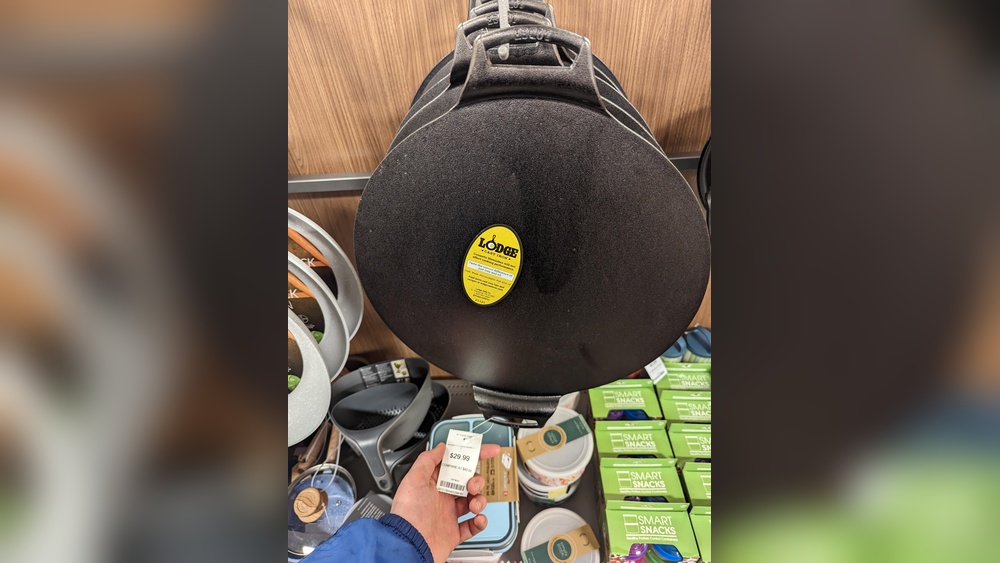
Cast iron pans usually cost between $20 and $70. Price depends on size and brand. Pizza stones range from $15 to $50. Larger or thicker stones cost more. Cast iron pans tend to be pricier but offer more cooking uses. Pizza stones are often cheaper but serve mostly for baking.
Availability In Stores And Online
Cast iron pans are widely available in most grocery and kitchen stores. They also sell easily online on many platforms. Pizza stones are found in specialty kitchen shops and online stores. Cast iron pans often have more brand options and styles. Pizza stones may have fewer choices but are easy to find online.
Long-term Investment Value
Cast iron pans last for decades if cared for properly. They improve with use and seasoning. Pizza stones can crack or wear out over time. They need careful handling and storage. Cast iron pans serve multiple cooking purposes, adding value beyond pizza. Pizza stones focus mainly on baking but can give good results.
User Preferences And Recommendations
User preferences play a big role in choosing between a cast iron pan and a pizza stone. Each tool offers unique benefits that suit different cooking styles and skill levels. Understanding these differences helps pick the best option for your needs.
Best Choice For Beginners
A cast iron pan is easier to handle for beginners. It heats quickly and holds heat well. You can use it on the stovetop and in the oven. This flexibility makes cooking pizza simpler for new cooks. Cleaning is straightforward with proper seasoning. It also reduces the chance of burning the pizza crust.
Ideal For Traditional Pizza Styles
Pizza stones excel at creating a crispy, evenly baked crust. They absorb moisture from the dough, resulting in a crunchier texture. This tool is perfect for thin-crust and Neapolitan-style pizzas. The stone mimics the heat of a brick oven, giving authentic results. Preheating the stone is essential for best performance.
Recommendations Based On Oven Types
For electric ovens, a pizza stone works best by evenly distributing heat. It helps avoid hot spots and cooks the pizza uniformly. Gas ovens pair well with cast iron pans due to quick heat conduction. Cast iron pans fit smaller ovens or toaster ovens better. Always ensure enough space for safe use of either tool.

Credit: www.reddit.com
Alternatives And Enhancements
Exploring alternatives and enhancements can improve your pizza baking experience beyond just cast iron pans or pizza stones. These tools each have unique features, but combining them or trying other options may yield better results. Experimenting with different setups helps find the perfect balance of heat retention and crispiness for your pizza crust.
Using Cast Iron With Baking Sheets
Placing a cast iron pan upside down on a baking sheet creates a stable hot surface. This setup mimics the heat retention of a pizza stone. The baking sheet catches any drips and makes handling easier. Preheat both the pan and sheet together for an even cooking temperature. This method helps achieve a crispy crust without the risk of burning your oven floor.
Pizza Steel As An Option
Pizza steel is a strong, flat metal plate that heats up quickly and holds heat well. It transfers heat to the pizza base faster than stone or cast iron. This results in a crispier crust in less time. Pizza steels are durable and easy to clean. They are a popular choice for home cooks who want professional-style pizza baking at home.
Combining Tools For Best Results
Using multiple tools can enhance your pizza baking. For example, place a pizza steel on the oven rack and a cast iron pan below to catch drips. Or use a pizza stone on one rack and a baking sheet on another to control cooking speed. Combining tools helps balance heat distribution and moisture control. This approach allows more flexibility to tailor cooking to your pizza style.
Frequently Asked Questions
Can I Use A Cast Iron Instead Of A Pizza Stone?
Yes, you can use a cast iron skillet instead of a pizza stone. Preheat it upside down for even heat distribution. It replicates a pizza stone’s effect well and crisps the crust effectively. Place it on a baking sheet for safety and easy handling.
What Should Never Be Cooked In A Cast Iron Pan?
Avoid cooking highly acidic foods like tomatoes, citrus, and vinegar in cast iron as they damage seasoning. Do not cook delicate fish or eggs in new or poorly seasoned pans to prevent sticking and metallic taste. Wait until the skillet is well-seasoned for these foods.
Are Cast Iron Pans Good For Pizza?
Cast iron pans heat evenly and retain heat well, making them excellent for crispy pizza crusts. They mimic pizza stones effectively.
Is It Better To Cook Pizza On A Stone Or Pan?
Cooking pizza on a stone offers even heat and a crisp crust. A pan heats faster and gives a softer base. For traditional, crispy pizza, use a stone. For convenience and quicker cooking, choose a pan. Both work well depending on your preferred crust texture.
Conclusion
Choosing between a cast iron pan and a pizza stone depends on your needs. Cast iron heats quickly and holds heat well for a crispy crust. Pizza stones distribute heat evenly and absorb moisture for a chewy base. Both tools improve homemade pizza quality in different ways.
Consider your cooking style and oven type before deciding. Either option brings tasty results to your kitchen. Experiment and enjoy making pizza your way.

As the author of the “Ultimate Pizza Guide: Recipes, Tips & Secrets Revealed,” I’m dedicated to sharing my love for pizza and empowering others to create delicious homemade pizzas with ease. Join me on a journey to uncover the secrets to perfecting your pizza game!