“Pizza Pan Seasoning Guide”
If you love making pizza at home, you know that the right pizza pan can make all the difference. But did you know that seasoning your pizza pan properly can take your homemade pies to the next level?
Seasoning creates a natural, non-stick surface that helps your crust bake evenly and slide right off the pan without sticking. Whether you have a cast iron, carbon steel, or even a baking steel pan, learning how to season it correctly will save you frustration and improve your pizza’s flavor and texture.
In this guide, you’ll discover simple, step-by-step tips to season your pizza pan like a pro and keep it in perfect shape for every pizza night. Ready to unlock the secret to perfect homemade pizza? Let’s dive in!

Credit: www.amazon.com
Seasoning Basics
Seasoning a pizza pan is key for perfect pizza every time. It creates a smooth, non-stick surface that improves with use. The process protects your pan from rust and helps pizzas cook evenly. Start with basic steps that anyone can follow.
Cleaning The Pan
Begin by washing the pan with warm, soapy water. This removes any factory oils or dust. Rinse well and dry completely. Drying in the oven helps remove all moisture. A dry pan is ready for oiling.
Choosing The Right Oil
Select an oil with a high smoke point. Good choices include avocado, grapeseed, or canola oil. Use a small amount and spread it thinly. Cover the entire pan, inside and out, including the edges. Wipe off extra oil until the surface feels almost dry.
Baking Process
Place the oiled pan in a preheated oven at about 400°F (200°C). Bake for one hour to let the oil bond to the metal. This creates a hard, dark layer called the seasoning. It protects the pan and makes it non-stick. Keep the oven door closed while baking.
Cooling Down
Turn off the oven and leave the pan inside to cool slowly. Rapid cooling can cause warping or damage. Let the pan cool completely before handling. This step finishes the seasoning process and keeps the surface smooth.
Aftercare Tips
Proper aftercare keeps your pizza pan in excellent condition. It protects the seasoning and extends the pan’s life. Following simple steps after each use helps maintain its non-stick surface. These tips focus on cleaning and building seasoning layers carefully.
Cleaning Without Soap
Avoid using soap on your seasoned pizza pan. Soap can strip away the protective oil layer. Instead, use a plastic scraper to remove stuck-on food gently. Wipe the pan with a dry cloth or paper towel. If needed, use warm water to rinse, then dry thoroughly. Drying prevents rust and keeps the seasoning intact.
Building Layers Over Time
Each time you cook, the seasoning layer improves. Lightly oil the pan after cleaning to protect it. This adds to the natural non-stick surface. Over time, the pan becomes darker and smoother. Consistent use and care strengthen the seasoning. Patience brings the best results for your pizza pan.
Preventing Sticking
Preventing sticking is crucial for a smooth pizza-making experience. A well-seasoned pizza pan helps release the crust easily. Avoiding sticking also protects the pan’s surface and keeps the pizza’s shape intact. Simple methods can make your pizza slide off effortlessly every time.
Using Parchment Paper
Parchment paper creates a non-stick barrier between the dough and pan. It is easy to cut to the pan’s size. Place it on the pan before adding dough. This prevents the crust from sticking during baking. It also makes cleanup quick and simple.
Applying Cornmeal Or Semolina
Sprinkle a thin layer of cornmeal or semolina on the pan. These coarse grains act like tiny ball bearings. They keep the dough lifted slightly from the pan’s surface. This reduces sticking and adds a slight crunch to the crust. Use just enough to cover the pan evenly.
Coating With Olive Oil
Brush the pizza pan lightly with olive oil. This creates a slick surface for the dough to slide on. Olive oil also adds flavor and helps brown the crust. Use a paper towel to spread the oil evenly. Avoid using too much to prevent greasy spots.
Advanced Nonstick Methods
Advanced nonstick methods improve your pizza pan’s performance beyond basic seasoning. These techniques help create a surface where dough slides off easily. They reduce sticking and make cleanup faster. Use these tips to enhance your pizza-making experience.
Combining Non-stick Spray And Oil
Start by applying a thin layer of high smoke-point oil on the pan. Use oils like avocado, grapeseed, or canola. Next, lightly spray a non-stick cooking spray over the oil. This combination forms a stronger barrier against sticking. It also helps the dough release smoothly during baking.
Preheating The Pan
Place the pizza pan in a hot oven for several minutes before adding dough. Preheating creates a sizzling surface that helps prevent sticking. It also promotes a crisp, golden crust. Handle the pan carefully as it will be very hot.
Speedy Dough Handling
Prepare and shape your dough quickly to keep it cool and elastic. Cold dough sticks less to the pan than warm dough. Avoid letting the dough sit too long on the pan before baking. Swift handling reduces the chance of sticking and helps maintain the dough’s texture.
Seasoning Different Pan Types
Seasoning pizza pans improves their surface and prevents sticking. Each pan type needs a specific seasoning method. Proper seasoning helps create a natural non-stick layer. It also protects the pan from rust and damage. Below are tips for seasoning different pizza pan materials.
Carbon Steel Pans
Carbon steel pans heat quickly and evenly. Wash the pan with warm, soapy water first. Dry it completely before seasoning. Apply a thin layer of high smoke-point oil all over the pan. Use oils like canola or grapeseed. Heat the pan in the oven at 400°F (200°C) for one hour. Let the pan cool inside the oven. Repeat this process 2-3 times for a strong seasoning layer.
Cast Iron Pans
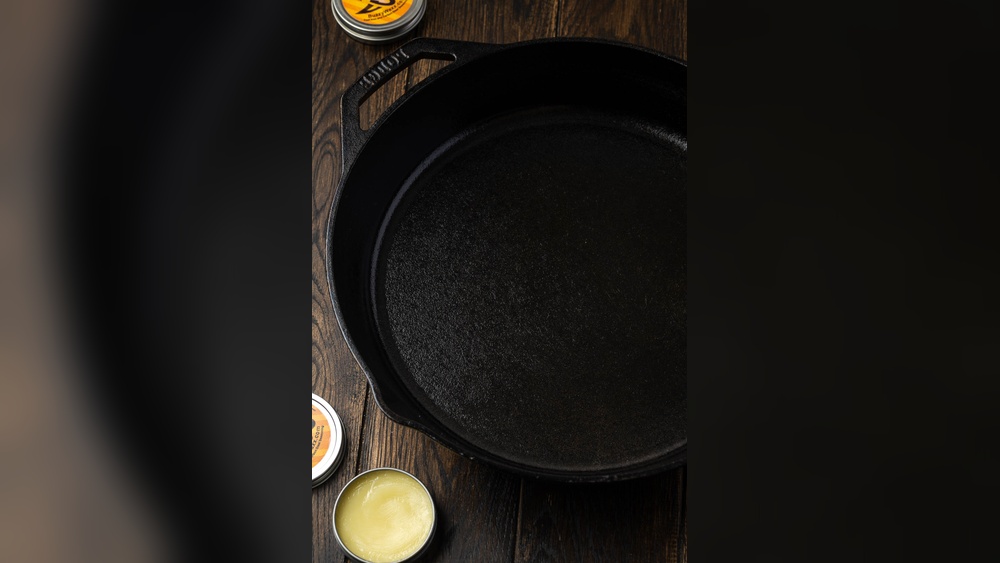
Cast iron pans come pre-seasoned but benefit from extra care. Clean the pan with warm water and a brush, no soap. Dry it well to avoid rust. Rub a thin coat of oil over the entire surface. Heat the pan upside down in the oven at 450°F (230°C) for one hour. Place foil below to catch drips. Cool the pan inside the oven before use. Re-season regularly after cooking to maintain the coating.
Pizza Baking Steels
Pizza steels need seasoning to prevent rust and stickiness. Start by washing with warm soapy water. Dry the steel completely with a cloth or heat it slightly. Coat the steel lightly with a high smoke-point oil. Wipe off excess oil to avoid sticky spots. Place the steel in a hot oven at 450°F (230°C) for 45 minutes. Allow it to cool in the oven. Repeat as needed to build a solid seasoning layer.
.jpeg?v=1762287460152&options=w_870,h_700 "Pizza Pan Seasoning Guide: Ultimate Tips for Perfect Nonstick Pans 3")
Credit: www.greenpan.us

Credit: www.solidteknics.com
Frequently Asked Questions
How Do You Season A Pizza Pan?
Clean the pan with warm, soapy water and dry it thoroughly. Apply a thin layer of high smoke-point oil. Bake at 400°F for one hour. Let the pan cool inside the oven. Repeat after each use to maintain seasoning and prevent sticking.
Should I Season Cast Iron At 350 Or 450?
Season cast iron at 450°F for optimal seasoning. This high heat helps oil polymerize, creating a durable, non-stick surface. Baking at 350°F may not fully develop the seasoning layer. Always use a high smoke-point oil and bake for one hour for best results.
What To Put On A Pizza Pan To Prevent Sticking?
To prevent sticking, coat the pizza pan with olive oil, cornmeal, semolina, or use parchment paper dusted with flour.
What Seasoning Should I Put On My Pizza?
Season your pizza with oregano, basil, garlic powder, crushed red pepper, and a pinch of salt. Fresh herbs enhance flavor.
Conclusion
Seasoning your pizza pan protects it and improves pizza quality. Clean the pan well before applying a thin oil layer. Bake the oiled pan to create a strong, non-stick surface. Cool the pan slowly inside the oven for best results.
Avoid soap when cleaning; use a scraper and dry cloth instead. Each pizza you bake adds to the seasoning, making your pan better over time. Proper care keeps your pan working well and your pizzas delicious. Enjoy cooking with a well-seasoned pizza pan every time.

As the author of the “Ultimate Pizza Guide: Recipes, Tips & Secrets Revealed,” I’m dedicated to sharing my love for pizza and empowering others to create delicious homemade pizzas with ease. Join me on a journey to uncover the secrets to perfecting your pizza game!