Inflammation is a natural immune response to injury or infection, and pizza and inflammation myths often confuse people by labeling common foods as inherently harmful. While certain ingredients in highly processed pizzas can trigger systemic inflammation in some individuals, the dish itself isn’t a singular cause of chronic health issues. You should focus on the quality of the fats, the type of flour, and the total sodium content rather than fearing the meal as a whole.
Debunking pizza inflammation myths

| What most people do | What to do instead | Why it matters |
|---|---|---|
| Eat highly processed frozen pizza | Make pizza with fresh dough | Reduces hidden sugar intake |
| Use only white flour crust | Mix in whole wheat flour | Increases fiber for digestion |
| Add processed meat toppings | Use fresh vegetable toppings | Lowers saturated fat levels |
| Eat until feeling very full | Portion one or two slices | Prevents blood sugar spikes |
| Ignore the ingredient labels | Read sodium and fat counts | Avoids excess inflammatory additives |
| Drink sugary soda with pizza | Drink plain sparkling water | Removes unnecessary liquid calories |
Adjusting your pizza ingredients for health
People often assume that all pizza is inflammatory because of the refined carbohydrates in the crust. While refined wheat can spike blood glucose, which is linked to inflammation, you can mitigate this by choosing fermented sourdough or whole-grain bases. The fermentation process used in traditional sourdough may lower the glycemic index of the bread, leading to a slower release of energy.
The primary concern for most diners is the quality of the toppings. Processed meats like pepperoni or sausage contain high levels of sodium and nitrates, which are associated with increased markers of inflammation in some studies. According to the Harvard T.H. Chan School of Public Health, replacing saturated animal fats with healthier unsaturated fats from sources like olive oil or nuts helps maintain a balanced inflammatory response.
If you’re sensitive to dairy, you might find that traditional mozzarella causes bloating or discomfort. In this case, try smaller portions of aged cheeses or plant-based alternatives that lack the proteins that often trigger digestive stress. If you feel tired after a meal, it’s likely the result of a high-sodium, high-carb load rather than a single inflammatory reaction to the pizza itself.
Choosing better toppings and cooking methods

The second common error is overloading a pizza with heavy, salty sauces and fatty cheeses. A heavy layer of cheese can contain more than 10 grams of saturated fat per serving, depending on the brand and thickness of the layer. By choosing a light tomato base and using fresh herbs like basil or oregano, you add antioxidants that help balance the meal.
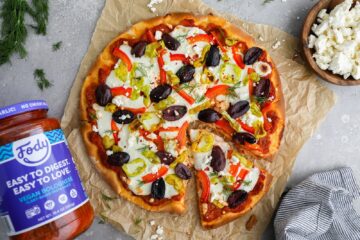
Vegetables are your best tool for reducing the overall inflammatory potential of your slice. Bell peppers, onions, spinach, and mushrooms provide essential micronutrients that counteract the saltiness of the dough and cheese. If you cook your vegetables briefly before adding them, you ensure they retain their texture without releasing excess water that makes the crust soggy.
The amount of oil matters significantly as well. Many commercial pizzas are brushed with excess butter or low-quality vegetable oils to improve flavor. You can replace these by drizzling a small amount of extra virgin olive oil over your cooked pizza at the table. This adds healthy fats without exposing the oil to the high heat of the oven, which can sometimes degrade the quality of delicate fats.
Balancing your portions and frequency
The frequency of your pizza consumption is the most important factor in managing systemic health. Eating pizza once a week is rarely an issue for a healthy, active person, but daily consumption of highly processed versions will likely lead to weight gain. Weight gain itself is a primary driver of chronic inflammation, regardless of the specific food you eat.
If you’re training for a sport or have high daily activity levels, your body can process the carbohydrates in a pizza crust more efficiently. If you have a sedentary job, you should aim for a thinner crust and a higher ratio of vegetable toppings to keep your overall caloric load manageable. You can gauge how well your body handles a meal by tracking your energy levels and digestion about two hours after eating.
If your energy crashes consistently, try reducing your portion by 25% or swapping the white flour for a high-fiber alternative. The goal is to avoid the “food coma” that comes from massive carbohydrate intake. By focusing on volume through vegetables rather than volume through dough, you keep your meal satisfying without putting unnecessary stress on your metabolic system.
Popular tips you should ignore
- Avoid all gluten to prevent inflammation: This is only true if you have celiac disease or a diagnosed sensitivity, as gluten itself doesn’t cause inflammation in everyone.
- Pizza is always junk food: A homemade pizza with fresh vegetables and lean protein is a balanced meal that fits into many healthy dietary patterns.
- Dairy is always inflammatory: While some people are lactose intolerant, fermented dairy products like mozzarella are often tolerated well by many adults.
- Tomatoes are inflammatory because they’re nightshades: There’s no clinical evidence that tomatoes cause systemic inflammation in the general population; they’re actually rich in beneficial lycopene.
Creating a balanced pizza at home

- Start by mixing 2 cups of whole wheat flour with 1 cup of all-purpose flour for your base, which increases the fiber content per serving compared to white flour alone.
- Prepare a simple sauce using crushed tomatoes, garlic, and fresh herbs to avoid the added sugars and high sodium levels found in most pre-made jarred pizza sauces.
- Add 1 cup of fresh vegetables like sliced zucchini or bell peppers, which provide antioxidants and fiber that help slow down the absorption of carbohydrates during your meal.
- Use 1/2 cup of shredded mozzarella or fresh buffalo mozzarella per person, which limits your intake of saturated fat while still providing the texture and flavor you expect.
- Bake at 450 degrees Fahrenheit for 10 to 12 minutes until the crust is golden, checking that the vegetables are tender but not burnt, which preserves their nutritional value.
- Finish your pizza with a light drizzle of extra virgin olive oil, which adds heart-healthy fats, and serve with a side salad to ensure your meal is balanced with greens.
Frequently asked questions
Can pizza cause long-term inflammation?
Pizza itself doesn’t cause long-term inflammation, but frequent consumption of highly processed versions with high sodium and sugar levels can contribute to weight gain. Chronic inflammation is usually the result of long-term lifestyle factors, including overall dietary patterns, physical inactivity, and excess body fat, rather than one specific food item or dish.
Is thin crust better for inflammation?
Thin crust is often better for managing blood sugar spikes, as it contains fewer refined carbohydrates than thick, pan-style crusts. By reducing the total amount of flour in your meal, you minimize the glycemic response, which helps keep your insulin levels stable and lowers the risk of post-meal inflammation.
Why do I feel bloated after eating pizza?
Bloating after pizza is usually caused by high sodium content or the difficulty of digesting large amounts of refined wheat and dairy. You can check your own sensitivity by tracking if you feel the same way after eating other bread products or dairy items; if not, your pizza choice may simply be too heavy.
Does the type of cheese matter?
The type of cheese matters because of the varying levels of saturated fat and sodium between different varieties. Fresh mozzarella generally has lower sodium than processed cheese blends, making it a better choice for those who are watching their salt intake to avoid fluid retention and digestive discomfort.
How often can I eat pizza?
You can safely eat pizza once or twice a week if it fits within your overall caloric and nutritional needs. There’s no magic number of days, but you should balance your intake by ensuring other meals during the week are rich in fruits, vegetables, and lean sources of protein.
Is it safe to eat pizza if I have high blood pressure?
It’s safe to eat pizza if you monitor the sodium content, as high sodium intake can raise blood pressure levels in sensitive individuals. Always read the nutrition label on frozen pizzas or ask for low-sodium options when dining out to keep your daily intake within the guidelines set by your doctor.
Conclusion
The most effective way to enjoy pizza without health concerns is to prioritize fresh, whole ingredients and watch your portion sizes. By controlling what goes into your crust and choosing nutrient-dense toppings, you can turn a classic meal into a balanced part of your weekly routine. Focus on how your body feels after eating and adjust your ingredients to find the balance that works best for your personal health goals.

As the author of the “Ultimate Pizza Guide: Recipes, Tips & Secrets Revealed,” I’m dedicated to sharing my love for pizza and empowering others to create delicious homemade pizzas with ease. Join me on a journey to uncover the secrets to perfecting your pizza game!