When it comes to baking the perfect pizza at home, the choice of your pizza pan can make all the difference. You might be wondering: should you go for a steel pizza pan or an aluminum one?
Both materials have their fans, but they perform differently and affect your pizza’s crust, cooking time, and even the cleanup. If you want to know which pan will help you achieve that crispy, golden crust and make your pizza nights a hit, keep reading.
By the end of this article, you’ll have a clear answer tailored to your cooking style and needs. Let’s dive into the real differences between steel and aluminum pizza pans so you can pick the one that’s perfect for your kitchen.
Material Properties
Choosing between steel and aluminum pizza pans starts with understanding their material properties. These properties affect how each pan performs in baking, how long it lasts, and how it interacts with food. Knowing these differences helps you pick the right pan for your pizza needs.
Thermal Conductivity
Aluminum has excellent thermal conductivity. It heats up quickly and spreads heat evenly. This means your pizza crust cooks uniformly without hot spots. Steel also conducts heat well but not as fast as aluminum. Steel retains heat longer, which can help create a crispier crust. Both materials perform well, but aluminum is faster to heat.
Durability And Maintenance
Steel pans are very durable and can handle heavy use. They resist dents and scratches better than aluminum. However, steel can rust if not dried properly. Aluminum pans are lightweight and affordable but can bend or dent easily. Aluminum also wears down faster with regular use. Both need care, but steel requires seasoning or coating to prevent rust.
Reactivity With Foods
Aluminum is reactive with acidic foods like tomatoes or citrus. This can change the taste and color of your pizza. It may also cause small amounts of aluminum to leach into food. Steel is non-reactive and safer for cooking all types of pizza toppings. For acidic ingredients, steel offers a more neutral cooking surface without affecting flavor.

Credit: www.amazon.com
Baking Performance
Baking performance plays a key role in choosing the right pizza pan. Both steel and aluminum pans have strengths. Understanding how they bake pizza helps pick the best one for your kitchen. This section breaks down their baking qualities in simple terms.
Heat Distribution
Steel pans heat up evenly and keep heat steady. This helps cook pizza crusts without hot spots. Aluminum pans heat quickly but cool down faster. They may create uneven cooking if heat is not controlled well. Steel’s ability to hold heat means a more consistent bake throughout.
Crust Texture Results
Steel pans create a crispier and crunchier crust. They conduct heat strongly, which crisps the dough bottom well. Aluminum pans often produce a softer crust with a lighter texture. This makes steel better for those who like a firm, crunchy pizza base. Aluminum suits those who prefer a tender bite.
Preheating Requirements
Steel pans need longer preheating because they take time to reach full temperature. This delay ensures the heat is well absorbed and steady. Aluminum pans heat fast and require less preheating time. Quick heat-up can save time but risks uneven baking if oven temperature fluctuates. Patience with steel pans usually gives better results.
Health And Safety
Health and safety play a key role in choosing between steel and aluminum pizza pans. The materials can affect food quality and your well-being. Understanding metal leaching, seasoning, and safe cooking helps you make the right choice. This section covers important facts to keep your meals safe and tasty.
Metal Leaching Risks
Steel pizza pans, especially stainless steel, rarely leach metals into food. They are mostly non-reactive. Aluminum pans, on the other hand, can react with acidic foods like tomatoes. This reaction may cause aluminum to leach into your food. Long-term exposure to aluminum is linked to health concerns. Some older or imported aluminum pans might also contain lead. Using hard-anodized aluminum reduces these risks by creating a protective layer.
Seasoning And Rust Prevention
Steel pans need seasoning to prevent rust and sticking. Seasoning forms a natural non-stick layer. It also protects the pan from moisture and air. Aluminum pans do not rust but can discolor with time. They usually do not require seasoning. Proper care extends the life of both pans and maintains food safety. Avoid soaking steel pans in water to stop rust. Dry them thoroughly after washing.
Safe Cooking Practices
Use moderate heat to avoid damaging pans. Avoid cooking highly acidic foods in bare aluminum pans. This limits metal leaching risks. Preheat your pan before adding dough to ensure even cooking. Clean pans gently with non-abrasive tools. Avoid metal utensils on seasoned steel to protect the coating. Store pans in dry places to prevent rust and contamination. Following these steps keeps your cooking safe and healthy.
Cost And Availability
Choosing between a steel pizza pan and an aluminum one depends on cost and availability. These factors influence your buying decision and cooking experience. Both materials offer benefits, but prices and how easy they are to find can vary. Understanding this helps pick the right pan for your needs and budget.
Price Comparison
Steel pizza pans usually cost more than aluminum ones. Steel is heavier and often thicker, adding to the price. Aluminum pans are lighter and cheaper to produce. Many budget-friendly options exist for aluminum. Steel pans tend to be an investment that lasts longer. Prices for both types can vary based on brand and size.
Longevity And Value
Steel pans last longer than aluminum if cared for well. They resist warping and can handle high heat better. Aluminum pans may bend or dent over time. Steel pans may need seasoning to prevent rust. Aluminum pans often come with non-stick coatings, but these can wear off. Spending more on steel can save money in the long run.
Market Options In Austin, Texas
Austin offers many stores selling both steel and aluminum pizza pans. Local kitchen supply shops often stock steel pans from well-known brands. Aluminum pans are widely available in big-box stores and online. Specialty stores in Austin may offer artisanal or heavy-duty steel pans. Prices and stock can change seasonally, so check stores regularly.
User Experience
Choosing between a steel pizza pan and an aluminum one involves more than just cooking results. User experience plays a big role in how much you enjoy baking your pizza. Comfort, ease, and convenience affect your kitchen routine daily. Understanding these factors helps pick the best pan for your needs.
Ease Of Cleaning
Steel pans often need seasoning to keep food from sticking. This step can make cleaning easier but requires extra care. Aluminum pans usually have a non-stick coating, making them simpler to clean. They resist stains and can be washed with soap and water without much effort. Steel pans may rust if not dried properly after washing.
Weight And Handling
Steel pans are heavier than aluminum ones. The extra weight gives a solid feel but can be tiring to lift. Aluminum pans are light and easy to handle, especially when full of pizza. For people with less arm strength, aluminum is more comfortable to use. Steel’s weight helps it stay stable on the oven rack.
Compatibility With Ovens
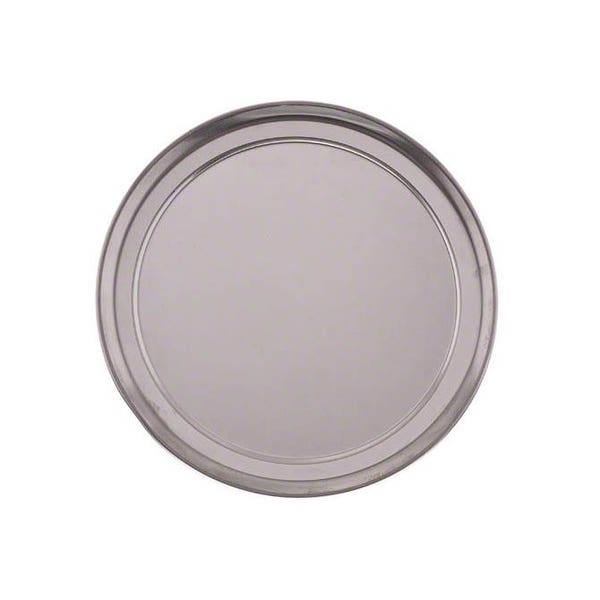
Both steel and aluminum pans work well in most ovens, including gas, electric, and convection. Steel pans hold heat longer, which can improve crust texture. Aluminum heats up quickly and cools down faster, giving more control over baking time. Neither pan is safe for microwave use, so stick to traditional ovens.
Credit: www.equippers.com
Specialized Pan Types
Specialized pizza pans offer unique benefits beyond basic steel or aluminum. These pans use advanced materials and coatings to improve heat distribution and durability. Each type suits different cooking styles and needs. Understanding these options helps pick the right pan for your pizza baking.
Hard-anodized Aluminum
Hard-anodized aluminum pans resist scratches and corrosion. They conduct heat evenly, ensuring a crisp pizza crust. The anodizing process creates a non-reactive surface that prevents aluminum from leaching into food. These pans stay strong and last longer than regular aluminum ones.
Clad Stainless Steel
Clad stainless steel pans combine layers of metal. An aluminum core sits inside stainless steel layers. This design offers fast, even heating and a safe, non-reactive cooking surface. Clad pans resist rust and are easy to clean. They provide excellent durability for daily use.
Carbon Steel Alternatives
Carbon steel pans heat quickly and hold heat well. They create a crispy base similar to cast iron but are lighter. Carbon steel needs seasoning to prevent rust and improve non-stick properties. It is a popular choice for those who want strong heat without heavy weight.
Choosing The Right Pan
Choosing the right pan affects your pizza’s taste and texture. The pan material changes how heat spreads and how the crust cooks. Steel and aluminum are popular choices. Each offers unique benefits and some drawbacks. Picking the best one depends on your needs and baking style.
Consider your experience, health concerns, and budget to find the perfect pan. Understanding these factors helps you bake better pizzas every time.
For Beginners
Aluminum pans heat quickly and are light to handle. They warm up fast, helping you bake pizzas evenly. These pans are easy to clean and maintain. Beginners find aluminum less intimidating and more forgiving. Steel pans are heavier and need seasoning to prevent rust. For new bakers, aluminum saves time and effort.
For Health-conscious Bakers
Steel pans are non-reactive and do not leach metals into food. Aluminum can react with acidic toppings like tomatoes, causing slight metal transfer. Hard-anodized aluminum reduces this risk but may cost more. Steel pans offer peace of mind for those worried about food safety. They stay durable and safe for long-term use.
For Budget Shoppers
Aluminum pans are often cheaper than steel ones. They provide good heat conduction at a lower price. Steel pans tend to be more expensive but last longer. If your budget is tight, aluminum is a solid choice. Look for thick-gauge aluminum for better durability. It balances cost and performance well.
Credit: kafaatsa.com
Frequently Asked Questions
Is Aluminum Or Steel Better For Pizza?
Steel and aluminum both bake pizza well. Aluminum heats quickly and is lightweight. Steel retains heat longer and offers a crispier crust. Steel can rust and needs seasoning; aluminum resists rust but may stick without coating. Choose based on preferred crust texture and maintenance.
What Is The Best Pan To Cook Pizza On?
The best pan for cooking pizza is cast iron or a pizza stone. Both provide even heat and crisp crusts. Preheat the pan well for optimal results.
What Is Healthier To Cook With Stainless Steel Or Aluminum?
Stainless steel is healthier for cooking as it is non-reactive and doesn’t leach metals. Aluminum can react with acidic foods, risking metal exposure. Clad stainless steel with an aluminum core combines safety and even heating. Avoid bare aluminum for acidic dishes to reduce health risks.
What Are The Downsides Of Carbon Steel Pans?
Carbon steel pans require regular seasoning to prevent rust and maintain non-stick properties. They can be heavy and prone to uneven heating. They also react with acidic foods, which may alter taste or damage the pan’s surface over time.
Conclusion
Choosing between steel and aluminum pizza pans depends on your needs. Steel heats quickly and gives a crisp crust. Aluminum distributes heat evenly and is lightweight. Steel may rust if not cared for properly. Aluminum can react with acidic toppings unless coated.
Both require seasoning to prevent sticking. Consider durability, maintenance, and cooking style. Pick the pan that fits your kitchen and pizza preferences best.

As the author of the “Ultimate Pizza Guide: Recipes, Tips & Secrets Revealed,” I’m dedicated to sharing my love for pizza and empowering others to create delicious homemade pizzas with ease. Join me on a journey to uncover the secrets to perfecting your pizza game!