“Are Perforated Pizza Pans Healthier”
When you’re making pizza at home, you want that perfect crust—crispy, not soggy, with just the right chewiness. But have you ever wondered if the type of pizza pan you use can actually affect not just the taste, but also how healthy your pizza turns out?
Perforated pizza pans, the ones with tiny holes, are getting a lot of attention lately. They promise a crispier crust by letting moisture escape and heat circulate better. But does that mean they’re healthier for you? Or is it just a cooking trick?
If you want to know how your choice of pan impacts your pizza’s texture, cooking time, and even health benefits, keep reading. This guide will help you decide if a perforated pizza pan is the right tool for your next homemade pie—and how it can make your pizza experience better and possibly healthier.
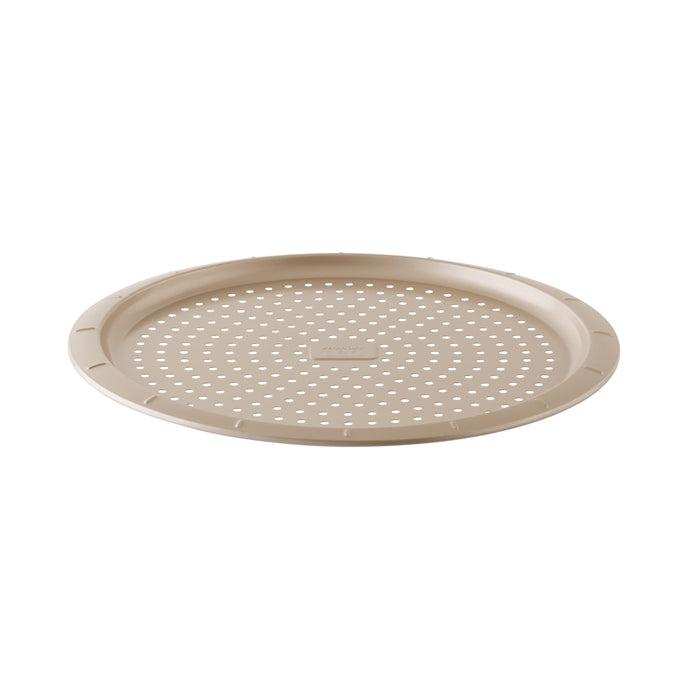
Credit: www.shopberghoff.com
Perforated Vs Solid Pans
Choosing between perforated and solid pizza pans affects your pizza’s final taste and texture. Both types offer unique benefits. Understanding these differences helps you pick the right pan for your cooking style and pizza preference.
Crispiness And Texture
Perforated pans allow air to reach the crust from below. This creates a crispier, crunchier base. Thin crust pizzas benefit most from this. Solid pans trap moisture, making the crust softer and chewier. They work well for thick or deep-dish pizzas.
Moisture And Heat Circulation
Holes in perforated pans let steam escape during baking. This reduces sogginess by preventing moisture buildup. Heat circulates more evenly under the pizza. Solid pans hold moisture, which keeps the dough moist. This can cause a soggy bottom if not cooked carefully.
Cooking Speed And Evenness
Perforated pans heat up quickly and cook the bottom faster. They help avoid undercooked dough in the center. Solid pans heat slower and may cook unevenly. You might need longer baking times with a solid pan to get a cooked crust.
Cleaning And Maintenance
Solid pans are easier to clean because they have no holes. Food does not get stuck in tiny openings. Perforated pans require more effort to clean. Dough and cheese can get trapped in the holes. Careful scrubbing is needed to keep them hygienic.
Health Aspects Of Perforated Pans
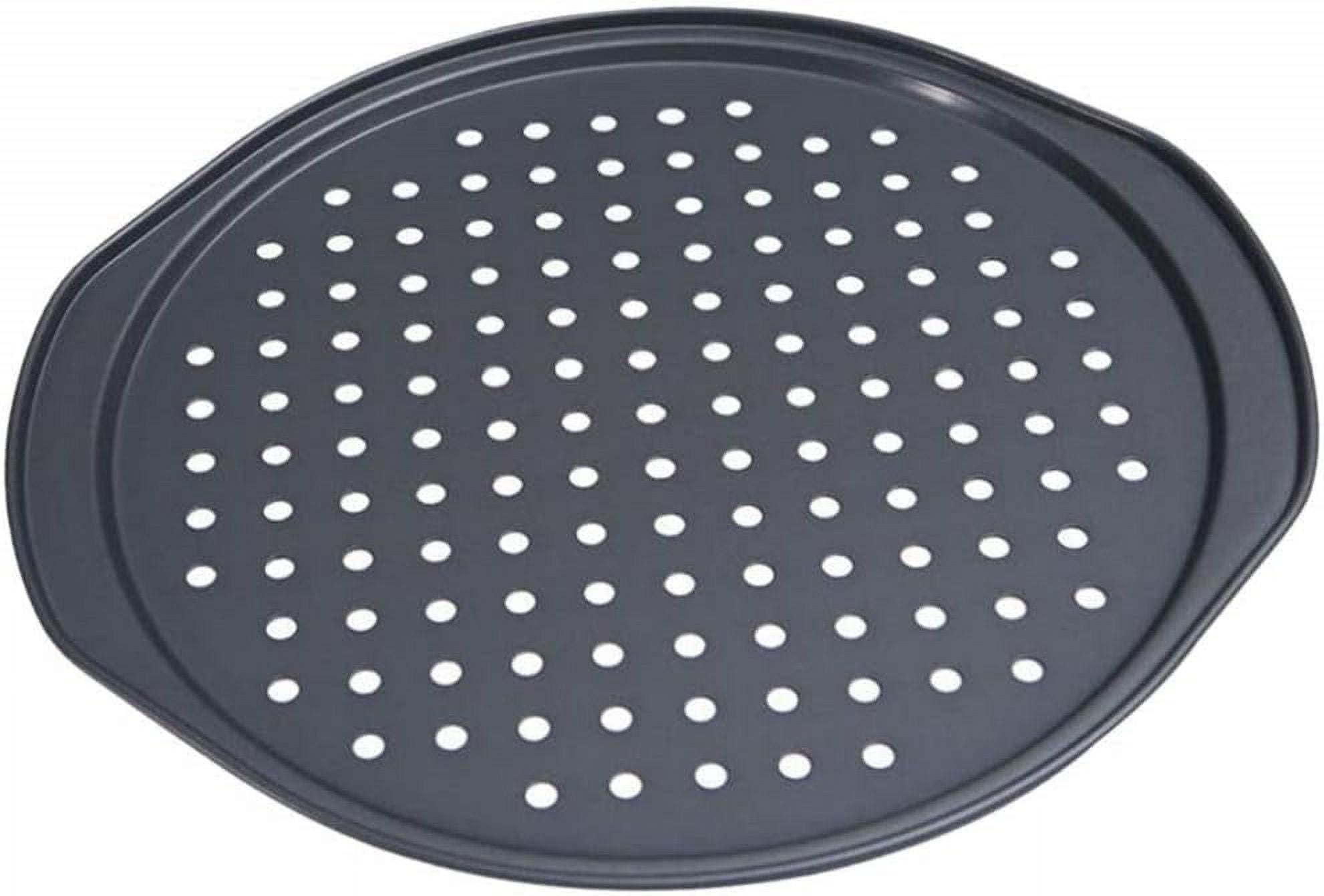
Perforated pizza pans offer unique health benefits due to their design. The small holes allow heat and air to reach the dough directly. This changes how the pizza cooks and affects its nutritional profile. Understanding these health aspects helps make smarter choices for homemade pizza.
Impact On Oil And Fat Usage
Perforated pans reduce the need for extra oil. The holes allow excess grease to drip away from the crust. This lowers the overall fat content of the pizza. Less oil means fewer calories and a lighter meal. Bakers often use less butter or oil to prevent sticking.
Effect On Crust Digestibility
The holes create a crispier crust that cooks evenly. A well-cooked crust is easier to digest. Moisture escapes through the holes, preventing soggy areas. This reduces the chance of bloating or discomfort. A crisp crust breaks down better during digestion.
Prevention Of Soggy Crust
Soggy crusts trap moisture and feel heavy. Perforated pans allow steam to escape quickly. This keeps the crust dry and firm. A dry crust holds toppings better and tastes fresher. Avoiding sogginess also helps reduce the growth of bacteria.
Crust Styles And Pan Choice
Choosing the right pizza pan impacts the crust style and overall pizza quality. Perforated pans and solid pans affect how heat and moisture interact with the dough. Understanding these effects helps you pick the best pan for your preferred crust.
Different crust styles need different pan types. A thin crust needs a pan that allows moisture to escape. Thick crusts benefit from pans that keep moisture inside for softness.
Thin Crust Preferences
Thin crust lovers want a crispy, crunchy base. Perforated pizza pans work well here. The holes let moisture escape quickly. This stops the crust from becoming soggy. Heat circulates better, cooking the crust evenly. The result is a light, crisp pizza bottom.
Solid pans hold moisture and heat under the dough. This can make thin crusts softer and sometimes soggy. So, a perforated pan is best for thin crust pizza fans.
Thick And Deep Dish Options
Thick crust and deep dish pizzas need a different approach. They require a soft, chewy crust with a moist interior. Solid pizza pans keep heat and moisture trapped inside. This helps the dough cook fully without drying out.
Perforated pans can dry out thick crusts too much. However, for deep dish pizzas with heavy toppings, some holes help prevent sogginess in the center. Balance is key to avoid over-drying.
New York-style Considerations
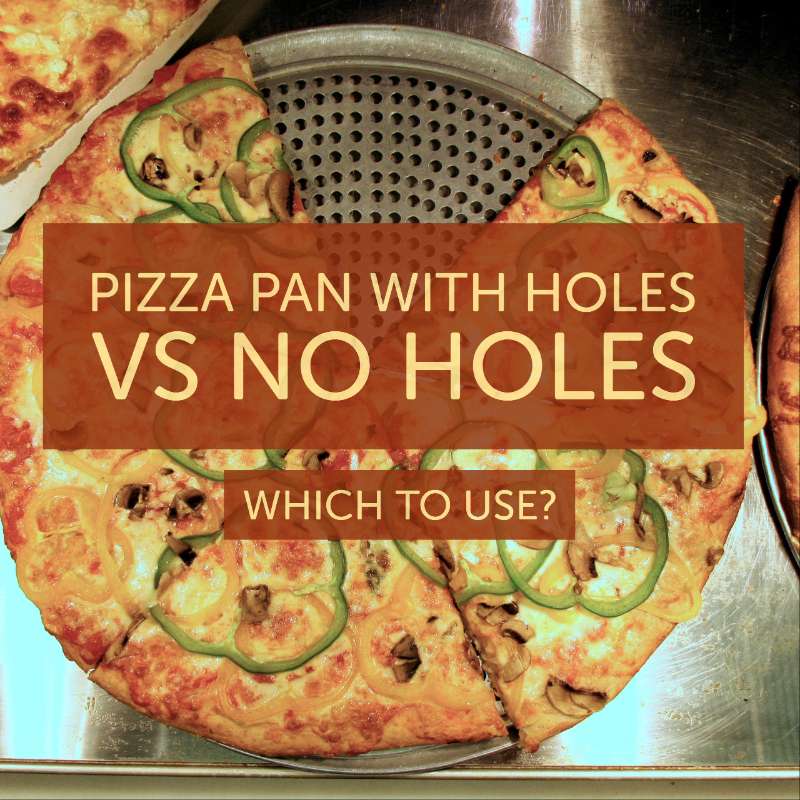
New York-style pizzas are known for their thin, foldable crust. A perforated pan supports this style by creating a crisp bottom. The holes allow steam to escape, avoiding a wet crust.
Solid pans make the crust softer and chewier. This does not suit the classic New York pizza texture. Perforated pans help achieve the right crispness without burning.
Credit: www.patioandpizza.com
Alternative Tools For Crispiness
Achieving a crispy pizza crust does not rely solely on perforated pans. Several alternative tools and techniques can help create that perfect crunch. These options work by improving heat distribution and moisture control during baking. Exploring these alternatives can enhance your pizza experience without depending only on perforated pans.
Pizza Screens
Pizza screens are round mesh trays made of aluminum or steel. They allow hot air to circulate under the dough. This airflow helps dry out the crust’s bottom, making it crispier. Screens also prevent soggy spots by letting moisture escape quickly. They are lightweight and easy to handle. Cleaning a pizza screen is simple since food doesn’t stick easily.
Pizza Stones
Pizza stones are thick slabs of ceramic or cordierite. They absorb and evenly distribute heat in the oven. The stone’s surface draws moisture from the dough, resulting in a crunchier crust. It mimics the effect of baking in a traditional brick oven. Preheating the stone before placing the pizza is essential. This tool also retains heat, which helps cook the pizza evenly.
Docking Techniques
Docking means making small holes in the dough before baking. These holes stop large air bubbles from forming. Docking allows steam to escape, preventing soggy areas. It helps the crust bake evenly and stay flat. This technique works well with solid pans that lack holes. Using a fork or docking tool makes this process quick and easy.
Practical Tips For Using Perforated Pans
Using perforated pizza pans can enhance your baking experience and improve crust texture. These pans allow heat to pass through holes, creating a crispier bottom. Practical tips help avoid common pitfalls and make the most of this tool. Follow simple guidelines to enjoy better pizzas and keep your pan in good shape.
Avoiding Over-crisping
Perforated pans cook faster due to better air flow. Watch your pizza closely to prevent burning. Set a timer and check the crust a few minutes before the usual time. Lower oven temperature slightly to slow down cooking if needed. Avoid placing the pan too close to the heating element.
Managing Toppings
Holes can let small toppings fall through during baking. Use larger pieces of vegetables or meats to avoid this. Spread toppings evenly without piling them too thick. Consider placing a thin layer of cheese or sauce on the dough first. This helps hold the toppings in place and prevents them from slipping.
Cleaning Strategies
Cleaning perforated pans requires extra care. Use a soft brush to remove stuck food from holes. Avoid abrasive cleaners that can damage the pan’s surface. Wash with warm, soapy water soon after use. Dry the pan completely to stop rust from forming. Regular cleaning keeps the pan safe and extends its life.
Credit: comunisostenibili.eu
Frequently Asked Questions
Is It Better To Have A Pizza Pan With Holes Or No Holes?
A pizza pan with holes creates a crispier crust by allowing moisture to escape, ideal for thin crusts. Solid pans retain moisture, producing a softer, chewier crust, better for thick or deep-dish pizzas. Choose based on your preferred crust texture and pizza style.
What Is The Benefit Of A Perforated Pizza Pan?
A perforated pizza pan promotes a crispier crust by letting moisture escape and heat circulate evenly. It prevents soggy bottoms and speeds up baking, especially for thin crust pizzas.
Is It Better To Have A Solid Or Perforated Pizza Peel?
A perforated pizza peel reduces dough sticking and helps launch pizzas easily. Solid peels offer more support but may cause sticking. Choose perforated for thin crusts and quick transfers; solid works better for thick or heavy pizzas needing extra stability.
Is A Perforated Pizza Pan Better Than A Pizza Stone?
A perforated pizza pan creates a crispier crust by allowing moisture to escape. A pizza stone offers even heat but may retain moisture, making crust less crispy. Choose perforated pans for thin, crunchy crusts and pizza stones for traditional, evenly baked pizzas.
Conclusion
Choosing a perforated pizza pan can help make your crust crispier. The holes let moisture escape and heat circulate well. This works best for thin, crunchy pizzas. Solid pans keep moisture in, making the crust softer and chewier. They suit thick or deep-dish styles better.
Cleaning is easier with solid pans, while perforated ones may trap bits of food. Consider your preferred crust texture and pizza style before deciding. Both types have unique benefits that affect cooking and taste. Try both to see which fits your pizza needs best.
As the author of the “Ultimate Pizza Guide: Recipes, Tips & Secrets Revealed,” I’m dedicated to sharing my love for pizza and empowering others to create delicious homemade pizzas with ease. Join me on a journey to uncover the secrets to perfecting your pizza game!