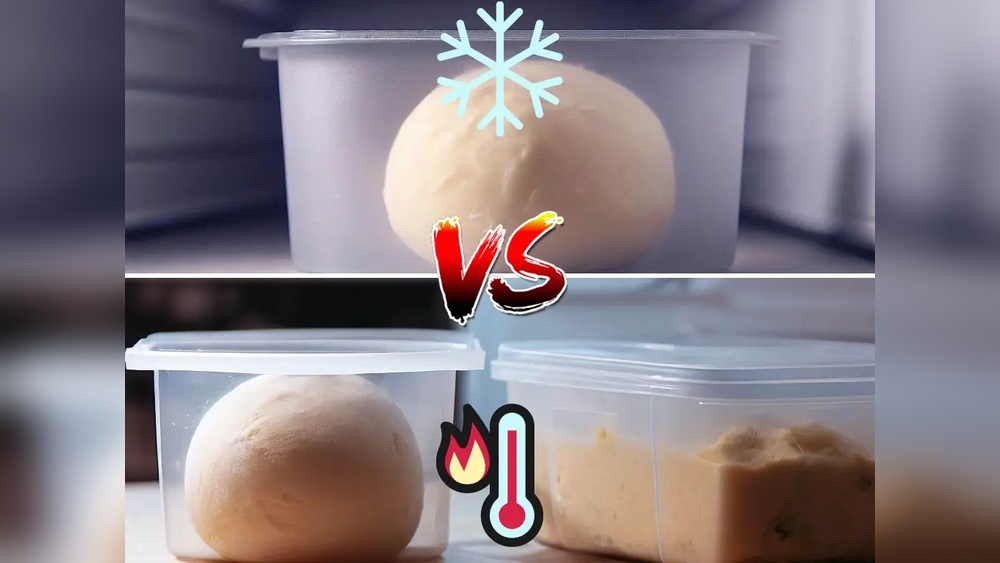
You want your homemade pizza to taste amazing, right? One of the biggest secrets to that perfect crust lies in how you handle your pizza dough fermentation temperature.
It’s not just about mixing ingredients and waiting—it’s about controlling the temperature to unlock flavors and achieve the ideal texture. If you’ve ever wondered why some pizzas have that perfect chew and bubbly crust while others fall flat, understanding dough fermentation temperature is the key.
Keep reading, and you’ll discover simple tips to master your dough’s temperature, so every pizza you make feels like it’s straight from a pizzeria.
Fermentation Basics
Fermentation plays a key role in making pizza dough soft and tasty. It changes simple ingredients into a dough with good flavor and texture. Temperature controls how fast or slow this process happens. Understanding fermentation basics helps you bake better pizza.
Proper fermentation creates air pockets inside the dough. These pockets make the dough light and chewy after baking. Too hot or too cold temperatures can hurt the dough’s rise and flavor.
What Fermentation Does
Fermentation is a natural process where yeast eats sugar in the dough. It produces carbon dioxide and alcohol. Carbon dioxide makes the dough rise by creating bubbles. Alcohol adds flavor and aroma to the pizza crust. This process also improves the dough’s texture and digestibility.
Yeast And Temperature
Yeast works best in warm temperatures between 75°F and 85°F (24°C to 29°C). Below this, yeast slows down and fermentation takes longer. Above this, yeast can die or produce off-flavors. Cold fermentation in the fridge slows yeast and improves flavor over time.
Fermentation Stages
Fermentation has two main stages: bulk fermentation and proofing. Bulk fermentation is when the dough first rises after mixing. Proofing happens after shaping the dough into balls or bases. Each stage needs different temperatures and times to develop good texture and taste.
Credit: www.pizzablab.com
Ideal Temperatures
Temperature plays a key role in how pizza dough ferments. It affects yeast activity, flavor, and dough texture. Finding the ideal temperature ensures your dough rises well and tastes great. Different fermentation methods use different temperature ranges. Each range has its own benefits and risks to consider.
Room Temperature Range
Room temperature fermentation usually occurs between 68°F and 75°F (20°C to 24°C). This range allows the yeast to work steadily. The dough rises in about 4 to 6 hours. The flavor develops moderately with a balanced texture. This method is quick and simple for everyday pizza making.
The dough remains soft and easy to stretch. It is ready to use without long waiting times. This temperature suits most home kitchens without special equipment.
Cold Fermentation Benefits
Cold fermentation happens in the fridge at around 38°F to 50°F (3°C to 10°C). This slows down yeast activity significantly. The dough rises slowly over 24 to 72 hours or more. This method enhances flavor by allowing more complex molecules to form.
Cold fermentation improves dough texture. It becomes more elastic and chewy after baking. The slow rise also helps develop a crisp crust. This method is popular among pizza chefs and enthusiasts.
Cold fermentation also allows better dough storage. You can prepare dough ahead and bake fresh pizza later. It adds convenience without losing quality.
Warm Fermentation Risks
Warm fermentation occurs above 80°F (27°C). At this temperature, yeast works very fast. The dough can overproof quickly. Overproofing means the dough rises too much and then collapses.
Warm temperatures may cause uneven fermentation. The dough can develop off-flavors or sourness. It may also become sticky and hard to handle. These problems affect the final pizza taste and texture.
Careful monitoring is needed to avoid warm fermentation problems. It is best to use cooler temperatures for more control and better results.
Timing And Temperature
Timing and temperature play a key role in pizza dough fermentation. They control how the yeast works and how the dough develops flavor. Proper control of these factors leads to better texture and taste in your pizza crust.
Too much heat can speed up fermentation but risk overproofing. Too little heat slows the process, which can improve flavor but requires more patience. Understanding the balance helps you plan dough preparation better.
Short Vs Long Fermentation
Short fermentation usually takes 1 to 3 hours at room temperature. It gives a mild flavor and softer texture. Long fermentation lasts 12 hours or more, often in the fridge. This method creates a deeper flavor and chewier crust. Each style suits different pizza types and schedules.
Adjusting Time By Temperature
Warmer temperatures speed up yeast activity. If the dough is at 75°F (24°C), it may ferment in 2 hours. Cooler temps, like 50°F (10°C), slow fermentation to 24 hours or more. Keep dough covered to prevent drying. Use a thermometer to check dough temperature for best results.
Signs Of Proper Fermentation
Look for dough that has doubled in size. It should feel soft and slightly springy. Small bubbles on the surface show active yeast. When you poke the dough, the indentation should slowly bounce back. These signs mean the dough is ready for shaping and baking.
Temperature Control Methods
Temperature control is essential for perfect pizza dough fermentation. The right temperature helps yeast grow and develop flavors. Managing this temperature can be easy with a few simple methods. These methods help keep dough at the best temperature for rising and flavor.
Using A Thermometer
A thermometer gives exact dough temperature readings. Insert it gently into the dough ball. Check often to avoid overheating or chilling. Thermometers help keep fermentation consistent. They also prevent dough problems like slow rise or over fermentation.
Fridge Vs Countertop
Cold fermentation happens in the fridge, usually below 40°F (4°C). This slows yeast activity and enhances flavor. Room temperature fermentation happens on the countertop, around 70°F (21°C). It rises faster but with less complex flavor. Choose fridge for long, slow fermentation. Use countertop for quick dough rise.
Controlling Dough Temperature
Control dough temperature by adjusting environment heat or cold. Warm water can raise dough temperature before mixing. Use a cool spot or fridge to lower dough temperature. Cover dough with a damp cloth to keep moisture and warmth. Avoid drafts and direct sunlight to keep steady temperature.
Effects On Dough Quality
Temperature plays a key role in shaping the quality of pizza dough during fermentation. It influences how the dough feels, tastes, and bakes. Understanding these effects helps bakers control the final pizza’s texture, flavor, and crust. The right fermentation temperature leads to a balanced dough that is easy to work with and tastes great.
Texture And Rise
Fermentation temperature controls yeast activity, affecting dough rise. Warmer temperatures speed up yeast, making dough rise faster. This results in a softer, airier texture. Cooler temperatures slow yeast, leading to a slower rise. This creates a denser and chewier dough. Consistent temperature keeps the dough structure even and stable.
Flavor Development
Temperature affects how flavors develop during fermentation. Slow fermentation at low temperatures allows complex flavors to form. This process produces mild, nutty, and slightly sweet notes. Fast fermentation at high temperatures creates simpler, yeasty flavors. Controlling temperature lets bakers balance flavor intensity and aroma.
Crust Characteristics
The crust’s texture and color depend on fermentation temperature. Dough fermented cold often creates a crispier crust with better browning. Warm fermentation can produce a softer crust with less color. Proper temperature control enhances the crust’s crunch and chewiness. It also influences the crust’s aroma and taste.
Common Mistakes
Understanding common mistakes in pizza dough fermentation temperature helps improve your baking results. Controlling temperature is key for yeast activity and dough texture. Mistakes often lead to poor rise, bad texture, or off flavors. Identifying these errors makes a big difference in your pizza quality.
Overproofing Issues
Overproofing happens when dough ferments too long or at too high a temperature. The dough becomes too soft and sticky. It loses structure and collapses easily. Overproofed dough produces a flat, dense crust with less flavor. Avoid warm spots and long fermentation times to prevent this problem.
Underproofing Signs
Underproofed dough has not risen enough. It feels tight and dense, not airy or bubbly. The crust turns out tough and chewy. Yeast did not produce enough gas to expand the dough. Keep the dough at a warm, stable temperature to help proper fermentation. Patience is important for good dough development.
Temperature Fluctuations
Frequent changes in fermentation temperature confuse the yeast. Dough may rise unevenly or stop rising altogether. Cold drafts or warm ovens cause these shifts. Consistent temperature keeps yeast active and dough rising steadily. Use a thermometer and a warm spot free from drafts for best results.
Tips For Consistent Results
Achieving consistent pizza dough fermentation takes careful attention to temperature and process. Small changes affect the dough’s texture and flavor. Follow these simple tips to keep your dough rising just right every time. Stay precise with measurements and adjust based on your environment.
Measuring Dough Temperature
Use a reliable instant-read thermometer to check dough temperature. Measure right after mixing ingredients. The ideal dough temperature is around 75°F (24°C) for room fermentation. Cooler dough slows yeast activity, warmer speeds it up. Keep notes of your readings for future batches.
Adjusting Ingredients
Change water temperature to control dough temperature. Use cooler water in warm rooms and warm water in cold rooms. Adjust yeast amount slightly if fermentation is too fast or slow. More yeast speeds fermentation, less yeast slows it. Balance flour and water ratios to maintain dough consistency.
Using Fermentation Charts
Fermentation charts help track time and temperature effects on dough. Find one that fits your recipe and environment. Match dough temperature to chart guidelines for best timing. Charts show expected rise times and dough readiness signs. Use them to plan baking schedules and improve results.

Credit: homecookingcollective.com

Credit: pizzatoday.com
Frequently Asked Questions
What Temperature Do You Ferment Pizza Dough?
Ferment pizza dough between 70°F and 75°F (21°C-24°C) for optimal yeast activity and flavor development. Cooler temps slow fermentation; warmer temps speed it up. Maintain consistent temperature for best results.
Is 70 Degrees Too Cold For Bulk Fermentation?
Seventy degrees Fahrenheit is slightly warm but acceptable for bulk fermentation. It speeds yeast activity, shortening fermentation time. Monitor dough closely to avoid overproofing and flavor loss. Cooler temperatures generally produce better flavor and texture in pizza dough. Adjust time based on dough response.
What Is The 55 Rule For Pizza Dough?
The 55 rule for pizza dough means maintaining the dough temperature at 55°F (13°C) during fermentation. This slows yeast activity, enhancing flavor and texture. It helps develop better gluten and allows longer fermentation without overproofing, producing a tastier, chewier crust.
How To Tell If Pizza Dough Is Fermented Enough?
Check for bubbles, a domed surface, and a jiggly, elastic texture. Gently shake the bowl; movement indicates proper fermentation.
Conclusion
Controlling pizza dough fermentation temperature shapes the dough’s texture and flavor. Warmer temperatures speed up fermentation but may reduce flavor complexity. Cooler temperatures slow fermentation, creating a richer taste and better structure. Finding the right temperature depends on your time and taste goals.
Experiment with small batches to see what works best for you. Remember, patience often results in tastier pizza crusts. Keep these tips in mind, and your homemade pizza dough will improve with every try.

As the author of the “Ultimate Pizza Guide: Recipes, Tips & Secrets Revealed,” I’m dedicated to sharing my love for pizza and empowering others to create delicious homemade pizzas with ease. Join me on a journey to uncover the secrets to perfecting your pizza game!