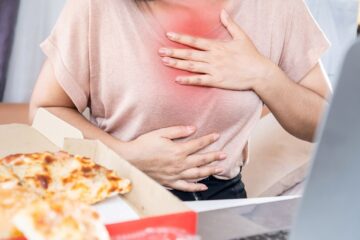
Understanding the nutritional impact of your meals is essential for maintaining digestive comfort and long-term health, especially when considering how pizza and food combination effects influence your body’s metabolic response. Pizza is a complex dish typically featuring refined carbohydrates, high levels of saturated fats, and varying amounts of sodium, which can create unique challenges for your digestive system depending on what you consume alongside it. By strategically pairing your slices with specific nutrients, you can mitigate common issues like bloating, energy crashes, and blood sugar spikes.
Key Takeaways
- Pair high-glycemic pizza crusts with fiber-rich vegetables to slow down glucose absorption.
- Limit high-protein side dishes if you’re already consuming a meat-heavy pizza to prevent digestive sluggishness.
- Prioritize hydration with plain water or unsweetened herbal teas instead of sugary sodas to manage insulin levels.
- Incorporate fermented foods like pickles or sauerkraut to support the gut microbiome after a heavy meal.
- Practice portion control by balancing a single slice with a large, nutrient-dense green salad.
Pizza and Food Combination Effects on Digestion
Pizza is a calorie-dense food that often triggers a significant insulin response due to its refined flour crust. When you consume large amounts of carbohydrates alongside fats from cheese and processed meats, your stomach takes longer to empty, a process known as delayed gastric emptying. This can lead to that heavy, lethargic feeling many people experience after a large meal. To counter this, it’s helpful to understand how different food groups interact during the digestion process.
Pro Tip: Always start your meal with a bowl of leafy greens or a light vegetable soup before eating pizza to provide your digestive system with a foundation of fiber, which helps regulate the speed at which the pizza is processed.
Macronutrient Balancing for Better Energy
Balancing your macronutrients—carbohydrates, proteins, and fats—is the most effective way to stabilize your energy levels after eating. Pizza is naturally high in fat and carbohydrates but often lacks sufficient fiber to keep digestion moving efficiently. Adding a source of lean protein or high-fiber vegetables can change the way your body processes the meal.
| Food Category | Effect on Digestion | Suggested Addition |
|---|---|---|
| Leafy Greens | Increases fiber intake | Arugula or spinach salad |
| Fermented Veggies | Supports gut bacteria | Sauerkraut or kimchi |
| Lean Protein | Promotes satiety | Grilled chicken or chickpeas |
| Citrus Fruits | Aids metabolic enzymes | Lemon water or orange slices |
What Side Dishes Work Best?
Choosing the right side dish can turn a heavy, sluggish meal into a more balanced experience. Avoid pairing pizza with other heavy, starch-based foods like garlic knots, pasta, or breadsticks, as these will compound the glycemic load and lead to a more significant blood sugar spike. Instead, opt for sides that provide volume without excessive calories.
- Fresh Arugula Salad: The bitterness of arugula helps stimulate digestive juices.
- Steamed Broccoli: Provides essential fiber to help move the fats through your system.
- Cucumber Slices: Offers hydration and cooling properties to balance the saltiness of the pizza.
- Carrot Sticks: Adds crunch and beta-carotene without adding heavy starches.
Can Hydration Change Food Effects?
Hydration is perhaps the most overlooked factor in how your body handles a heavy meal. Drinking excessive amounts of carbonated, sugary drinks alongside pizza can exacerbate bloating and gas. The carbonation adds air to the stomach, while the sugar competes with the pizza’s carbohydrates for processing, leading to an exaggerated insulin response.
Warning: Avoid drinking large volumes of ice-cold water immediately before or during your meal, as some traditional health philosophies suggest this may inhibit the enzymes required for efficient digestion, though focus primarily on avoiding high-fructose corn syrup beverages.
Managing Sodium and Water Retention
Pizza is notoriously high in sodium, which can lead to temporary water retention and feelings of puffiness the following day. To mitigate this, prioritize potassium-rich foods in your other meals throughout the day. Potassium helps the body flush out excess sodium and maintain fluid balance.
- Avocados: Excellent for replenishing potassium levels.
- Bananas: A convenient way to boost potassium intake.
- Sweet Potatoes: A nutrient-dense source of electrolytes.
- Coconut Water: Provides hydration along with essential minerals.
Why Does Fiber Matter So Much?
Fiber is the primary tool you have to slow down the absorption of glucose into your bloodstream. When you eat a slice of pizza, the refined flour is quickly converted into sugar. If you have fiber present in your stomach from a side dish, it creates a gel-like consistency that slows the transit of food, preventing the sharp spike and subsequent crash in energy levels.
The Role of Soluble Fiber
Soluble fiber dissolves in water and is found in foods like beans, oats, and certain vegetables. When you pair your meal with these, you’re essentially creating a buffer that protects your metabolism.
The Role of Insoluble Fiber
Insoluble fiber acts as a broom for your digestive tract, helping to keep things moving and preventing the constipation that often accompanies high-fat, low-fiber diets.
How to Handle Late-Night Pizza
Eating pizza late at night is particularly challenging because your metabolism naturally slows down while you sleep. If you choose to indulge, try to stop eating at least three hours before bedtime to allow your body to complete the bulk of the digestion process. This prevents acid reflux and ensures that your sleep quality isn’t disrupted by a heavy stomach.
| Strategy | Benefit | Goal |
|---|---|---|
| Eat Earlier | Allows for digestion | Better sleep quality |
| Smaller Portions | Reduces insulin load | Stable blood sugar |
| Walk Afterwards | Stimulates peristalsis | Faster digestion |
Does Food Timing Actually Matter?
The sequence in which you eat your food can significantly alter your metabolic response. By eating your fiber-rich vegetables first, followed by proteins, and finally the pizza, you create a “food ladder” that minimizes the impact on your blood glucose. This simple habit can make a major difference in how you feel after your meal.
Pro Tip: Use a smaller plate when serving yourself pizza to help manage portion sizes visually, which encourages you to eat more slowly and savor the meal rather than rushing through several slices.
Should You Avoid Certain Combinations?
Avoid pairing pizza with desserts that are also high in refined sugars, such as cookies, brownies, or sugary ice cream. The combination of the pizza’s fats and the dessert’s simple sugars is a recipe for a massive energy crash. If you need something sweet, choose a piece of fruit like berries, which offer antioxidants and fiber to balance the treat.
- Avoid: Soda, sugary juices, and iced coffees with syrup.
- Avoid: Fried appetizers like mozzarella sticks or onion rings.
- Avoid: Heavy cream-based sauces or dips.
- Avoid: High-sugar alcoholic cocktails.
Frequently Asked Questions
Why do I feel bloated after eating pizza?
Bloating after pizza is typically caused by a combination of high sodium intake, which causes water retention, and the fermentation of refined carbohydrates in the gut. If you’re sensitive to gluten or dairy, the proteins in the dough or cheese may also cause inflammation and gas. Reducing your portion size and adding a fiber-rich salad can help ease these symptoms.
Does drinking alcohol with pizza make it worse?
Yes, alcohol can slow down your digestion and put extra stress on your liver, which is already working to process the fats and salts from the pizza. This combination often leads to increased lethargy and dehydration the next day. If you choose to drink, limit your intake to one glass and alternate it with water to maintain proper hydration levels.
Can I eat pizza if I am watching my blood sugar?
You can enjoy pizza, but you must be strategic. Opt for thin crusts to reduce the total carbohydrate load, and always prioritize adding extra protein and vegetables. By eating a large green salad before the pizza, you can significantly blunt the glucose spike that typically follows, making it a safer option for those managing their blood sugar levels carefully.
What is the best way to speed up digestion?
The most effective way to speed up digestion after a heavy meal is to engage in light physical activity, such as a 15-minute walk. This helps stimulate intestinal muscle contractions, known as peristalsis, which moves food through your digestive tract more efficiently. Additionally, drinking warm herbal tea, such as ginger or peppermint, can help soothe the stomach and reduce feelings of fullness.
Is it better to eat pizza for lunch or dinner?
Eating pizza for lunch is generally better for your metabolism because your body has the rest of the day to process the calories and fats. When you eat pizza for dinner, your metabolic rate decreases as you prepare for sleep, which can lead to poorer digestion and potential sleep disturbances. If you eat it for dinner, keep the portion small and finish early.
Conclusion
Taking control of your dietary choices involves understanding how different items interact within your system. By incorporating these strategies, you can enjoy your favorite foods while maintaining digestive wellness and steady energy throughout your day. Your next step is to choose one high-fiber side dish, such as a fresh arugula salad, to pair with your next slice of pizza.
As the author of the “Ultimate Pizza Guide: Recipes, Tips & Secrets Revealed,” I’m dedicated to sharing my love for pizza and empowering others to create delicious homemade pizzas with ease. Join me on a journey to uncover the secrets to perfecting your pizza game!