When you sit down to enjoy a slice, you might not consider how the pace of your consumption affects your body, but pizza and eating speed impact your overall digestion and satiety signals significantly. Eating quickly is a common habit in our fast-paced culture, yet this behavior often leads to overconsumption, especially with calorie-dense foods like pizza. By slowing down, you allow your brain to register the hormonal signals that indicate you’re full, potentially preventing that heavy, uncomfortable feeling that often follows a rapid meal. Understanding the physiological relationship between how fast you chew and how much you consume can help you enjoy your favorite foods while maintaining better control over your nutritional intake.
Key Takeaways

- Satiety hormones, such as PYY and GLP-1, typically take about 20 minutes to signal to your brain that you’re full.
- Chewing each bite thoroughly increases the surface area of the food, which aids in the initial stages of mechanical digestion.
- Rapid consumption of high-fat, high-sodium foods like pizza can lead to increased gastric pressure and acid reflux symptoms.
- Mindful eating techniques, such as putting your fork down between bites, can naturally slow your pace by 15% to 25%.
- Hydration plays a role in digestion; drinking water alongside your meal can assist in moving food through the digestive tract.
Why Speed Matters for Digestion
When you consume pizza at a high velocity, you’re likely swallowing larger, less-masticated chunks of crust and cheese. This places a significant burden on your stomach, which must work harder to break down these dense food particles. The stomach uses mechanical churning and chemical enzymes to process food, and when the input is too fast, it can lead to bloating or indigestion.
Digestion is a complex process that begins in the mouth, where salivary amylase starts breaking down carbohydrates. If you don’t give your saliva enough time to mix with the dough, you bypass this crucial chemical step, forcing your stomach to play catch-up.
The Science of Satiety Signals
Your body relies on a sophisticated feedback loop between your gut and your brain to regulate appetite. When you eat, your gut releases specific hormones that inform your brain that you have received enough energy. Research from the National Institutes of Health suggests that these signals aren’t instantaneous.
If you consume a high-calorie meal like pizza in under ten minutes, you may reach a state of physical fullness—where your stomach is stretched—long before the chemical signals of satiety have reached your brain. This delay is a primary driver of overeating, as you have already finished your meal before your body has the chance to say “enough.”
| Factor | Fast Consumption | Slow Consumption |
|---|---|---|
| Digestion Efficiency | Reduced | Optimized |
| Satiety Response | Delayed | Timely |
| Gastric Comfort | Low | High |
| Caloric Awareness | Diminished | Heightened |
Tips for Managing Your Pace

To improve your relationship with your meals, consider integrating specific habits that enforce a slower tempo. These methods aren’t about restricting what you eat, but rather changing the physical interaction with your food. By introducing intentional pauses, you shift the focus from the act of fueling to the experience of eating.
- The Fork-Down Method: Place your utensil or slice on the plate after every bite.
- Counting Chews: Aim for 15 to 20 chews per bite, which helps break down the dense crust.
- Hydration Pauses: Take a sip of water between every two bites to clear the palate.
- Environment Control: Turn off the television or put away your phone to focus on the sensory input.
Pro Tip: Mindful eating environments are essential; eating in front of a screen is a major contributor to “mindless” consumption where you lose track of how many slices you have actually consumed.
How to Slow Down Effectively
Slowing down doesn’t mean you have to turn a meal into an hour-long ordeal. It’s about removing the “race” element from dinner. If you find yourself finishing your pizza before everyone else at the table, you’re likely ignoring your own internal cues. Try focusing on the texture of the crust or the specific blend of spices in the sauce. When you engage your senses, you naturally slow your speed because you’re processing the information rather than just fueling.
Assessing Your Current Pace
If you’re unsure if you’re eating too fast, try using a timer during your next pizza night. A standard meal should ideally last between 20 and 30 minutes. If you find you’re finishing in under 12 minutes, you’re likely in the “rapid consumption” zone.
| Strategy | Benefit | Difficulty Level |
|---|---|---|
| Set a Timer | Immediate awareness | Low |
| Social Eating | Natural breaks for talk | Low |
| Smaller Portions | Forces pause for refill | Medium |
| Use Smaller Plates | Limits intake per serving | Medium |
Common Digestive Consequences
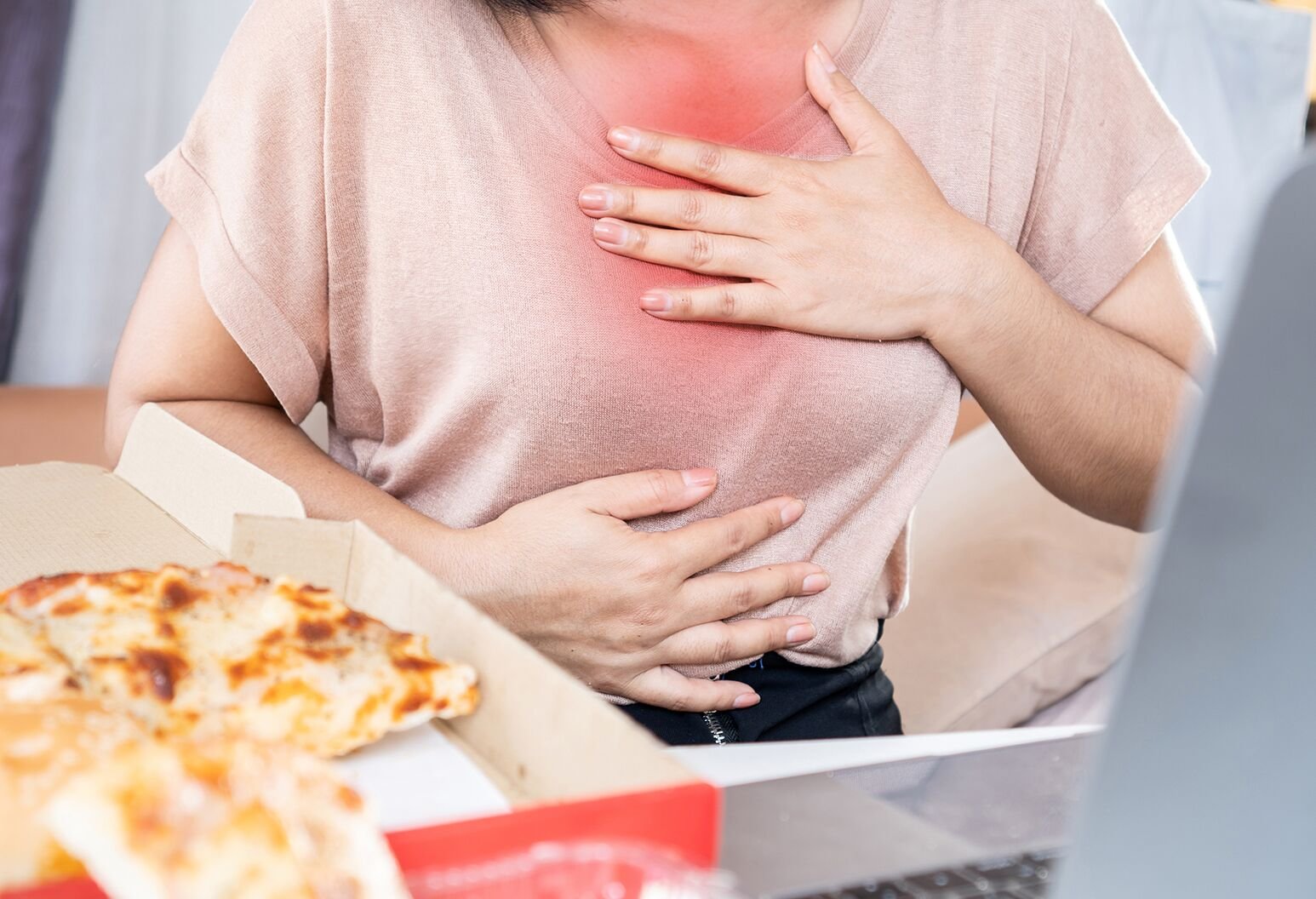
When you eat too quickly, you often swallow excess air, a condition known as aerophagia. This can lead to increased gas, belching, and abdominal distension. For many people, the combination of high-fat cheese and high-speed consumption acts as a trigger for gastroesophageal reflux. The stomach becomes over-distended, putting pressure on the lower esophageal sphincter, which allows stomach acid to escape. This is why you might feel a burning sensation or general discomfort after a particularly fast-paced pizza meal.
Managing Reflux Symptoms
If you struggle with discomfort after eating, the speed at which you consume your food is often the first variable to adjust. Keeping a food diary for one week can help you identify if specific toppings or crust styles—like deep-dish versus thin crust—exacerbate your symptoms when paired with rapid eating.
Warning: Avoid lying down immediately after a fast-paced meal, as this position makes it significantly easier for stomach acid to move into the esophagus, increasing the likelihood of heartburn.
The Role of Crust and Toppings
Not all pizza is created equal, and the composition of your slice impacts how long it takes to process. A thick, doughy crust requires more mechanical effort to break down than a thin, crispy crust. Similarly, greasy toppings or extra portions of processed meats can delay gastric emptying, which keeps food in the stomach for longer.
When you combine this physical density with a fast eating speed, you significantly increase the workload of your digestive system. Selecting toppings that include fibrous vegetables like peppers, onions, or spinach can help add bulk and encourage more thorough chewing, which naturally slows your pace.
Frequently Asked Questions
Does chewing more actually help weight management?
Yes, thorough chewing increases the time it takes to finish a meal, allowing your satiety hormones to reach the brain. When you chew more, you’re less likely to overconsume because you recognize the fullness signal before you have eaten an excessive amount of calories. It also aids in pre-digestion, making the stomach’s job much easier.
How many minutes should a meal last?
A standard, healthy meal should ideally last between 20 and 30 minutes. This timeframe allows the complex hormonal pathways that signal satiety to catch up with the physical act of eating. If you consistently finish your meals in under 15 minutes, you’re likely missing your body’s natural “stop” signals, which can lead to overeating and digestive discomfort.
Why does pizza cause bloating more than other foods?
Pizza is a combination of refined carbohydrates, high-fat dairy, and often high sodium levels. These components can cause water retention and delayed gastric emptying. When consumed quickly, you also ingest more air, which contributes to physical distension and gas. The combination of these factors makes pizza a common culprit for post-meal bloating, especially if the portion size isn’t managed.
Can drinking water help with digestion?
Drinking water during a meal can assist in the breakdown of food and help it pass more smoothly through the digestive tract. It can also act as a pacing tool, forcing you to slow down between bites. However, avoid drinking excessive amounts of fluids immediately before or during the meal, as this may dilute stomach acids and temporarily hinder the digestive process.
Is it better to eat smaller portions throughout the day?
For many people, smaller, more frequent meals can prevent the intense hunger that leads to rapid eating. By maintaining steady blood sugar levels, you’re less likely to “wolf down” your food when you finally sit down to eat. This approach encourages a more controlled pace, which is beneficial for both digestion and long-term weight management goals.
Conclusion
Focusing on the mechanics of how you eat is one of the most effective ways to improve your digestive health and relationship with food. Start by slowing down your next slice of pizza by counting your chews and putting your plate down between bites. Consistent practice will help you naturally regulate your intake and enjoy your meals with much greater physical comfort.
As the author of the “Ultimate Pizza Guide: Recipes, Tips & Secrets Revealed,” I’m dedicated to sharing my love for pizza and empowering others to create delicious homemade pizzas with ease. Join me on a journey to uncover the secrets to perfecting your pizza game!


