
Eating pizza often leads to overconsumption because the food is hyper-palatable and easy to eat quickly. Learning to implement pizza mindful portion strategies helps you enjoy your favorite meal while staying in control of your caloric intake and hunger cues. By adjusting how you approach the box, you can shift from mindless grazing to a satisfying, intentional dining experience that leaves you feeling energized rather than sluggish.
Key Takeaways
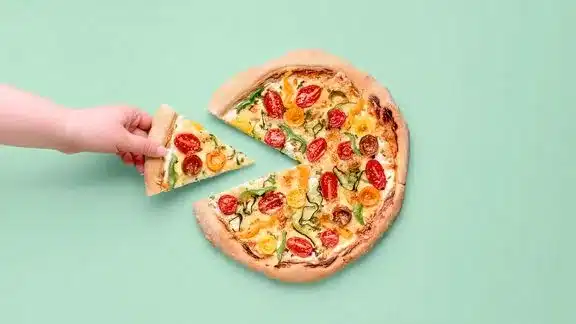
- Savor each bite slowly to allow your brain to register fullness signals.
- Pair your pizza with a large, fiber-rich salad to increase satiety.
- Use smaller plates to trick your brain into feeling satisfied with less.
- Pre-portion your serving before sitting down to avoid eating from the box.
- Prioritize thin crust options to reduce total carbohydrate and calorie density.
Understanding Your Hunger Cues
Before you even open the pizza box, take a moment to assess your physical hunger level on a scale from one to ten. Many people eat pizza out of habit, boredom, or social pressure rather than genuine physical need. By waiting until you’re truly hungry, you can ensure that the food provides actual satisfaction. Recognizing hunger signals—such as a growling stomach or slight lightheadedness—helps you differentiate between emotional cravings and biological requirements.
How to Portion Pizza Effectively
The most effective way to avoid overeating is to physically remove the pizza from the box. When you eat directly from the source, it’s difficult to keep track of how many slices you have consumed.
By moving a specific number of slices to a plate, you create a visual boundary that signals the end of the meal. Using a smaller plate can further enhance this psychological effect, making your portion appear more substantial than it would on a larger dinner plate.
| Strategy | Benefit | Difficulty Level |
|---|---|---|
| Plate Portioning | Limits total intake | Low |
| Salad Pairing | Adds fiber/volume | Moderate |
| Slow Chewing | Enhances digestion | Moderate |
| Crust Selection | Reduces caloric load | Easy |
The Role of Fiber and Volume
Pizza is often low in fiber, which contributes to rapid digestion and subsequent hunger. To counteract this, always accompany your pizza with a high-volume side dish. A large leafy green salad or a bowl of steamed vegetables provides the necessary fiber to slow down your digestion and keep you feeling full for longer.
According to the Dietary Guidelines for Americans published by the USDA, increasing vegetable intake is a fundamental component of maintaining a healthy weight and metabolic balance. Incorporating fiber-rich sides allows you to enjoy the pizza while maintaining a more balanced nutritional profile.
Choosing the Right Crust Style
The type of crust you select significantly impacts the nutritional value of your meal. Deep-dish or stuffed-crust pizzas contain significantly more calories and fat compared to thin-crust varieties. If you’re looking to manage your portions, opting for a thin or whole-wheat crust is a smart choice. These options provide a satisfying crunch without the excessive dough that can lead to feeling overstuffed. Focus on thin crust selections to keep your meal lighter and more manageable for your digestive system.
Does Mindful Eating Really Help?
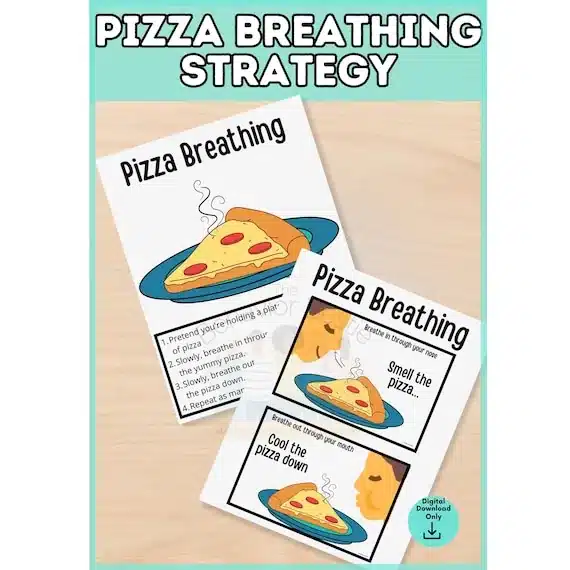
Mindful eating isn’t about deprivation; it’s about awareness. When you eat mindfully, you pay attention to the texture, aroma, and flavor of the pizza. This process naturally slows down your eating speed. Because it takes approximately twenty minutes for your brain to receive the signal that your stomach is full, slowing down is the best way to prevent accidental overeating. By engaging your sensory experience, you’ll likely find that you feel satisfied with two slices instead of four.
Managing Social Pressure at Parties
Social settings often make it difficult to follow your own rules. When you’re at a party, it’s easy to lose track of how many slices you have picked up. To stay on track, serve yourself once and then move away from the food table.
Engaging in conversation or finding a different activity helps shift your focus away from the pizza box. Remember that you’re in control of your social boundaries and can choose to stop whenever you feel satisfied, regardless of what others are doing.
Troubleshooting Common Pizza Challenges
Even with the best intentions, you might find yourself slipping up occasionally. If you find that you have eaten more than you intended, don’t beat yourself up or label the meal as a failure. A single meal won’t undo your progress. Simply acknowledge that you’re full and return to your normal routine at the next opportunity. Maintaining a positive mindset is essential for long-term success with any nutrition strategy.
| Challenge | Solution |
|---|---|
| Eating too fast | Set your fork down between bites |
| Mindless grazing | Move away from the food table |
| Feeling deprived | Add a side of roasted vegetables |
| Social pressure | Have a clear serving goal beforehand |
How to Handle Leftovers Properly
Leftovers are a common source of temptation. If you have extra pizza, store it in the refrigerator or freezer immediately after the meal. Keeping it out of sight prevents the urge to “finish off” the remaining slices just because they’re available. Using airtight containers ensures the pizza remains fresh for later, meaning you can look forward to a controlled portion the next day rather than feeling pressured to eat it all at once.
Identifying Healthy Toppings
The toppings you choose can either enhance or diminish the nutritional quality of your pizza. Opting for lean proteins like grilled chicken or plant-based options like bell peppers, onions, mushrooms, and spinach adds essential vitamins and minerals. Avoid processed meats like pepperoni or sausage, which are high in sodium and saturated fats. Adding nutrient-dense toppings makes your meal more filling and provides a wider array of flavors that contribute to overall satisfaction.
How to Stay Hydrated While Eating
Drinking plenty of water before and during your meal can help you manage your appetite. Often, thirst is mistaken for hunger, leading to unnecessary snacking. By drinking a full glass of water, you prepare your stomach for digestion and may find that you require less food to feel content. Staying properly hydrated is one of the simplest ways to support your digestion and keep your energy levels steady throughout your meal.
Frequently Asked Questions
How many slices should I eat?
Most people feel satisfied with one to two slices when paired with a side salad. Listen to your body rather than following a strict number. If you feel physically comfortable and the initial urge to eat has passed, you have likely reached your ideal portion. Focus on your internal fullness cues rather than external rules or the number of slices left in the box.
Is thin crust always better?
Thin crust typically contains fewer calories and carbohydrates than thick or stuffed crusts. While it’s a better choice for calorie management, it still counts as a refined grain product. It’s beneficial because it allows you to enjoy the flavor of the toppings without the excessive dough, but you should still monitor your overall portion size regardless of the crust type you choose.
Can I eat pizza every week?
You can include pizza in a balanced diet on a weekly basis if you practice portion control. The key is to ensure that your overall intake of fruits, vegetables, and lean proteins remains consistent throughout the week. If you enjoy pizza as a treat, balance it by choosing nutrient-dense foods for your other meals to maintain your health goals without feeling restricted or deprived.
How do I stop eating when full?
Stop eating the moment you feel satisfied, not stuffed. If you find it hard to stop, try drinking water, clearing your plate, or moving away from the table. Giving yourself a five-minute break allows your brain to catch up with your stomach. If you’re still truly hungry after that time, you can have more, but often you’ll find that the urge to continue eating has subsided.
What if I overeat once?
Overeating during a single meal has a negligible impact on your long-term health. Don’t attempt to “compensate” by skipping meals or exercising excessively, as this creates an unhealthy cycle. Simply return to your regular, balanced eating patterns at your next scheduled meal. Consistency over time is far more important than any single instance of overindulging, so practice self-compassion and move forward with your healthy habits.
Conclusion
To begin your journey toward more intentional eating, start by choosing one of the strategies mentioned above for your next pizza meal. Whether you decide to add a side salad or use a smaller plate, small changes lead to sustainable habits. By focusing on your body’s signals, you can enjoy your favorite foods while maintaining a healthy, balanced lifestyle.
As the author of the “Ultimate Pizza Guide: Recipes, Tips & Secrets Revealed,” I’m dedicated to sharing my love for pizza and empowering others to create delicious homemade pizzas with ease. Join me on a journey to uncover the secrets to perfecting your pizza game!


