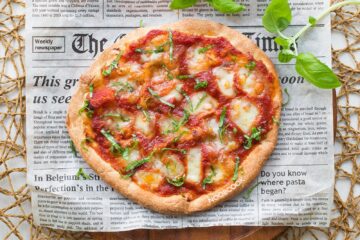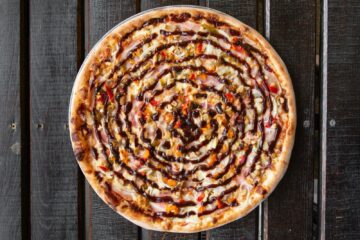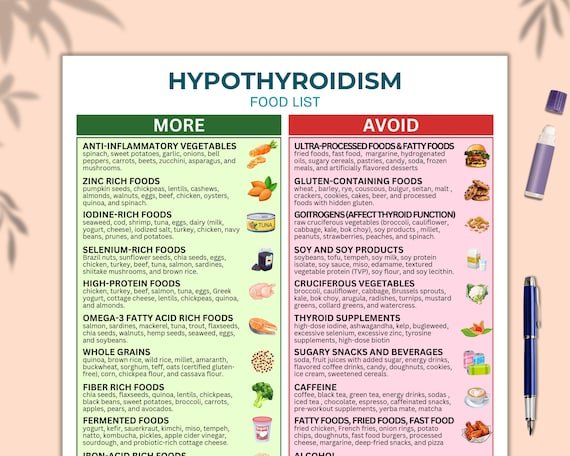
Usually, pizza and thyroid health interact through the high levels of iodine and salt found in common ingredients, which can change how your thyroid functions. If you have a healthy thyroid, eating pizza occasionally is unlikely to cause long-term harm. However, if you have an existing thyroid condition, the high sodium and refined flour content might cause inflammation or interfere with your daily medication absorption.
Choosing pizza for your thyroid health
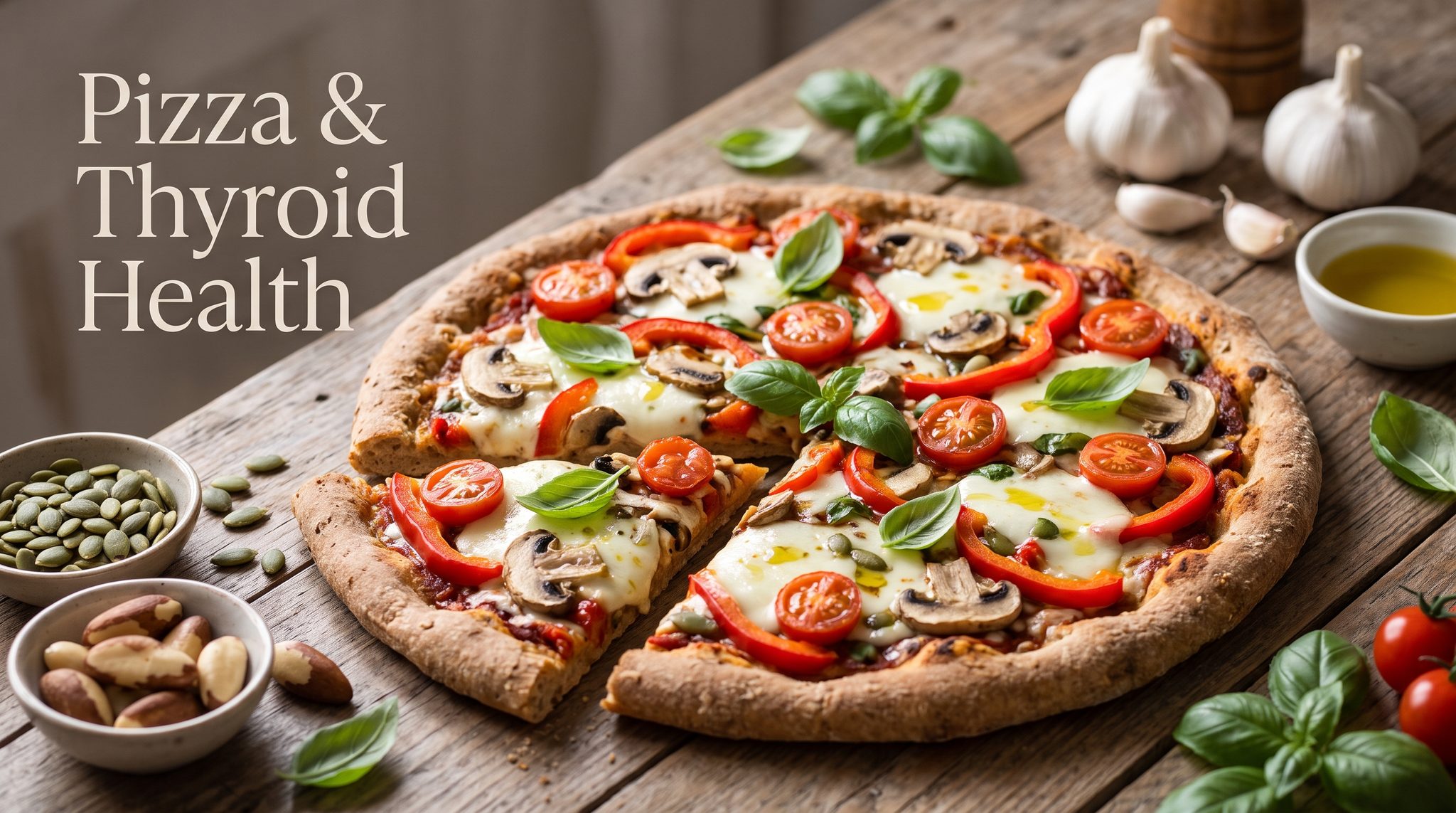
Sorting your diet helps you manage thyroid health without giving up every meal you enjoy. Some ingredients provide helpful nutrients, while others are best avoided if you have a sensitive system.
| Situation | Safe? | Why |
|---|---|---|
| Thin crust pizza | With care | Fewer refined carbohydrates per slice |
| Deep dish pizza | No | Very high calorie and sodium load |
| Vegetable toppings | Yes | Adds fiber and essential antioxidants |
| Processed meat toppings | No | High sodium disrupts thyroid balance |
| Dairy-free cheese | With care | Check for hidden soy additives |
| Gluten-free crust | With care | Often high in starch and sugar |
If you opt for thin crust, limit yourself to two slices to keep your glycemic load manageable. A spike in blood sugar often triggers inflammation that complicates thyroid hormone conversion.
When choosing toppings, prioritize fresh mushrooms or spinach over canned varieties. Canned vegetables are frequently packed in brine, which adds unnecessary sodium. If you’re unsure about the salt content, always ask for the sauce on the side.
Avoid processed meats like pepperoni or sausage entirely. These contain nitrates that can interfere with iodine absorption. If you crave protein, choose grilled chicken or fresh shrimp instead. These options provide clean fuel without the chemical additives that stress your system.
How ingredients affect thyroid function
The primary concern with pizza involves the impact of excessive sodium and processed ingredients on hormone regulation. Sodium intake directly influences blood pressure and can complicate the way your body processes thyroid hormones.
If you have autoimmune thyroid disease, such as Hashimoto’s, your body may be more sensitive to the inflammation caused by refined grains and highly processed vegetable oils. These ingredients are standard in most commercial pizza doughs and sauces. The high glycemic index of white flour crusts can cause rapid blood sugar spikes. These spikes trigger an insulin response that may increase systemic inflammation, potentially making your thyroid symptoms feel worse.
You don’t need to avoid pizza entirely, but you should monitor how you feel after eating it. If you notice increased fatigue or brain fog, your body might be struggling with the high salt or carbohydrate content. Always check the nutrition labels on frozen pizzas for sodium content, as a single serving can exceed half of your recommended daily intake.
Warning signs to watch for

Pay attention to your body after eating, as specific symptoms might indicate that your meal is affecting your thyroid health.
Sudden swelling in your fingers or ankles often points to high sodium retention. If your rings feel tight within thirty minutes of finishing a meal, you’re likely consuming too much processed salt.
Extreme fatigue appearing shortly after a meal suggests a blood sugar crash. If you feel an urgent need to nap within an hour of eating, your insulin response is likely overcorrecting.
Heart palpitations can occur when thyroid levels are temporarily disrupted by diet. If you feel a racing pulse while resting, track your intake for two days to see if high-caffeine or high-sugar snacks are the trigger.
Persistent bloating often follows the consumption of high-gluten or processed crusts. If your stomach distends significantly, your gut is likely struggling with inflammation.
Brain fog indicates that your body is struggling to manage an inflammation spike. If you can’t focus on simple tasks after lunch, switch to a whole-food meal to see if the fog clears.
A better way to enjoy pizza
You can prepare a thyroid-friendly meal at home by focusing on nutrient-dense ingredients that support your endocrine system. By controlling the components, you remove the risks of hidden additives.
- Use a cauliflower or almond flour crust to lower the glycemic impact compared to standard white flour dough.
- Prepare a homemade sauce using fresh tomatoes, garlic, and basil to avoid the high sodium and sugar levels found in jarred versions.
- Load your pizza with cruciferous vegetables like broccoli or kale, but steam them first to reduce goitrogens if you have an underactive thyroid.
- Choose lean protein toppings like grilled chicken or chickpeas instead of processed pepperoni or sausage to keep sodium levels low.
- Limit your portion to one or two slices and pair it with a large green salad to add fiber and slow down sugar absorption.
- Use moderate amounts of high-quality olive oil rather than processed vegetable oils to maintain healthy fat intake.
Managing your diet after a flare
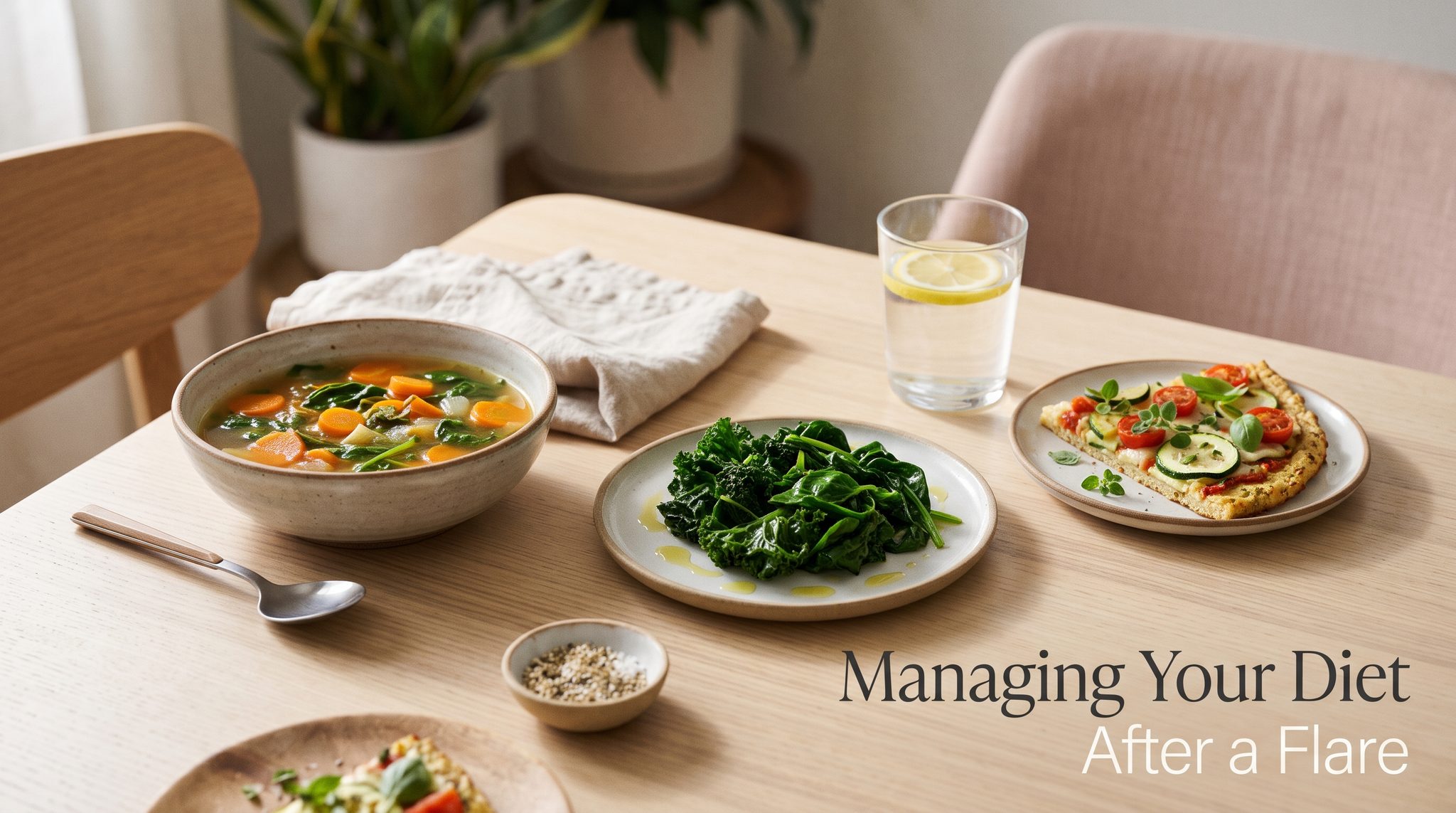
If you ate a meal that triggered your symptoms, focus on stabilizing your body over the next 24 to 48 hours. Drink plenty of filtered water to help your kidneys flush out the excess sodium. Return to your regular, nutrient-dense diet immediately to reduce inflammation. If your thyroid medication is part of your routine, ensure you take it at least 60 minutes before any food to avoid absorption issues.
If your symptoms persist for more than two days, contact your doctor for a blood test. Never adjust your thyroid medication dosage based on your diet without professional guidance. A doctor can check your TSH levels to see if the dietary change caused a clinical shift or if you simply need to adjust your food choices.
Frequently asked questions
Can I eat pizza if I have hypothyroidism?
You can eat pizza in moderation, but you should choose thin crusts with vegetable toppings to minimize inflammation. High sodium levels can affect how your body processes thyroid medication, so keep your portions small and watch your total daily salt intake.
Does the flour in pizza affect thyroid medication?
Refined flour can cause blood sugar spikes that influence inflammation levels, which may indirectly affect how you feel while on thyroid medication. Always take your medication on an empty stomach with water to ensure it absorbs correctly, regardless of what you eat later.
How often can I eat pizza with a thyroid condition?
You should limit pizza to one meal per week if you have an active thyroid condition to avoid frequent inflammation. If you feel tired or bloated after eating it, reduce the frequency further until you identify which specific toppings or crusts cause the reaction.
Is gluten in pizza bad for thyroid health?
Gluten may cause inflammation in people with Hashimoto’s disease, which is an autoimmune condition that often occurs alongside thyroid issues. If you have an autoimmune diagnosis, consider testing a gluten-free crust to see if your symptoms improve after meals.
What ingredients should I avoid on my pizza?
You should avoid processed meats like pepperoni and sausage, as they’re very high in sodium and preservatives. Additionally, stay away from sugary commercial sauces and refined white flour crusts that trigger systemic inflammation and blood sugar instability.
Can pizza cause a thyroid flare-up?
Pizza can contribute to a flare-up if you’re sensitive to the high sodium or gluten content found in many restaurant versions. Monitor your symptoms closely, as a flare-up is often the result of the cumulative effect of diet and stress rather than a single slice.
How much sodium is too much for thyroid health?
Most adults should aim for under 2,300 milligrams of sodium per day, but you should check your specific needs with your endocrinologist. Many frozen or restaurant pizzas contain more than 1,000 milligrams in a single serving, which is a significant portion of your daily limit.
Conclusion
Maintaining your health is about finding a balance that works for your unique body. If you notice that specific foods make you feel unwell, trust those signals and adjust your habits accordingly. Small, consistent changes in your kitchen often make the biggest difference in how you feel every day.

As the author of the “Ultimate Pizza Guide: Recipes, Tips & Secrets Revealed,” I’m dedicated to sharing my love for pizza and empowering others to create delicious homemade pizzas with ease. Join me on a journey to uncover the secrets to perfecting your pizza game!