When you slice into a hot, fresh pizza, you want every cut to be smooth and effortless. But have you ever struggled with a pizza cutter that either presses too hard, squashing your toppings, or slips through without cutting cleanly?
That’s where pizza cutter pressure control becomes a game-changer for your kitchen experience. Knowing how to manage and apply the right pressure not only makes your pizza slices perfect but also saves you time and frustration. You’ll discover simple tips and tricks to master pressure control with your pizza cutter, ensuring every slice is as satisfying as the first.
Ready to cut like a pro? Let’s dive in!

Credit: www.amazon.com
Choosing The Right Pizza Cutter
Choosing the right pizza cutter makes a big difference in how easily you slice your pizza. The right tool helps you cut through crusts without crushing toppings. It also gives better control over pressure, so slices come out perfect every time. Picking a cutter that fits your needs and feels good in your hand improves your pizza-making experience.
Wheel Vs Rocker Styles
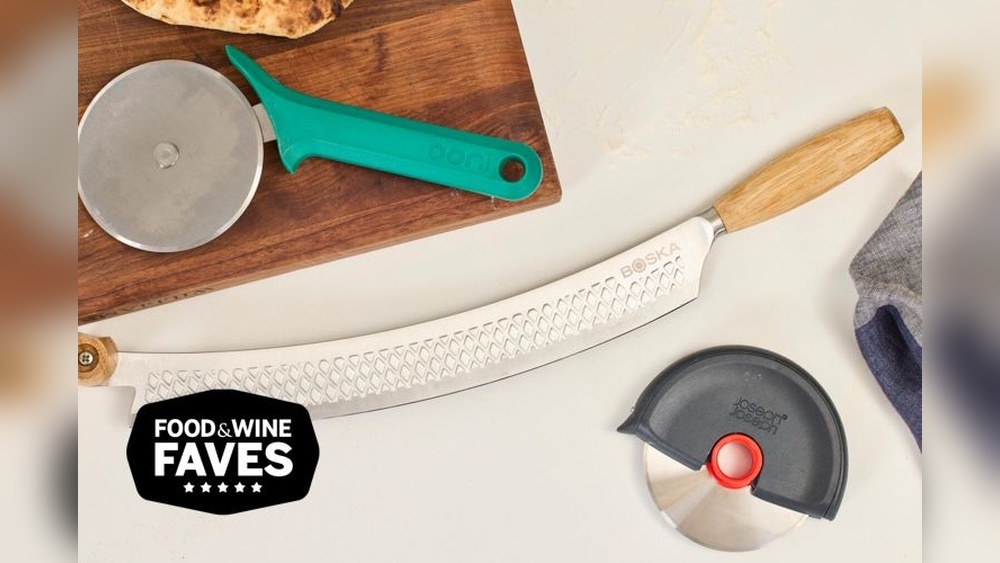
Pizza cutters come mainly in wheel or rocker styles. Wheel cutters have a round blade that rolls across the pizza. They work well for thin and medium crusts. Rocker cutters have a curved blade you push down like a knife. They offer more control for thick or deep-dish pizzas. Rockers need less pressure and cut in a smooth rocking motion. Choose the style that suits your pizza type and cutting comfort.
Blade Material And Sharpness
Look for blades made of stainless steel. This material stays sharp longer and resists rust. A sharp blade cuts cleanly without dragging toppings. Dull blades need more pressure and can squash the pizza. Some cutters allow blade replacement or sharpening. This feature extends the tool’s life and keeps cutting easy.
Handle Comfort And Grip
A comfortable handle improves control and reduces hand strain. Handles with rubber or silicone offer a good grip. A non-slip grip keeps the cutter steady, even with greasy hands. The handle size should fit your hand well. Larger handles suit bigger hands, while smaller handles fit better in small hands. Choose a handle that feels secure and balanced for smooth cutting.

Credit: www.amazon.com
Applying Proper Pressure
Applying proper pressure with a pizza cutter is key to getting clean, perfect slices every time. Too much force can squish the toppings and crust. Too little pressure may cause uneven cuts and frustration. Finding the right pressure helps maintain control and makes slicing easier. This section explains how to balance force, adjust for crust types, and avoid common mistakes.
Finding The Balance Between Force And Control
Use enough pressure to cut through the pizza without pushing too hard. Light pressure may cause the cutter to slip. Excessive force can crush the crust and toppings. Hold the cutter firmly but relaxed. Let the blade do the work. Smooth, steady pressure gives the best results. Practice helps find your perfect balance.
Adjusting Pressure For Different Crust Types
Thin crust pizzas need gentle pressure to avoid breaking the base. For thicker crusts, apply more force to cut through fully. Deep dish and stuffed crust pizzas require steady, firm pressure. Adjust your grip and speed based on crust thickness. A sharp blade also reduces the pressure needed. Pay attention to the crust type before slicing.
Common Mistakes To Avoid
Pressing too hard can squish the pizza and cause toppings to slide. Using too little pressure results in jagged or incomplete cuts. Avoid rocking the cutter back and forth, which can tear the crust. Not sharpening the blade makes cutting harder and less precise. Keep your wrist straight and use even pressure for clean slices.
Techniques For Perfect Slices
Perfect pizza slices depend on controlling the pressure of your cutter. Too much force crushes toppings. Too little leaves uneven cuts. Use the right pressure to glide through the crust smoothly. Pressure control brings clean, consistent slices every time. The technique varies by cutter type and pizza style.
Guiding The Cutter With Steady Hands
Hold the cutter firmly but gently. Keep your hand steady to avoid jagged edges. Apply even pressure as you roll or push the blade forward. Slow, controlled movements improve accuracy. Avoid pressing too hard, which can squash the pizza. Let the cutter do the work.
Using Rocker Cutters For Thick Pizzas
Rocker cutters work best with thick crusts. Press down firmly on the handle with both hands. Rock the blade back and forth in a smooth motion. This technique cuts through deep, heavy pizzas without dragging toppings. Use steady pressure to maintain control and avoid slipping.
Tips For Thin Crust And Deep Dish
Thin crusts need a lighter touch to prevent cracking. Use gentle, steady pressure and a sharp wheel. For deep dish pizzas, apply more force but cut slowly. Multiple passes may be necessary to slice through thick layers. Keep the cutter clean to reduce resistance and improve performance.

Credit: www.rxwirelinetools.com
Maintaining Your Pizza Cutter
Proper maintenance extends the life of your pizza cutter and ensures clean, easy slices every time. Regular care keeps the blade sharp and free from rust or buildup. Simple steps can help you avoid dull cuts and maintain pressure control while slicing your pizza. Taking care of your pizza cutter is a small effort with big results in the kitchen.
Sharpening Methods At Home
Use a sharpening stone or a fine-grit sandpaper to sharpen the blade. Hold the cutter wheel steady and run it against the stone at a slight angle. Repeat this motion evenly around the blade until it feels sharp. Another easy trick is to use aluminum foil. Fold a piece several times and slice through it with the cutter. This can help maintain the edge in between sharpenings.
Cleaning Tips For Longevity
Wash the cutter immediately after use with warm, soapy water. Avoid harsh detergents or abrasive scrubbers that can damage the blade. Use a soft brush or cloth to remove stuck-on cheese or sauce. Dry the cutter completely to prevent rust. Store it in a dry place or use a blade cover to protect the edge.
When To Replace Your Cutter
Replace your pizza cutter when the blade is bent or chipped. If it no longer cuts smoothly or causes uneven pressure, it may be time for a new one. Handles that are loose or cracked also signal replacement. A fresh cutter ensures safer use and better control when slicing pizzas.
Special Considerations
Controlling the pressure when using a pizza cutter affects the ease and quality of each slice. Special needs and preferences require thoughtful choices. This section covers important factors for various users and tools.
Cutters For Users With Arthritis
Arthritis can make gripping and pressing difficult. Pizza cutters with ergonomic handles reduce hand strain. Look for tools with soft, non-slip grips. Lightweight cutters also help lessen effort. Some models have larger wheels for smoother cutting. These features allow easier control with less pain.
Using Alternative Tools Like Pizza Shears
Pizza shears offer a different cutting method. They resemble scissors but are designed for pizza. Shears need less downward pressure than traditional cutters. They are ideal for thick or deep-dish pizzas. This tool cuts in a simple, controlled motion. Pizza shears can be safer for users with weak hands.
Innovative Designs And Premium Options
New pizza cutters blend style and function. Rocker-style cutters allow cutting with a rocking motion. This spreads pressure evenly and improves control. Premium cutters may have stainless steel blades for sharpness. Some feature adjustable blade tension for custom pressure. These designs help users achieve precise slices with less effort.
Troubleshooting Common Issues
Troubleshooting common issues with your pizza cutter can improve your slicing experience. Small problems often cause big frustrations. Most problems relate to pressure control and blade condition. Quick fixes help you enjoy perfect slices every time.
Dealing With Stuck Or Slipping Cutters
A stuck cutter usually means too much pressure or dough buildup on the blade. Clean the blade regularly to avoid dough sticking. Use gentle pressure and roll the cutter smoothly. Slipping happens when the handle is wet or greasy. Dry your hands and handle before cutting. Check the blade’s sharpness; dull blades slip more.
Handling Uneven Slices
Uneven slices come from inconsistent pressure or an angled cutter. Hold the cutter straight and apply steady pressure. Cut in one smooth motion, not back and forth. Mark slice lines lightly with the cutter first for guidance. Adjust your grip to keep the cutter balanced throughout the cut.
Preventing Dough From Tearing
Torn dough often results from pressing too hard or using a dull blade. Use light, even pressure to cut through the dough. Sharpen your blade regularly for clean cuts. Chill the dough slightly before cutting; cold dough tears less. Avoid dragging the cutter sideways, which pulls and tears the crust.
Frequently Asked Questions
How To Keep A Pizza Cutter Sharp?
Sharpen your pizza cutter by gently rubbing its blade with aluminum foil. Clean and dry it after each use to prevent dullness. Store safely to avoid damage. Regular sharpening maintains cutting efficiency and prolongs blade life.
What Is The Best Pizza Cutter In The World?
The best pizza cutter depends on preference. Top picks include OXO Good Grips Wheel, Checkered Chef Rocker, and Dalstrong Orbital for sharp, durable cutting. Choose wheels for thin crust and rockers for thick crust pizzas. Comfortable handles and stainless steel blades ensure precision and ease of use.
What Is The Best Pizza Cutter For Arthritis?
The best pizza cutter for arthritis has a large, ergonomic handle and sharp blade. OXO Good Grips Rolling Knife suits well. It reduces hand strain and improves grip comfort.
Do Italians Use A Pizza Cutter?
Yes, Italians use pizza cutters to slice pizzas easily. Traditional knives or scissors also remain popular in Italy.
Conclusion
Controlling pressure while cutting pizza makes a big difference. It helps you slice through without squashing toppings or crushing the crust. Using the right amount of force keeps each piece neat and easy to handle. Practice will improve your technique and give better results every time.
Choose a cutter that feels good in your hand and suits your pizza style. Enjoy every slice with clean, even cuts that make eating more fun. Simple steps lead to better pizza experiences.

As the author of the “Ultimate Pizza Guide: Recipes, Tips & Secrets Revealed,” I’m dedicated to sharing my love for pizza and empowering others to create delicious homemade pizzas with ease. Join me on a journey to uncover the secrets to perfecting your pizza game!