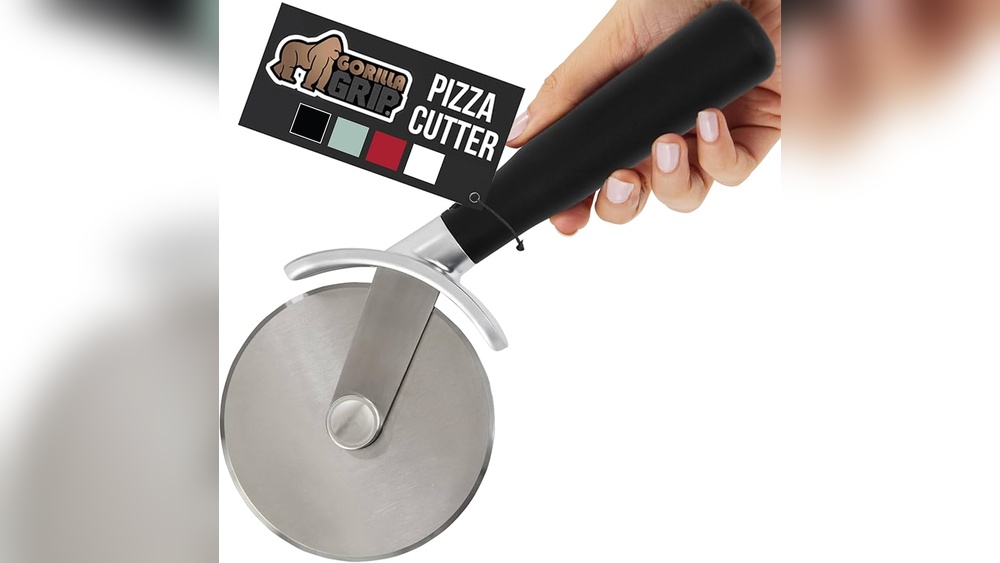
“Pizza Cutter Blade Corrosion Prevention”
You love your pizza cutter—sharp, smooth, and ready to slice through your favorite pies effortlessly. But have you noticed rust or corrosion starting to dull that perfect blade?
If you want to keep your pizza cutter in top shape and avoid those frustrating stains and rough edges, you’re in the right place. This guide will show you simple, effective ways to prevent corrosion on your pizza cutter blade.
By following these easy tips, you’ll protect your tool, extend its life, and enjoy perfect slices every time. Ready to keep your cutter sharp and shiny? Let’s dive in!
Causes Of Blade Corrosion
Blade corrosion reduces the life and performance of your pizza cutter. Understanding what causes corrosion helps prevent damage. Corrosion happens when metal reacts with certain substances in the environment. These reactions break down the blade’s surface and cause rust or pitting.
Knowing common corrosive agents and the role of moisture and food acids can keep your blade sharp and safe. Proper care starts with recognizing these causes.
Common Corrosive Agents
Salt is a major corrosive agent for pizza cutter blades. It speeds up rust formation by attracting moisture. Cleaning agents with harsh chemicals can also harm the metal surface. Some detergents leave residues that promote corrosion over time. Avoid using bleach or ammonia on your blade. Dirt and grime buildup trap moisture and cause rust spots. Exposure to air and oxygen triggers oxidation, another cause of corrosion.
Impact Of Moisture And Food Acids
Moisture is the main enemy of any metal blade. Water left on the blade after washing causes rust quickly. High humidity environments increase corrosion risk. Food acids like tomato sauce and vinegar attack the blade’s protective coating. These acids break down the metal surface and cause discoloration. Acidic residues left on the blade overnight speed up corrosion. Drying the blade thoroughly after use reduces moisture damage.
Choosing Corrosion-resistant Materials
Choosing the right materials for your pizza cutter blade is key to preventing corrosion. The blade faces moisture and food acids that can cause rust. Selecting corrosion-resistant materials helps keep the blade sharp and safe. It also extends the cutter’s life and saves money over time.
Materials that resist rust require less maintenance and cleaning effort. They maintain a clean look and ensure food safety. Let’s explore popular material choices and their benefits for pizza cutter blades.
Stainless Steel Advantages
Stainless steel is a top choice for pizza cutter blades. It resists rust and stains well. This metal contains chromium, which forms a protective layer on the surface. The layer stops oxygen and water from causing corrosion.
Stainless steel blades stay sharp longer and clean easily. They do not absorb food odors or flavors. Many stainless steel cutters also look sleek and modern. This material handles frequent washing and dishwasher use without damage.
Alternative Blade Materials
Other materials also resist corrosion and offer unique features. Ceramic blades are very hard and sharp. They do not rust but can chip if dropped. Ceramic cutters stay sharp longer but need careful handling.
Plastic blades resist rust completely and are lightweight. They are safe for non-stick pans but may dull quickly. Some high-quality plastics also resist stains and odors well. These options suit specific needs and preferences for pizza cutting tools.
Cleaning Techniques To Prevent Rust
Cleaning your pizza cutter blade properly stops rust from forming. Rust damages the blade and reduces its sharpness. Regular cleaning removes food particles and moisture that cause corrosion. Using the right techniques keeps your cutter safe and long-lasting.
Proper Washing Methods
Use warm water and mild dish soap to clean the blade. Gently scrub with a soft sponge or cloth. Avoid abrasive scrubbers that can scratch the metal. Rinse the blade well to remove all soap. Dry it immediately with a clean towel to stop water spots.
Avoiding Prolonged Water Exposure
Do not leave the pizza cutter soaking in water. Prolonged contact with water causes rust to form quickly. Wash and dry the blade right after use. Store the cutter in a dry place to keep moisture away. This simple step prevents corrosion and keeps the blade sharp.

Credit: yourpghlawyer.com
Drying And Storage Tips
Proper drying and storage of your pizza cutter blade play key roles in stopping corrosion. Moisture left on the blade invites rust and dullness. Good habits protect your cutter’s sharp edge and extend its life.
Keep the blade dry and store it safely after every use. Follow simple steps to maintain its quality and performance. These tips help keep your pizza cutter clean, sharp, and ready.
Effective Drying Practices
Wipe the blade with a clean, dry cloth immediately after washing. Avoid air drying, as water droplets cause rust spots. Use a soft towel to remove all moisture from the metal surface.
Dry both sides of the blade thoroughly. Pay attention to the area near the handle. Any trapped water can cause corrosion over time. Let your pizza cutter sit in a dry place for a few minutes before storing.
Storing With Protective Covers
Use blade guards or protective covers to store your pizza cutter. Covers shield the blade from dust, moisture, and accidental damage. They also protect your fingers from cuts when reaching into drawers.
Choose covers made of plastic or silicone for easy cleaning. Replace covers if they become damaged or worn out. Store the cutter in a dry, cool place away from humidity and direct sunlight.
Routine Maintenance Practices
Routine maintenance is key to preventing corrosion on pizza cutter blades. Regular care keeps the blade sharp and rust-free. It extends the cutter’s life and ensures safe, clean cuts every time.
Simple steps can protect your blade from moisture and wear. Consistent upkeep helps maintain the blade’s quality and appearance.
Sharpening For Longevity
Sharpen the blade regularly to keep it effective. A sharp blade cuts smoothly and reduces the risk of damage. Use a whetstone or a professional sharpening tool. Avoid dull blades, as they require more force and cause quicker corrosion. Sharpening also removes small rust spots early, preventing further damage.
Applying Protective Coatings
Apply a thin layer of food-safe oil or coating after cleaning. This creates a barrier against moisture and air. Lightly oiling the blade prevents rust and corrosion. Wipe off excess oil before storage to avoid buildup. Protective coatings maintain the blade’s shine and slow down oxidation. This simple step adds a strong layer of defense to your pizza cutter.
Removing Rust From Pizza Cutter Blades
Rust on pizza cutter blades reduces their sharpness and can contaminate food. Removing rust quickly keeps blades safe and effective. Simple home methods restore the blade’s shine without harsh chemicals. Proper cleaning and care prevent future corrosion and extend the tool’s life.
Using Vinegar And Steel Wool
Vinegar dissolves rust due to its acidity. Soak the blade in white vinegar for 10 to 15 minutes. After soaking, scrub gently with fine steel wool to remove rust spots. Rinse the blade well with water and dry it completely. Avoid heavy scrubbing that may scratch the blade surface. Repeat if rust remains, but limit soaking time to protect the metal.
Safe Rust Removal Alternatives
Baking soda mixed with water forms a paste that cleans rust safely. Apply the paste on the blade and let it sit for 30 minutes. Use a soft brush or sponge to scrub the rust away. Lemon juice also helps by breaking down rust naturally. Rub the blade with lemon juice and sprinkle salt for better effect. Wipe clean and dry thoroughly after treatment. These methods are gentle on blades and safe for kitchen use.
Recommended Products For Protection
Protecting your pizza cutter blade from corrosion extends its life and keeps it sharp. Using the right products helps maintain the blade’s quality. These tools prevent rust and damage, ensuring safe and easy cutting every time.
Below are recommended products that provide excellent protection for your pizza cutter blade.
Blade Guards And Covers
Blade guards fit over the pizza cutter wheel to block moisture and air. They stop rust by keeping the blade dry and clean. Many guards are made of durable plastic or silicone.
Some popular options include the WoodRiver Pizza Cutter Guard and the Kitchen Pro USA Super Sharp Pizza Cutter Wheel with Protective Blade Guard. These covers also protect the blade from scratches during storage or transport. Using a guard keeps your cutter safe and ready for use.
Lubricants And Protective Oils
Lubricants and protective oils create a thin barrier on the blade surface. This barrier prevents water and air from reaching the metal. Regular application helps reduce rust and corrosion.
Work Sharp Knife Pivot Lube is a well-known product to keep blades smooth and rust-free. Other oils designed for kitchen tools also work well on pizza cutters. Always choose food-safe lubricants to avoid contamination.

Credit: www.amazon.com
Tips For Daily Use
Using a pizza cutter every day needs care to keep its blade sharp and free from rust. Simple daily habits protect the blade from corrosion and damage. These tips help your pizza cutter last longer and work better.
Handling To Minimize Damage
Hold the pizza cutter firmly but gently. Avoid dropping it on hard surfaces. Do not twist the blade too hard while cutting. Use a cutting board to protect the blade edge. Clean the blade right after use with warm water and mild soap. Dry it completely to stop moisture from causing rust.
Avoiding Common Mistakes
Never leave the pizza cutter wet or soaked in water. Do not put it in the dishwasher if the blade is not dishwasher safe. Avoid using harsh chemicals or abrasive scrubbers on the blade. Do not cut frozen or very hard foods that can chip the blade. Store the cutter in a dry place with a protective cover over the blade.
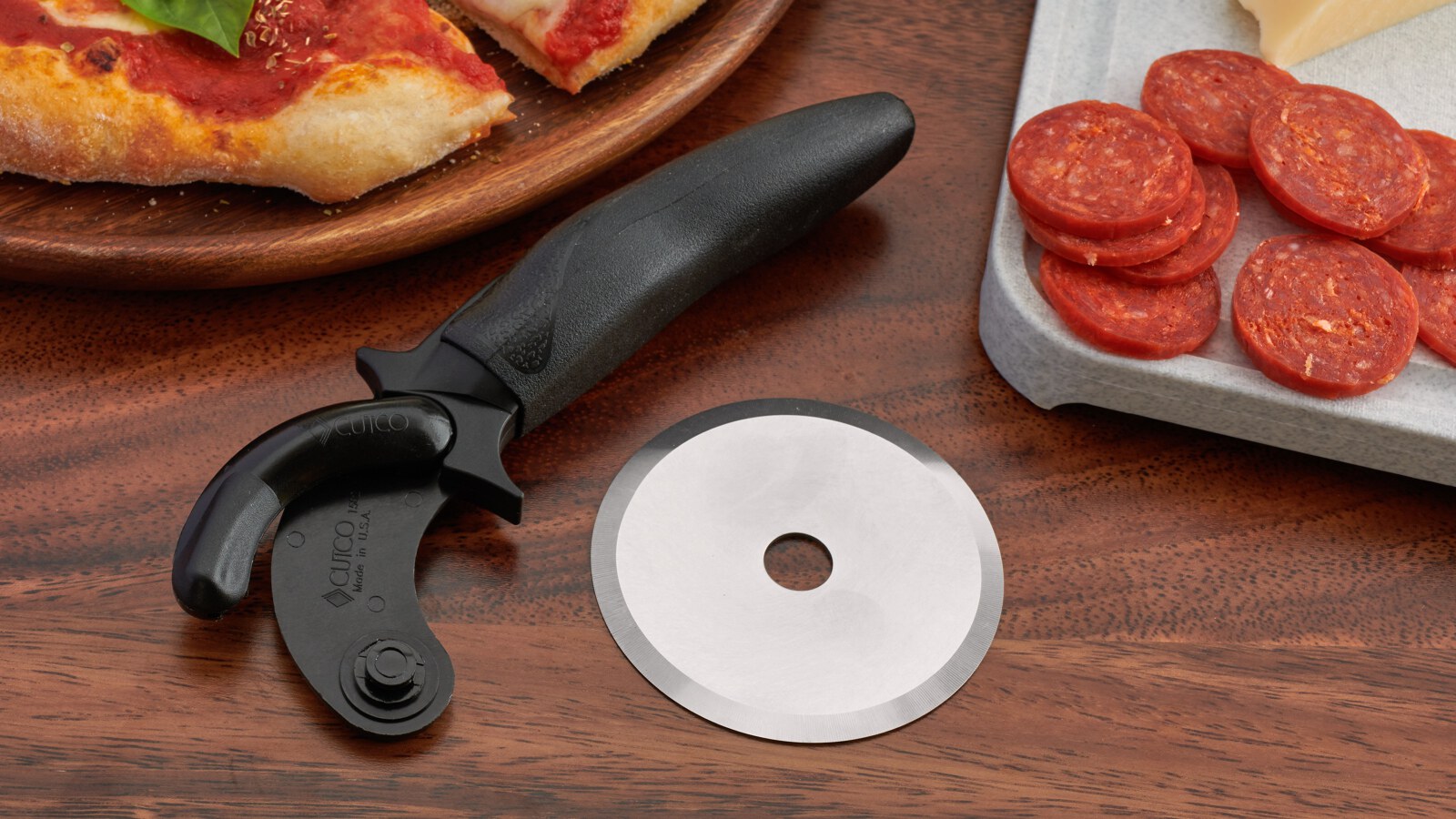
Credit: www.g-locbrakes.com
Frequently Asked Questions
How To Get Rust Off A Pizza Cutter?
Remove loose rust using steel wool. Soak the pizza cutter in vinegar overnight. Move the blade open and closed during soaking. Rinse thoroughly and dry. Apply a light coat of oil to prevent future rust.
How To Sharpen A Pizza Cutter Blade?
Sharpen a pizza cutter blade by rubbing it on aluminum foil repeatedly. Fold foil and cut through it multiple times for best results.
How To Care For A Pizza Cutter?
Unscrew the handle and wash the blade with warm, soapy water. Avoid soaking or washing the handle. Dry immediately to prevent rust. Store with a protective cover to maintain sharpness and safety.
What Is The Best Pizza Cutter On The Market?
The Kitchen Pro USA Super Sharp Pizza Cutter offers durability, sharpness, and a protective blade guard. It’s ergonomic and easy to clean, making it the best choice for efficient pizza slicing.
Conclusion
Preventing corrosion on your pizza cutter blade keeps it sharp and safe. Clean the blade after every use to avoid rust buildup. Dry it thoroughly before storing to stop moisture damage. Use a protective cover to shield the blade from air and water.
Applying a light coat of food-safe oil adds extra protection. Regular care extends the cutter’s life and improves performance. Simple habits make a big difference in corrosion prevention. Keep your pizza cutter ready for perfect slices every time.

As the author of the “Ultimate Pizza Guide: Recipes, Tips & Secrets Revealed,” I’m dedicated to sharing my love for pizza and empowering others to create delicious homemade pizzas with ease. Join me on a journey to uncover the secrets to perfecting your pizza game!


