If you run a pizza kitchen or are planning to start one, keeping your tools in top shape is key to making every pie perfect. But how do you know when it’s time to replace your pizza accessories?
From dough mixers to pizza peels, every item plays a vital role in your pizza-making process. This Pizza Accessory Replacement Checklist helps you spot worn-out gear before it slows you down or affects the quality of your pizzas. Read on to ensure your pizza station stays efficient, your customers stay happy, and your business keeps rising like the perfect dough!
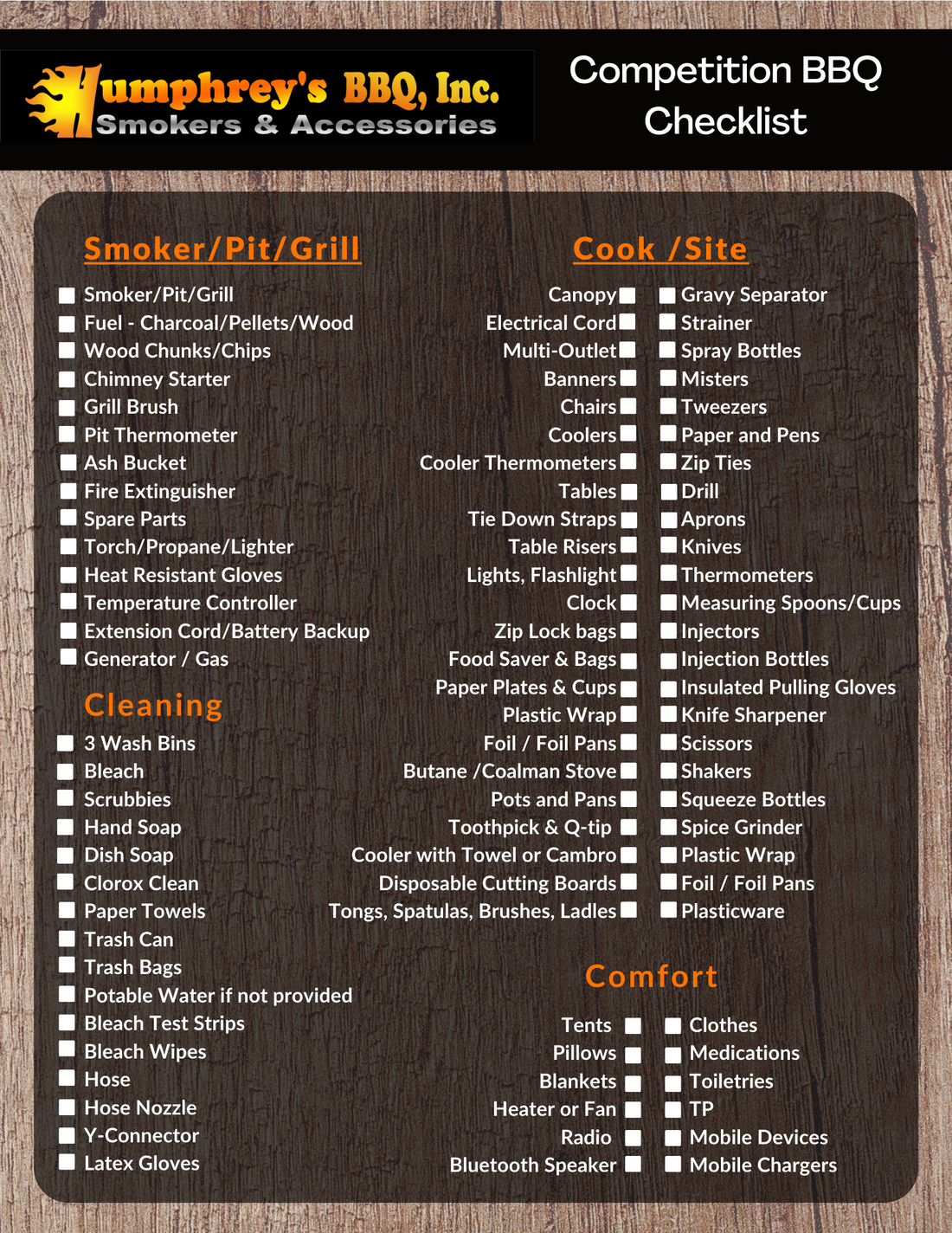
Credit: www.humphreysbbq.com
Dough Preparation Tools
Dough preparation tools form the foundation of any pizza-making process. These tools help create consistent dough texture and quality. Proper equipment ensures smooth workflow and saves time. Maintaining and replacing these accessories keeps your pizza shop running efficiently. Below is a checklist of essential dough preparation tools for your pizzeria.
Mixers And Sheeters
Mixers combine flour, water, and yeast into smooth dough. Spiral mixers are ideal for dense dough, while planetary mixers work for lighter batches. Dough sheeters flatten dough to uniform thickness quickly. Sheeters reduce manual labor and improve consistency. Regularly check for wear and tear on belts and blades. Replace damaged parts to avoid dough damage.
Proofing Cabinets And Dough Boxes
Proofing cabinets control temperature and humidity for dough rising. They speed up fermentation and improve dough texture. Dough boxes store dough safely during resting periods. Use clean, food-safe boxes to prevent contamination. Replace worn seals and hinges on proofers to maintain conditions. Ensure dough boxes are intact and easy to clean.
Scrapers And Dockers
Scrapers help portion and handle dough without sticking. Plastic or metal scrapers remove dough from surfaces cleanly. Dockers pierce dough to prevent bubbles during baking. They create an even pizza crust. Replace scrapers with cracks or rough edges. Check docker pins regularly and replace bent or broken ones. Well-maintained tools improve dough handling and final crust quality.
Credit: www.kohls.com
Pizza Making Essentials
Pizza making requires more than just dough and toppings. Essential tools ensure smooth preparation and consistent results. These accessories help handle dough, cut ingredients, and measure portions precisely. Keeping these items in good condition matters for every pizza kitchen.
Replacing worn or broken equipment keeps the pizza station efficient. A checklist for pizza accessory replacement helps maintain quality and speed. Here are key essentials to check regularly for replacement or repair.
Pizza Peels And Pans
Pizza peels are flat tools to slide pizzas in and out of the oven. They come in wood or metal. Choose the right peel size for your oven and pizza diameter. Pans hold pizzas during baking and help shape the crust. Replace peels or pans that warp, crack, or rust to avoid ruining pizzas.
Cutters And Prep Tables
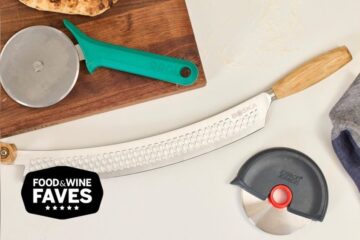
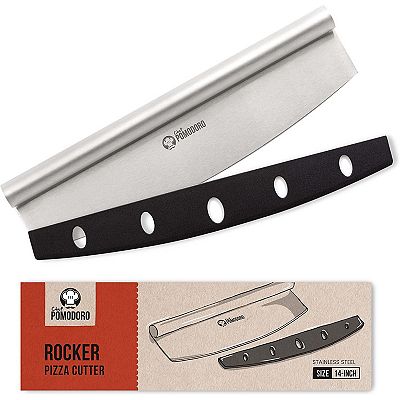
Cutters slice through pizzas cleanly and quickly. Look for sharp blades or wheels that roll smoothly. Prep tables provide space to organize ingredients and assemble pizzas. Stainless steel tables resist stains and are easy to clean. Replace cutters that dull or bend and repair tables with dents or loose parts.
Scales And Ladles
Scales measure dough portions for consistent pizza size and cooking. Digital scales offer accuracy and fast readings. Ladles scoop sauce evenly onto pizza bases. Choose ladles with comfortable handles and proper volume size. Replace scales with faulty sensors and ladles that crack or warp from heat.
Cheese Graters And Slicers
Cheese graters shred cheese quickly and evenly. Handheld or box graters are common in pizzerias. Slicers cut cheese blocks into uniform slices. Replace graters with dull blades and slicers with loose or broken parts. Sharp tools speed up prep and improve the final pizza look and taste.
Cooking Equipment
Cooking equipment forms the heart of any pizza kitchen. It ensures pizzas cook evenly and taste great. Keeping this equipment in good shape is vital for smooth operation. Regular checks help spot worn or faulty parts early. This checklist focuses on essential cooking tools that need replacement or maintenance.
Pizza Ovens Types
Pizza ovens come in several types: deck, conveyor, wood-fired, and gas ovens. Deck ovens use stone or ceramic floors for crisp crusts. Conveyor ovens cook pizzas quickly on a moving belt. Wood-fired ovens add smoky flavor and reach high temperatures. Gas ovens offer control and consistency. Each type needs specific parts like heating elements, stones, or burners. Regularly inspect these parts for cracks, wear, or damage.
Ventilation Systems
Ventilation removes smoke, heat, and odors from the kitchen. Proper airflow keeps the environment safe and comfortable. Exhaust hoods and fans must work efficiently. Clean filters and ducts prevent grease buildup and fires. Check fans for unusual noise or reduced power. Replace worn seals and damaged components promptly. A well-maintained ventilation system improves air quality and equipment lifespan.
Salamanders And Charbroilers
Salamanders are used for broiling and finishing pizzas with cheese or toppings. Charbroilers provide high heat for grilling meats or vegetables. Both need regular cleaning to avoid grease fires. Inspect burners, grates, and ignition systems for wear. Replace faulty parts to maintain even heat and safety. Proper upkeep ensures consistent cooking results and reduces downtime.
Refrigeration And Storage
Proper refrigeration and storage keep pizza ingredients fresh and safe. Efficient systems reduce waste and speed up kitchen work. Regular checks ensure all equipment works well and meets health standards.
Walk-in And Reach-in Units
Walk-in coolers offer large storage for dough and bulk ingredients. Reach-in refrigerators save space and keep toppings ready. Both need regular cleaning and temperature checks. Replace worn seals and faulty thermostats promptly. Good refrigeration prevents spoilage and foodborne illnesses.
Ingredient Bins And Shelving
Ingredient bins organize flour, cheese, and toppings neatly. Shelving holds containers and tools within easy reach. Choose durable, easy-to-clean materials like stainless steel. Check bins for cracks or damage that can cause contamination. Proper storage keeps your kitchen tidy and ingredients fresh.
Serving And Delivery Gear
Serving and delivery gear plays a vital role in the pizza business. It helps keep pizzas fresh and hot. It also ensures smooth service from kitchen to customer. Proper gear boosts efficiency and customer satisfaction. Check and replace these items regularly to maintain quality.
Display Cases And Heated Cabinets
Display cases show pizzas clearly to customers. They keep pizzas warm and ready to serve. Heated cabinets maintain the right temperature. Replace broken glass or faulty heaters quickly. Clean interiors prevent food contamination. Well-maintained cases attract more buyers.
Pizza Boxes And Serviceware
Pizza boxes protect pizzas during delivery and takeout. Use sturdy boxes that keep heat inside. Serviceware includes plates, napkins, and utensils. Replace damaged or worn items promptly. Eco-friendly boxes and serviceware appeal to many customers. Stock enough to avoid running out during busy hours.
Point Of Sale Systems
Point of sale (POS) systems manage orders and payments. Fast, reliable POS systems speed up service. Keep software updated and hardware in good shape. Backup data regularly to avoid losses. A smooth POS system reduces errors and wait times.
Insulated Delivery Bags
Insulated delivery bags keep pizzas hot during transport. Check for worn insulation or tears often. Clean bags to maintain hygiene. Replace bags that no longer keep heat well. Good bags improve customer experience by delivering hot pizza every time.
Maintenance And Replacement Tips
Proper maintenance and timely replacement of pizza accessories keep your kitchen efficient and safe. Regular care extends the life of tools and ensures better pizza quality. Knowing when to replace parts helps avoid unexpected breakdowns during busy hours.
Follow simple tips to clean and inspect your accessories. Use only quality replacements for long-lasting performance. This section guides you through signs to watch for, how to pick replacements, and routine care methods.
Signs To Replace Accessories
Look for cracks, rust, or warping on metal tools. Worn-out handles or loose parts reduce safety and control. If a pizza peel or cutter feels unstable, replace it immediately. Accessories that affect pizza quality need quick attention. Dull blades and damaged surfaces can ruin dough and toppings.
Choosing Quality Replacements
Select accessories made from durable, food-safe materials. Stainless steel and hardwood options last longer and resist damage. Avoid cheap plastic parts that break easily under heat. Check for accessories that fit your oven and prep area well. Investing in quality reduces frequent replacements and keeps pizza taste consistent.
Routine Cleaning And Care
Clean tools after each use with warm soapy water. Avoid harsh chemicals that can damage surfaces. Dry accessories completely to prevent rust and mold. Season wooden handles or peels regularly with food-safe oil. Store accessories in a dry, organized space for easy access. Regular care keeps tools safe and ready for your next pizza.

Credit: www.nytimes.com
Frequently Asked Questions
What Is The Rule Of 55 Pizza?
The Rule of 55 pizza means baking pizza at 550°F for 5 minutes. It ensures a crispy crust and perfectly cooked toppings.
What Are The Necessary Tools And Equipment Needed At A Pizza Station?
A pizza station requires a pizza oven, dough mixer, prep table, refrigeration, pizza peels, cutters, scales, ladles, and storage containers. These tools ensure efficient dough preparation, topping application, cooking, and ingredient storage for consistent pizza quality.
Why Do Pizzerias Fail?
Pizzerias fail due to poor financial management, high overhead costs, inconsistent food quality, weak marketing, and poor location choice.
What Equipment Is Needed For Pizza?
Essential pizza equipment includes a pizza oven, dough mixer, peel, prep table, refrigeration, pizza cutters, scales, ladles, and storage shelves. These tools ensure efficient dough preparation, cooking, and serving for consistent, high-quality pizza.
Conclusion
Regularly checking and replacing pizza accessories keeps your kitchen efficient. Worn tools affect pizza quality and slow down prep time. Keep mixers, peels, cutters, and ovens in good shape. Small items like scrapers and ladles also need attention. Staying organized saves money and prevents last-minute rushes.
Follow this checklist to avoid surprises during busy hours. Consistent maintenance helps serve better pizza every time. Simple steps protect your investment and improve your workflow. Remember, a well-kept pizza station makes cooking easier and more fun.

As the author of the “Ultimate Pizza Guide: Recipes, Tips & Secrets Revealed,” I’m dedicated to sharing my love for pizza and empowering others to create delicious homemade pizzas with ease. Join me on a journey to uncover the secrets to perfecting your pizza game!