
Sharing a meal together creates strong bonds, and pizza social eating benefits include increased feelings of belonging, reduced stress, and better communication during group gatherings. Studies suggest that eating with others is linked to higher life satisfaction and stronger social support networks. When people gather around a shared pie, they often slow down, talk more, and build deeper connections than they would while eating alone or while multitasking.
The core of this experience is the shared nature of the meal. Because pizza is easy to divide, it removes the pressure of individual menu choices and creates a common goal for the group. It’s a low-stress option that fits many dietary needs, making it easier for everyone to focus on the conversation rather than the food preparation.
A common mistake is focusing too much on the variety of toppings rather than the timing of the meal. If you order too many different types, people spend more time analyzing their slices than talking to each other. Keep the menu simple so the group stays focused on the shared experience.
Steps for social pizza eating
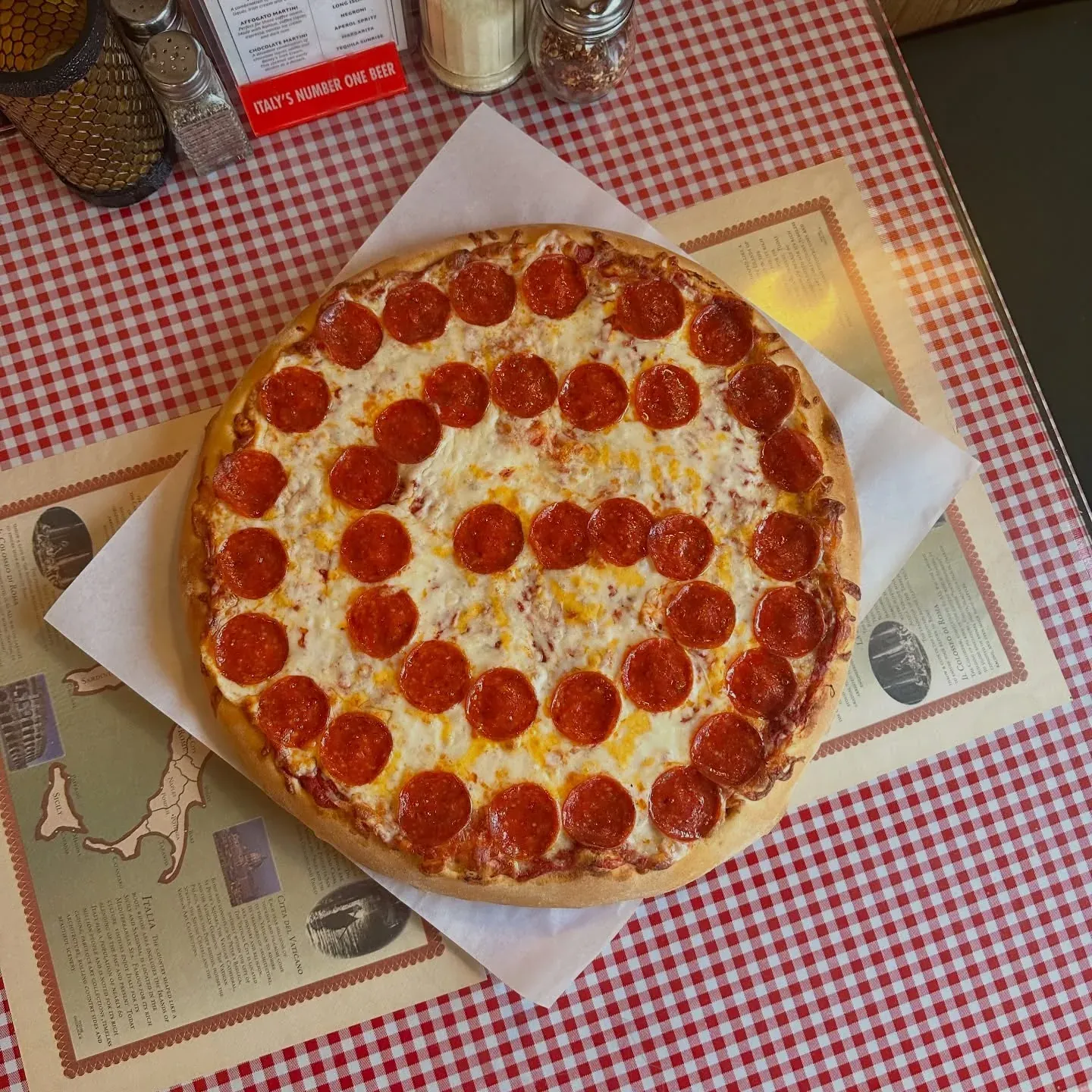
When you plan a group meal, these steps help ensure the focus remains on the social interaction. If you have more than 8 people, order at least one large pizza for every 3 guests to ensure everyone is fed comfortably.
Select a neutral location where everyone feels welcome and the noise level allows for easy conversation. Avoid venues with loud music or open-plan kitchens, as these environments force guests to shout, which quickly drains the energy of any group.
Order a mix of classic flavors to satisfy most people. Keep the total variety to 3 types or fewer to avoid long, circular discussions about preferences. If you have a group of 12 or more, split the order into two distinct stations at opposite ends of the table to prevent bottlenecks.
Serve the pizza on a single large table or a central area where everyone can reach it without leaving their seats. This keeps the flow of conversation uninterrupted.
Put away electronic devices during the meal. This practice is associated with improved social engagement. If you notice the group checking phones, suggest a “phone stack” in the center of the table; the first person to reach for theirs pays the bill.
Allocate at least 45 minutes for the meal. This duration provides enough time for relaxed conversation without feeling rushed.
If someone has severe allergies, call the restaurant two hours before ordering. Ask specifically if they use shared cutting boards, as cross-contamination is the most common mistake that ruins a meal.
Time required for social connection
The time you spend together is the most important factor for building connections. While the actual act of eating might take 20 minutes, the social benefits increase as the meal extends.
| Situation | Time to allow | What changes it | What to watch for |
|---|---|---|---|
| Quick work lunch | 30-45 mins | Room size | Noise levels |
| Casual dinner | 60-90 mins | Group size | Engagement level |
| Large party | 2+ hours | Guest count | Fatigue |
If the conversation is flowing well, don’t feel pressured to end the meal strictly by the clock. Extending the time by 15 minutes often leads to the most meaningful parts of a discussion.
To gauge if you should stay longer, look for the “venting threshold.” If the conversation shifts from surface observations to personal frustrations or aspirations, you have hit the core connection point. Staying an extra quarter-hour here cements the bond.
Most people make the mistake of leaving the moment the food is cleared. This costs you the “unstructured window,” where the social pressure of the meal vanishes. If you’re in a quiet setting, stay. If the venue has become loud or crowded, move to a secondary location to keep the momentum. If you can hear the person across from you without leaning in, you’re in the right spot to linger.
Signs of a successful social meal
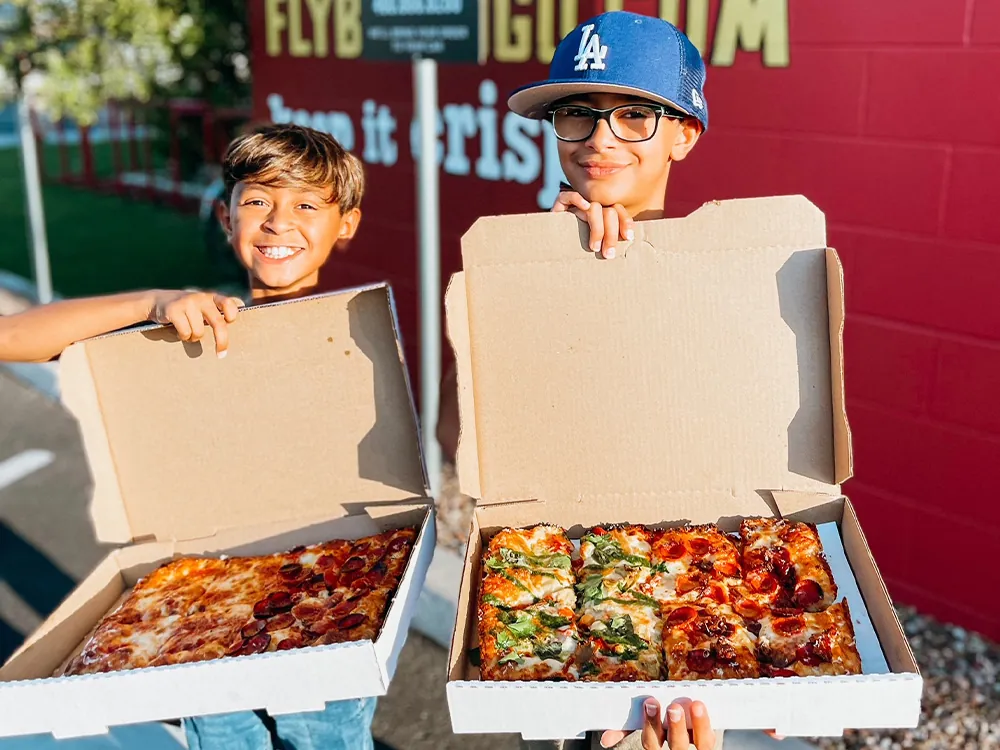
You can tell the gathering is working when the room sounds like a conversation rather than a series of quiet clicks or chewing sounds. Watch for people leaning in toward each other and a lack of focus on phones or watches. The most reliable sign is when the laughter and talk continue even after the last slice is gone.
If the group is silent, try asking open-ended questions about shared memories or future plans. This shifts the focus from the food back to the people. When the energy in the room is high and the pace of eating slows down, you have created a space that fosters genuine human connection.
Most hosts make the mistake of clearing plates too quickly. This signals that the event is over and triggers a subconscious urge for guests to leave. If you want the night to last, leave the crumbs on the table for at least twenty minutes after the final bite.
If guests are checking their phones, they’re bored. If they’re checking their watches, they’re trapped. In either case, pivot immediately to a new topic or offer a fresh drink to reset the room’s rhythm.
Common mistakes that ruin the mood

Overloading the group with choices traps guests in a cycle of analysis paralysis. When you offer more than three distinct styles of food or drink, the evening shifts from connection to logistics. People spend the entire time debating the menu rather than sharing stories. Limit your selection to two or three options to keep the focus on the social side of the event.
Choosing a venue that’s too loud destroys intimacy. If you can’t hear the person sitting across from you, the social benefits vanish because you’re forced to shout or stop talking. Before booking, visit the space during the same time of day you plan to host your event. If you have to raise your voice to be heard over the background music, find somewhere else.
Ignoring seating arrangements creates invisible walls. If people are separated by large gaps or physical barriers, they won’t interact as a single group. Arrange chairs so everyone faces the center of the table. This simple geometry encourages eye contact, which is the primary driver of engagement.
Frequently asked questions
How long should a social pizza meal last?
A social pizza meal should last at least 60 minutes to provide enough time for meaningful conversation. This allows for an initial period of eating followed by a relaxed time for discussion. If you have a group of 6 or more, you may find that 90 minutes is better to ensure everyone has a chance to speak comfortably.
Is it safe to share food in a group?
Yes, sharing food is safe when you follow basic hygiene practices like using serving utensils and ensuring everyone washes their hands before eating. If you’re concerned about health, you can order individual slices or ensure the pizza is pre-cut into smaller, manageable portions. Always check that the restaurant follows local food safety standards for handling and delivery.
What is the best number of people for a social meal?
The best number of people for a social meal is 4 to 6, as this size allows for one continuous conversation. In groups larger than 8, the table often splits into smaller, separate groups, which reduces the shared experience. If you’re hosting a larger party, try to keep the seating close to maintain one unified group dynamic.
Why does sharing a meal help with stress?
Sharing a meal helps reduce stress because it triggers the release of oxytocin, a hormone that promotes social bonding and relaxation. This effect is strongest when the environment is calm and free from distractions like work or loud music. By focusing on the food and the people, you give your brain a break from daily pressures.
Can pizza help improve workplace morale?
Yes, pizza improves workplace morale by providing a low-stakes way for team members to interact outside of their usual tasks. These regular team lunches act as neutral ground where hierarchies fade, helping to build trust and increase cooperation among colleagues who might not otherwise connect during the workday.
Conclusion
Next time you’re planning a casual get-together, don’t overthink the menu. Just order a few boxes, clear the table, and invite your favorite people over to relax. You’ll find that it’s the simplest way to turn a regular evening into a meaningful memory that everyone will truly appreciate.

As the author of the “Ultimate Pizza Guide: Recipes, Tips & Secrets Revealed,” I’m dedicated to sharing my love for pizza and empowering others to create delicious homemade pizzas with ease. Join me on a journey to uncover the secrets to perfecting your pizza game!