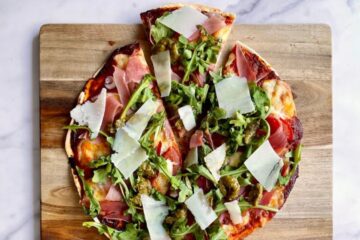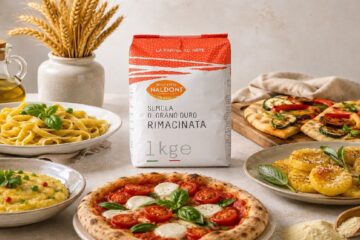
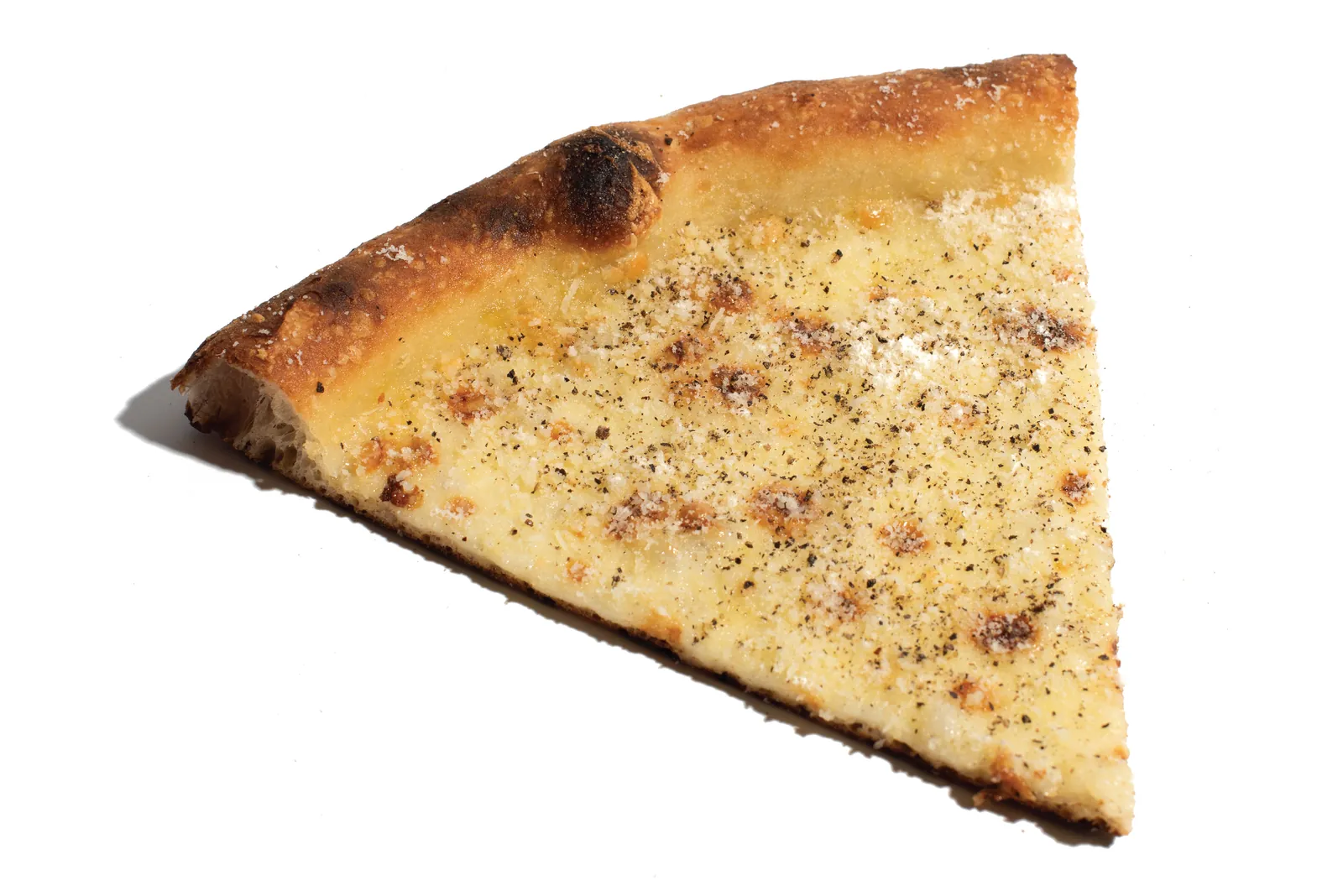
Eating a pizza and weekend indulgence is a manageable habit if you focus on portion control and balance your meals throughout the rest of the day. A standard slice of thin-crust cheese pizza contains about 250 to 300 calories, meaning you can enjoy a treat while staying within your total daily energy needs. Planning your other meals around this choice helps maintain your health goals.
Pizza and the art of weekend indulgence
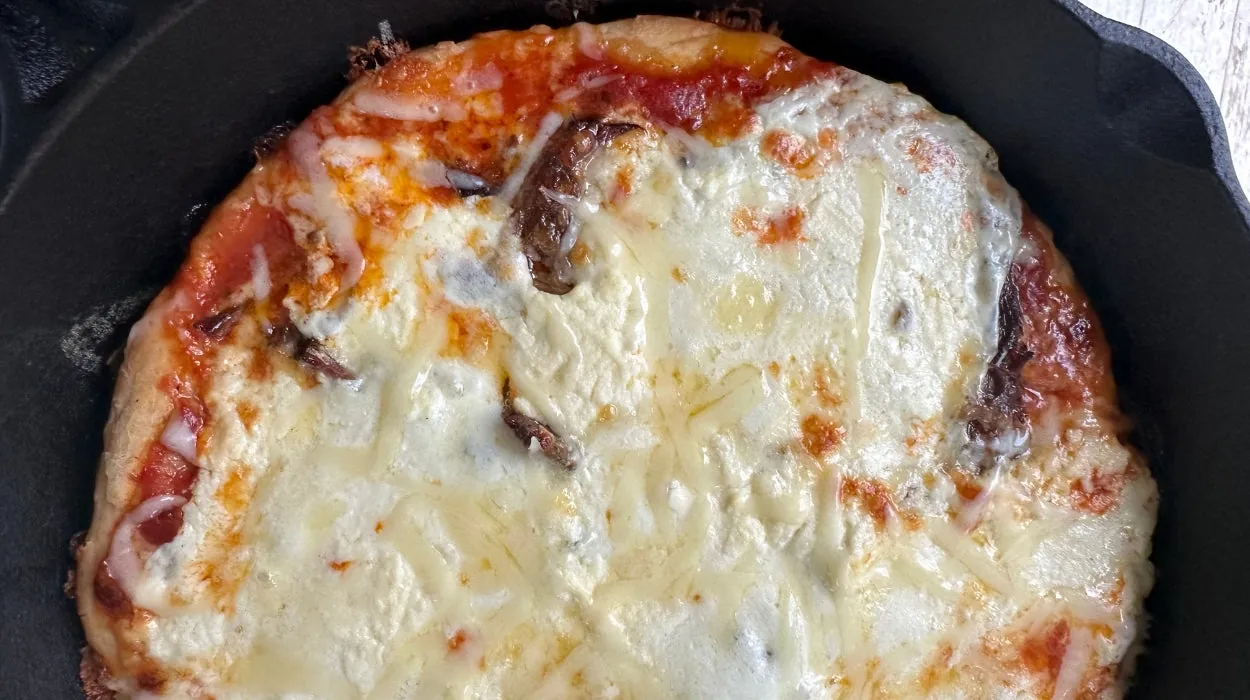
- One slice of standard thin-crust pizza typically provides between 250 and 300 calories.
- Pair your slice with a large green salad to increase fiber and keep you full longer.
- If you eat three slices, you should reduce your carbohydrate intake during the earlier meals.
- Drinking water instead of sugary sodas saves roughly 150 calories per meal.
- If you choose deep-dish or stuffed-crust options, expect to add 100 to 150 calories per slice.
- Always check the nutrition labels on frozen boxes to see the exact serving size defined by the maker.
Why balance matters for your health
You can enjoy food without guilt once you understand how your body processes energy. Your body requires a consistent supply of fuel to function, but it doesn’t differentiate between “good” or “bad” foods in the way many people assume. The primary mechanism for weight management is your total energy balance over the course of a week, rather than a single meal.
When you consume a calorie-dense meal like pizza, your blood glucose levels may rise more quickly than they would with a high-fiber, vegetable-based meal. The Dietary Guidelines for Americans suggests that most of your daily calories should come from nutrient-dense foods like fruits, vegetables, and lean proteins. If you know you’ll have a treat on Saturday, you can adjust your activity levels or portion sizes in the days before to create a buffer.
Consistency is more important than perfection. If you overeat during one weekend dinner, your body doesn’t immediately store that excess as fat unless you consistently eat more than your body uses over several days. Focus on the total intake for the week. If you eat a larger portion on Sunday, simply return to your normal, balanced routine on Monday morning without restricting your calories too severely.
Adjusting for different situations
| Situation | What changes | What to do instead |
|---|---|---|
| Very thin crust | Lower calorie count | Enjoy one extra slice |
| Deep dish pizza | Higher fat and carbs | Eat only one piece |
| Heavy meat toppings | Higher saturated fat | Add extra side vegetables |
| Homemade pizza | You control ingredients | Use more vegetable toppings |
| Eating out | Hidden sodium levels | Drink extra water all day |
When ordering deep dish, the crust density often hides an extra 300 calories per slice compared to thin styles. If you find yourself at a Chicago-style pizzeria, treat the meal as a heavy entree rather than a snack. Stop at one slice regardless of your hunger levels.
If the pizza is loaded with processed meats like pepperoni or sausage, the sodium content frequently exceeds your entire daily recommended limit. Balance this by skipping salty appetizers and drinking sixteen ounces of water before your first bite.
Distinguish between “thin” and “crispy” crusts. A true thin crust uses less dough, but a crispy crust often relies on added oils during the baking process. If you’re watching your fat intake, choose the thinnest option available. When in doubt, prioritize fiber by pairing your meal with a side salad to slow glucose absorption.
How to enjoy your weekend meal
- Start by checking the nutrition facts on the menu or box to see the serving size. A typical serving is one or two slices, so count yours before you start eating.
- Prepare a large plate of leafy greens or steamed broccoli before you heat the pizza. Eat the vegetables first to fill your stomach with fiber and water, which helps you feel satisfied faster.
- Choose a thin crust if you want to save calories for other treats later in the weekend. The crust is where most of the refined carbohydrates and extra calories are hidden in every slice.
- If you’re ordering from a restaurant, ask for light cheese and extra vegetables. This simple request can reduce the total fat and calorie count of your meal by up to 20 percent.
- Eat slowly and stop when you feel satisfied, not stuffed. It takes about 20 minutes for your brain to receive the signal that your stomach is full, so put your fork down between bites.
- If you have leftovers, store them in the fridge immediately after the meal. Don’t leave the box on the counter, as this makes it too easy to pick at the remaining slices later.
Common mistakes that ruin progress
Skipping breakfast to “save room” for pizza often leads to extreme hunger and overeating later in the day. If you arrive at your meal ravenous, your body’s hunger hormones override your cognitive limits, causing you to consume 30% more calories than if you had eaten a protein-rich morning meal.
Eating directly from the box makes it difficult to track how many slices you have consumed, leading to accidental excess. Always transfer your portions to a plate before you start. If you can’t see the empty space on the cardboard, you lose the visual cue that signals you’re finished.
Ignoring vegetable intake means you miss out on fiber that helps your digestion process heavy meals. Pair your slices with a side salad to slow down your insulin spike.
Drinking alcohol with your meal increases the calorie density significantly and lowers your resolve. Stick to sparkling water with lime to maintain your focus.
Frequently asked questions
Can I eat pizza every weekend and stay healthy?
Yes, you can include this food in your diet if you balance your total weekly calories and maintain a focus on nutrient-dense foods during the week. Health is determined by your overall eating pattern rather than a single meal. If you ensure your other meals are rich in fiber and protein, an occasional treat fits well within a balanced lifestyle.
How many slices is a safe serving size?
A safe serving size is typically one or two slices, depending on your total daily calorie budget. Most adults need between 1,600 and 2,400 calories per day, so two slices account for about 500 to 600 calories. You should check your specific caloric needs based on your age, gender, and activity level to see how this fits into your day.
Why do I feel bloated after eating pizza?
Bloating usually happens because of the high sodium content found in processed cheese, tomato sauce, and dough. Excess salt causes your body to retain water, which creates a feeling of puffiness or heaviness. You can reduce this effect by drinking plenty of plain water throughout the day to help your kidneys flush out the extra sodium more efficiently.
Is thin crust always better than thick crust?
Thin crust is generally better for calorie management because it uses less dough, which is the main source of carbohydrates in the meal. A thick or stuffed crust can add 100 to 200 calories per slice compared to a thin base. If you prefer the taste of thick crust, simply reduce your portion size to one slice to keep your total intake consistent.
What happens if I overeat on a weekend?
If you overeat, your body will simply use the extra energy for your daily activities or store it as glycogen for later use. Don’t try to “punish” yourself with intense exercise or extreme fasting the next day, as this can lead to an unhealthy relationship with food. Simply return to your normal, nutritious eating habits at your next scheduled meal.
Does the type of topping matter for my health?
Yes, the toppings change the nutritional value of your meal significantly. Vegetable toppings like peppers, onions, and mushrooms add fiber and vitamins with very few calories. In contrast, processed meats like pepperoni or sausage increase the saturated fat and sodium content, which can make the meal less heart-healthy if consumed in large quantities.
How long does it take for my body to process the meal?
Your body begins the process of digestion immediately, but it can take several hours for a heavy meal to move through your system. The time varies based on your metabolism and the fiber content of your entire day. Drinking water and staying active with a light walk after eating can help support your digestion and make you feel more comfortable.
Conclusion
Enjoying your food is a key part of maintaining a sustainable lifestyle. When you plan ahead and keep your portions in check, you can participate in social events and weekend traditions without compromising your health goals. Consistency over the long term is what truly defines your well-being.

As the author of the “Ultimate Pizza Guide: Recipes, Tips & Secrets Revealed,” I’m dedicated to sharing my love for pizza and empowering others to create delicious homemade pizzas with ease. Join me on a journey to uncover the secrets to perfecting your pizza game!