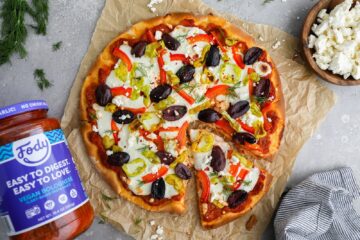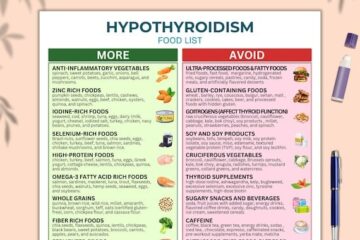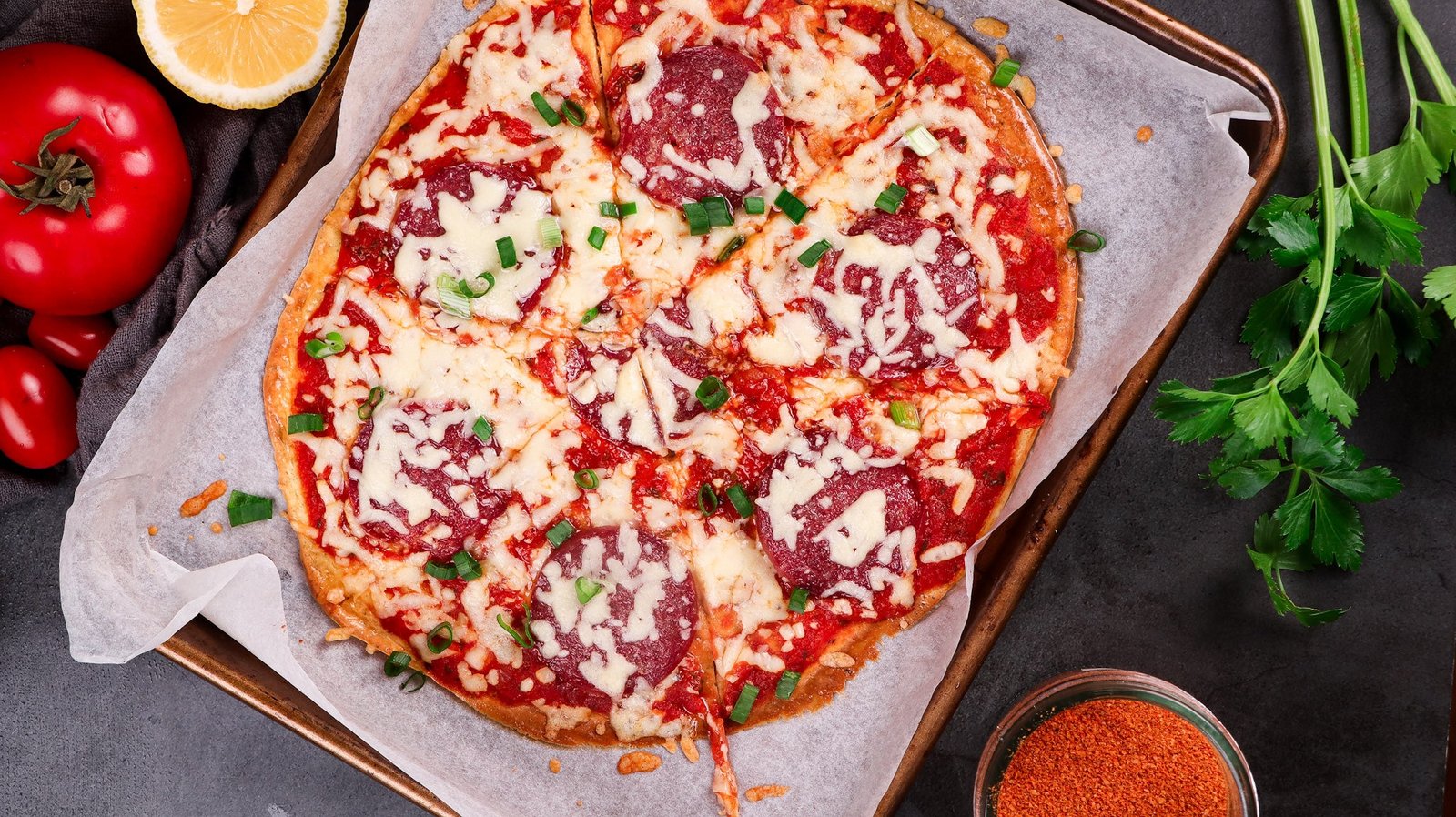
Usually, pizza and hormone balance aren’t directly linked by a single ingredient, but the overall impact depends on your total daily intake of processed carbohydrates and fats. If you eat it in moderation, your body manages the blood sugar spikes easily. However, if you rely on it as a primary food source, the high glycemic load may affect your insulin sensitivity over time.
Safety of common pizza ingredients

Choosing specific pizza components allows you to align your meal with your metabolic goals. While some ingredients are neutral, others require careful monitoring to manage your health effectively.
| Ingredient | Status | Why |
|---|---|---|
| Thin crust | With care | High refined flour count |
| Tomato sauce | Safe | Contains natural lycopene |
| Mozzarella cheese | With care | High in saturated fats |
| Pepperoni | No | Processed meat with nitrates |
| Fresh vegetables | Safe | Provides essential fiber |
| Deep dish | No | Excessive calories and carbs |
If you’re managing blood sugar, choose thin crust over deep dish. A single slice of deep dish can contain double the refined carbohydrates of a thin-crust slice, causing a sharper insulin spike.
Watch the sodium content in processed meats. Pepperoni often hides 400 milligrams of sodium per ounce, which contributes to water retention. If you crave savory toppings, swap cured meats for grilled chicken or anchovies.
Finally, don’t mistake vegetable toppings for a complete serving of greens. Most pizzas offer fewer than two ounces of vegetables per pie. Add a side salad to ensure you actually hit your fiber targets for the meal.
How diet affects your internal systems
The primary concern with frequent consumption is the effect of rapid blood glucose increases on your endocrine function. When you consume high-glycemic foods, your pancreas releases insulin to manage sugar levels.
This risk isn’t about one slice of pizza, but rather the cumulative effect of your weekly eating habits. If you eat pizza every day, your body may struggle to maintain steady glucose levels. If you eat it once a week as part of a balanced diet, the impact on your hormones is negligible.
The likelihood of a hormonal shift depends entirely on your total metabolic health and how active you are. If you’re sedentary, your body is less efficient at processing the extra energy provided by a high-calorie meal. You should monitor your energy levels after eating; if you feel a crash shortly after, your current portion size may be too high for your personal needs.
Signs that your diet needs adjustment
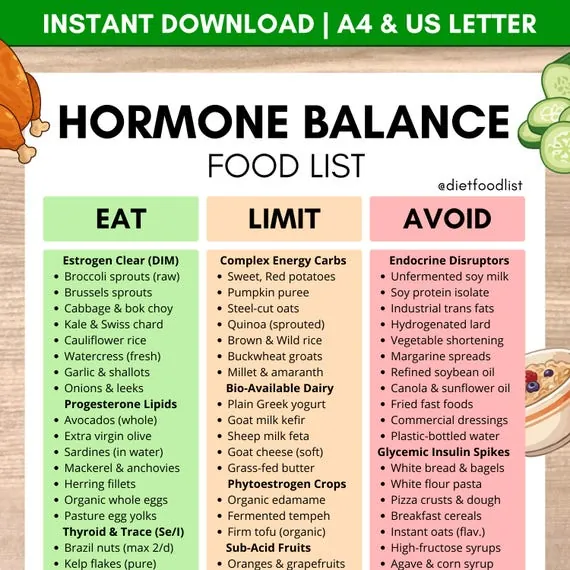
You should pay attention to how your body responds after a meal to determine if your current habits are sustainable. If you notice these signals, it’s time to change your routine.
Consistent afternoon energy crashes suggest your blood sugar is fluctuating too wildly. If you feel the need for caffeine or a snack by 3:00 p.m., your lunch likely lacks the fiber or protein necessary to sustain glucose levels.
Increased cravings for salt or sugar indicate your body is seeking quick energy. These cravings often stem from skipping breakfast, which triggers a cortisol spike that leaves you desperate for refined carbohydrates by midday.
Poor sleep quality after late-night meals may point to digestive or hormonal stress. If you struggle to stay asleep, avoid heavy meals close to bedtime to reduce the risk of indigestion or acid reflux.
Unexplained weight gain despite regular activity suggests a metabolic imbalance. If your waist circumference increases while your gym routine remains constant, your body is likely holding onto calories due to chronic inflammation.
Skin breakouts following high-carb meals signal an inflammatory response. If you notice skin redness following high-carb meals, it may be an inflammatory response to rapid blood sugar spikes.
A balanced approach to enjoying pizza
You can enjoy your favorite foods while keeping your metabolic health in mind by making small, calculated adjustments to your order. These steps help lower the glycemic impact of the meal.
- Choose a thin crust rather than a thick or stuffed crust to reduce your total refined carbohydrate intake by about 40 percent per slice.
- Load your pizza with at least three types of fresh vegetables like spinach, peppers, or mushrooms to add fiber that slows down sugar absorption.
- Limit your portion to two slices and pair them with a large side salad dressed with olive oil to provide healthy fats and fiber.
- Skip processed meats like pepperoni or sausage, which contain high levels of sodium, and choose lean proteins like grilled chicken instead.
- Drink plain water or sparkling water with your meal instead of sugary sodas to keep your total insulin response as low as possible.
- Eat your salad before the pizza to ensure you’re full of fiber, which helps manage how quickly your body processes the crust.
Steps if you overindulge
If you have eaten more than you planned, don’t panic, as your body is designed to handle occasional excess. The most important step is to return to your normal, nutrient-dense eating habits with your very next meal.
Drink extra water to help your kidneys process the high sodium content typically found in restaurant crusts and sauces. Aim for an additional 16 ounces over your usual intake to counteract the bloating caused by salt-induced water retention.
Avoid skipping meals the next day to “make up” for the calories, as this only creates another cycle of unstable blood sugar. If you starve yourself, your hunger hormones will spike by the following evening, often leading to a second round of overeating.
A short walk of 15 to 20 minutes can help your muscles use up the extra glucose circulating in your bloodstream. This light movement is a gentle way to assist with glucose uptake without the potential for gastrointestinal discomfort associated with high-intensity exercise after a large meal.
If you feel severe discomfort or persistent digestive issues, contact a healthcare provider, as this might indicate an underlying sensitivity.
Frequently asked questions
Can eating pizza hurt my thyroid?
There’s no direct evidence that eating pizza harms your thyroid, but high-calorie diets can influence overall metabolic health. If you have a diagnosed thyroid condition, focus on a balanced intake of iodine-rich foods and avoid excessive refined sugars that cause inflammation.
How often can I eat pizza safely?
You can safely eat pizza about once a week if the rest of your diet is rich in fiber and whole proteins. The frequency depends on your total weekly caloric expenditure and your personal metabolic health, so monitor your energy levels to see if your body tolerates it well.
Is homemade pizza better for my hormones?
Homemade pizza is generally better because you control the quality of the ingredients, such as using whole-grain flour and fresh, low-sodium toppings. You can reduce the total fat and sugar content by nearly 50 percent compared to commercial versions by selecting your own fresh ingredients.
Does the cheese in pizza affect hormones?
Cheese contains saturated fats that, when consumed in large amounts, may influence inflammation levels in some people. If you notice changes in your skin or energy, try limiting your cheese intake to one serving per meal or opting for lower-fat dairy alternatives.
What happens if I eat pizza before bed?
Eating high-carb, high-fat meals like pizza before bed can spike your blood sugar and interfere with your sleep quality. If you eat it within 2 hours of bedtime, you may experience higher cortisol levels which disrupts your natural hormonal rhythm during the night.
Does the crust type change the hormone impact?
Crust type significantly impacts your insulin response, as refined white flour triggers faster spikes than whole-grain alternatives. Choosing whole-grain or vegetable-based crusts provides a slower, more manageable release of energy.
Conclusion
Enjoying a slice every once in a while won’t ruin your health, but it’s all about balance. Next time you’re craving a pie, try adding a big side salad or some grilled vegetables to your meal. You’ll feel much better when you pair those carbs with extra fiber to keep things steady.

As the author of the “Ultimate Pizza Guide: Recipes, Tips & Secrets Revealed,” I’m dedicated to sharing my love for pizza and empowering others to create delicious homemade pizzas with ease. Join me on a journey to uncover the secrets to perfecting your pizza game!