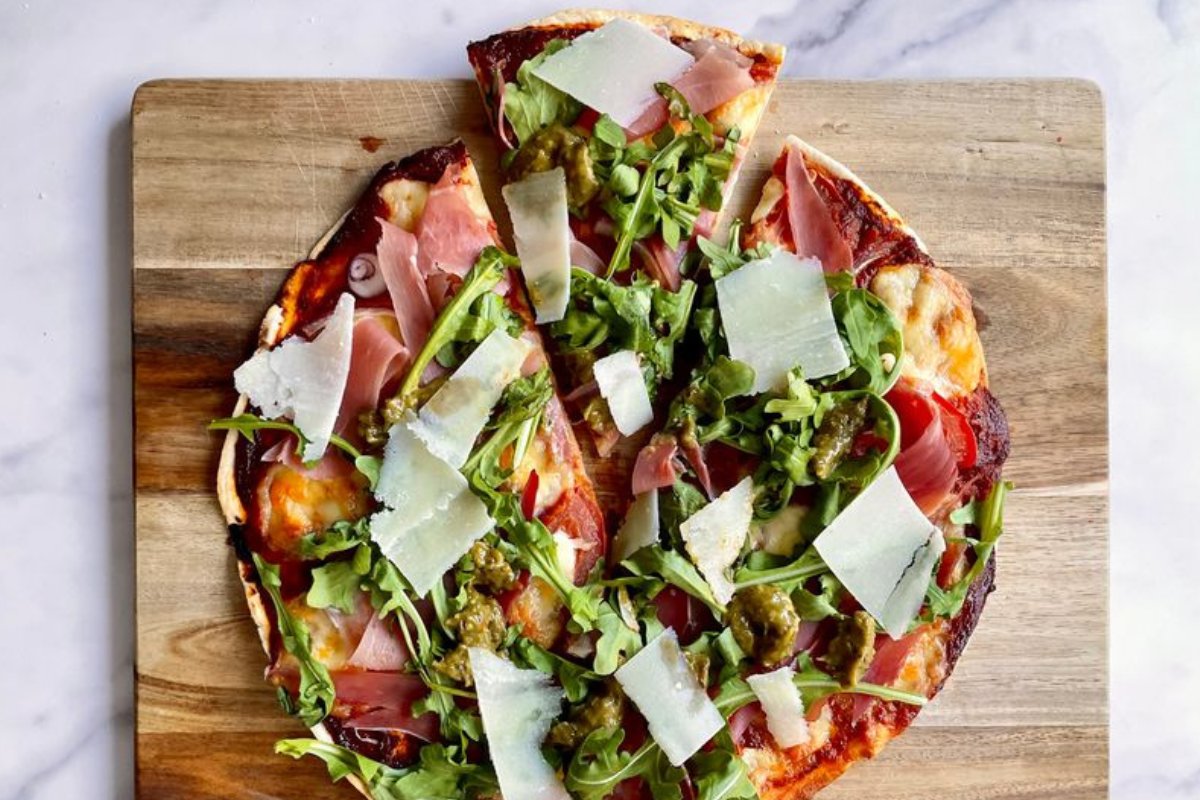
The healthiest way to manage pizza enjoyment vs nutrition balance is to focus on portion control and vegetable toppings rather than total avoidance. You can enjoy your favorite slice while keeping your daily intake in check by pairing it with a large salad or choosing thin-crust options.
Comparing pizza preparation methods
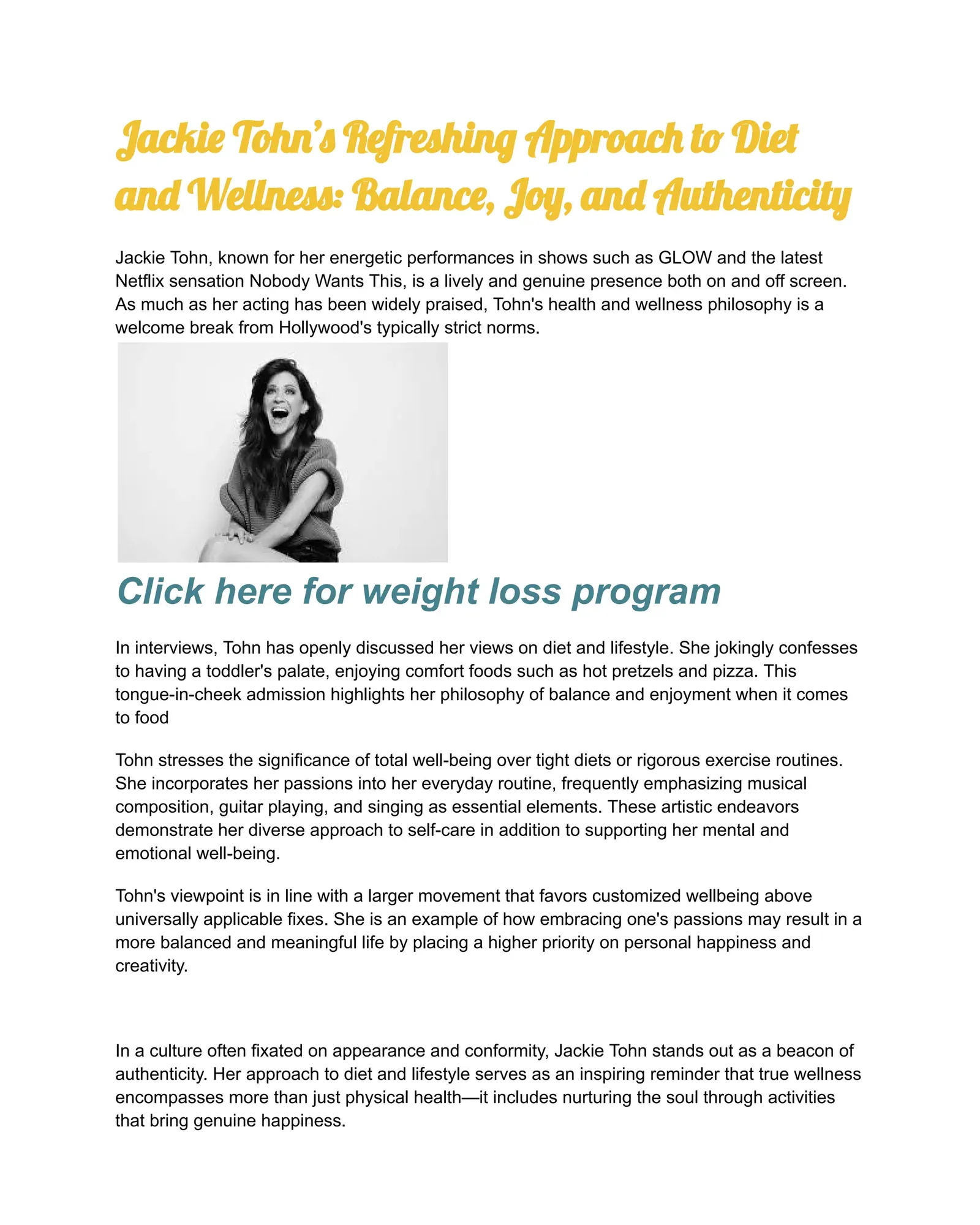
You can choose different ways to prepare or order your food based on your personal health goals. Each method offers a different trade-off between the time you spend in the kitchen and the nutritional profile of the final meal.
| Method | How long | Effort | Cost | Best for |
|---|---|---|---|---|
| Homemade veggie | 60 mins | High | Low | Maximum control |
| Thin-crust delivery | 30 mins | None | Medium | Busy schedules |
| Frozen cauliflower | 20 mins | Low | Low | Quick fiber boost |
This table assumes you’re using a standard home oven or ordering from a local shop. If you’re preparing food at home, remember that the total time includes prep and cleanup. Delivery times vary based on your local shop’s volume and distance from your home.
Crafting a homemade vegetable pizza
Making pizza from scratch gives you total control over the ingredients, especially salt and fat levels. This method works best when you want to maximize fiber and minimize processed additives.
- Prepare a whole-wheat crust or use a pre-made thin-crust base to increase fiber.
- Spread 1/4 cup of low-sodium tomato sauce, which helps you track your sodium intake.
- Top with 1 cup of fresh vegetables like bell peppers, spinach, and onions.
- Add 1/2 cup of part-skim mozzarella cheese for protein.
- Bake at 425°F for 12 to 15 minutes until the crust is golden.
Homemade pizza is excellent for family meals where you can customize each section. If you have never made dough before, it requires some practice to get the right texture.
Choosing thin-crust delivery options
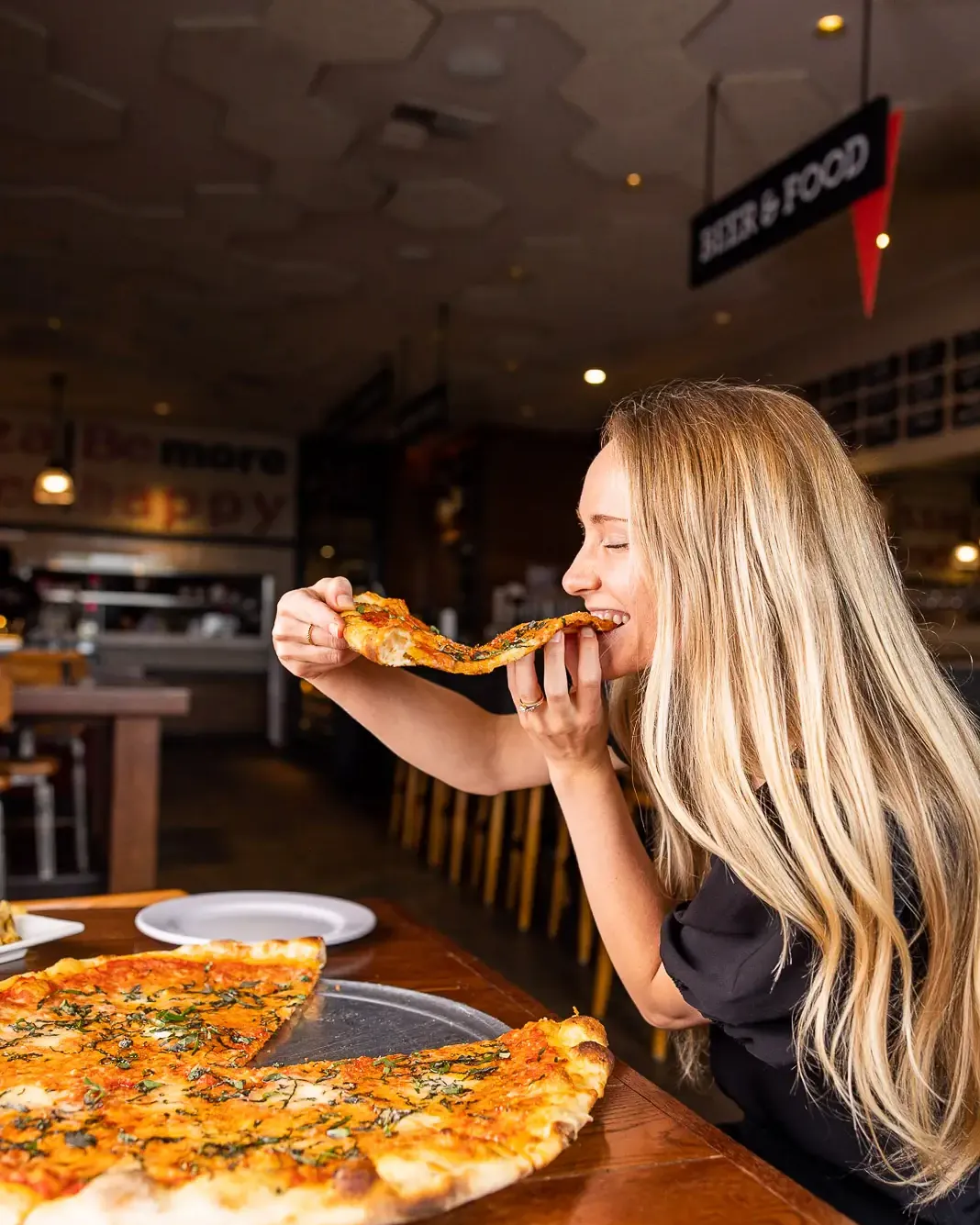
Ordering out is a common choice when you’re short on time but still want a satisfying meal. Thin-crust options generally contain fewer calories per slice than deep-dish or stuffed-crust varieties because the dough-to-topping ratio is lower.
- Select a thin or “extra thin” crust option from your local menu.
- Request “light cheese” to significantly reduce saturated fat intake per slice.
- Add at least two vegetable toppings to displace higher-calorie meat options.
- Limit your serving to two slices and pair with a green side salad.
- Avoid dipping sauces like garlic butter, which add concentrated fat and salt.
This approach is highly convenient for busy weeknights. A common mistake is ordering extra toppings like pepperoni or sausage, which drastically increases the sodium content per slice. If you’re watching your salt intake, always check the restaurant’s nutrition guide before you order.
Preparing frozen crust alternatives
Frozen pizzas with cauliflower or gluten-free crusts are popular for those looking to change their carbohydrate intake. These options often provide a different texture and a higher concentration of vegetables compared to traditional refined flour crusts.
- Preheat your oven to the temperature specified on the package, usually 400°F to 425°F.
- Remove all packaging and place the pizza directly on the center rack for crispness.
- Bake for the time listed, typically 15 to 20 minutes, or until the edges brown.
- Let the pizza sit for 2 minutes before slicing to ensure the center sets.
These crusts are great for a quick dinner when you don’t have fresh ingredients on hand. One limitation is that some frozen crusts contain hidden starches or oils to mimic the texture of wheat, so always read the label. If you’re sensitive to specific ingredients, check the packaging for allergen warnings.
Which pizza preparation method wins?
Choosing the right method depends on your immediate needs and your long-term health goals. When you’re in a hurry, thin-crust delivery is the clear winner because it requires zero preparation time. If you’re doing this for the first time, frozen cauliflower crusts are the easiest because the instructions are straightforward and the ingredients are pre-measured.
When you want the best possible result whatever it takes, homemade pizza is the superior choice. It allows you to select high-quality flour, fresh produce, and exactly the amount of cheese you need. The trade-off is that homemade pizza requires more time and cleanup compared to ordering delivery or heating a frozen meal. You must decide if the extra effort is worth the control you gain over your nutrition.
If you prioritize blood sugar management, skip the delivery. Commercial doughs often contain hidden sugars and refined oils that spike glucose levels within thirty minutes of consumption. Instead, use a crust made from almond flour or ground flaxseed to increase fiber intake.
If you have less than forty minutes, stick to the frozen aisle. Attempting a scratch-made dough usually leads to under-proofed, dense crusts that fail to crisp properly.
Rules for pizza enjoyment and nutrition balance
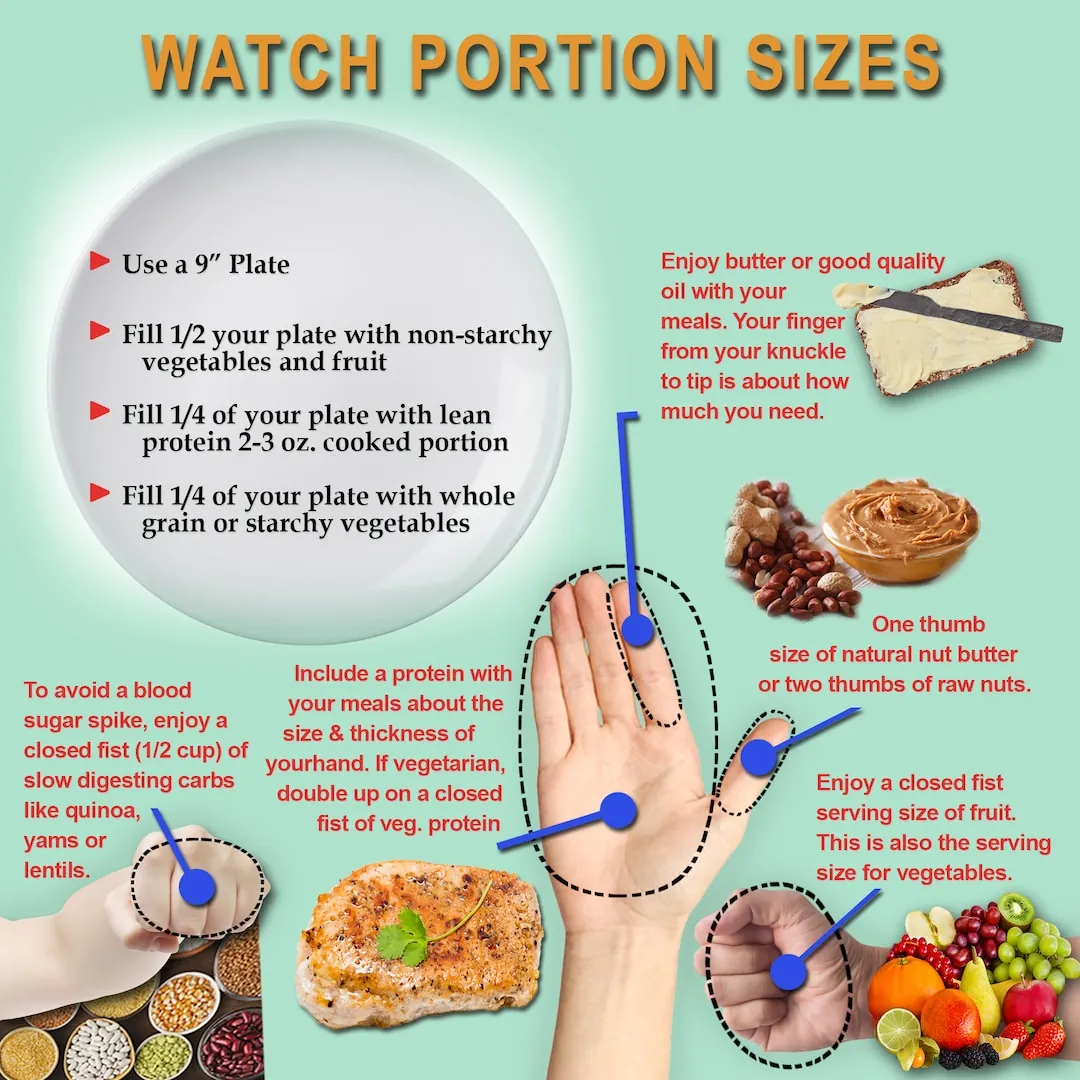
Regardless of your method, the primary goal is to balance the meal with fiber and protein. Always check your portion size against your daily caloric needs, as a single slice can vary widely in energy density based on the toppings used. If you have specific health conditions like high blood pressure, consult your doctor regarding sodium intake limits.
Prepare a side of raw or steamed vegetables to eat before your pizza slice. This helps you feel full faster and reduces the chance that you’ll overeat the crust. If you’re using a commercial oven, always follow the manufacturer’s safety instructions to avoid burns. Finally, remember that consistency matters more than perfection; enjoying a slice occasionally is part of a healthy relationship with food.
Related guides
- Best Oven Temperature for Healthy Pizza: Perfect Crisp & Flavor
- Pizza Baking Temperature And Nutrition: Ultimate Guide for Perfect Pizza
Frequently Asked Questions
Can I eat pizza every day?
No, eating pizza every day isn’t recommended because of its high sodium and saturated fat content. Most commercial pizzas exceed the recommended daily intake for these nutrients in just two slices. It’s better to treat it as an occasional meal rather than a daily staple.
How many calories are in a slice?
A typical slice of thin-crust cheese pizza contains about 200 to 300 calories, depending on the size and the amount of cheese. If you add meat toppings, this number can easily jump by 50 to 100 calories per slice. Always check the specific nutrition facts for your chosen brand.
How long does leftover pizza last?
Leftover pizza stays safe in the refrigerator for up to 4 days if stored in an airtight container. Always reheat it until it reaches an internal temperature of 165°F to ensure it’s safe to eat. Never leave cooked pizza out at room temperature for more than 2 hours.
Is frozen pizza healthy?
It can be a part of a balanced diet if you choose options with vegetable toppings and lower sodium levels. Many frozen pizzas are highly processed, so you should check the label for hidden sugars and excessive additives. Pairing a slice with a side salad improves the nutritional balance.
What happens if I overeat?
Overeating pizza typically leads to temporary bloating and indigestion due to the high fat and salt content. If you feel uncomfortable, drink plenty of water to help your body process the sodium. In the long term, frequent overeating can contribute to weight gain and cardiovascular stress.
How do I reduce the fat content?
You can reduce the fat content by requesting light cheese or blotting the top of the slice with a paper towel before eating. Choosing vegetable toppings instead of processed meats like pepperoni or sausage also lowers the saturated fat significantly. These small changes help keep your meal closer to your goals.
Conclusion
Balancing your love for pizza with your nutritional needs is about making small, intentional choices. By focusing on vegetable-heavy toppings and being mindful of your portions, you can enjoy your food without feeling like you have to sacrifice your health. Keep these simple adjustments in mind, and you’ll find it much easier to maintain your goals while still enjoying your favorite meals.

As the author of the “Ultimate Pizza Guide: Recipes, Tips & Secrets Revealed,” I’m dedicated to sharing my love for pizza and empowering others to create delicious homemade pizzas with ease. Join me on a journey to uncover the secrets to perfecting your pizza game!