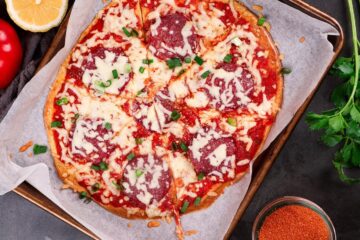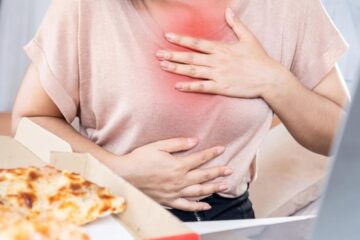
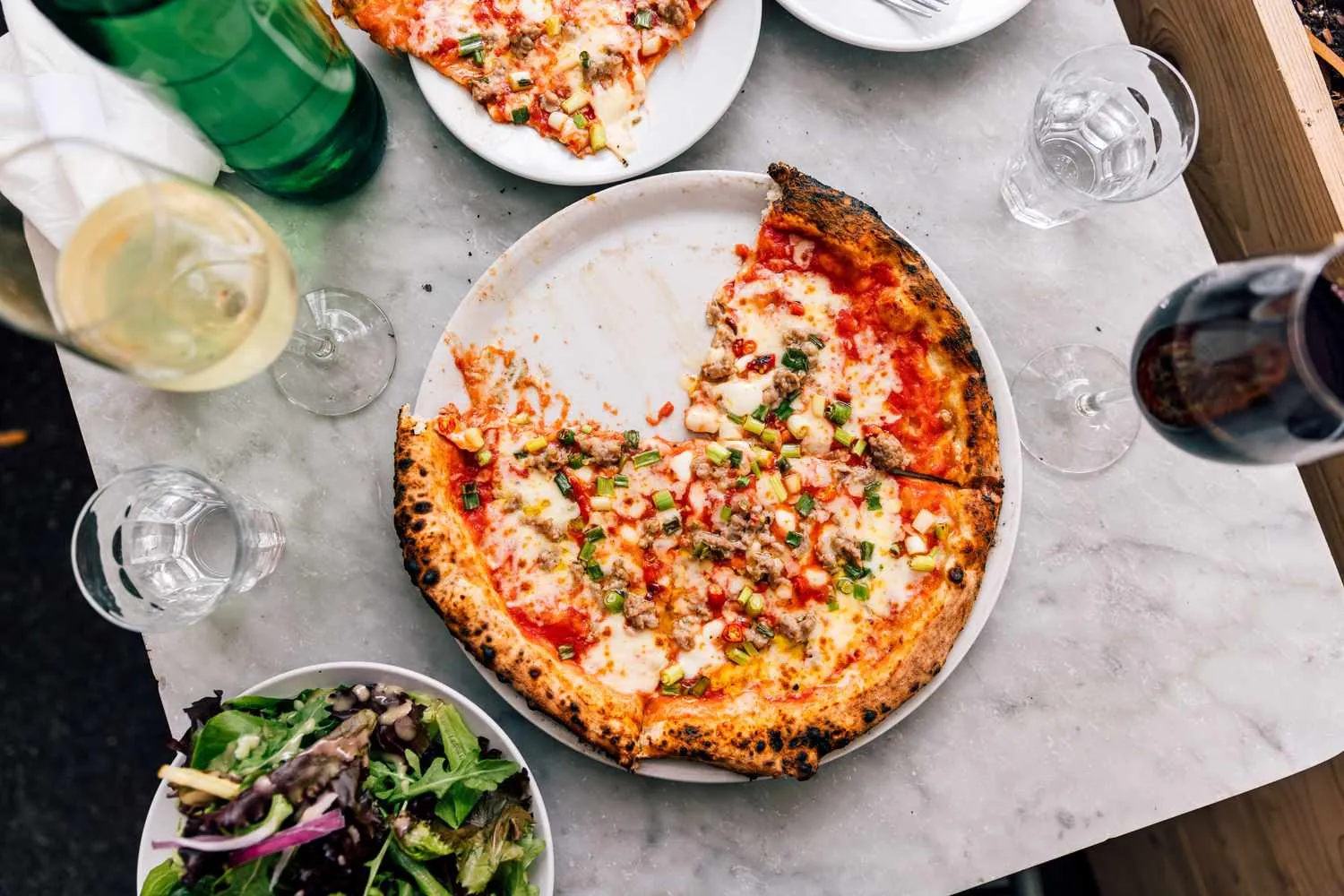
Eating pizza and blood lipid profile values often shows a negative trend because the high levels of saturated fat and sodium in standard crusts, cheeses, and processed meats can quickly raise your low-density lipoprotein (LDL) cholesterol and triglycerides. When you consume these ingredients in large portions, your body struggles to process the excess fats, which can lead to a temporary spike in the amount of lipids circulating in your bloodstream after your meal.
Pizza ingredients and your blood lipid profile
| Part or input | What it does | What you notice when it goes wrong |
|---|---|---|
| Processed meat | Adds saturated fat and salt | Higher LDL levels in tests |
| Extra cheese | Increases cholesterol intake | Elevated total blood cholesterol |
| Refined flour | Spikes blood glucose quickly | Higher triglyceride counts |
| Vegetable toppings | Provides fiber and nutrients | Improved lipid clearance rates |
| Cooking oil | Adds hidden caloric density | Weight gain over time |
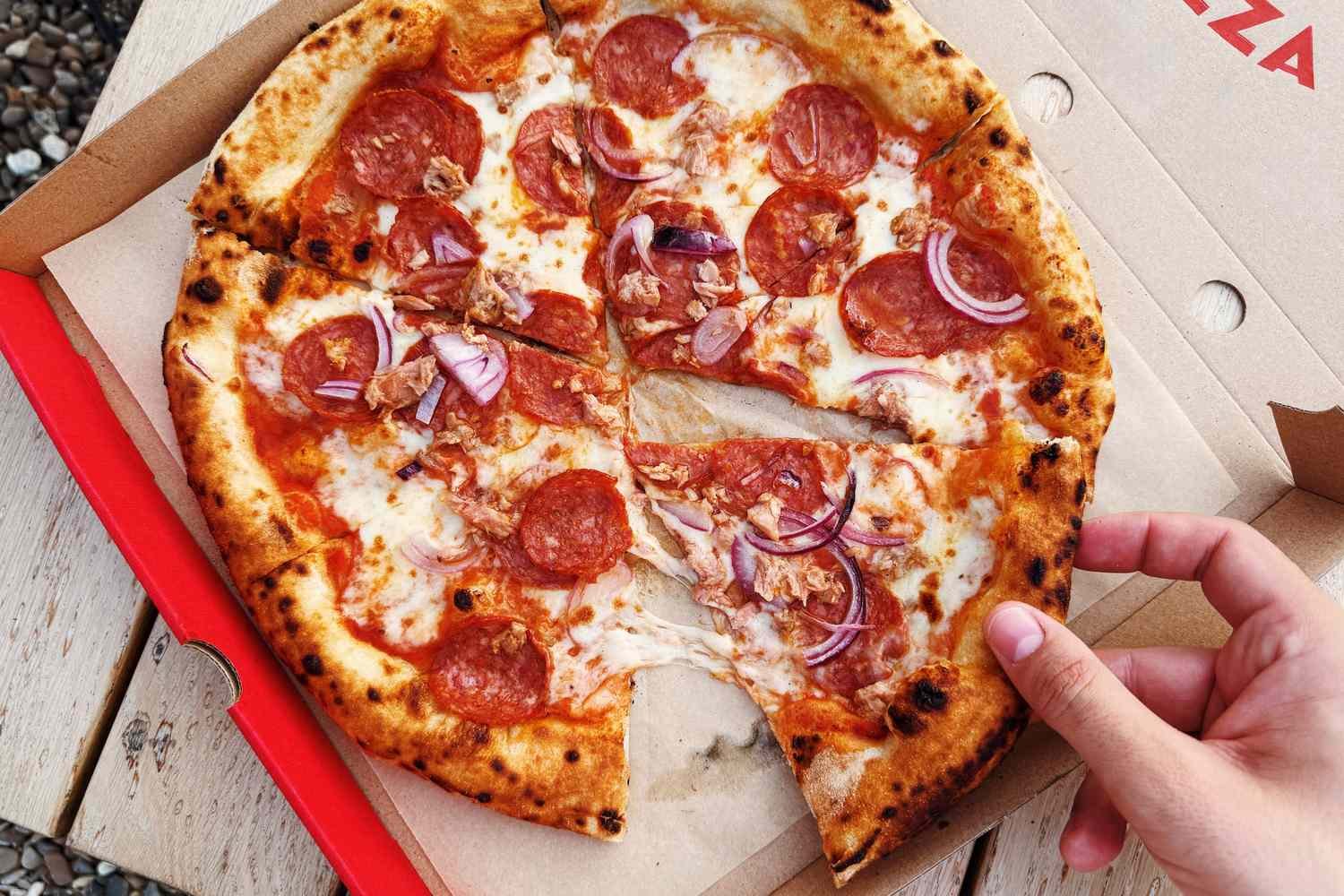
Pepperoni and sausage carry the heaviest burden for your heart. Limit these to a single layer to keep saturated fat under 5 grams per serving. If you see white grease pooling on the crust, you have exceeded your threshold for processed additives.
Cheese isn’t a monolith. If your total cholesterol climbs, swap the dairy for a drizzle of olive oil after baking.
Refined flour acts like sugar in the bloodstream. If you struggle with high triglycerides, choose thin-crust options or cauliflower bases to blunt the glucose spike.
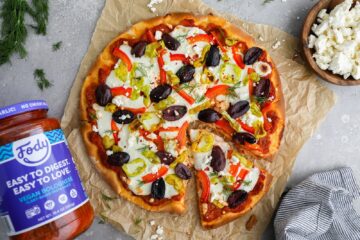
Vegetables are your primary defense against lipid buildup. Aim for at least one cup of non-starchy toppings like peppers or mushrooms. This fiber binds to bile acids, forcing your liver to pull cholesterol from your blood to produce more, which naturally lowers your circulating levels.
How digestion impacts your blood
- You eat the meal, and the fats begin breaking down in your stomach over 2 to 4 hours, depending on the thickness of the crust and the amount of cheese used.
- The liver absorbs these fats and starts producing chylomicrons, which are tiny particles that carry dietary fat through your bloodstream to your cells for energy storage.
- Your blood triglyceride levels begin to rise significantly within 3 to 6 hours after consumption, as the fats move from your digestive system into your circulatory system.
- If you have a high-fat intake, your liver may also increase the production of LDL cholesterol, often called “bad” cholesterol, to help move the extra fat around the body.
- Your body eventually clears these lipids from the blood over the next 8 to 12 hours, provided you have a healthy metabolism and don’t overeat at every meal.
- If you repeat this high-fat eating pattern frequently, your baseline lipid levels may remain elevated, which the American Heart Association explains can increase the long-term risk of heart-related issues.
Why ingredient choices change results
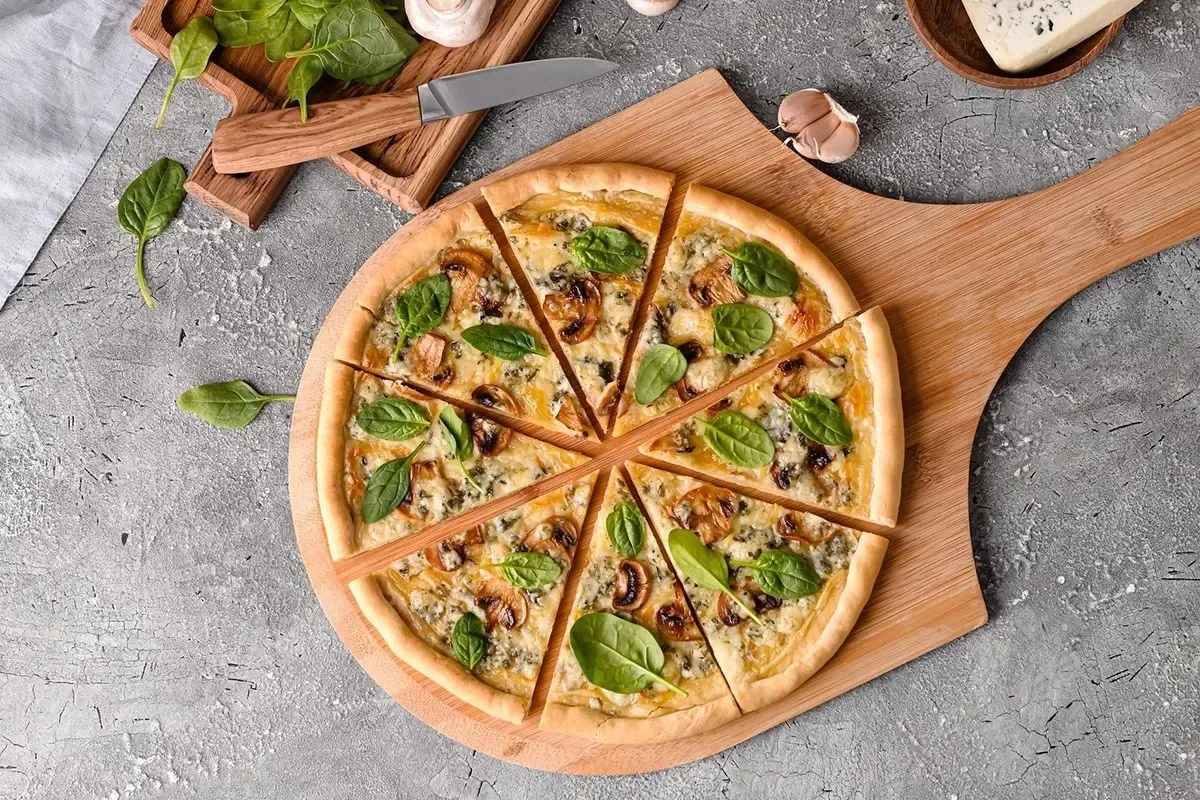
The connection between your diet and your lipid profile centers on how your liver handles different types of fats. When you eat a pizza loaded with pepperoni, sausage, and extra cheese, you’re consuming a high amount of saturated fat.
This type of fat signals the liver to produce more LDL cholesterol. Because the body can’t process these saturated fats as efficiently as unsaturated ones, they linger in the bloodstream longer. This creates a lasting impact on your lipid profile that a simple salad or a lean protein meal wouldn’t cause.
Refined carbohydrates in the dough also play a hidden role in this process. When you eat white flour, your blood sugar rises rapidly, which prompts an insulin spike. Insulin encourages the liver to turn excess sugar into triglycerides. These triglycerides then circulate in the blood, often remaining elevated for several hours. If you combine high-fat cheese with high-carb crust, you create a dual impact on your lipids: the fats raise your cholesterol, while the carbs raise your triglycerides.
You can see these effects by comparing your fasting blood work before and after periods of frequent pizza consumption. If you notice your numbers creeping up, it’s often because your body is working overtime to clear the excess fats and sugars from your recent meals.
Changes you can control and limits
Things you can change
- Choose thin crusts to lower the total amount of refined flour.
- Add more vegetables like spinach, peppers, or onions for fiber.
- Limit the amount of processed meat like sausage or pepperoni.
- Request half the amount of cheese to reduce saturated fats.
Limits by design
- The base dough recipe is fixed unless you make it yourself.
- Pre-made sauces often contain hidden sugars that you can’t remove.
- Restaurant portion sizes are fixed and usually exceed one serving.
- Your genetic predisposition determines how fast your body clears fat.
If you have concerns about your lipid levels, you should consult your doctor for a formal blood panel. Don’t attempt to self-diagnose or treat high cholesterol through diet changes alone without professional medical guidance, as this can lead to serious health complications.
Habits for better lipid management
You can manage the impact of your meals by timing your intake carefully. If you eat a high-fat meal, try to follow it with a period of physical activity, such as a 30-minute walk. This helps your muscles use the circulating triglycerides for energy, which can lower the time they spend in your blood.
Focus on the frequency of your meals to prevent long-term spikes. If you eat pizza once a week, your body has ample time to recover, but eating it daily prevents your lipid levels from returning to a healthy baseline.
Always check the nutrition facts on the box or the restaurant website to see the saturated fat content per slice. If a single slice contains more than 5 grams of saturated fat, adjust your portion size to keep your daily total within the limits your doctor recommends for your specific health needs.
Frequently asked questions
Can eating pizza cause high cholesterol?
Yes, eating pizza frequently can raise your blood cholesterol levels because the high saturated fat content in cheese and processed meats prompts your liver to produce more LDL. If you eat these foods multiple times per week, your baseline cholesterol levels may rise significantly compared to a diet focused on whole grains and lean proteins.
How long does pizza stay in your blood?
Triglycerides from a high-fat meal typically stay in your blood for 8 to 12 hours before your body clears them. This duration assumes you have a standard metabolism; if you have underlying metabolic issues, these fats may remain in your bloodstream for longer, which increases the time your arteries are exposed to them.
Is it safe to eat pizza if I have high lipids?
It’s generally safe to eat pizza in moderation if you have high lipids, provided you keep your total daily saturated fat intake within the limits set by your healthcare provider. You should prioritize thin crusts and vegetable toppings while strictly limiting processed meats and extra cheese to minimize the impact on your blood chemistry.
What happens if I eat pizza before a blood test?
Eating a high-fat meal like pizza within 12 hours of a blood test will likely cause an inaccurate result, specifically for your triglycerides. You must fast for at least 8 to 12 hours before a lipid panel to ensure the results reflect your true baseline rather than the temporary fat spike from your last meal.
Does the crust matter for my lipids?
The crust matters because it consists of refined carbohydrates that trigger insulin spikes, which contribute to higher triglyceride levels. If you choose a thin crust or a whole-grain alternative, you reduce the carbohydrate load, which helps your body manage your blood sugar and lipid levels more effectively after the meal.
How many slices can I eat safely?
You can safely eat one to two slices of a standard pizza if you keep your total daily saturated fat intake within the limits your doctor has set for your health condition.
Conclusion
Your overall health depends on the balance of your entire diet rather than a single meal choice. While pizza can be a part of an occasional treat, focus on consistent, heart-healthy habits for the rest of your week to maintain stable lipid levels.
As the author of the “Ultimate Pizza Guide: Recipes, Tips & Secrets Revealed,” I’m dedicated to sharing my love for pizza and empowering others to create delicious homemade pizzas with ease. Join me on a journey to uncover the secrets to perfecting your pizza game!