
When you crave a slice but want to boost your nutritional intake, focusing on pizza and antioxidant toppings can transform a standard comfort meal into a more wholesome dietary choice. By selecting ingredients rich in vitamins, minerals, and phytonutrients, you can counteract the potential inflammation associated with processed meats or refined carbohydrates. Understanding which specific vegetables, herbs, and spices offer the highest concentration of protective compounds allows you to customize your pie for maximum health benefit without sacrificing the classic experience of a hot, cheesy dinner.
Key Takeaways
- Prioritize deep-colored vegetables like spinach, bell peppers, and tomatoes to maximize your intake of beta-carotene and lycopene.
- Incorporate fresh herbs such as basil, oregano, and parsley immediately after baking to preserve their delicate antioxidant profiles.
- Swap traditional pepperoni for plant-based alternatives or lean proteins like grilled chicken to reduce saturated fat while adding variety.
- Choose whole-wheat or sourdough crusts to increase fiber content, which helps stabilize blood sugar levels after your meal.
- Add a drizzle of extra virgin olive oil post-bake to provide healthy monounsaturated fats that aid in the absorption of fat-soluble vitamins.
The Best Antioxidant Toppings
When selecting toppings, color is often your best indicator of nutritional density. Vegetables that are deep red, dark green, or vibrant purple are typically packed with high levels of polyphenols and flavonoids. These compounds serve as the plant’s defense system and provide similar protective benefits when consumed by humans.
Vegetables and Fruits
- Sun-dried tomatoes: These are significantly more concentrated in lycopene than fresh tomatoes.
- Fresh spinach: A powerhouse of lutein and zeaxanthin, which are essential for eye health.
- Red bell peppers: They contain higher levels of vitamin C than their green counterparts.
- Red onions: These are rich in quercetin, a potent flavonoid that helps reduce oxidative stress.
- Artichoke hearts: These provide a surprising amount of dietary fiber and chlorogenic acid.
Herbs and Spices
- Fresh basil: Provides a unique profile of essential oils and anti-inflammatory compounds.
- Dried oregano: A highly concentrated source of carvacrol, which has been shown to have antimicrobial properties.
- Garlic: Famous for its sulfur-containing compounds like allicin that support immune function.
- Red pepper flakes: These add capsaicin, which can help increase metabolic rate and provide an antioxidant boost.
How to Build Your Pizza
Constructing a nutrient-dense pizza requires a balance of textures and flavors. Start with a thin layer of high-quality tomato sauce, which serves as the base for your antioxidant-rich profile. Then, layer your vegetables to ensure they cook evenly without becoming overly soggy.
| Topping Category | Top Choices | Health Benefit |
|---|---|---|
| Cruciferous | Broccoli, Arugula | Sulforaphane content |
| Alliums | Garlic, Red Onion | Immune system support |
| Nightshades | Tomatoes, Peppers | Lycopene and Vitamin C |
| Herbs | Basil, Oregano | Essential phytonutrients |
Do Toppings Lose Potency When Baked?
It’s a common concern that the high heat of a pizza oven might destroy the beneficial compounds in your toppings. While some heat-sensitive vitamins like Vitamin C can degrade during prolonged cooking, others, such as lycopene in tomatoes, actually become more bioavailable when heated.
Pro Tip: To get the best of both worlds, add sturdy vegetables like onions and peppers before baking, but save delicate greens like spinach, arugula, or fresh herbs for the final minute of cooking or add them fresh immediately after the pizza leaves the oven. This “flash-cooking” method preserves the structural integrity and antioxidant density of the more fragile ingredients.
Comparing Crust and Base Options
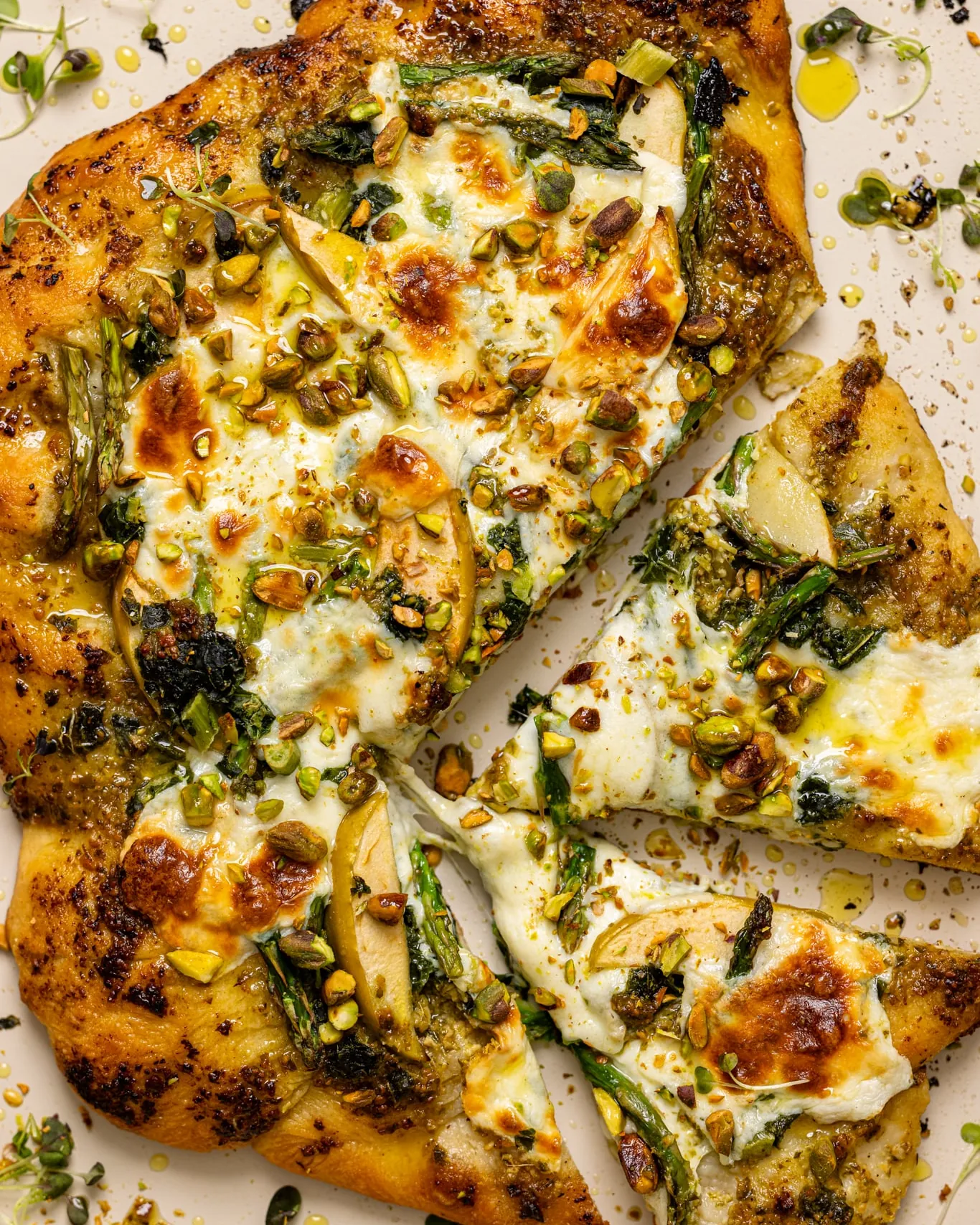
The foundation of your pizza matters as much as the toppings. A refined white flour crust offers little in the way of nutrients, whereas alternative options can contribute significant antioxidants and minerals to your meal.
| Crust Type | Antioxidant Potential | Fiber Content |
|---|---|---|
| Whole Wheat | High | Very High |
| Sourdough | Moderate | High |
| Cauliflower | Moderate | Moderate |
| White Flour | Low | Low |
Can Pizza Actually Be Healthy?
Pizza can certainly fit into a balanced lifestyle when you focus on ingredient quality. According to the Dietary Guidelines for Americans, increasing the intake of nutrient-dense vegetables is essential for long-term health. By choosing a thin crust, piling on the vegetables, and using moderate amounts of cheese, you can enjoy pizza while supporting your body’s need for essential micronutrients.
Managing Saturated Fats and Sodium
Many traditional pizza toppings, such as sausage, pepperoni, and extra cheese, are high in saturated fats and sodium. While these add flavor, they can counteract the benefits of the healthy toppings you have added.
- Choose lean proteins: Opt for grilled chicken breast, shrimp, or chickpeas instead of processed meats.
- Limit cheese: Use a lighter hand with mozzarella or try a sprinkle of feta or goat cheese for a more intense flavor profile with less volume.
- Watch the sauce: Some commercial pizza sauces are loaded with added sugars; check labels or make your own using crushed tomatoes and dried herbs.
Warning: Be cautious with pre-packaged “veggie” pizzas from the freezer aisle, as they often contain hidden sodium and processed vegetable oils that negate the nutritional value of the vegetables present.
Balancing Your Pizza Meal
Pairing your pizza with a side can help manage your total caloric intake while boosting overall antioxidant consumption. A large side salad made with dark, leafy greens like kale or romaine, dressed with olive oil and balsamic vinegar, provides a perfect nutritional balance.
- Start with a green salad: Consuming greens first helps regulate your appetite.
- Use balsamic vinegar: It contains its own set of antioxidants that pair well with pizza flavors.
- Drink water or herbal tea: Avoid sugary sodas that add empty calories to your meal.
What About Frozen Pizza Upgrades?
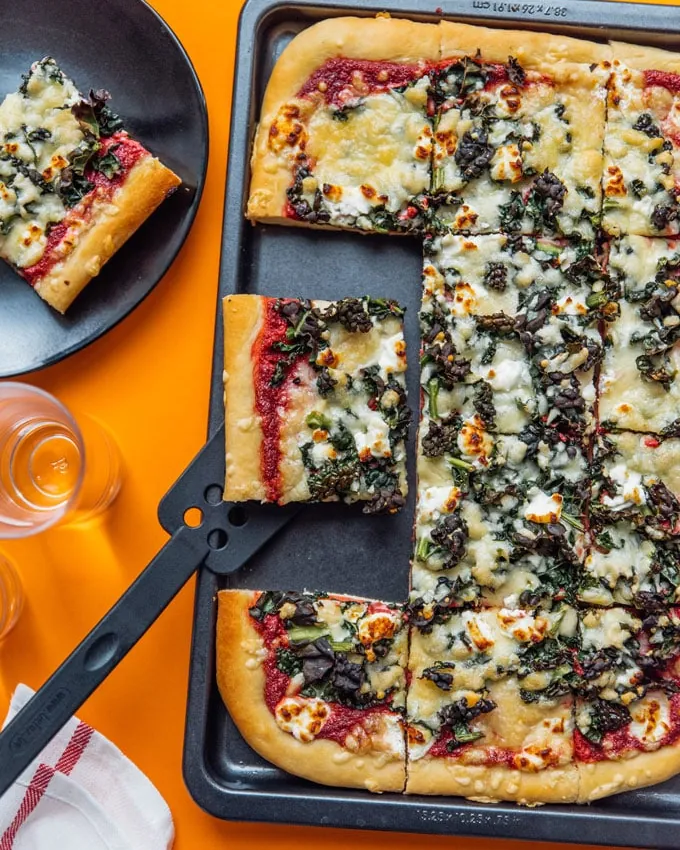
If you rely on frozen pizza, you can still improve its profile. Most frozen pizzas act as a “blank canvas.” By adding your own fresh toppings—such as sliced cherry tomatoes, a handful of fresh spinach, or a dusting of dried oregano—you can instantly improve the vitamin content of a convenient meal.
Pro Tip: Always keep a stash of frozen spinach or jarred artichoke hearts in your pantry. These items can be drained and added to any frozen pizza before or after baking to instantly increase the fiber and phytonutrient content.
Frequently Asked Questions
Does cooking tomatoes increase their antioxidants?
Yes, cooking tomatoes increases the bioavailability of lycopene, a powerful antioxidant. The heat breaks down the cell walls of the tomato, making it easier for your body to absorb this beneficial compound. While you may lose some heat-sensitive Vitamin C during the baking process, the increased availability of lycopene makes cooked tomato sauce an excellent choice for a pizza base.
Are there any toppings to avoid?
You should limit highly processed meats like pepperoni, sausage, and bacon, which are often high in sodium and saturated fats. Additionally, avoid heavy, processed cheese blends or sugary BBQ sauce bases. These ingredients can lead to inflammation and blood sugar spikes, which counteract the protective benefits provided by the antioxidant-rich vegetables you might have added to the pie.
Can I use frozen vegetables on pizza?
Absolutely, but you must prepare them correctly. Vegetables like spinach, broccoli, or peppers should be thawed and squeezed thoroughly to remove excess moisture before you add them to the pizza. If you don’t remove the water, your pizza crust will become soggy and fail to crisp properly. Patting them dry with a clean kitchen towel ensures a delicious, crispy result every time.
How much pizza is healthy to eat?
A healthy portion size typically consists of one to two slices, depending on the thickness of the crust and the density of the toppings. If you focus on a thin crust loaded with vegetables, you can enjoy a satisfying meal while keeping your calorie and sodium intake within a reasonable range. Pair it with a fresh side salad to feel full without overeating the pizza itself.
Should I add herbs before or after?
Add sturdy dried herbs like oregano and thyme before baking so their flavors can infuse into the cheese and sauce. However, delicate fresh herbs like basil, parsley, or cilantro should be added immediately after the pizza comes out of the oven. The residual heat will release their aromatic oils without wilting them into a bitter, blackened mess, preserving their full flavor and antioxidant capacity.
Conclusion
Start your next pizza night by visiting your local farmers’ market to pick up fresh, seasonal vegetables that you can layer onto your crust. By treating your pizza as a vehicle for plant-based nutrition rather than just a delivery system for cheese and dough, you turn every slice into an opportunity to nourish your body while enjoying a favorite meal.

As the author of the “Ultimate Pizza Guide: Recipes, Tips & Secrets Revealed,” I’m dedicated to sharing my love for pizza and empowering others to create delicious homemade pizzas with ease. Join me on a journey to uncover the secrets to perfecting your pizza game!