“Pizza Accessories Safety Guide”
When you’re making or serving pizza, the right accessories can make all the difference in your experience. But have you ever thought about how to use those tools safely?
Whether it’s a pizza cutter, peel, or oven mitts, each accessory comes with its own risks if not handled properly. This guide is here to help you protect yourself and your loved ones while enjoying every delicious slice. Keep reading, and you’ll discover simple, effective tips to avoid accidents, maintain your gear, and elevate your pizza game without any hassle.
Your safety starts with the right knowledge—let’s get you fully prepared!
Credit: www.webstaurantstore.com
Common Pizza Accessories
Common pizza accessories help make pizza preparation easier and safer. Using the right tools protects your hands and improves cooking results. Each accessory has a specific role in the pizza-making process. Knowing their purpose and safety tips helps avoid accidents and ensures a great pizza experience.
Cutters And Wheels
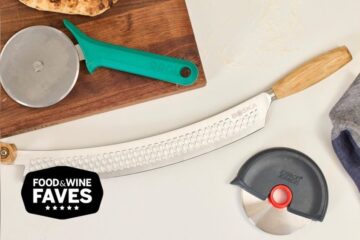
Pizza cutters and wheels slice pizza quickly and cleanly. They have sharp blades that spin or roll over the crust. Always hold the handle firmly to avoid slips. Keep blades clean and dry to prevent rust and food buildup. Store cutters safely out of children’s reach.
Pizza Peels
Pizza peels are flat tools used to slide pizza in and out of the oven. They come in wood or metal. Use a peel to avoid burns and keep your pizza intact. Handle peels carefully, especially when hot. Clean them after every use to maintain hygiene.
Oven Mitts And Gloves
Oven mitts and gloves protect your hands from heat and burns. Choose thick, heat-resistant materials for best safety. Always wear them when handling hot pizza stones or trays. Avoid wet mitts, as wet fabric transfers heat faster. Check mitts regularly for holes or wear.
Baking Stones And Steels
Baking stones and steels help cook pizza evenly with a crispy crust. They absorb and retain heat inside the oven. Handle these accessories with care; they get extremely hot. Use oven mitts when moving or cleaning them. Let stones and steels cool fully before washing.

Credit: www.amazon.com
Handling Hot Equipment
Handling hot equipment is a crucial part of making pizza safely. Pizza ovens and tools get very hot. Careless handling can cause serious burns. Understanding proper safety methods helps prevent accidents. Protect yourself and others in the kitchen by following these simple tips.
Using Oven Mitts Safely
Always use thick oven mitts when touching hot surfaces. Choose mitts that cover your hands and wrists fully. Avoid using wet or thin cloths as they do not protect well. Check mitts for holes or tears before use. Replace damaged mitts immediately. Grip tools firmly to prevent slips and drops.
Long-handled Tools
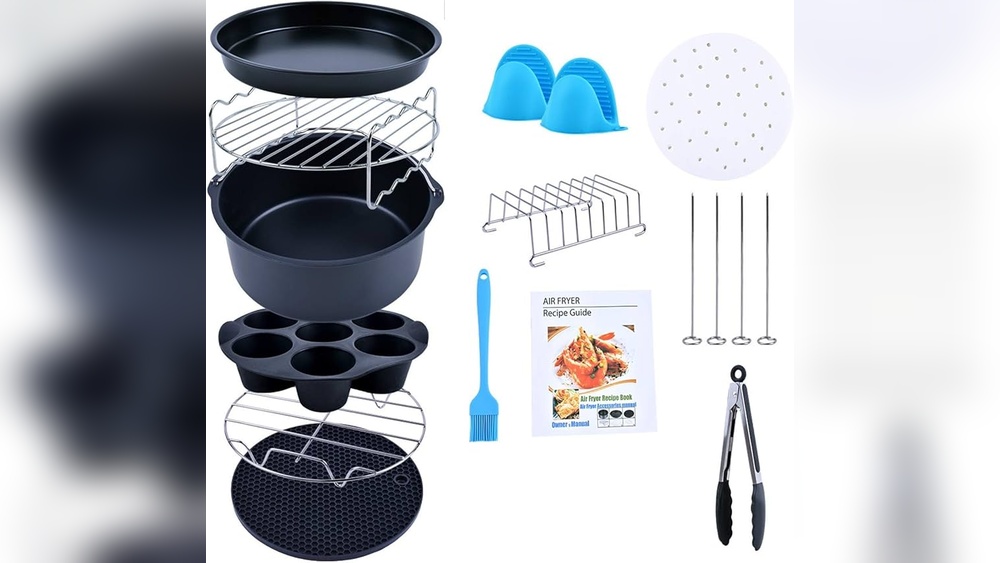
Use long-handled tools to keep hands away from heat. Pizza peels and tongs with long handles reduce burn risk. They also give better control when moving pizzas. Make sure handles are heat-resistant and sturdy. Store tools safely to avoid accidents in the kitchen.
Avoiding Burns And Scalds
Do not rush when handling hot equipment. Move slowly and focus on your task. Keep children and pets away from the cooking area. Use clear signals to warn others of hot surfaces. Keep a first aid kit nearby for quick treatment of burns. Cooling burns quickly with cold water reduces damage.
Maintaining Cleanliness
Maintaining cleanliness in pizza accessories is essential for food safety. Clean tools and surfaces reduce germs and keep pizza fresh. Regular cleaning also helps your kitchen look neat and professional. It protects both workers and customers from illness. Follow easy steps to keep everything spotless and safe.
Regular Cleaning Routines
Wash pizza accessories after each use to stop dirt build-up. Use warm water and soap to remove grease and food bits. Clean pizza cutters, peels, and trays carefully. Allow them to dry fully before storing. Set a schedule to deep clean all tools weekly. This keeps them in good condition and safe to use.
Sanitizing Tools And Surfaces
Sanitize pizza tools to kill harmful bacteria. Use food-safe sanitizers or a diluted bleach solution. Spray or wipe down surfaces and accessories after washing. Let them air dry to avoid recontamination. Sanitizing prevents germs from spreading on pizza equipment. This step is vital in busy kitchens.
Preventing Cross-contamination
Keep raw and cooked items separate to avoid germs mixing. Use different tools for dough, toppings, and cooked pizza. Clean hands and gloves before handling food. Change cloths and sponges often to reduce bacteria spread. Store accessories in clean, dry places away from contaminants. These habits protect food safety and customer health.
Safe Storage Practices
Safe storage practices keep pizza accessories clean and ready to use. Proper storage extends the life of your tools. It also prevents accidents and contamination. Follow simple steps to organize, store at correct temperatures, and protect from damage.
Organizing Accessories
Keep pizza accessories in designated areas for easy access. Use shelves, bins, or hooks to separate items. Group similar tools together, such as cutters with cutters. Label storage spots to avoid confusion. Organizing helps maintain cleanliness and speeds up pizza preparation.
Proper Storage Temperatures
Store temperature-sensitive accessories in cool, dry places. Avoid areas with high heat or moisture. Heat can warp plastic or damage handles. Moisture encourages rust on metal tools. Check storage areas regularly to ensure stable conditions. Proper temperature control preserves your accessories’ quality.
Protecting From Damage
Handle pizza accessories gently to avoid cracks or breaks. Use protective covers for sharp tools like pizza cutters. Avoid stacking heavy items on fragile ones. Clean accessories before storing to prevent buildup and stains. Regularly inspect tools and replace damaged pieces to stay safe.
Using Pizza Preparation Tools
Using pizza preparation tools correctly keeps your kitchen safe and your pizza delicious. These tools help you work faster and cleaner. Knowing how to handle them properly reduces risks of contamination and injury. Follow safety tips for each tool to protect yourself and others.
Safe Dough Handling
Wash your hands before touching dough. Use clean surfaces and utensils. Avoid cross-contamination by keeping raw dough away from cooked ingredients. Store dough at safe temperatures to stop bacteria growth. Use gloves if you have cuts on your hands. Clean tools and surfaces after each use.
Using Cutting Boards And Guides
Choose cutting boards made of food-safe materials. Use different boards for dough and toppings to prevent mixing germs. Clean boards thoroughly with hot, soapy water after each use. Use cutting guides to slice pizza safely and evenly. Keep knives and cutters sharp to avoid accidents. Store tools properly when not in use.
Measuring And Portioning Tools
Use measuring cups and spoons for accurate ingredient amounts. Portion dough with scales to keep pizzas consistent. Clean measuring tools after every use to avoid contamination. Avoid sharing tools between raw and cooked ingredients. Check tools regularly for damage and replace if needed. Accurate measuring helps with cooking times and taste.
Food Safety And Hygiene
Maintaining food safety and hygiene is essential in any pizza kitchen. Cleanliness protects customers from foodborne illnesses. Proper hygiene also keeps your workspace safe and efficient. Every pizza accessory used must be clean and handled correctly. Staff must follow strict hygiene rules to prevent contamination. This section highlights key practices for safe food handling.
Wearing Gloves And Hairnets
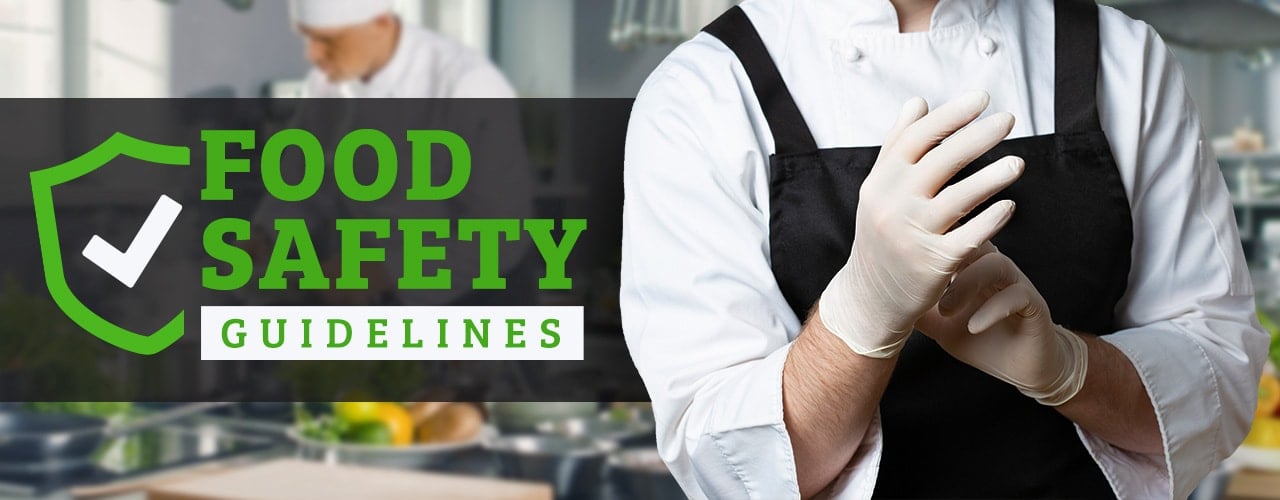
Gloves help keep hands clean and food safe. Use gloves when handling ready-to-eat pizza toppings. Change gloves frequently to avoid cross-contamination. Hairnets stop hair from falling into the pizza. Always wear a hairnet or cap during pizza preparation. These simple items reduce the risk of contamination significantly.
Handwashing Protocols
Wash hands often with warm water and soap. Clean hands before starting work and after breaks. Wash hands after using the restroom or touching face. Dry hands with clean paper towels, not cloth towels. Proper handwashing reduces bacteria and protects your pizza.
Handling Open Wounds Safely
Cover cuts or wounds with a waterproof bandage. Use gloves over bandages to prevent germs from spreading. Avoid touching food directly if you have an open wound. Keep wounds clean and change coverings regularly. This prevents bacteria from infecting the food or wound.
Inspecting Equipment For Damage
Regular inspection of pizza accessories keeps your kitchen safe and efficient. Checking tools helps spot damage early. This prevents accidents and food contamination. It also extends the life of your equipment. A careful look at each item ensures everything works well and stays safe to use.
Signs Of Wear And Tear
Look for cracks, rust, or loose parts on pizza tools. Handles may become wobbly or break. Blades on pizza cutters can dull or chip. Non-stick surfaces might peel or scratch. These signs show equipment is weakening. Using damaged tools can cause injury or affect food quality.
When To Repair Or Replace
Fix small problems like loose screws or dull blades quickly. If the damage is deep or unsafe, replace the item. Do not use tools with broken handles or sharp edges. Replacing worn accessories prevents accidents. It also helps maintain hygiene in your pizza kitchen.
Routine Safety Checks
Set a schedule to inspect all pizza accessories often. Check before and after busy shifts. Clean tools thoroughly to spot hidden damage. Record findings and actions taken. Training staff to notice problems helps keep the kitchen safe. Routine checks reduce risks and keep equipment reliable.
Tips For Oven Safety
Oven safety is crucial when using pizza accessories. It helps avoid accidents and keeps your kitchen running smoothly. Follow these simple tips to use your pizza oven safely every time.
Operating Pizza Ovens
Always read the oven manual before use. Set the temperature carefully to avoid overheating. Use timers to prevent burning pizzas. Keep children and pets away from the oven area. Never leave the oven unattended while it is on.
Preventing Grease Buildup
Grease buildup can cause fires. Clean the oven regularly to remove grease and food particles. Use a degreaser suitable for ovens to make cleaning easier. Check the oven floor and walls for grease after each use. Proper cleaning extends oven life and reduces fire risks.
Using Protective Gear
Wear heat-resistant gloves when handling hot trays or pizza stones. Use long-handled tools like pizza peels to keep your hands safe. Avoid loose clothing that can catch fire. Keep a fire extinguisher nearby and know how to use it. Protective gear lowers the risk of burns and injuries.

Credit: www.chefsdeal.com
Frequently Asked Questions
What Is The 3 8 Rule For Pizza?
The 3 8 rule for pizza means cutting a pizza into 3 rows and 8 slices, totaling 24 slices. It ensures even sharing and portion control.
What Are The Necessary Tools And Equipment Needed At A Pizza Station?
Necessary tools at a pizza station include a pizza oven, dough mixer, prep table, refrigeration, pizza cutters, pans, proofing cabinets, utensils, and storage containers.
Do Pizza Makers Have To Wear Gloves?
Pizza makers don’t always have to wear gloves. They must wear gloves if they have cuts, burns, or open wounds. Proper handwashing often suffices for food safety. Wearing gloves depends on local health regulations and specific workplace policies.
What Equipment Do You Need For A Pizza?
You need a pizza oven, mixing bowls, dough mixer, pizza peel, pizza stone, pizza cutter, measuring tools, and prep table for pizza making.
Conclusion
Safe use of pizza accessories protects you and your food. Always clean tools after each use. Check equipment regularly for damage or wear. Use heat-resistant gloves when handling hot items. Keep your workspace tidy to avoid accidents. Follow simple safety steps to enjoy pizza making.
Stay alert and careful for the best results. Safe habits make pizza time fun and worry-free.

As the author of the “Ultimate Pizza Guide: Recipes, Tips & Secrets Revealed,” I’m dedicated to sharing my love for pizza and empowering others to create delicious homemade pizzas with ease. Join me on a journey to uncover the secrets to perfecting your pizza game!