You love making delicious pizza at home, but how often do you clean your pizza accessories? If you’re like most pizza lovers, you might not think about cleaning frequency until something sticks or smells off.
However, keeping your pizza stone, peel, and other tools clean isn’t just about hygiene—it directly affects the taste and quality of your pizza. You’ll discover exactly how often you should clean each pizza accessory to keep your cooking safe, your tools in great shape, and your pizza tasting amazing every time.
Stick with us, and you’ll never wonder about pizza accessory cleaning frequency again!

Credit: chicagobrickoven.com
Cleaning Pizza Stones
Cleaning pizza stones is essential to keep them in good shape and ensure tasty pizzas every time. These stones absorb heat and help create a crispy crust. Dirt and food bits can build up with use. Cleaning prevents odors and smoke from old residue. Proper care extends the stone’s life and performance.
Pizza stones need regular cleaning after each use. Sometimes, deeper cleaning is necessary to remove stubborn stains. Avoid harsh treatments that can damage the stone. Follow simple steps to keep your stone clean and ready.
Basic Cleaning After Each Use
Let the stone cool completely to avoid cracks. Use a plastic scraper to remove stuck food and cheese. Brush off crumbs with a stiff brush once the stone is dry. Wipe gently with a damp cloth if needed. Air dry fully before storing or reheating.
Deep Cleaning Techniques
Make a baking soda paste with water or vinegar. Apply the paste to stubborn spots and scrub gently with a brush. Wipe the area clean with a damp cloth. Let the stone dry completely. For tough residue, heat the stone in the oven at high temperature to burn off leftovers.
What To Avoid
Do not use soap or detergents; the stone absorbs flavors and chemicals. Avoid soaking the stone in water to prevent cracks and damage. Never place a wet stone in a hot oven. Skip metal scrubbers that can scratch the surface. Handle the stone carefully to keep it intact.

Credit: chicagobrickoven.com
Maintaining Pizza Peels
Maintaining pizza peels is essential for every pizza lover. A clean peel ensures your pizza slides smoothly into the oven. It also keeps the peel in good condition for a long time. Dirt and food residue can affect the peel’s performance and hygiene. Regular care makes your pizza-making experience better and safer.
Frequency Of Cleaning
Clean your pizza peel after each use. Remove crumbs and dough bits immediately. If you use the peel often, deep clean it weekly. This keeps bacteria away and prevents buildup. Wooden peels need special attention to avoid damage.
Cleaning Methods
Start by scraping off stuck food with a plastic scraper. Wipe the peel with a damp cloth to remove grease. Use mild soap only on metal peels, not on wood. For wooden peels, use a mixture of water and vinegar. Avoid soaking the peel to prevent warping. Let the peel dry completely before storing.
Storage Tips
Store your pizza peel in a dry place. Keep it away from direct sunlight and moisture. Hang wooden peels if possible to maintain shape. Avoid stacking heavy items on top of metal peels. Proper storage extends the peel’s life and keeps it ready for use.
Caring For Pizza Ovens
Proper care of pizza ovens extends their lifespan and keeps pizzas tasting great. Regular cleaning removes food particles and grease that build up during use. This maintenance prevents smoke, bad odors, and uneven heating. A clean oven also reduces fire hazards and ensures safety in your kitchen.
Daily Cleaning Tasks
After each use, let the oven cool completely to avoid burns. Remove ashes and burnt debris using a metal brush or scraper. Wipe down the oven floor and walls with a damp cloth to clear any leftover crumbs. Check the oven door and glass, cleaning off any splatters or grease. Keep the exterior dust-free by wiping it with a soft cloth.
Weekly Deep Cleaning
Turn off the oven and allow it to cool fully before cleaning. Scrub the oven interior with a stiff brush to remove stubborn food residue. Use a mild detergent solution on removable parts, rinsing them thoroughly afterward. Inspect the oven for any cracks or damage during this deep clean. Clean ventilation areas to maintain proper airflow and efficient heating.
Handling Grease And Residue
Grease builds up quickly in pizza ovens, especially near the cooking surface. Use a scraper to remove thick grease patches carefully. Apply a heat-safe degreaser for heavy residue, following product instructions. Avoid harsh chemicals that could harm the oven or affect pizza flavor. Regular grease removal stops smoke and keeps ovens operating smoothly.
Cleaning Other Accessories
Keeping all pizza accessories clean is essential for food safety and pizza quality. Accessories other than stones and pans also need regular cleaning. These tools often come into contact with dough, toppings, and heat. Dirt and bacteria can build up quickly on them. Regular cleaning prevents contamination and helps your tools last longer.
Brushes And Scrapers
Brushes and scrapers remove stuck dough and burnt bits from pizza surfaces. Clean them after every use to avoid residue buildup. Use warm, soapy water and scrub well. Rinse thoroughly to remove soap. Air dry completely before storing to stop mold growth. Replace brushes if bristles become worn or damaged.
Dough Trays And Containers
Dough trays and containers hold raw dough and can collect flour and moisture. Wash trays after each use with warm water and mild detergent. Scrub corners and edges to remove dough bits. Rinse well to remove detergent. Dry trays fully before storing to prevent mold and bacteria. For plastic containers, avoid harsh chemicals that can damage the material.
Thermometers And Tools
Thermometers and other small tools touch food directly and must stay clean. Wipe them with warm, soapy water after each use. Avoid soaking electronic parts to protect functionality. Use a soft cloth to dry completely. Check for damage regularly and replace if accuracy suffers. Clean tools help ensure safe cooking temperatures and better pizza results.
Tips For Spotless Gear
Keeping your pizza gear spotless helps maintain its quality and extends its life. Clean tools work better and keep your kitchen safe. Follow these simple tips to keep your pizza accessories clean and fresh after each use.
Regular care prevents buildup and avoids damage. Clean gear also makes pizza making more enjoyable and efficient.
Avoiding Damage
Use gentle tools like plastic scrapers to remove food bits. Avoid metal brushes that can scratch surfaces. Do not soak porous items like pizza stones in water. Let hot accessories cool before cleaning to prevent cracks. Avoid harsh chemicals that may harm materials or affect flavor.
Using Natural Cleaning Agents
Baking soda mixed with water makes a safe cleaning paste. Vinegar can help remove stains without harsh effects. Use warm water and a soft cloth for wiping. Natural agents clean well without leaving harmful residues. They protect the taste and quality of your pizza accessories.
Drying And Storage Best Practices
After cleaning, dry tools completely to stop mold growth. Air dry pizza stones in a warm, dry place. Store accessories in a clean, dry area away from moisture. Proper drying and storage keep gear fresh and ready for next use. Avoid stacking items tightly to allow airflow.
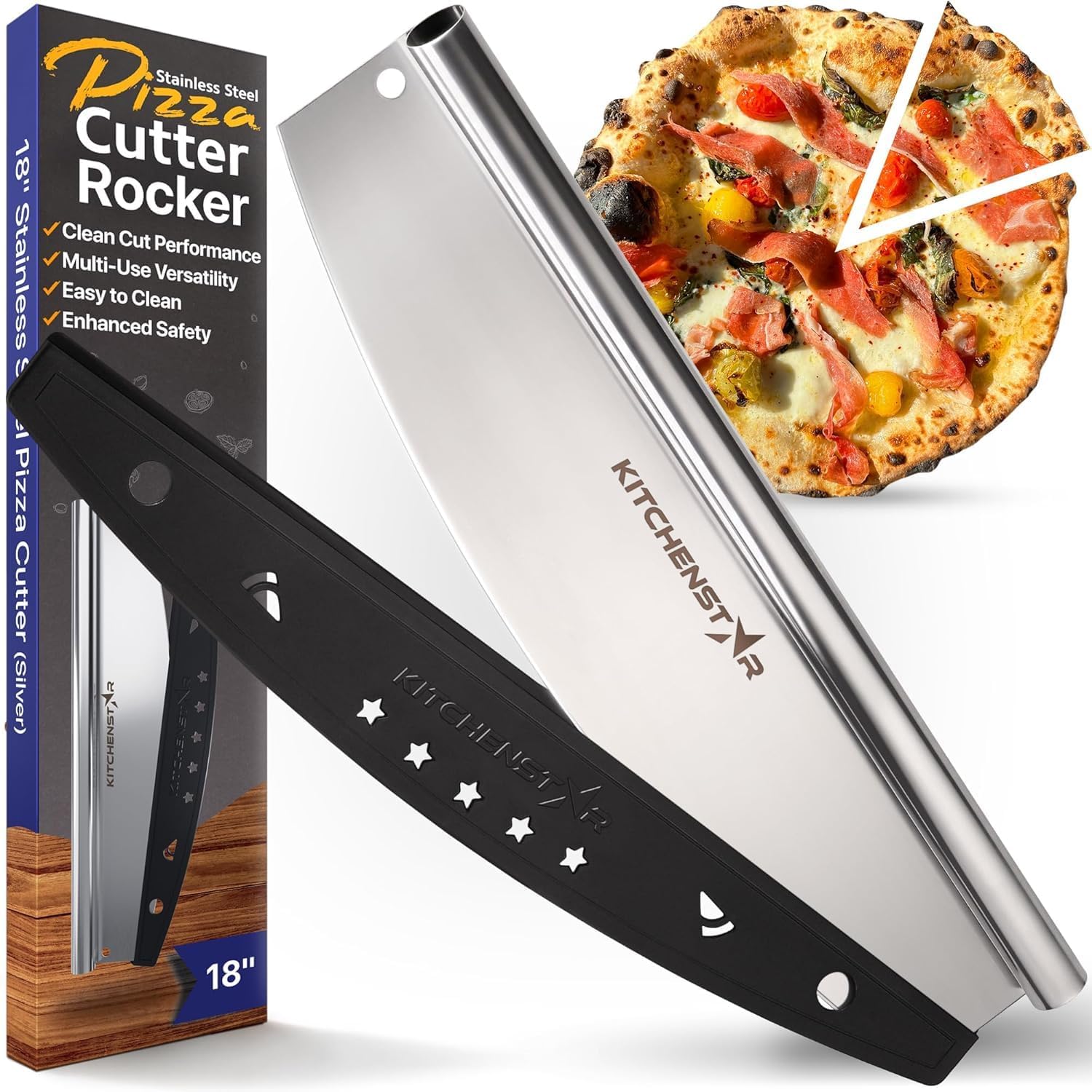
Credit: kitchenstar.top
Frequently Asked Questions
How Often Should I Clean My Pizza Stone?
Clean your pizza stone after each use by scraping off debris and brushing crumbs. Deep clean only when residue builds up. Avoid soap and soaking to prevent damage.
Are Pizza Stones Supposed To Be Washed?
Pizza stones should not be washed with soap or soaked in water. Cool completely, scrape off debris, brush crumbs, and wipe gently. For tough stains, use a baking soda paste and rinse with hot water. Always air dry thoroughly to prevent cracking.
Does It Really Take 4 Hours To Self Clean An Oven?
Yes, most ovens take about 3 to 4 hours to complete a self-cleaning cycle. This includes heating, cleaning, and cooling.
How Often Do You Need To Clean A Soft Serve Machine?
Clean your soft serve machine daily to prevent bacteria buildup and maintain product quality. Follow manufacturer guidelines for thorough cleaning.
Conclusion
Regular cleaning keeps pizza accessories safe and ready to use. Wipe stones after each use to prevent buildup. Deep clean only when residue becomes hard to remove. Avoid soap and soaking to protect your stone’s surface. Use simple tools like scrapers and brushes for easy maintenance.
Following these steps helps your accessories last longer. Clean tools make better pizzas every time. Keep your pizza routine simple and effective. Clean accessories mean tastier, healthier pizza nights ahead.

As the author of the “Ultimate Pizza Guide: Recipes, Tips & Secrets Revealed,” I’m dedicated to sharing my love for pizza and empowering others to create delicious homemade pizzas with ease. Join me on a journey to uncover the secrets to perfecting your pizza game!