“Pizza Cutter Blade Sharpness Safety”
You love pizza, but have you ever struggled to slice through a thick crust or gooey cheese with a dull pizza cutter? A sharp blade doesn’t just make cutting easier—it keeps you safer.
When your pizza cutter blade is sharp, you use less force, reducing the risk of slips and accidental cuts. But how do you know when it’s time to sharpen your cutter? And what’s the safest way to do it? You’ll discover simple tips to keep your pizza cutter blade razor-sharp and learn how maintaining its sharpness can protect your fingers every time you serve your favorite slice.
Keep reading to slice smarter and safer!
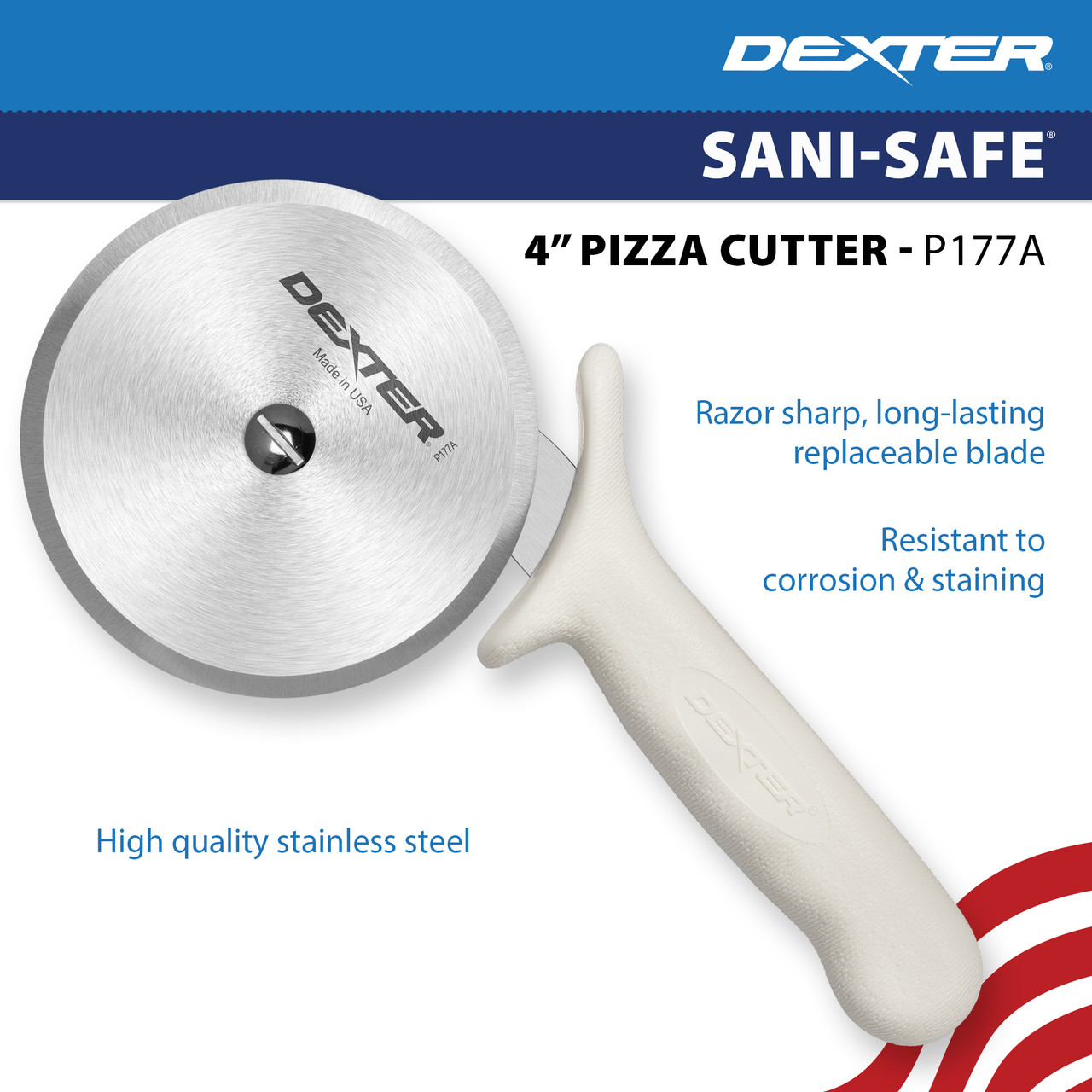
Credit: dexter1818.com
Blade Types And Materials
Choosing the right blade type and material is key for pizza cutter sharpness and safety. Different blades offer unique benefits and challenges. Understanding these helps in selecting a cutter that stays sharp and safe over time.
Stainless Steel Blades
Stainless steel blades are common and durable. They resist rust and hold sharp edges well. These blades cut through pizza crust cleanly and smoothly. Their strength allows for easy maintenance and sharpening. Steel blades need careful handling to avoid cuts during use and cleaning.
Non-stick Coated Blades
Non-stick coatings reduce pizza dough sticking to the blade. This keeps cutting smooth and effortless. These blades often last longer between cleanings. The coating protects the blade but may wear off with rough use. Sharpness remains good, but avoid abrasive cleaning tools to keep the coating safe.
Plastic And Alternative Materials
Plastic blades are lightweight and safe for kids. They are less sharp than metal but still cut soft crusts well. These blades rarely cause serious cuts but may dull quickly. Alternative materials include ceramic, which is sharp but fragile. Plastic options suit light use and easy cleaning.
Signs Of A Dull Pizza Cutter
A pizza cutter loses its sharpness over time. Recognizing the signs of a dull blade keeps cutting safe and easy. Watch for common symptoms. They help you know when to sharpen or replace the cutter. Paying attention avoids accidents and improves your pizza experience.
Difficulty In Slicing
A dull pizza cutter struggles to slice through the crust. It may drag or tear the dough instead of cutting cleanly. This makes slicing frustrating and slow. Sharp blades glide smoothly through pizza toppings and crust.
Uneven Cuts
Dull blades create jagged or uneven pizza slices. Edges may look rough or ripped. This happens because the blade can’t cut in one clean motion. Sharp cutters produce neat, straight slices every time.
Increased Effort Required
You will feel more resistance while cutting with a dull blade. More force is needed to push the cutter through the pizza. This extra effort can lead to slips and injuries. A sharp blade cuts easily with little pressure.
Sharpening Techniques
Maintaining the sharpness of your pizza cutter blade ensures clean cuts and safer handling. Dull blades require more force and increase the risk of slipping. Regular sharpening keeps the blade effective and reduces accidents. Below are simple techniques to sharpen your pizza cutter at home.
Using A Wet Stone Sharpener
Wet stone sharpeners provide a smooth sharpening surface. First, soak the stone in water for about 10 minutes. Hold the pizza cutter blade at a 20-degree angle against the stone. Move the blade in a circular motion across the stone. Repeat several times on each side until the blade feels sharper. Wipe the blade clean before use.
Handheld Abrasive Tools
Handheld sharpeners are compact and easy to use. Choose a sharpener designed for small blades. Hold the pizza cutter firmly and pull the blade through the sharpener slot. Apply gentle, even pressure for a few passes. Check the blade’s sharpness regularly. Stop sharpening once the edge is restored.
Diy Methods With Household Items
Common household items can sharpen a pizza cutter in a pinch. Use aluminum foil by folding it several times. Cut through the foil multiple times with the pizza cutter. This action hones the blade edge slightly. Another method uses a ceramic mug’s unglazed bottom. Drag the blade across the rough surface several times. Both methods improve sharpness without special tools.
Safety Precautions While Sharpening
Sharpening a pizza cutter blade improves its cutting ability. Safety is critical during this process. Taking simple precautions helps prevent accidents and injuries. Follow these safety steps carefully before and during sharpening.
Wearing Protective Gloves
Always wear thick protective gloves. Gloves protect your hands from cuts. They provide a strong grip on the blade. This reduces the risk of slipping. Choose gloves made for sharp tools.
Securing The Blade
Fix the pizza cutter blade firmly before sharpening. Use a clamp or a vise to hold it steady. A secure blade stops sudden movements. This keeps your fingers safe from the sharp edge. Avoid holding the blade by hand.
Working In A Well-lit Area
Sharpen the blade in a bright, well-lit space. Good lighting helps you see the blade edge clearly. It reduces mistakes and accidental cuts. Natural light or strong lamps work best. Never sharpen in dim or dark areas.
Maintaining Blade Sharpness
Maintaining the sharpness of your pizza cutter blade is essential for safe and efficient use. A sharp blade cuts through pizza easily, reducing the need for extra force. This lowers the risk of accidents in the kitchen. Keeping the blade sharp also extends the life of the cutter, saving money over time.
Follow simple steps to maintain blade sharpness. Regular care prevents dullness and damage. It makes your pizza cutter a reliable tool every time.
Regular Cleaning Tips
Clean the blade after each use. Use warm water and mild soap to remove cheese and sauce. Avoid harsh scrubbing that can dull the blade. Dry the cutter thoroughly to prevent rust. A clean blade cuts better and lasts longer.
Proper Storage Solutions
Store the pizza cutter in a dry place. Use a blade cover or sheath to protect the edge. Keep it separate from other utensils to avoid nicks. Proper storage prevents accidental dulling and keeps the cutter safe.
Avoiding Damage During Use
Cut only on soft surfaces like wooden or plastic boards. Avoid cutting on glass or stone, which can damage the blade. Do not use the cutter to cut hard items. Handle the cutter gently to keep the blade sharp and safe.
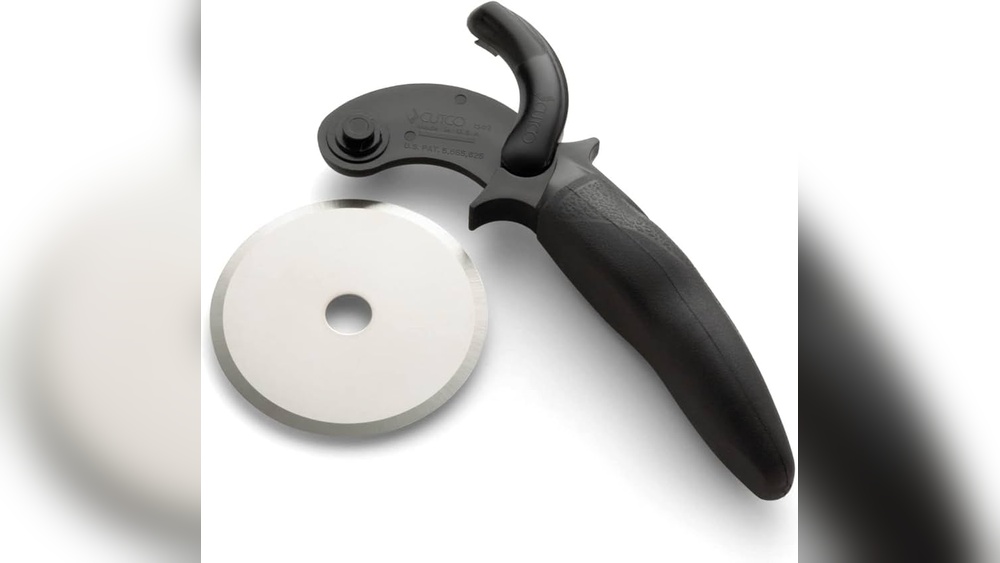
Credit: www.walmart.com
Choosing The Right Pizza Cutter
Choosing the right pizza cutter is key for safe and easy slicing. A well-chosen cutter makes pizza cutting smooth and prevents accidents. Consider the blade size, handle design, and safety features before buying. These factors help keep your fingers safe and your pizza slices perfect.
Blade Size And Shape
The blade size affects how easily you cut through pizza. Larger blades cover more area, cutting faster. Smaller blades give more control for thin crusts. Round blades roll smoothly, reducing the effort needed. Sharp edges cut cleanly without tearing the pizza. Choose a blade size and shape that fits your pizza style and hand comfort.
Ergonomic Handle Design
A good handle feels comfortable and secure in your hand. Ergonomic handles reduce hand strain during cutting. Look for non-slip grips to avoid slips and cuts. Handles should fit your hand size for better control. Proper grip keeps your fingers away from the sharp blade. A safe handle design helps prevent kitchen accidents.
Additional Features Like Blade Covers
Blade covers protect the cutter when not in use. They keep the blade sharp and prevent accidental cuts. Covers also make storage safer, especially in drawers. Some covers have locking mechanisms for extra safety. Choose a pizza cutter with a sturdy, easy-to-use blade cover. This feature adds safety to your kitchen routine.
Common Safety Mistakes To Avoid
Using a pizza cutter might seem simple, but many people make safety mistakes. These errors increase the risk of cuts and accidents. Understanding these common mistakes helps keep you safe and your cutter sharp. Avoiding them protects your hands and improves your cutting experience.
Using Excessive Force
Pressing too hard can cause the blade to slip. This slips leads to injuries or damaged surfaces. A sharp blade needs only gentle pressure to cut well. Let the cutter do the work, not your strength. Using less force keeps control and reduces accidents.
Ignoring Blade Condition
Many people use a dull blade without checking it. A dull blade requires more effort and is unsafe. It can slip and cause cuts or tears. Regularly inspect the blade for rust or dullness. Sharpen or replace the blade to keep cutting safe and easy.
Improper Handling During Cleaning
Cleaning the blade carelessly can cause serious cuts. Avoid wiping the blade with bare hands. Use a brush or cloth, holding the cutter away from the edge. Always clean slowly and carefully. Proper cleaning protects your hands and keeps the blade in good shape.
Alternatives To Traditional Pizza Cutters
Traditional pizza cutters work well but can pose safety concerns if the blade dulls. Dull blades require more force, increasing the chance of slips and cuts. Exploring alternatives helps reduce these risks while offering new ways to slice pizza easily and cleanly. Various tools provide safer handling and effective cutting without the sharp spinning wheel.
Pizza Scissors
Pizza scissors look like regular kitchen scissors but have a flat base to hold the pizza steady. They cut through crust and toppings with simple snips. No spinning blade means less chance of accidental cuts. Pizza scissors offer control and precision, making them great for kids and adults alike. Their easy grip reduces hand strain during slicing.
Rocking Knives
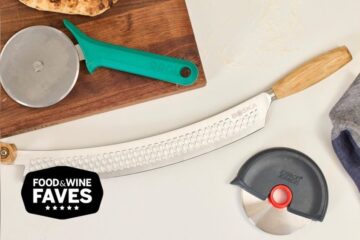
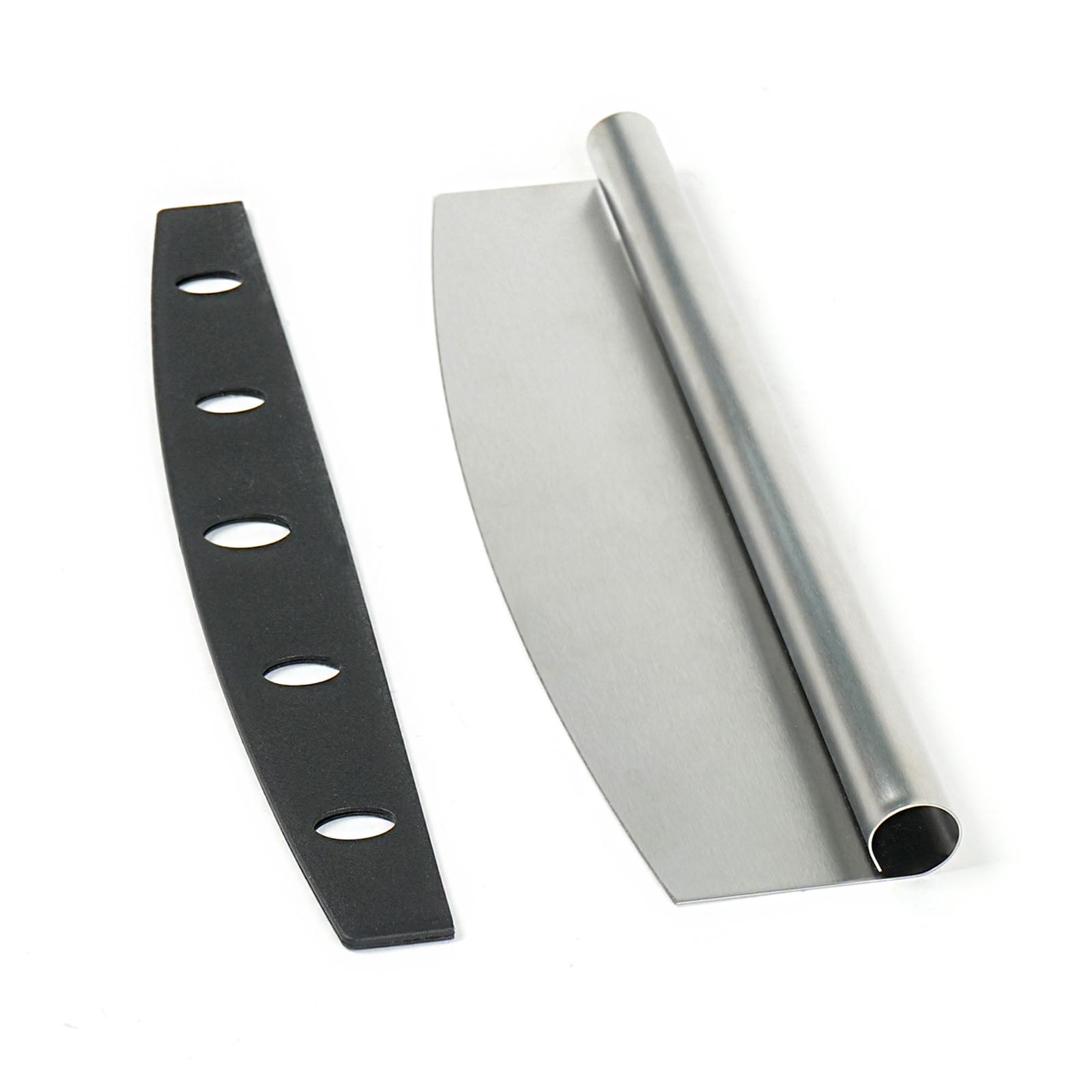
Rocking knives have a curved blade that moves back and forth to slice pizza. The rocking motion lets you cut with less pressure. This design keeps fingers away from the sharp edge. Rocking knives often feature a large handle for a secure grip. They are sturdy, safe, and perfect for thick or thin crusts.
Electric Pizza Cutters
Electric pizza cutters use a small motor to spin the blade automatically. This reduces manual effort and provides even cuts. Most models include safety guards to protect your hands. Electric cutters are fast and effective, ideal for busy kitchens. Their controlled blade speed helps maintain sharpness and minimizes accidents.

Credit: www.amazon.com
Frequently Asked Questions
Are You Supposed To Sharpen A Pizza Cutter?
Yes, you should sharpen a pizza cutter to maintain its cutting efficiency and safety. Use a fine sharpening stone or foil for quick touch-ups. Regular sharpening prevents dullness and ensures smooth, effortless slicing. Always handle the blade carefully while sharpening to avoid injury.
How Do I Make My Cutter Sharper?
Sharpen your cutter by filing the blade edge with a fine abrasive stone. Hold it steady and swipe evenly. Wear protective gloves for safety.
What Angle Do You Sharpen A Pizza Cutter?
Sharpen a pizza cutter blade at a 20 to 25-degree angle for optimal sharpness and safety. Use a whetstone or sharpening tool carefully.
What Is The Best Pizza Cutter On The Market?
The best pizza cutter features a sharp, durable stainless steel blade and ergonomic handle for safe, precise slicing. Brands like OXO and KitchenAid top the market.
Conclusion
Keeping your pizza cutter blade sharp ensures clean cuts and safer use. Dull blades need more force, increasing accident risks. Regular sharpening makes slicing easier and protects your fingers. Always handle blades carefully and store cutters properly. Using protective gloves during sharpening prevents injuries.
A sharp pizza cutter saves time and improves your pizza experience. Remember, safety and sharpness go hand in hand in the kitchen.

As the author of the “Ultimate Pizza Guide: Recipes, Tips & Secrets Revealed,” I’m dedicated to sharing my love for pizza and empowering others to create delicious homemade pizzas with ease. Join me on a journey to uncover the secrets to perfecting your pizza game!