When it comes to making the perfect pizza, you might focus on the dough, sauce, and toppings—but what about the tools you use? Your pizza accessories play a big role not just in the cooking process, but in keeping your food safe.
Have you ever wondered if your pizza peel, cutter, or oven gloves are made from materials that won’t harm your health or alter the flavor of your pizza? Understanding pizza accessories material safety is essential to protect yourself and your loved ones from harmful chemicals, burns, or contamination.
You’ll discover what materials are safe, what to avoid, and how to choose pizza tools that help you enjoy every slice without worry. Ready to make your pizza experience safer and more enjoyable? Let’s dive in!
Material Types In Pizza Accessories
Choosing the right material for pizza accessories is crucial for safety and durability. Different materials offer various benefits and challenges. Understanding these types helps in selecting safe and effective tools for making pizza. This section explains common materials, their heat resistance, and food safety certifications.
Common Materials Used
Pizza accessories often use wood, metal, silicone, and plastic. Wood is popular for pizza peels and boards. It is lightweight and natural but needs proper care. Metal, like stainless steel or aluminum, is strong and easy to clean. Silicone is flexible and heat-resistant, ideal for mats and molds. Plastic is less common but used for handles or cutters. Each material suits different pizza tasks.
Heat Resistance Levels
Heat resistance is key for pizza tools exposed to ovens. Wood can withstand moderate heat but may burn near flames. Metal handles high temperatures well without damage. Silicone resists heat up to 450°F or more, safe for oven use. Plastic parts must be heat-stable to avoid melting. Always check the maximum heat tolerance to ensure safety during cooking.
Food-grade Certifications
Food safety certifications confirm materials are safe for cooking. Look for FDA approval or LFGB certification. These ensure no harmful chemicals leach into food. Certified materials also resist staining and odors. Using certified pizza accessories protects health and maintains food quality. Always choose products with clear food-grade labels for peace of mind.
Credit: www.walmart.com
Health Risks Of Unsafe Materials
Using unsafe materials for pizza accessories can cause serious health problems. Some materials release harmful chemicals or fumes. Others may catch fire during cooking. Understanding these risks helps keep your kitchen safe and your food healthy.
Chemical Leaching Concerns
Some pizza accessories contain plastics or coatings. Heat can cause chemicals to leach into food. These chemicals can harm your health. Always choose accessories made from food-safe, heat-resistant materials. This prevents dangerous substances from mixing with your pizza.
Toxic Fumes From Inks And Glues
Many pizza boxes and accessories use inks and glues. When heated, these can release toxic fumes. Breathing these fumes is harmful to your lungs. Avoid using cardboard or paper products not labeled as oven-safe. This keeps harmful chemicals out of your kitchen air.
Fire Hazards In Cooking
Some materials ignite easily at high temperatures. Cardboard and certain plastics can catch fire in ovens. Fires cause burns and smoke damage. Use only heat-resistant tools designed for cooking pizza. This lowers the risk of fire and keeps cooking safe.
Safe Cooking Surfaces
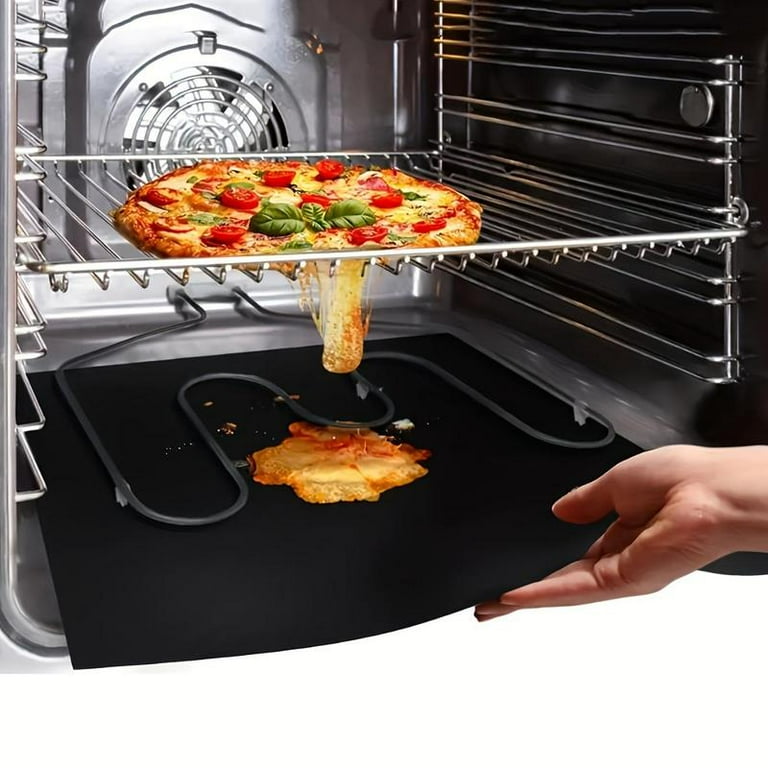
Choosing the right cooking surface is key for safe and tasty pizza making. Unsafe materials can harm your health or damage your oven. Use surfaces that handle high heat without breaking or releasing harmful substances. Cookware designed for pizza ensures even heat and protects your food.
Using Pizza Stones And Steels
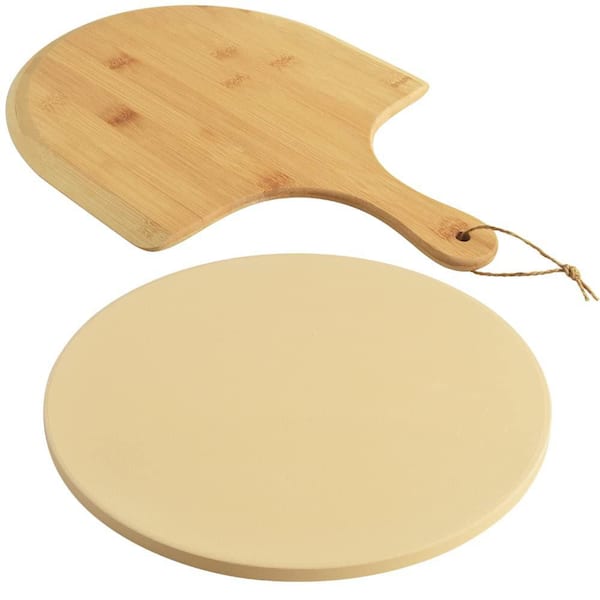
Pizza stones and steels absorb and hold heat well. They create a crispy crust by mimicking a traditional pizza oven floor. Made from natural ceramic or steel, these tools are durable and safe. Make sure to buy stones or steels labeled food-safe and oven-safe. Avoid materials that crack or break easily under heat.
Oven-safe Pans And Baking Sheets
Use pans and baking sheets that clearly say “oven-safe.” Materials like stainless steel, cast iron, and heavy-duty aluminum work best. These pans tolerate high temperatures and distribute heat evenly. Avoid lightweight or coated pans that may warp or release chemicals. Proper pans help cook pizza evenly and safely.
Avoiding Cardboard And Non-certified Materials
Never cook pizza directly on cardboard or uncertified surfaces. Cardboard can catch fire quickly in a hot oven. It also contains inks and glues that release harmful fumes. Use only cookware made for oven use to protect your health and home. Certified materials keep your cooking safe and clean.

Credit: www.amazon.com
Protective Accessories For Pizza
Protective accessories for pizza help keep your food safe from burning and make cooking easier. These tools protect the edges and your hands from heat. They improve the baking process and keep your pizza looking great. Using the right materials ensures safety and durability during cooking.
Flame Guards And Edge Protectors
Flame guards stop the pizza edges from burning in high heat ovens. They act as a shield between flames and the crust. Most are made from heat-resistant metals or ceramic materials. These guards are easy to use and clean. They help maintain the perfect crust texture without charring.
Heat-resistant Gloves
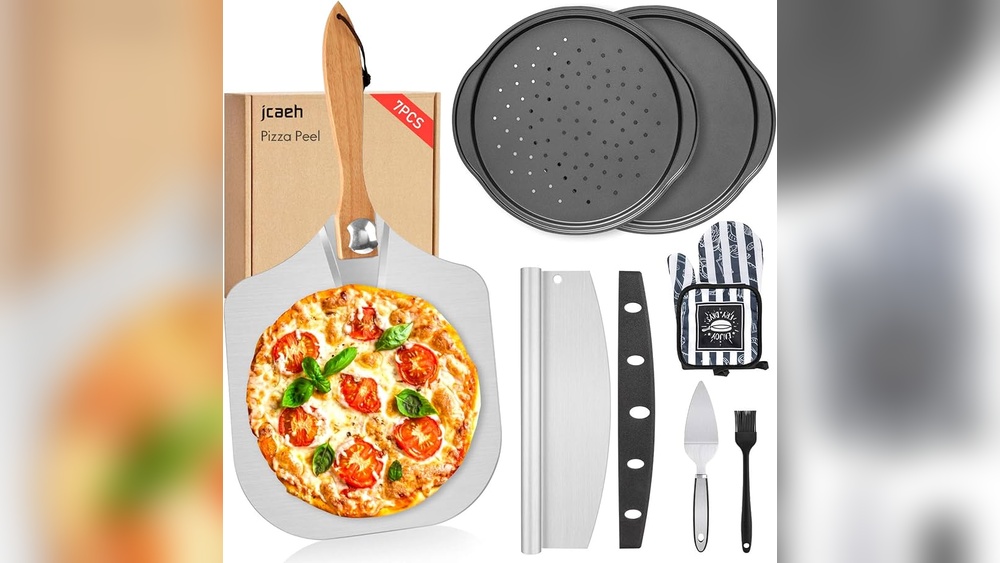
Heat-resistant gloves protect your hands from burns when handling hot pizza trays. They are made from materials like silicone or aramid fibers. These gloves offer a good grip and flexibility. Using gloves prevents accidents and makes pizza handling safer. Always choose gloves that fit well for better control.
Adjustable Silicone Crust Protectors
Adjustable silicone crust protectors wrap around the pizza edges to prevent overcooking. Silicone is heat-resistant and safe for food contact. These protectors stretch to fit different pizza sizes easily. They keep the crust soft and stop it from drying out. Cleaning silicone protectors is quick and simple, making them a practical tool.
Choosing Accessories For Health
Choosing pizza accessories with health in mind helps keep your food safe and tasty. Many materials come into contact with your pizza during cooking and serving. Selecting the right ones reduces risks of harmful chemicals mixing with your food. Knowing what to check on labels, avoiding dangerous coatings, and buying from trusted brands supports healthy pizza making.
Reading Product Labels And Certifications
Look for clear labels on pizza accessories. Certifications like FDA approval or food-safe marks show the product meets safety rules. Labels often list materials used and warnings. Choose items with non-toxic, food-grade materials. Avoid products with vague or missing information. Certified products offer peace of mind for your health.
Avoiding Harmful Coatings And Additives
Some pizza tools have coatings to prevent sticking or burning. Avoid those with chemicals like PFOA, PTFE, or BPA. These substances can release toxins when heated. Opt for plain stainless steel, silicone, or ceramic accessories. These materials stay safe at high temperatures. Harmful additives can affect your health over time.
Buying From Trusted Brands
Choose pizza accessories from brands known for quality. Trusted makers follow strict safety standards. They provide detailed product information and customer support. Buying from reliable sources reduces risk of unsafe materials. Check reviews and ratings before purchase. Brands with good reputations care about customer health and safety.
Credit: www.homedepot.com
Maintaining And Cleaning Accessories
Maintaining and cleaning pizza accessories ensures they stay safe and last longer. Clean tools prevent food contamination and keep your pizza tasting fresh. Proper care helps avoid damage to the materials, preserving their quality and safety.
Proper Cleaning Methods
Use warm, soapy water to clean most pizza accessories. Avoid harsh chemicals that can harm materials or leave residues. For metal tools, dry them immediately to prevent rust. Silicone and plastic items often clean well in the dishwasher. Always check manufacturer instructions for best results.
Avoiding Material Degradation
Do not expose accessories to extreme heat or cold repeatedly. Avoid abrasive scrubbers that scratch surfaces or weaken materials. Store items in dry places to stop mold or mildew growth. Gentle cleaning and careful use extend the life of your accessories.
Replacing Old Or Damaged Items
Inspect accessories regularly for cracks, rust, or wear. Replace items that show damage to avoid health risks. Old tools may harbor bacteria or break during use. Investing in new accessories keeps your pizza preparation safe and efficient.
Specialized Ovenable Packaging
Specialized ovenable packaging is designed to safely handle high temperatures. It allows you to cook or reheat pizza without transferring it to another dish. This packaging reduces mess and saves time. It also helps keep the pizza fresh and hot.
Using the right materials ensures safety and quality in pizza preparation. Standard cardboard boxes are not safe for ovens. Specialized ovenable packaging uses heat-resistant materials that do not catch fire or release harmful chemicals.
Oven-safe Pizza Boxes Explained
Oven-safe pizza boxes are made from special paperboard or coated materials. These materials can withstand oven temperatures without burning. They are free from toxic inks, glues, and waxes that regular boxes contain. This makes them safe for direct oven use. These boxes often have ventilation holes to prevent sogginess. They keep the crust crispy and the toppings fresh.
Checking Manufacturer Instructions
Always read the manufacturer’s instructions before using any ovenable packaging. Different brands have different temperature limits. Some may only be safe up to 400°F, while others can handle higher heat. The instructions will tell you if the packaging is reusable or disposable. Follow guidelines on cooking time and temperature strictly. Ignoring instructions can cause fires or damage to your oven.
When To Use Specialized Packaging
Use specialized ovenable packaging when you want easy cooking and cleanup. It works well for takeout and delivery pizzas that need reheating. Home cooks can also use it to bake or reheat pizzas directly. Avoid using regular cardboard or plastic containers in the oven. Specialized packaging is best for ovens, toaster ovens, and pizza ovens. It helps maintain food safety and quality during cooking.
Tips For Safe Homemade Pizza Cooking
Cooking homemade pizza can be fun and rewarding. Safe cooking practices ensure your pizza is delicious and healthy. Using the right materials and handling food properly lowers risks of illness. Follow these tips to keep your kitchen safe and your pizza perfect.
Safe Surface Preparation
Clean all surfaces before starting. Use separate cutting boards for raw dough, vegetables, and meats. Wipe down counters with a food-safe cleaner. Avoid using damaged or cracked boards that can harbor bacteria. Sanitize utensils and pizza accessories after each use.
Temperature Guidelines
Preheat the oven to the recommended temperature, usually between 450°F and 500°F. Cook pizza thoroughly until the crust is golden and cheese bubbles. Use a food thermometer to check toppings like meat reach 165°F. Avoid undercooked pizza to prevent foodborne illness.
Avoiding Cross-contamination
Keep raw ingredients separate from cooked foods. Wash hands before and after handling raw dough or toppings. Use clean utensils for spreading sauce and adding toppings. Store leftovers in sealed containers and refrigerate promptly to prevent bacterial growth.
Frequently Asked Questions
Is It Safe To Cook Pizza On Cardboard?
Cooking pizza directly on cardboard is unsafe. Cardboard can ignite and release toxic fumes from inks and glues. Use an oven-safe pan, baking sheet, or pizza stone instead to ensure safety and avoid contamination. Never place a standard pizza box inside the oven.
Which Material Is Used In Pizza?
Pizza dough is made from flour, water, yeast, salt, and sometimes olive oil. Toppings include tomato sauce, cheese, and various meats or vegetables.
What Is The Name Of The Plastic Thing In Pizza Boxes?
The plastic item in pizza boxes is called a pizza saver or pizza table. It prevents the box lid from touching the pizza.
Is Cardboard Safe At 170 Degrees?
Cardboard is unsafe at 170 degrees Fahrenheit. It can ignite and release toxic fumes from inks and glues. Always use oven-safe materials instead.
Conclusion
Choosing safe materials for pizza accessories protects your health and food quality. Avoid items that release toxins or catch fire easily. Opt for heat-resistant, non-toxic, and durable tools. This keeps your pizza tasty and your kitchen safe. Always check product labels for safety standards.
Safe pizza accessories make cooking enjoyable and worry-free. Prioritize material safety to enjoy every slice with peace of mind.

As the author of the “Ultimate Pizza Guide: Recipes, Tips & Secrets Revealed,” I’m dedicated to sharing my love for pizza and empowering others to create delicious homemade pizzas with ease. Join me on a journey to uncover the secrets to perfecting your pizza game!