When it comes to enjoying your favorite pizza, having the right cutter makes all the difference. But do you know which pizza cutter suits your needs best?
Whether you prefer a classic rolling wheel, a powerful rocker blade, or handy pizza scissors, choosing the right type can make slicing easier and safer. Plus, using your cutter correctly keeps your fingers out of harm’s way. You’ll discover the main types of pizza cutters and learn simple safety tips to protect yourself every time you slice.
Keep reading to find the perfect cutter for your kitchen and enjoy pizza night without any worries!
Types Of Pizza Cutters
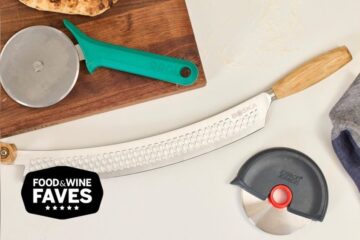
Pizza cutters come in various shapes and designs. Each type offers a unique way to slice your pizza easily and safely. Understanding these types helps you pick the best cutter for your kitchen needs.
Rolling Wheel Cutters
Rolling wheel cutters have a circular blade that rolls across the pizza. They slice quickly with a simple push. The handle keeps your hands away from the blade. These cutters are easy to control and clean.
Rocker Blades
Rocker blades look like a curved knife with a long handle. You press down and rock it back and forth to cut. This type offers strong control and even slices. It is ideal for thick or deep-dish pizzas.
Pizza Scissors
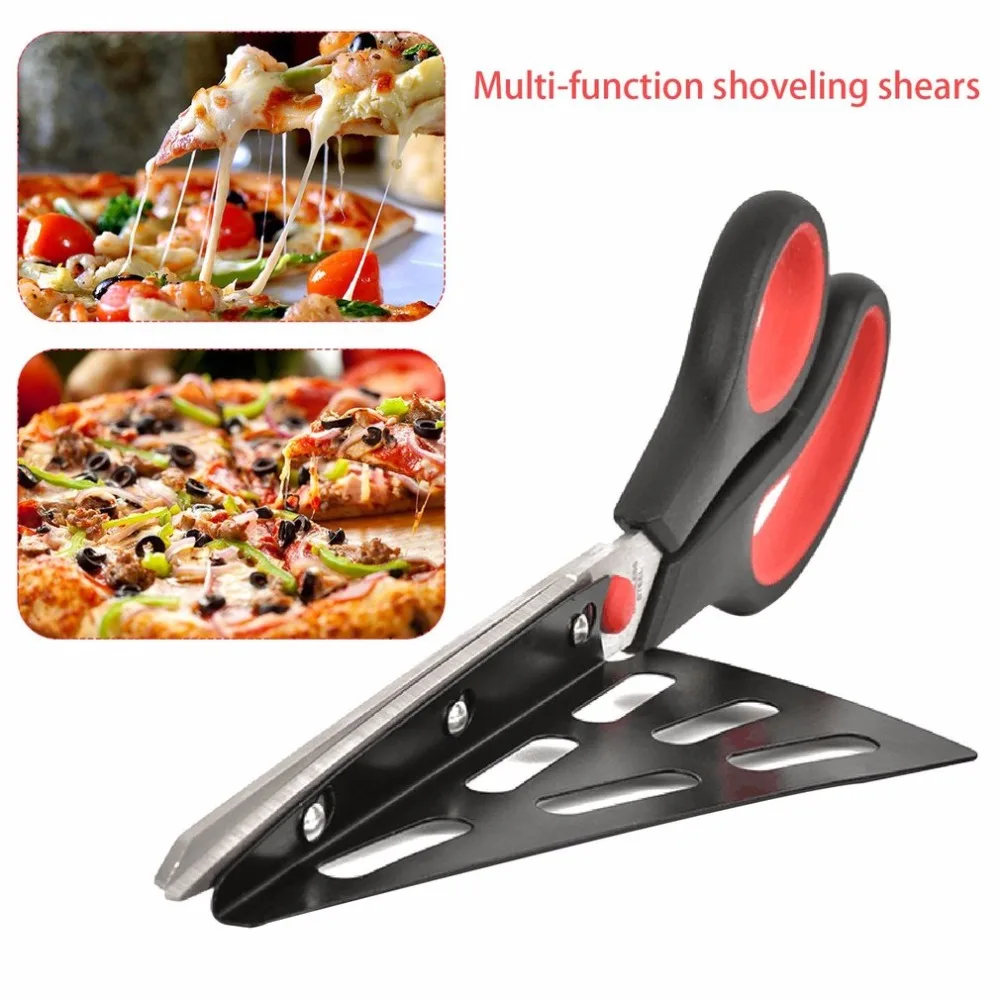
Pizza scissors combine scissors and a spatula. They cut and lift slices in one motion. This style is useful for thin crust pizzas. It also reduces mess and keeps toppings intact.
Specialty Cutters
Specialty cutters include unique designs like star shapes or multi-blade wheels. They add fun to pizza slicing and can cut multiple slices at once. These are perfect for parties or creative presentations.
:max_bytes(150000):strip_icc()/faw-pizza-cutter-primary-nsimpson-923ec72c77dc48c596fc838a2cccab82.jpg "Pizza Cutter Types And Safety: Ultimate Guide to Choose & Use 2")
Credit: www.foodandwine.com
Materials And Designs
Choosing the right pizza cutter involves understanding the materials and designs available. These aspects affect cutting efficiency, comfort, and safety. Different blade materials and handle styles suit various preferences. Ergonomic features make pizza cutters easier to use and reduce the risk of injury. Below, explore the main types of materials and designs found in pizza cutters.
Blade Materials
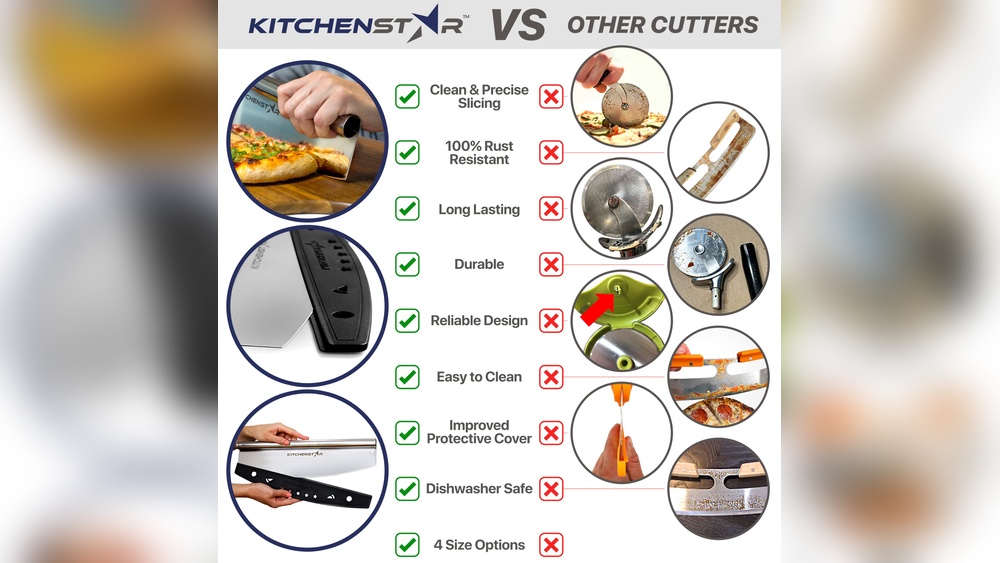
Stainless steel blades are common for pizza cutters. They resist rust and stay sharp longer. Carbon steel blades offer sharper edges but need more care. Some pizza cutters use ceramic blades. These stay sharp and do not rust but can chip easily. Choose a blade that balances sharpness with durability for safe, clean cuts.
Handle Styles
Handles come in many styles, such as straight, curved, or rocker designs. Straight handles are simple and easy to control. Curved handles help apply pressure evenly. Rocker handles allow cutting with a rocking motion, reducing wrist strain. Materials vary from plastic to wood and metal. A secure grip is important to prevent slipping during use.
Ergonomic Features
Ergonomic pizza cutters reduce hand fatigue and improve safety. Soft, non-slip grips help maintain control. Larger handles fit comfortably in the hand. Some cutters have finger guards to protect from accidental cuts. Balanced weight distribution makes cutting effortless. Ergonomic designs suit frequent users and make pizza cutting safer and easier.
Choosing The Right Cutter
Choosing the right pizza cutter is key for a smooth cutting experience. It affects how easily you slice through different pizzas. The right cutter also keeps you safe and avoids mess. Consider your pizza type, cutting efficiency, and surface compatibility to make the best choice.
Based On Pizza Style
Thin crust pizzas need a sharp, light cutter. A pizza wheel works well for quick, clean cuts. Thick or deep-dish pizzas require a strong rocker blade. It applies even pressure and cuts through dense toppings easily. For stuffed crusts, scissors-style cutters help cut without squashing the crust.
Considering Cutting Efficiency
Cutters with a sharp blade reduce effort and prevent tearing. A large, smooth wheel rolls easily and cuts faster. Rocker cutters cover more surface with each stroke, saving time. Choose one with a comfortable handle to avoid slipping. A well-balanced cutter improves control and safety.
Suitability For Different Surfaces
Wooden boards need a cutter that won’t damage the surface. Plastic or silicone mats pair well with smooth wheels. Avoid rocker blades on soft surfaces as they may leave marks. For stone or metal trays, sturdy cutters with sharp blades work best. Match your cutter to your pizza surface for best results.
Credit: antoniosbanquet.com
Safety Tips
Using a pizza cutter can be quick and easy. Safety is key to avoid accidents. Follow these simple tips for safe use and storage. Keep your hands and fingers safe while enjoying your pizza.
Proper Handling Techniques
Hold the pizza cutter firmly by the handle. Keep your fingers away from the blade. Use even pressure to cut through the pizza. Cut on a flat, stable surface to prevent slipping. Avoid rushing to keep control of the cutter.
Safe Storage Ideas
Store pizza cutters in a drawer with a blade cover. Keep them separate from other utensils to avoid damage. Use a magnetic strip or a kitchen rack for easy access. Make sure the blade is clean and dry before storing. Proper storage keeps blades sharp and reduces injury risk.
Child Safety Considerations
Keep pizza cutters out of children’s reach. Explain to children that the blade is sharp and dangerous. Use child-safe locks on drawers if needed. Supervise older kids if they help with cutting. Teach safe handling habits early to prevent accidents.
Maintenance And Cleaning
Proper maintenance and cleaning keep your pizza cutter working well and safe. A clean cutter cuts smoothly without slipping. Regular care extends the blade’s life and prevents accidents. Follow simple steps to keep your cutter sharp and rust-free.
Cleaning Methods
Wash your pizza cutter after every use. Use warm, soapy water and a soft sponge. Avoid abrasive scrubbers that can scratch the blade. Rinse well to remove all soap. Dry the cutter completely with a towel. Never leave it wet to stop rust.
Blade Sharpening
Dull blades can slip and cause injury. Sharpen the blade regularly to keep it sharp. Use a whetstone or a professional sharpener. Hold the blade at the correct angle. Sharpen both sides evenly for best results. Test the blade carefully after sharpening.
Preventing Rust And Damage
Rust weakens the blade and makes cutting hard. Store your cutter in a dry place. Apply a light coat of cooking oil to the blade to prevent rust. Avoid cutting on hard surfaces like stone or glass. Use a wooden or plastic board to protect the blade. Check the cutter often for signs of damage.
Popular Brands And Models
Choosing the right pizza cutter matters for both convenience and safety. Popular brands offer a range of options to fit different budgets and preferences. Some models focus on affordability, while others highlight durability and design. User favorites combine practical features with reliable performance. Let’s explore some well-known brands and models that stand out in the market.
Budget-friendly Options
Affordable pizza cutters provide good value without sacrificing quality. Brands like GoodCook and Farberware offer durable wheels at low prices. The Room Essentials cutter from Target is a simple tool that works well. Walmart’s Good Cook Gourmet Pizza Cutter balances cost and function nicely. These cutters suit casual pizza eaters or those on a tight budget.
Premium Choices
Higher-end pizza cutters often have stainless steel blades and ergonomic handles. The OXO Steel Pizza Wheel is known for its sharp blade and comfort. Sur La Table’s Palm Pizza Cutter offers a sleek design with excellent control. Williams-Sonoma presents pizza scissors that cut precisely and cleanly. These models often last longer and cut through thick crusts easily.
User Favorites
Popular picks combine ease of use with consistent performance. The KitchenAid Pizza Wheel is widely loved for its sturdy build. Ooni’s Rocker Blade cutter is favored by those who want quick, smooth cuts. The Farberware Professional model appeals to home cooks seeking a reliable tool. These cutters often receive high ratings for safety and comfort.

Credit: www.amazon.com
Frequently Asked Questions
What Are The Different Types Of Pizza Cutters?
The main types of pizza cutters include rolling wheels, rockers, and pizza scissors. Rolling wheels cut slices efficiently. Rockers use a large blade for quick, whole-pizza cuts. Pizza scissors work well with non-stick pans and delicate toppings. Some cutters offer ergonomic or compact designs for ease.
What’s The Best Pizza Cutter For Home Use?
The best pizza cutter for home use combines sharpness, comfort, and durability. Rolling wheels suit most needs; rockers cut whole pizzas quickly. Choose stainless steel blades with ergonomic handles for easy slicing and cleaning. Affordable brands like OXO and KitchenAid offer reliable, user-friendly options.
What Are The Different Types Of Pizza Cuts?
The main pizza cutter types include rolling wheels for quick slicing, rockers with large blades for whole cuts, and pizza scissors for delicate toppings. Specialized cutters like rotary blades handle crafts or dough, while ergonomic and compact designs enhance comfort and control during cutting.
What To Look For In A Pizza Cutter?
Choose a pizza cutter with a sharp, durable blade and a comfortable, non-slip handle. Consider wheel, rocker, or scissors types. Ensure easy cleaning and safe storage. Select a size that fits your pizza and kitchen needs for efficient slicing.
Conclusion
Choosing the right pizza cutter makes slicing easier and safer. Different types fit different needs and preferences. Always handle blades carefully to avoid accidents. Clean your cutter well after each use to keep it safe. A good cutter lasts longer and works better.
Enjoy your pizza with the right tools and safe habits.

As the author of the “Ultimate Pizza Guide: Recipes, Tips & Secrets Revealed,” I’m dedicated to sharing my love for pizza and empowering others to create delicious homemade pizzas with ease. Join me on a journey to uncover the secrets to perfecting your pizza game!