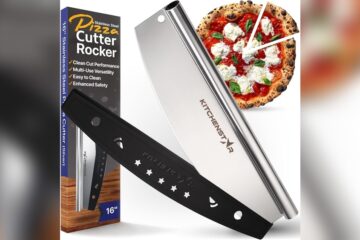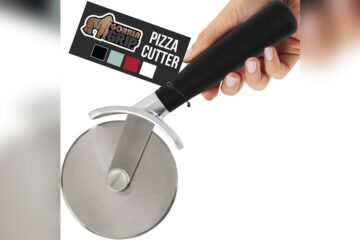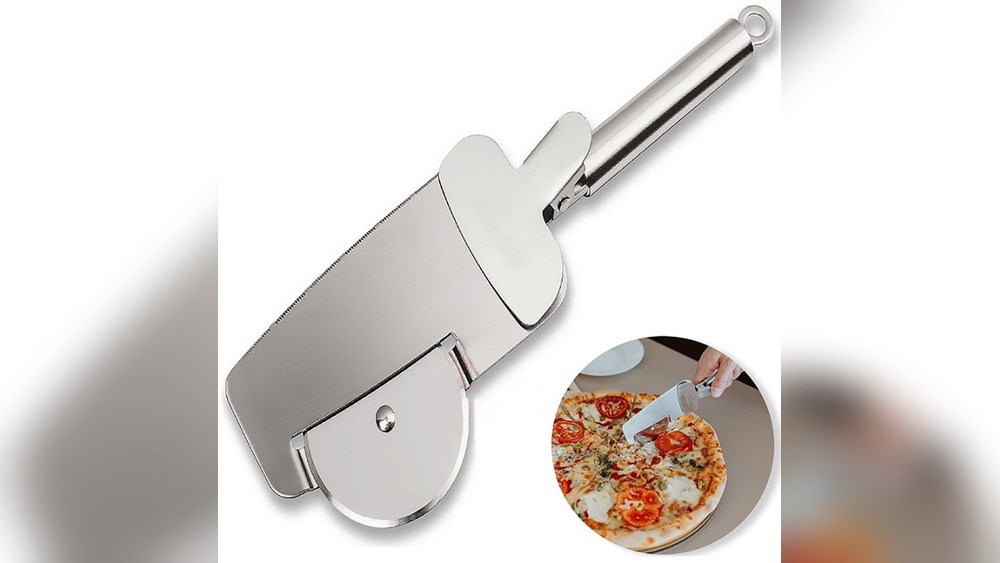
When you’re serving pizza, the last thing you want to worry about is hygiene—especially when it comes to your pizza serving spatula. But did you know that even a small slip in cleanliness can affect the taste, safety, and overall experience of your pizza?
Your spatula is more than just a tool; it’s the bridge between your delicious creation and the hungry people enjoying it. Keeping it spotless isn’t just smart—it’s essential. You’ll discover simple, effective ways to maintain perfect pizza serving spatula hygiene so every slice stays fresh, safe, and mouthwatering.
Ready to serve your pizza with confidence? Let’s dive in.

Credit: www.amazon.com
Pizza Spatula Types
Choosing the right pizza spatula affects hygiene and ease of use. Different materials have unique benefits and care needs. Understanding these types helps keep your kitchen clean and your pizza perfect. Here are common pizza spatula types to consider.
Wooden Vs Metal Peels
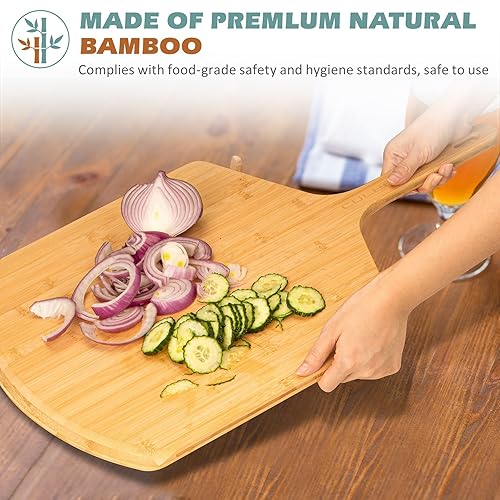
Wooden peels are traditional and gentle on pizza crusts. They absorb moisture less, reducing stickiness. Wood can harbor bacteria if not cleaned well. Regular oiling and drying keep wood safe and durable.
Metal peels are thin and slide easily under pizza. They handle heat better and clean more easily. Metal does not absorb moisture, so it resists bacteria growth. Use metal peels carefully to avoid scratching surfaces.
Silicone And Polymer Options
Silicone spatulas resist heat and are flexible. They do not absorb odors or stains. Silicone cleans easily with soap and water, making it hygienic. Polymers offer similar benefits but vary in quality.
Both silicone and polymers do not chip or splinter. They stay safe for food contact over time. Choose spatulas that are BPA-free to ensure safety. Proper cleaning after each use prevents contamination.
Common Hygiene Risks
Maintaining proper hygiene with a pizza serving spatula is crucial. Common hygiene risks can lead to foodborne illnesses. Understanding these risks helps prevent contamination and keeps food safe. Two major concerns include cross-contamination and bacteria transfer. Both can happen easily without careful handling and cleaning of spatulas.
Cross-contamination Dangers
Cross-contamination occurs when harmful germs move from one food item to another. Using the same spatula for raw and cooked pizza increases this risk. Germs from raw ingredients can spread to ready-to-eat pizza. This can cause serious health problems. Always use separate spatulas or clean them thoroughly between uses.
Bacteria Transfer From Raw To Cooked
Bacteria from raw dough, toppings, or meat can cling to the spatula surface. If the spatula touches cooked pizza afterward, bacteria transfer happens. Heat from cooking may not kill all bacteria if the spatula contaminates the food after cooking. This leads to food poisoning risks. Regular washing and sanitizing of spatulas reduce bacteria build-up.
Cleaning Techniques
Keeping your pizza serving spatula clean is key for safe and tasty pizza. Proper cleaning removes food bits and stops germs from growing. Use simple, effective methods to keep your spatula fresh and ready for the next slice.
Soap And Water Basics
Start with warm water and mild soap. Scrub the spatula gently with a sponge or cloth. Make sure to clean all sides and edges. Rinse well to remove soap residue. Dry the spatula with a clean towel or air dry it. Clean after every use to avoid bacteria buildup.
Using Baking Soda And Lemon
Baking soda removes stains and odors naturally. Sprinkle some on the spatula surface. Cut a lemon and rub it over the baking soda. The lemon’s acidity helps break down grime. Let it sit for a few minutes. Rinse with warm water and dry well. This method keeps the spatula bright and fresh.
Disinfecting With Vinegar And Hydrogen Peroxide
Vinegar and hydrogen peroxide kill germs effectively. Mix equal parts of white vinegar and water in a bowl. Soak the spatula for 10-15 minutes. For extra disinfection, apply hydrogen peroxide after vinegar. Let it bubble for a few minutes. Rinse the spatula thoroughly with water. Dry completely before storing. This process ensures your spatula is safe to use.

Credit: www.amazon.com
Safe Usage Practices
Maintaining hygiene with your pizza serving spatula is essential for food safety. Safe usage practices prevent cross-contamination and protect health. Follow clear steps to keep your spatula clean and safe during pizza preparation and serving.
Switching Between Raw And Cooked Food
Never use the same spatula for raw and cooked food without cleaning. Raw ingredients carry bacteria that can cause illness if transferred. Use one spatula for raw dough or toppings and another for cooked pizza slices. Wash spatulas thoroughly with hot, soapy water before switching tasks. This simple habit reduces the risk of contamination and keeps food safe.
Heat Sterilization During Cooking
Heat can kill most bacteria on your spatula during cooking. When you place the spatula in the oven or near hot pizza, high temperatures sterilize it. Avoid using plastic spatulas in direct heat as they can melt or release chemicals. Metal or heat-resistant spatulas work best for heat sterilization. Always clean the spatula after use to remove any food residue and maintain hygiene.
Material Safety
Choosing the right material for your pizza serving spatula is key to maintaining hygiene. Safe materials reduce health risks and keep your food pure. Understanding material safety helps prevent harmful contamination during pizza serving.
Non-toxic Steel Spatulas
Steel spatulas offer strength and safety. They do not release harmful substances into food. Non-toxic steel is resistant to rust and stains. This quality keeps your spatula clean and safe for repeated use. Steel handles heat well and does not warp or melt.
Many steel spatulas use food-grade stainless steel. This type meets health standards and avoids chemical reactions. A steel spatula lasts long and resists bacteria buildup. It is simple to clean with soap and water.
Avoiding Chemical Leaching
Certain materials can release chemicals when heated or scratched. Plastic spatulas may leach harmful substances like BPA or phthalates. These chemicals can contaminate your pizza and cause health issues.
Choosing spatulas made from non-toxic, heat-resistant materials is safer. Avoid spatulas with coatings that can chip or wear off easily. Regularly inspect your spatula for damage that may increase chemical leaching risk.
Proper cleaning removes food residue that can trap bacteria or chemicals. Use mild dish soap and avoid harsh scrubbers that damage the spatula surface. Safe materials combined with good hygiene keep your pizza fresh and healthy.
Maintaining Spatula Longevity
Maintaining the longevity of your pizza serving spatula saves money and ensures hygiene. Proper care keeps the spatula strong and clean for many uses. Small daily habits prevent damage and keep it looking new. Follow simple steps to protect your spatula from stains, odors, and wear.
Avoiding Stains And Odors
Clean the spatula immediately after each use. Use mild dish soap and warm water. Avoid harsh chemicals that may damage the surface. For stubborn stains, apply baking soda and lemon juice. Let it sit for a few minutes, then scrub gently. Rinse thoroughly to remove any residue. Dry the spatula completely to stop odors and mold growth. This prevents food smells from sticking to the spatula.
Proper Storage Tips
Store your spatula in a dry, well-ventilated place. Keep it away from direct sunlight and heat. Use a utensil holder or hang it by a hook. Avoid stacking heavy items on top of the spatula. This prevents warping and bending. Separate the spatula from raw food tools to avoid cross-contamination. Regularly check the spatula for cracks or damage. Replace it if signs of wear appear to maintain food safety.
Choosing Easy-to-clean Tools
Choosing easy-to-clean tools is essential for maintaining pizza serving spatula hygiene. Clean tools reduce the risk of bacteria buildup and cross-contamination. This keeps your pizza safe and tasty. Picking spatulas designed for quick cleaning saves time and effort. It also helps keep your kitchen sanitary and efficient.
Seamless Designs
Seamless spatulas have no cracks or joints where food can get stuck. This design prevents bacteria from hiding in small spaces. It also makes washing faster and easier. A smooth surface lets water and soap reach every part. Seamless tools dry quickly, reducing the chance of germs growing.
Durable Food-safe Finishes
Spatulas with durable, food-safe finishes resist stains and odors. These finishes protect the tool from damage during cleaning. They also stop harmful chemicals from leaching into food. Materials like stainless steel and high-quality silicone work well. These finishes last longer and keep tools looking new.
Credit: oman.whizzcart.com
Frequently Asked Questions
Do Silicone Spatulas Leach Chemicals Into Food?
High-quality silicone spatulas do not leach harmful chemicals into food during normal cooking. They remain safe even at high temperatures.
What Are The Safety Precautions For Spatulas?
Avoid cross-contamination by using separate spatulas for raw and cooked foods. Clean spatulas immediately with soap and hot water. Sanitize regularly to remove bacteria. Use heat-resistant spatulas to prevent melting. Inspect spatulas for damage and replace if worn or cracked.
What Is The Pizza Spoon Thing?
A pizza spoon thing, called a pizza peel, is a large spatula used to slide pizzas in and out of ovens safely. It comes in wooden or metal types and helps handle hot pizzas without burns. This tool ensures easy pizza transfer and baking precision.
How To Sanitize Spatula?
Rinse spatula with warm water and mild soap after use. Scrub thoroughly to remove residue. Soak in vinegar or hydrogen peroxide for 10-30 minutes. Rinse again and air dry. This kills bacteria and ensures safe, hygienic use.
Conclusion
Maintaining clean pizza serving spatulas protects your health and food quality. Wash spatulas right after use with warm, soapy water. Avoid using the same spatula for raw and cooked foods. Regular cleaning stops bacteria buildup and keeps your kitchen safe.
Simple habits ensure tasty pizza without risk. Keep your tools clean, and enjoy every slice confidently. Good hygiene practices make a big difference in food safety. Clean spatulas help maintain a hygienic and pleasant cooking space.

As the author of the “Ultimate Pizza Guide: Recipes, Tips & Secrets Revealed,” I’m dedicated to sharing my love for pizza and empowering others to create delicious homemade pizzas with ease. Join me on a journey to uncover the secrets to perfecting your pizza game!