If you love making homemade pizza, mastering the pizza peel is a game-changer you don’t want to miss. Imagine sliding your perfectly topped pizza onto a blazing hot oven stone without a single flop or mess.
Sounds tricky? It doesn’t have to be. In this Pizza Peel Usage Guide, you’ll discover simple, practical tips that make transferring your pizza easy and stress-free. Whether you’re a beginner or just want to sharpen your skills, this guide will help you handle your pizza peel like a pro—so every pizza you bake comes out crisp, delicious, and picture-perfect.
Ready to take your pizza game to the next level? Keep reading!
Choosing The Right Peel
Choosing the right pizza peel can make your pizza baking easier and more enjoyable. The peel you pick affects how well you slide your pizza in and out of the oven. This guide helps you understand the main factors to consider before buying a peel. It covers material, size, shape, and handle types. Each choice suits different needs and ovens.
Wood Vs Metal Peels
Wood peels have a rough surface that helps hold the dough. They prevent sticking when you slide the pizza into the oven. Wood is gentle on dough but harder to clean. Metal peels are thin and smooth. They let pizzas slide easily in and out of the oven. Metal peels work well for removing cooked pizzas. They are easy to clean but can make dough stick if not dusted well.
Size And Shape Considerations
Choose a peel size based on your oven and pizza size. Larger peels hold big pizzas but can be heavy. Smaller peels are easier to handle but fit only small pizzas. Rectangular peels offer more space for toppings and easier sliding. Round peels match the shape of most pizzas. Pick a shape that feels comfortable for your baking style.
Handle Types And Lengths
Handle length affects safety and control. Long handles keep hands far from heat but can be harder to manage. Short handles offer better control but bring hands closer to the oven. Handles come in wood, metal, or plastic. Wood handles stay cool and feel natural. Metal handles are sturdy but can heat up. Choose a handle that fits your oven size and comfort level.
Preparing Your Peel
Preparing your pizza peel properly is key for a smooth pizza transfer. A well-prepped peel helps avoid sticking and ensures your pizza slides easily into the oven. Taking a few simple steps before you start can make all the difference.
Clean and dry your peel thoroughly. Dust it lightly with the right ingredient. Learn how to keep your dough from sticking. These tips will save you time and frustration in the kitchen.
Cleaning And Drying
Start with a clean peel. Use warm water and mild soap to wash it. Avoid soaking the peel for too long. Dry it completely with a towel before use. A dry peel prevents dough from sticking and warping the wood.
Flour, Semolina, Or Cornmeal?
Dust your peel with flour or semolina before placing dough. Flour is smooth and easy to spread. Semolina acts like tiny ball bearings, helping the dough slide off. Cornmeal can burn and stick, so it is less ideal.
Avoiding Dough Sticking
Use just enough dusting to cover the peel surface. Too much flour or semolina can burn in the oven. Build your pizza quickly to keep dough from absorbing moisture. Shake the peel gently before loading the pizza to check for stickiness.
Transferring Dough To The Peel
Transferring dough to the pizza peel is a key step in pizza making. It sets the stage for a smooth slide into the oven. Handling the dough with care prevents tearing and sticking. Proper preparation of the peel ensures the dough moves freely. Follow simple techniques to make this process easier and more efficient.
Stretching Dough Off The Peel
Avoid stretching the dough directly on the peel. Stretch the dough on a clean surface instead. This helps keep the dough even and prevents it from sticking. Once stretched, gently lift and place it onto the peel. This method keeps the dough intact and ready for toppings.
Dusting The Peel Properly
Use flour or semolina to dust the peel lightly. This creates a barrier between the dough and peel. Cornmeal can burn and cause sticking, so avoid it. Spread the dusting evenly across the entire peel surface. This step allows the dough to slide easily when transferring to the oven.
Lifting And Placing Dough
Slide your fingers under the dough’s edges carefully. Lift the dough like a soft cradle to support it fully. Place the dough gently onto the dusted peel. Check that it moves freely by giving the peel a slight shake. If it sticks, add a bit more flour or semolina underneath.

Credit: www.amazon.com
Adding Toppings On The Peel
Adding toppings on the pizza peel is a critical step before baking. It sets the stage for a perfect pizza. Proper topping placement helps the pizza slide easily into the oven. It also ensures even cooking and great flavor. Follow simple tips for a smooth topping process and a delicious result.
Layering Sauce And Cheese
Start by spreading a thin, even layer of sauce on the dough. Too much sauce makes the pizza soggy. Next, sprinkle cheese evenly over the sauce. Keep the cheese layer balanced to melt nicely. Avoid piling cheese in one spot to prevent uneven cooking.
Avoid Overloading
Use toppings sparingly to keep the pizza light. Overloading makes the dough heavy and hard to slide. It also slows down baking and may cause soggy spots. Choose a few toppings and spread them out evenly for the best results.
Keeping Dough Movable
Before adding toppings, dust the peel with flour or semolina. This prevents the dough from sticking. Gently shake the peel to check if the dough moves freely. If it sticks, lift and add more flour or semolina. A movable dough ensures easy transfer to the oven.
Launching Pizza Into The Oven
Launching pizza into the oven is a key step for perfect baking. It requires care and the right method. Using a pizza peel correctly helps move the pizza without losing shape or toppings. The goal is to slide the pizza smoothly onto a hot stone or steel surface. This ensures even cooking and a crispy crust. Below are simple tips to make this process easier and more effective.
Preheating Stone Or Steel
Always preheat your baking stone or steel before placing pizza on it. Heat the oven to the desired temperature and let the stone or steel warm for at least 30 minutes. A hot surface helps create a crispy base and cooks the pizza evenly. Without proper heating, the pizza dough may stick or cook unevenly.
Sliding Techniques
Use a dusting of flour or semolina on the peel to prevent sticking. Hold the peel steady and give it a quick forward motion to slide the pizza off. Keep the peel flat and slightly shake it if needed. Practice smooth, confident moves to avoid folding or dropping the pizza.
Jiggling To Release Pizza
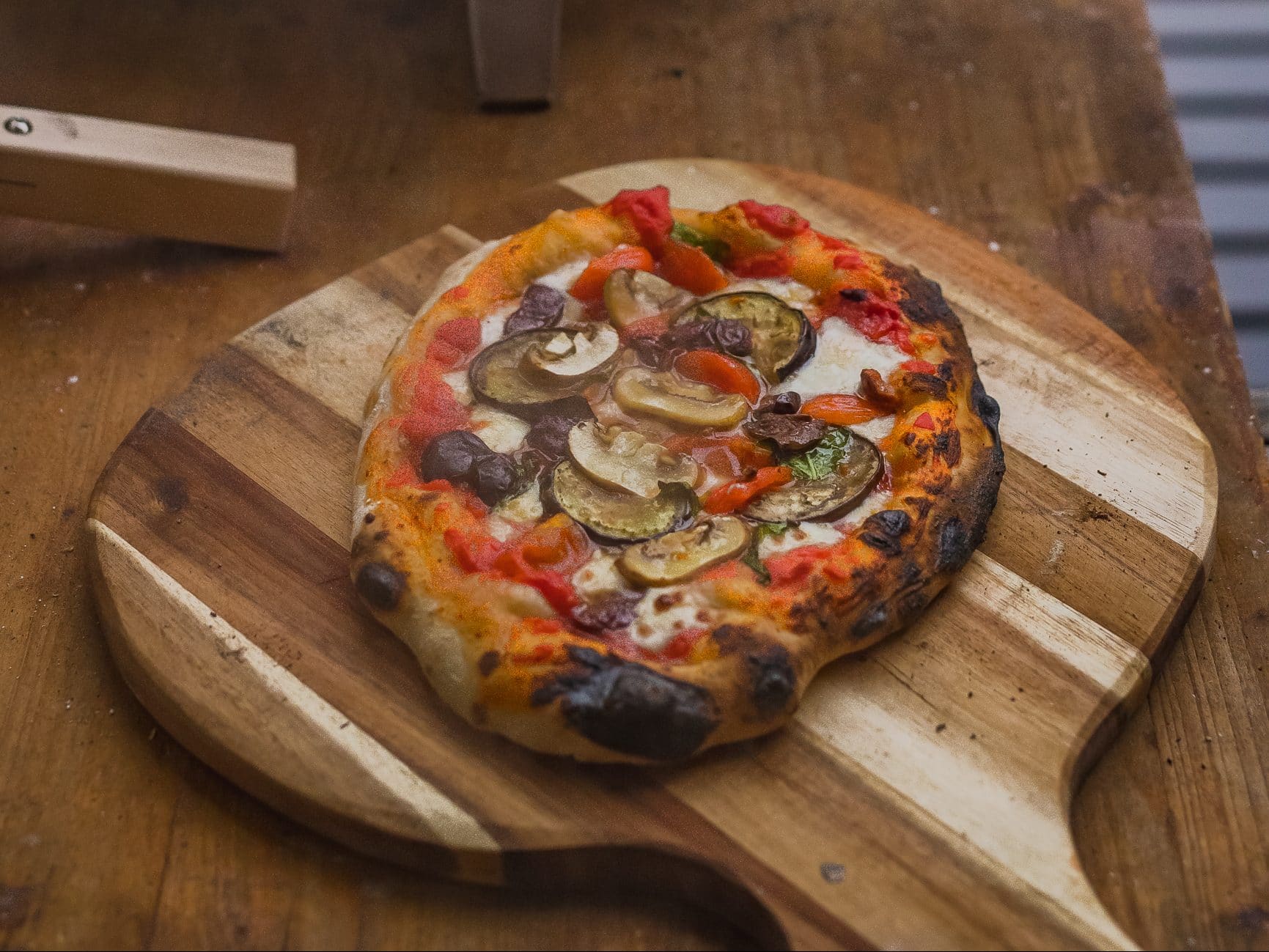
If the pizza sticks, gently jiggle the peel back and forth. Slightly tilt the peel downward while jiggling to help the pizza slide free. Avoid pulling the peel straight back, which can tear the dough. Once the pizza moves freely, quickly slide the peel out from under it.
Credit: palapizza.com
Using The Turning Peel
Using the turning peel is a key skill in pizza making. It helps you cook your pizza evenly. The turning peel is a smaller peel used inside the oven. It allows you to rotate the pizza without removing it. This keeps the pizza from burning on one side and ensures a perfect crust.
When And Why To Turn Pizza
Turn your pizza halfway through baking. This step helps the heat reach all parts of the pizza evenly. Some ovens have hot spots where the pizza can burn. Turning the pizza prevents uneven cooking. It also helps melt the cheese and cook the toppings uniformly. Use the turning peel to slide under the pizza gently and rotate it.
Safe Handling Tips
Hold the turning peel firmly to avoid dropping the pizza. Use both hands if needed for better control. Make sure your peel is dry to prevent slipping. Keep your fingers away from the oven heat. Wear oven mitts or heat-resistant gloves for protection. Slide the peel under the pizza slowly to avoid tearing the dough. Practice smooth and steady movements inside the oven.
Improving Even Cooking
Rotate the pizza at least once during baking. This exposes all sides to the oven’s heat. Pay attention to the crust color and cheese bubbling. If one side cooks faster, turn the pizza more often. The turning peel allows you to adjust the pizza’s position easily. Use it to move the pizza closer or farther from the heat source. This control helps achieve a golden crust and well-cooked toppings.
Cleaning And Maintenance
Proper cleaning and maintenance of your pizza peel extend its life and keep it safe. Regular care prevents food buildup and damage. It also ensures better pizza transfers and hygiene.
After-use Cleaning Tips
Remove leftover flour and dough bits immediately after use. Use a dry cloth or brush to clean the surface. Avoid soaking your peel in water for long periods. Wipe it gently with a damp cloth if needed. Never use harsh detergents or steel scrubbers that can damage the peel.
Wooden Peel Care
Wooden peels need special care to avoid cracking and warping. After cleaning, dry the peel completely with a towel. Apply food-safe mineral oil once a month to keep the wood hydrated. Store the peel away from direct sunlight or heat sources. Avoid putting wooden peels in the dishwasher.
Storing Your Peel
Store your pizza peel in a cool, dry place. Hang it vertically if possible to prevent warping. Keep it away from moisture and heavy kitchen tools. Proper storage helps maintain the peel’s shape and cleanliness. Use a protective cover or cloth to shield the surface from dust.
Common Mistakes To Avoid
Using a pizza peel correctly makes pizza baking easier and more fun. Many beginners make simple mistakes that cause frustration. Avoiding these errors helps you slide your pizza smoothly into the oven.
Overloading Toppings
Too many toppings make the dough heavy. The pizza can stick to the peel or tear. Keep toppings light and balanced. This helps the pizza slide off the peel easily.
Skipping Flour Or Semolina
Not dusting the peel causes dough to stick. Use flour or semolina as a light dusting. Semolina acts like tiny ball bearings under the dough. This stops sticking and helps the pizza move freely.
Rolling Dough On Peel
Rolling dough directly on the peel is a big mistake. It makes the dough stick and tear. Roll the dough on a clean surface instead. Transfer the rolled dough gently to the peel with flour underneath.
Advanced Tips And Tricks
Advanced pizza peel techniques improve your baking speed and pizza quality. These tips help you handle dough better and adapt to different oven types. Small changes in your peel use can prevent common problems and make baking easier. Below are some useful methods to try.
Using Multiple Peels
Use one peel for assembling pizzas and another for baking. A wooden peel works well for building pizza. It prevents dough from sticking. Use a metal peel to slide pizzas in and out of the oven. This method keeps dough smooth and avoids tearing. It also speeds up the baking process when cooking many pizzas.
Peel Techniques For Different Ovens
Ovens vary in size and heat. Adjust your peel technique to fit your oven. For wood-fired ovens, keep the peel dusted to avoid sticking. Slide pizza quickly to prevent burning. In electric ovens, use a pizza stone and preheat it well. Use a gentle rocking motion to transfer pizza from peel to stone. For conveyor ovens, keep pizzas on the peel longer before sliding them off.
Troubleshooting Sticky Dough
Sticky dough slows down pizza making. Dust your peel lightly with flour or semolina to stop sticking. Use coarse semolina for a smooth slide. Avoid too much flour; it can burn and affect taste. If dough sticks, lift edges gently and add a little flour underneath. Keep dough cold before using. Warmer dough is stickier and harder to move.

Credit: www.fontanaforniusa.com
Frequently Asked Questions
How To Use A Pizza Peel Properly?
Dust the peel with flour or semolina to prevent sticking. Slide the pizza onto the peel using a quick, confident motion. Keep the peel dry and clean. Jiggle gently to release the pizza into the oven. Avoid rolling dough directly on the peel.
Do You Oil Or Flour A Pizza Peel?
Dust your pizza peel lightly with flour or semolina to prevent sticking. Do not oil the peel, as oil can cause dough to stick. Use bread flour or semolina for smooth, easy sliding of the pizza onto the stone or oven surface.
What Are Some Common Pizza Peel Mistakes?
Common pizza peel mistakes include using a wet or sticky peel, overloading with toppings, and not dusting with flour or semolina. Avoid rolling dough directly on the peel and failing to keep it clean and dry. These errors cause sticking and difficult pizza transfers.
How To Transfer A Pizza From Pizza Peel To Baking Sheet?
Lightly dust the pizza peel with flour or semolina to prevent sticking. Hold the peel at a slight angle. Gently shake or jiggle to slide the pizza onto the baking sheet. Pull the peel back smoothly to release the pizza without tearing the crust.
Conclusion
Using a pizza peel makes baking easier and safer. Always dust the peel with flour or semolina. This stops the dough from sticking. Slide your pizza gently onto the peel to avoid tears. Practice helps you get comfortable with the motions.
Keep your peel clean and dry after each use. With patience, you will enjoy making pizza at home. Simple steps lead to delicious results every time. Try different types of peels to find your favorite. A good peel is a helpful tool in your kitchen.

As the author of the “Ultimate Pizza Guide: Recipes, Tips & Secrets Revealed,” I’m dedicated to sharing my love for pizza and empowering others to create delicious homemade pizzas with ease. Join me on a journey to uncover the secrets to perfecting your pizza game!