You love making perfect pizzas at home, but nothing ruins your cooking experience faster than rusty pizza accessories. Whether it’s your pizza steel, peel, or pan, rust can damage your tools and affect the taste and safety of your food.
You want your pizza gear to last for years and stay in top shape, right? You’ll discover simple and effective ways to prevent rust on your pizza accessories. Learn easy maintenance tips that keep your tools clean, durable, and ready for your next delicious homemade pizza.
Keep reading to protect your investment and enjoy pizza night without worry!
Credit: orblue.com
Causes Of Rust On Pizza Accessories
Rust on pizza accessories can ruin your cooking tools and affect pizza quality. Understanding what causes rust helps keep these tools in top shape. Many factors lead to rust formation, especially in kitchen environments where moisture and heat are common.
Moisture And Humidity Effects
Moisture is a main cause of rust on pizza accessories. Water droplets or steam can stay on metal surfaces. High humidity in kitchens creates damp conditions. This moisture reacts with iron in metals, starting rust formation. Leaving accessories wet after washing also speeds up rust.
Impact Of Heat And Oven Conditions
Heat from ovens changes metal surfaces. Repeated heating and cooling cause metal to expand and contract. This process can crack protective coatings on accessories. Cracks let air and moisture reach the metal, causing rust. Hot, humid oven environments increase rust risks over time.
Common Metal Types And Rusting Risks
Many pizza tools use metals like stainless steel, aluminum, and carbon steel. Carbon steel rusts easily without proper care. Stainless steel resists rust but can still corrode if damaged. Aluminum does not rust but may oxidize. Knowing metal types helps choose the right cleaning and storage methods.
Effective Cleaning Techniques
Effective cleaning techniques play a key role in preventing rust on pizza accessories. Proper care keeps your tools safe and extends their life. Cleaning should remove food residue without damaging the metal surface. Use methods that protect the steel and avoid harsh treatments. This section covers gentle cleaning, rust removal, and safe chemical use.
Gentle Non-abrasive Methods
Use soft cloths or sponges to clean pizza accessories. Avoid steel wool or rough brushes that scratch the surface. Warm water and mild soap work well for daily cleaning. Dry the tools immediately after washing to stop moisture buildup. Regular gentle cleaning prevents rust from forming.
Removing Existing Rust Safely
Light rust can be removed with a paste of baking soda and water. Apply the paste and gently scrub with a soft brush. Rinse thoroughly and dry the accessory completely. For tougher rust, use white vinegar to soak the affected area. Always rinse and dry to avoid new rust spots.
Avoiding Harsh Chemicals
Harsh chemicals can damage metal and remove protective layers. Skip bleach, ammonia, or strong acid cleaners. These substances may cause corrosion or weaken the steel. Stick to natural or mild cleaning agents. This approach keeps pizza accessories safe and rust-free.
Seasoning And Protective Coatings
Seasoning and protective coatings play a vital role in preventing rust on pizza accessories. These methods create a barrier that keeps moisture away from metal surfaces. Regular care helps maintain the tools’ performance and extends their lifespan.
Oiling Pizza Steels And Peels
Applying a thin layer of oil is an easy way to protect pizza steels and peels. Use food-grade oils like vegetable or flaxseed oil. Spread the oil evenly on the surface using a clean cloth. This oil layer prevents water and air from reaching the metal, reducing rust risks. Repeat this process after every use or cleaning to keep the metal safe.
Using Natural Seasoning Agents
Natural seasoning agents help build a protective coating on metal tools. Agents like beeswax or coconut oil work well. Warm the seasoning agent slightly before applying it to the pizza accessory. Rub it thoroughly into the surface and let it absorb. This natural layer guards against rust and keeps the metal smooth and ready for use.
Reapplying Protective Layers
Protective coatings wear off over time and need reapplication. Check your pizza steel and peels regularly for signs of dryness or rust spots. Clean the tools properly before adding a new layer of oil or seasoning. Consistent reapplication ensures long-lasting protection. It keeps your pizza accessories in great shape and rust-free for many baking sessions.
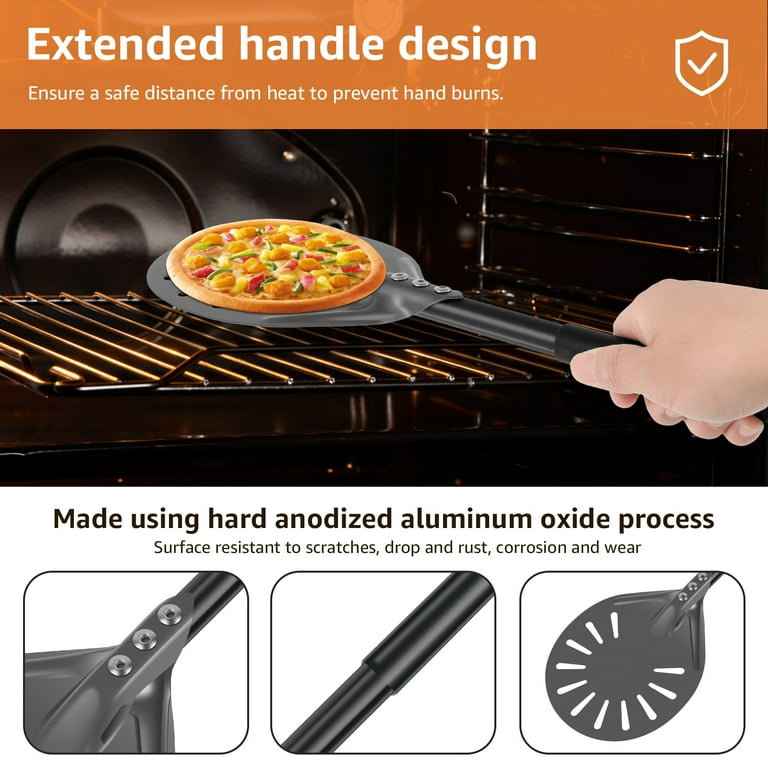
Credit: www.walmart.com
Proper Storage Solutions
Proper storage solutions play a vital role in preventing rust on pizza accessories. Keeping your tools dry and protected extends their life and maintains their performance. Simple habits and the right storage choices help avoid damage and rust buildup.
Keeping Accessories Dry
Always dry pizza accessories completely after washing. Moisture causes rust to form quickly. Use a clean towel or air dry in a well-ventilated area. Avoid storing accessories while damp or wet. This small step keeps metal parts safe from corrosion.
Avoiding Oven Storage Pitfalls
Do not store accessories inside the oven. Heat can bake off protective coatings or oils. This leaves metal exposed and prone to rust. Store tools outside the oven in a cool, dry place. This protects seasoning and metal from damage.
Using Covers And Containers
Use covers or containers to protect accessories from dust and moisture. Plastic or fabric covers work well for pizza peels and cutters. Airtight containers keep humidity away from metal parts. These solutions create a barrier against rust and dirt.
Material Choices To Reduce Rust
Choosing the right material for pizza accessories helps prevent rust. Rust can damage tools and affect food quality. Materials vary in durability and rust resistance. Knowing their properties helps select the best option.
Stainless Steel Vs Carbon Steel
Stainless steel resists rust well due to chromium content. It stays shiny and needs less maintenance. Carbon steel is stronger but rusts faster without care. It requires seasoning and drying after use. Both materials work, but stainless steel suits wet environments better.
Benefits Of Aluminum Accessories
Aluminum does not rust like steel. It is light and easy to handle. Aluminum heats evenly, helping cook pizza better. It can dent more easily but stays rust-free. A great choice for rust prevention and quick handling.
Rust-resistant Coated Tools
Coated pizza tools have layers that block moisture. Common coatings include non-stick and powder coatings. These coatings stop rust and make cleaning easier. Coated tools last longer and keep their look. Choose coated tools for low maintenance and rust safety.

Credit: www.amazon.com
Maintenance Tips For Longevity
Maintaining your pizza accessories properly helps prevent rust and extends their life. Small daily efforts keep your tools clean and ready for perfect pizza making. Follow simple steps to protect your pizza steel, peels, and other accessories from damage and corrosion.
Regular Inspection And Upkeep
Check pizza accessories for signs of rust or damage often. Wipe off moisture immediately to stop rust from forming. Use a soft cloth and mild soap to clean after each use. Avoid harsh scrubbers that can scratch protective coatings. Dry tools completely before storing to keep them rust-free.
Preventing Dough Sticking
Dust pizza peels with flour or semolina before placing dough. This creates a barrier and stops sticking. Shake the peel gently while adding toppings to keep dough loose. Avoid using too much flour, which can burn on the steel or stone. Proper dusting helps slide pizza easily into the oven.
Safe Handling And Usage Practices
Handle pizza accessories with care to avoid bending or scratching. Do not leave steel or peels in a hot oven for long periods. Heat can damage protective oils and expose metal to rust. Store tools in a dry place, away from humidity and moisture. Use protective covers or cases for long-term storage.
Frequently Asked Questions
How To Keep Pizza Steel From Rusting?
Keep pizza steel dry and season it regularly with oil to prevent rust. Store in a cool, dry place after cleaning. Avoid leaving it in a hot oven to maintain the protective layer.
What Is The 55 Rule For Pizza Dough?
The 55 rule for pizza dough means using 55% hydration, which is 55 grams of water per 100 grams of flour. This creates a soft, manageable dough ideal for pizza.
How To Keep Pizza From Sticking To Metal Peels Without?
Dust the metal peel lightly with semolina or flour. Shake the peel during topping to keep dough loose. This prevents sticking and ensures smooth pizza transfer.
What Do Italians Use To Stop Pizza Sticking?
Italians use semolina or flour on pizza peels to prevent sticking. They also gently shake the peel while adding toppings.
Conclusion
Protecting your pizza accessories from rust keeps them safe and ready. Clean and dry each item after use. Store accessories in a dry, cool place to avoid moisture. Apply a thin layer of oil to metal surfaces regularly. Avoid harsh scrubbing that can damage protective coatings.
Simple care steps extend the life of your tools. Enjoy fresh, delicious pizza without worrying about rust. Small habits make a big difference in rust prevention. Keep your pizza gear strong and reliable for years.

As the author of the “Ultimate Pizza Guide: Recipes, Tips & Secrets Revealed,” I’m dedicated to sharing my love for pizza and empowering others to create delicious homemade pizzas with ease. Join me on a journey to uncover the secrets to perfecting your pizza game!