When you love making pizza at home, choosing the right accessories is just as important as picking your favorite toppings. But have you ever wondered how durable your pizza stone or peel really is?
Knowing the material durability of your pizza accessories can save you money, prevent frustrating cracks, and help you bake perfect pizzas every time. You’ll discover which materials stand up to high heat, resist cracking, and last for years. Stick with me, and you’ll learn how to pick the best pizza tools that keep your kitchen ready for countless delicious pies.
Ready to find out what makes a pizza accessory truly durable? Let’s dive in!
Pizza Stone Materials
Choosing the right pizza stone material affects your baking results and stone longevity. Pizza stones absorb and retain heat to create crisp crusts. Materials vary in heat retention, durability, and resistance to thermal shock. Understanding these differences helps pick a stone that suits your needs and lasts longer.
Cordierite Stone Benefits
Cordierite stones resist thermal shock well. They handle quick temperature changes without cracking. This makes them ideal for baking frozen pizzas or using in hot ovens. Cordierite also holds heat evenly, helping bake pizzas with a crisp crust. These stones last many years with proper care.
Ceramic Stone Challenges
Ceramic stones are common and affordable but less durable. They can crack easily from rapid temperature changes. Avoid placing cold items on a hot ceramic stone. Ceramic also heats unevenly, which may cause hot spots. Cleaning ceramic stones requires care to prevent damage.
Comparing Stone Types
Cordierite and ceramic are the most popular pizza stone materials. Cordierite wins for durability and heat resistance. Ceramic is cheaper but more fragile. Both absorb moisture and improve crust texture. Consider your baking style and budget before choosing a stone. Proper use and maintenance extend any stone’s life.

Credit: www.walmart.com
Thermal Shock Effects
Thermal shock is a common issue affecting the durability of pizza accessories. It occurs when materials face sudden temperature changes. These rapid shifts cause stress within the material. Over time, this stress can lead to cracks or complete breakage. Understanding thermal shock helps in choosing the right materials and care methods for your pizza tools.
Causes Of Cracking
Cracking happens when pizza stones or accessories heat up too quickly. For example, placing a cold stone into a hot oven creates uneven expansion. The outer layer heats faster than the inside, causing stress. Another cause is putting a frozen pizza on a hot stone. The cold surface cools the stone rapidly. This quick temperature change can create fractures. Materials like ceramic are especially prone to cracking under thermal shock.
Preventing Temperature Stress
Prevent thermal shock by heating pizza accessories slowly. Allow stones to warm up gradually inside the oven. Avoid placing cold items on hot surfaces. Use materials designed to resist thermal shock, such as cordierite. Cordierite stones handle sudden temperature changes better than ceramic. Also, never dunk hot stones into cold water. This sudden cooling causes damage. Careful handling and proper heating extend the life of your pizza accessories.
Cleaning And Maintenance
Cleaning and maintenance play a crucial role in extending the life of pizza accessories. Proper care keeps the materials strong and safe to use. Dirt, grease, and food residue can damage these tools over time. Regular cleaning prevents buildup and preserves the accessory’s surface.
Some materials require special attention to avoid wear or cracking. Using the right cleaning methods protects the durability of pizza stones, peels, and pans. This section covers simple steps for effective cleaning and tips to avoid damage during maintenance.
Proper Cleaning Techniques
Use warm water and mild soap for most pizza accessories. Avoid harsh chemicals that can weaken materials. Gently scrub with a soft brush or sponge to remove stuck-on food. Rinse thoroughly to remove all soap. Dry accessories completely before storing to prevent rust or mold.
For pizza stones, never soak in water. Instead, scrape off residue with a plastic scraper. Wipe with a damp cloth and let air dry. Avoid using soap on stones, as it can soak in and affect flavor.
Avoiding Damage During Care
Avoid sudden temperature changes that cause cracking, especially in stones. Do not place cold accessories into a hot oven or hot items into cold water. Use non-abrasive tools for cleaning to prevent scratches. Never use metal utensils on delicate surfaces.
Store accessories in a dry, cool place. Keep stones separate to avoid chipping. Regular checks help spot damage early and keep tools in good shape longer.

Credit: www.amazon.com
Durable Pizza Oven Materials
Durable materials play a vital role in pizza oven performance and lifespan. Choosing strong materials ensures your oven withstands heat and daily use. This section highlights common durable materials used in pizza ovens.
Powder-coated Carbon Steel
Powder-coated carbon steel offers excellent durability. The coating protects steel from rust and corrosion. It also withstands high temperatures without warping. This material is lightweight yet strong, ideal for portable ovens. The smooth finish makes cleaning easier after cooking.
Stainless Steel Advantages
Stainless steel resists rust and stains effectively. Its strength holds up under intense heat over time. This metal is low maintenance and easy to clean. Many professional ovens use stainless steel for its long-lasting quality. It also adds a sleek, modern look to ovens.
Borosilicate Glass Use
Borosilicate glass resists thermal shock better than regular glass. This quality prevents cracking during rapid temperature changes. It allows users to monitor cooking without opening the oven door. The glass is durable and easy to clean. It adds safety and convenience to pizza ovens.
Pizza Peel Options
Choosing the right pizza peel is important for durability and ease of use. Different materials offer unique benefits and last for varying lengths of time. Understanding these options helps you pick a peel that fits your cooking style and budget.
Aluminum Peels
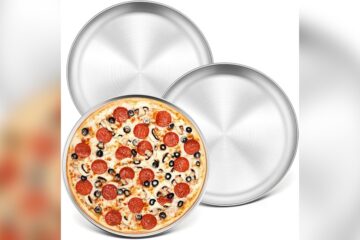
Aluminum peels are lightweight and resist rust well. They slide easily under pizzas for quick transfers. These peels can bend if handled roughly, so gentle use is best. They clean up quickly with just soap and water. Ideal for frequent pizza makers who want easy handling.
Stainless Steel Peels
Stainless steel peels are strong and very durable. They resist dents and scratches, making them last longer. These peels often have thin edges that slide well under pizzas. Stainless steel does not absorb moisture or odors. Perfect for those needing a peel that stands up to heavy use.
Wooden Peels
Wooden peels offer a classic look and natural grip. They do not get too hot to touch during baking. Wood is gentle on pizza dough and prevents sticking. These peels require more care to avoid warping or cracking. Best for home cooks who value tradition and style in their tools.
Accessory Kits For Longevity
Choosing the right pizza accessory kit is key to enjoying your pizza-making for years. A durable kit protects your investment and improves your cooking experience. Kits designed for longevity combine quality materials and essential tools that last through frequent use.
Essential Tools
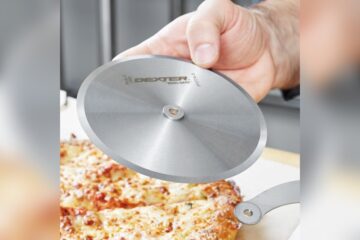
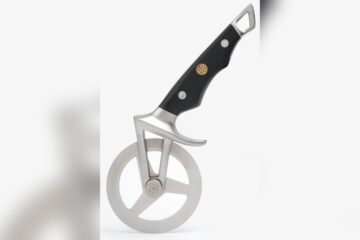
A good pizza accessory kit includes a pizza peel, cutter, and stone or steel. The peel helps slide pizzas in and out of the oven safely. A sharp cutter slices pizzas cleanly without tearing. Stones or steels provide a hot, even surface for crisp crusts. These tools work together to make pizza preparation easier and more fun.
Durability Features To Look For
Look for materials that resist heat and wear over time. Cordierite stones resist thermal shock and last longer than ceramic stones. Stainless steel peels and cutters do not rust or bend easily. Handles made from sturdy wood or metal offer a firm grip and resist cracking. Choosing these features ensures your kit stays reliable through many pizza nights.
Tips For Long-lasting Tools
Keeping your pizza tools in good shape saves money and time. Durable accessories work better and last longer. Simple habits help protect your gear from damage. Follow these tips to extend the life of your pizza tools.
Storage Best Practices
Store tools in a dry place away from moisture. Moisture causes rust and material breakdown. Use hooks or racks to keep items organized. Avoid stacking heavy tools on top of fragile ones. Keep pizza stones on a flat, stable surface. Proper storage prevents cracks and warping.
Handling And Usage Advice
Handle tools gently to avoid dents and scratches. Avoid sudden temperature changes with pizza stones. Let stones heat up slowly inside the oven. Do not place cold stones on hot surfaces or vice versa. Use wooden or silicone utensils to protect non-stick surfaces. Clean tools after each use to remove food residue. Use mild soap and warm water for cleaning. Avoid harsh chemicals that can damage materials.

Credit: www.amazon.com
Frequently Asked Questions
How Fragile Are Pizza Stones?
Pizza stones are fragile mainly due to thermal shock from rapid temperature changes. Avoid sudden hot-to-cold shifts to prevent cracking. Cordierite stones offer greater durability and resist breaking under extreme heat. Handle stones gently and avoid dropping or exposing them to cold surfaces right after heating.
Do Pizza Stones Break Easily?
Pizza stones can break if exposed to sudden temperature changes, known as thermal shock. Handle them carefully to avoid cracks.
How Long Will A Pizza Stone Last?
A pizza stone can last a lifetime with proper care. Avoid thermal shock, clean regularly, and never oil the stone. Durable materials like cordierite resist cracking and extend lifespan.
What Is The Most Durable Pizza Stone?
The most durable pizza stone is made of cordierite. It resists thermal shock and handles extreme temperatures without cracking.
Conclusion
Choosing the right material impacts your pizza accessory’s lifespan. Cordierite stands out for its strong heat resistance and durability. Avoid sudden temperature changes to prevent cracking. Regular cleaning keeps accessories in good shape longer. Simple care helps maintain performance and safety.
Durable materials save money and reduce waste. Invest wisely for tasty, consistent pizza results every time.

As the author of the “Ultimate Pizza Guide: Recipes, Tips & Secrets Revealed,” I’m dedicated to sharing my love for pizza and empowering others to create delicious homemade pizzas with ease. Join me on a journey to uncover the secrets to perfecting your pizza game!