“Pizza Accessory Inspection Checklist”
Are you confident that your pizza accessories are in top shape to deliver the perfect slice every time? Whether you run a busy pizzeria or simply love making pizza at home, keeping your tools and equipment in excellent condition is key.
A thorough pizza accessory inspection checklist helps you spot wear and tear early, ensures safety, and maintains the quality of your pizzas. You’ll find an easy-to-follow checklist that covers everything from dough trays to pizza peels. Stick with us, and you’ll never miss a critical detail that could impact your pizza-making success.
Ready to elevate your pizza game? Let’s dive in!
Essential Pizza Accessories
Essential pizza accessories form the backbone of every pizzeria. They help streamline the pizza-making process and ensure consistency in quality. Having the right tools allows chefs to work efficiently and produce delicious pizzas every time. Each accessory plays a specific role, from dough preparation to storage, making them indispensable in any pizza kitchen.
Dough Trays And Proofing Tools
Dough trays keep dough balls separate and organized. They prevent sticking and allow easy handling. Proofing tools control temperature and humidity for perfect dough rise. Consistent proofing leads to better texture and flavor.
Cutting And Docking Tools
Cutting tools slice pizzas quickly and cleanly. Sharp cutters reduce topping displacement and speed service. Docking tools create small holes in dough. This stops bubbles and keeps the crust flat during baking.
Peels And Pans
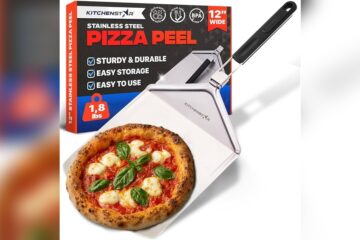
Peels help transfer pizzas to and from the oven safely. They come in wood or metal, each offering different benefits. Pizza pans provide uniform heat distribution. They support the dough and shape the pizza during cooking.
Storage And Shelving
Proper storage keeps ingredients fresh and accessible. Shelving units organize tools and supplies efficiently. Clean storage areas prevent contamination and maintain kitchen hygiene.

Credit: www.ebay.com
Inspection Preparation
Proper inspection preparation is essential for accurate and efficient pizza accessory checks. It ensures every tool and part is ready for review. This step helps avoid errors and saves time during inspection.
Organizing the environment and equipment beforehand creates a smooth workflow. Following safety guidelines protects workers and maintains health standards. Preparation forms the foundation of a thorough inspection process.
Gathering Equipment And Tools
Collect all pizza accessories needing inspection. Include pizza peels, dough trays, cutters, and scrapers. Have cleaning supplies and inspection forms ready. Use a checklist to avoid missing items. Proper tools ensure precise and complete inspections.
Setting Up Inspection Area
Choose a clean, well-lit area for inspection. Arrange accessories for easy access and visibility. Keep the workspace free of clutter. Set up tables or counters at a comfortable height. A tidy space reduces mistakes and speeds up the process.
Reviewing Safety Standards
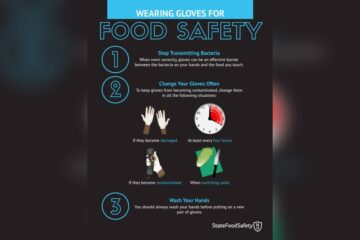
Check current food safety and workplace guidelines. Confirm all equipment meets health regulations. Wear protective gear like gloves and aprons. Ensure electrical tools are properly grounded. Safety prevents contamination and protects inspectors during checks.
Visual Inspection Steps
Visual inspection plays a key role in maintaining pizza accessories. It helps spot issues early to avoid bigger problems. Follow clear steps to ensure every tool is safe and ready to use.
Checking For Damage And Wear
Start by examining each accessory carefully. Look for cracks, dents, or broken parts. Check handles, edges, and surfaces for signs of wear. Damaged tools can cause accidents or affect pizza quality. Replace any item that shows significant damage.
Inspecting Cleanliness
Clean accessories prevent contamination and keep pizza fresh. Check for leftover dough, sauce, or grease on surfaces. Look inside trays and peel edges for hidden dirt. Clean tools thoroughly before use and store them in a dry place.
Verifying Labels And Markings
Labels provide important information about the accessory. Confirm that all markings are clear and readable. Check for manufacturer details, safety instructions, and usage guidelines. Correct labels ensure proper use and compliance with health standards.
Functional Testing
Functional testing ensures every pizza accessory works properly before use. This step prevents delays during busy hours. It also keeps safety and quality high. Testing each tool helps maintain smooth pizza preparation. Focus on stability, sharpness, and heat resistance for best results.
Testing Dough Trays For Stability
Dough trays must hold weight without bending or tipping. Check trays on flat surfaces for wobbling. Press down gently to test strength. Replace trays that feel weak or unstable. Stable trays keep dough even and prevent spills.
Ensuring Cutting Tools Are Sharp And Safe
Sharp cutting tools make clean pizza slices fast. Test blades by cutting through dough smoothly. Dull blades tear dough and slow work. Inspect handles for cracks or looseness. Safe tools reduce accidents and improve efficiency.
Confirming Peels And Pans Are Heat-resistant
Peels and pans face high oven temperatures daily. Confirm materials resist heat without warping or melting. Hold tools near heat source briefly to check reaction. Heat-resistant accessories last longer and protect hands. Replace items that show damage or wear.
Sanitation And Hygiene Checks
Sanitation and hygiene are critical in any pizza kitchen. Clean tools and surfaces prevent foodborne illnesses. Regular checks keep your pizza accessories safe and ready for use. This section covers key points to inspect for a hygienic pizza-making environment.
Evaluating Cleaning Procedures
Inspect how often pizza tools are cleaned. Look at cleaning methods and materials used. Ensure proper detergents and sanitizers are applied. Check if staff follow a cleaning schedule. Clean accessories mean safer and tastier pizzas.
Checking For Cross-contamination Risks
Separate raw and cooked food tools clearly. Verify if cutting boards and peels are color-coded or labeled. Confirm utensils are not shared between different ingredients. Cross-contamination can cause serious health problems. Prevent it by strict handling rules and inspections.
Confirming Use Of Disposable Items
Disposable gloves and aprons reduce contamination chances. Check if staff use fresh gloves during handling. Ensure single-use items are available and stocked. Disposable items add a layer of hygiene in busy kitchens. Regular checks keep them in supply and use.
Credit: www.ebay.com
Safety Compliance
Safety compliance is critical in any pizza kitchen. It protects employees and customers alike. Following clear safety rules reduces accidents and ensures smooth operations. Regular checks keep all pizza accessories safe and reliable. The checklist covers material safety, storage, and worker safety.
Reviewing Material Safety
Check all pizza tools for safe materials. Avoid items with harmful chemicals or sharp edges. Use only food-grade accessories that meet health standards. Inspect for cracks, rust, or damage. Replace worn-out tools immediately. Safe materials prevent contamination and injuries.
Ensuring Proper Storage Practices
Store pizza accessories in clean, dry places. Use labeled containers to avoid mix-ups. Keep tools off the floor and away from heat sources. Follow temperature guidelines for sensitive items. Proper storage prevents damage and bacterial growth. It also extends the life of your equipment.
Assessing Worker Safety Measures
Train staff on safe handling of pizza accessories. Provide gloves and other protective gear. Ensure tools have secure grips and guards. Keep work areas tidy to avoid slips and falls. Monitor for safe use of ovens and cutters. Worker safety lowers injury risks and boosts efficiency.
Maintenance Tips
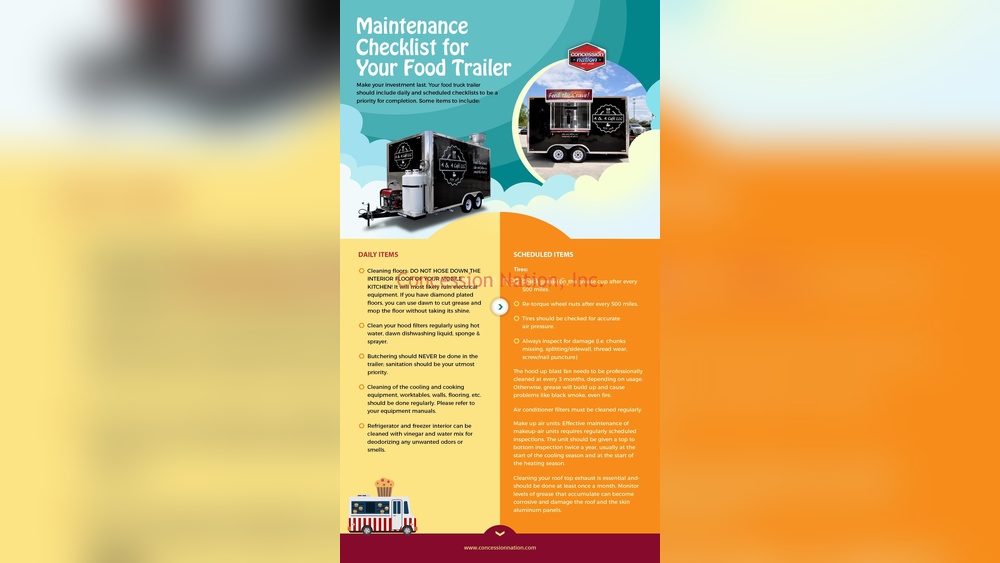
Proper maintenance keeps pizza accessories working well and safe. Regular care extends the life of tools and equipment. It also ensures consistent pizza quality and hygiene in your kitchen. Follow simple maintenance tips to avoid costly repairs and downtime.
Routine Cleaning Schedules
Clean pizza accessories after every use to remove food residue. Use warm water and mild detergent for washing. Avoid harsh chemicals that damage surfaces or leave harmful residues. Dry tools completely before storing to prevent rust and mold. Set a daily cleaning routine and assign staff to follow it strictly.
Regular Equipment Servicing
Check pizza ovens, mixers, and other machines weekly for proper function. Lubricate moving parts to reduce wear and tear. Inspect electrical cords and plugs for damage or loose connections. Schedule professional servicing every six months to keep equipment safe. Early detection of issues prevents sudden breakdowns during busy hours.
Replacement Guidelines
Replace worn-out pizza peels, cutters, and trays immediately. Look for cracks, rust, or dull edges that affect performance. Using damaged accessories can harm food quality and safety. Keep spare parts on hand to avoid delays in pizza preparation. Follow manufacturer advice for replacing filters and seals regularly.
Documentation And Reporting
Documentation and reporting play a crucial role in the pizza accessory inspection checklist. They ensure every detail from the inspection is recorded accurately. Proper records help identify recurring problems and maintain high standards. Clear reports support quick decisions and timely repairs.
Recording Inspection Results
Write down all findings during the inspection. Note the condition of each pizza accessory. Use simple terms to describe any defects or wear. Include dates and names of inspectors for reference. Accurate records allow easy tracking of equipment status over time.
Creating Action Plans For Issues
List problems found during inspections clearly. Assign tasks to fix or replace faulty accessories. Set deadlines to ensure timely action. Use the action plan to prevent future equipment failures. This keeps the pizza-making process smooth and safe.
Keeping Logs Updated
Update inspection logs regularly after each check. Remove outdated information to avoid confusion. Keep logs organized and easy to access. Well-maintained logs help staff follow maintenance schedules. They also prove compliance with health and safety rules.

Credit: www.fsis.usda.gov
Frequently Asked Questions
What Is Included In A Pizza Accessory Inspection Checklist?
A pizza accessory inspection checklist includes tools like pizza peels, cutters, dough trays, scrapers, and dockers. It ensures all equipment is clean, functional, and safe for use in pizza preparation.
How Often Should Pizza Accessories Be Inspected?
Pizza accessories should be inspected daily or before each use. Regular checks prevent equipment failures, maintain hygiene, and ensure a smooth pizza-making process in your kitchen.
Why Is Pizza Accessory Inspection Important?
Inspecting pizza accessories ensures food safety, extends equipment life, and maintains product quality. It helps identify wear and tear early, preventing contamination or production delays.
Can I Create A Printable Pizza Accessory Checklist?
Yes, printable pizza accessory checklists are available online. They help organize inspections, track maintenance, and standardize quality control in pizza shops and kitchens.
Conclusion
A thorough pizza accessory inspection keeps your tools safe and ready. Regular checks prevent damage and ensure better pizza quality. Use the checklist to spot issues early and fix them fast. Clean, well-maintained accessories help your kitchen run smoothly every day.
Stay organized, inspect often, and enjoy making great pizzas with ease.

As the author of the “Ultimate Pizza Guide: Recipes, Tips & Secrets Revealed,” I’m dedicated to sharing my love for pizza and empowering others to create delicious homemade pizzas with ease. Join me on a journey to uncover the secrets to perfecting your pizza game!