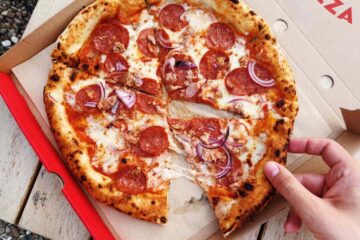
“Pizza and Lifestyle Consistency”
Maintaining lifestyle consistency allows you to enjoy pizza once or twice a week without hurting your health goals, provided your overall intake matches your energy needs. Eating it daily often leads to excess sodium and saturated fat, which may impact your long-term cardiovascular health. If you skip balance for too long, you will likely see changes in your energy levels and your body composition.
Integrating pizza into your lifestyle consistency
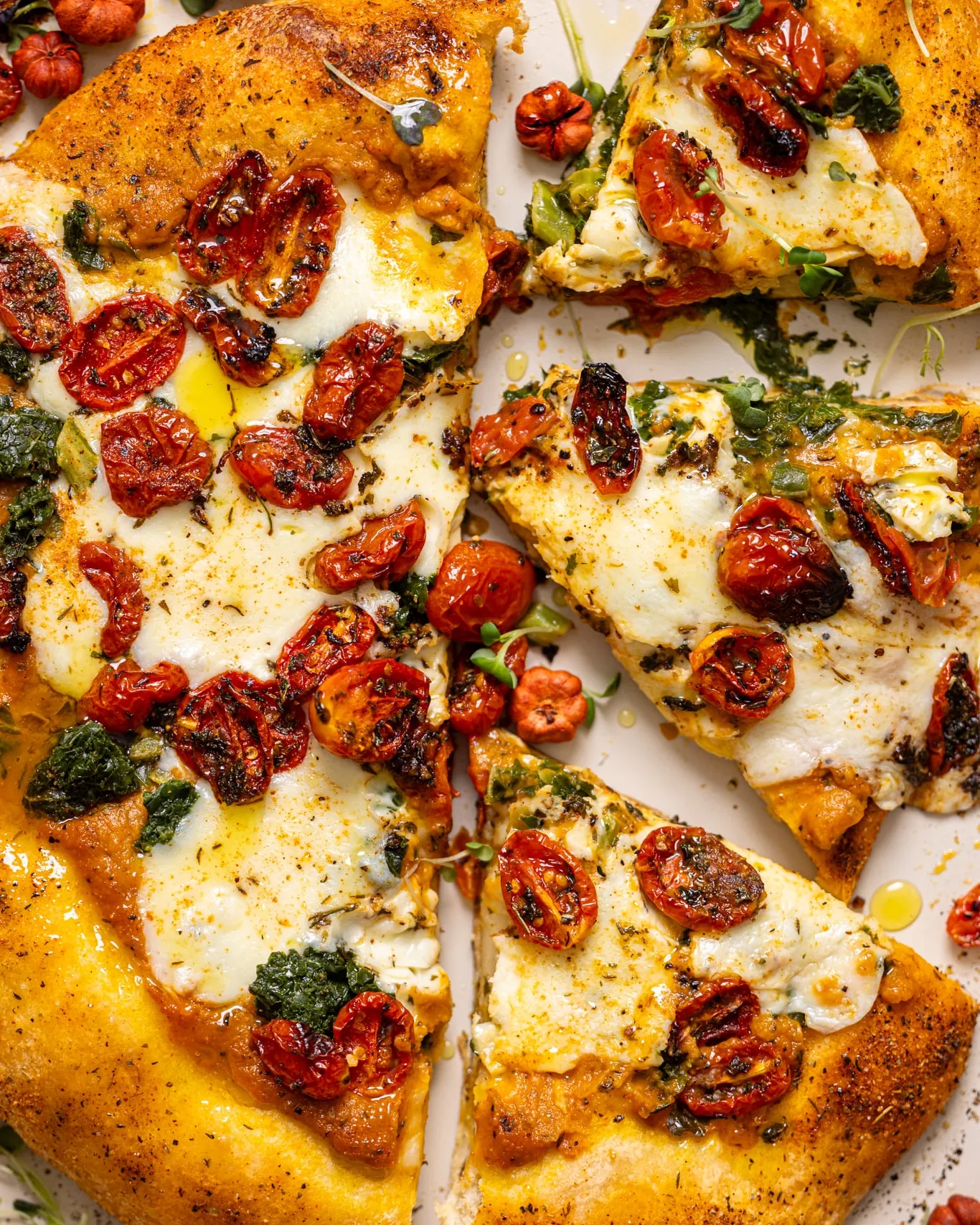
The frequency of your meals depends on your activity level and your daily calorie needs. If you’re highly active, your body handles higher calorie density more effectively than if you lead a sedentary life.
| How you use it | How often | What tells you it’s due |
|---|---|---|
| High activity | Twice weekly | You feel strong |
| Moderate activity | Once weekly | Your weight stays flat |
| Sedentary | Twice monthly | Your clothes feel tight |
| Weight loss goal | Once monthly | Your scale moves down |
| Maintenance phase | Once weekly | Energy remains steady |
Most people fail by treating these intervals as rigid mandates rather than flexible guardrails. If you find your energy crashing by mid-afternoon, move your meal frequency one tier toward the high-activity column regardless of your current schedule.
Conversely, if you feel sluggish or notice persistent bloating, you have likely exceeded your metabolic capacity. In that case, skip the next scheduled meal entirely to allow your digestive system to reset. You should always prioritize how your body recovers over the specific day marked on your calendar. If your recovery time between sessions stretches beyond forty-eight hours, your current frequency is too high. Adjust your intake down until your baseline energy returns to normal.
The impact of skipping nutritional balance
Ignoring your overall diet structure leads to gradual changes in how your body functions. At first, you might notice only minor shifts in your digestion or daily energy levels. Because many pizzas contain high amounts of sodium, consuming them too frequently can cause temporary water retention, making you feel bloated and sluggish by the next morning.
After a few months of relying on high-calorie, processed meals, you may notice a decrease in your stamina. Your body misses out on the essential vitamins and fiber found in whole foods, which are necessary for steady blood sugar. If you continue this pattern without adjusting your other meals, you’ll likely see an increase in body fat. This happens because the extra calories from cheese and refined flour exceed what your body burns during the day.
Eventually, this lack of variety can lead to more significant health concerns. If you’re unsure about your specific needs, check your personal health data or consult a registered dietitian. They can help you calculate your exact calorie and nutrient requirements based on your age, gender, and daily movement.
Signs your routine needs a change

You feel tired shortly after eating, which often suggests a blood sugar spike. If this happens, swap your refined carbohydrates for a serving of healthy fats or proteins to stabilize your glucose levels.
Your weight increases consistently over two weeks, indicating a calorie surplus. If the scale moves up by more than one percent of your body weight in that window, reduce your portion sizes by exactly ten percent until the trend reverses.
You notice swelling in your fingers, a common result of excess sodium intake. Check your labels for hidden salts; if your daily intake exceeds 2,300 milligrams, you’re likely retaining water.
Your digestion feels sluggish, usually because the meal lacks sufficient dietary fiber. Aim for at least eight grams of fiber per meal to keep your system moving.
You find yourself craving processed food, which shows a cycle of dependency. If you reach for snacks before your next scheduled meal, you’re likely under-eating protein.
Your energy crashes by mid-afternoon, often caused by heavy, carb-dense lunches. Switch to a lighter, vegetable-forward midday meal to avoid the inevitable slump.
Effort and time for healthy eating
Preparing a balanced meal at home takes between 30 and 45 minutes, depending on your kitchen skills. This effort requires basic planning, such as keeping fresh vegetables and lean proteins on hand. While ordering out is faster, it costs significantly more in terms of long-term health and your monthly grocery budget.
Doing it yourself allows you to control the portion sizes and the quality of ingredients. You can add extra greens or choose a thinner crust to lower the calorie density. If you aren’t sure how to adjust your portions, look at the nutritional labels on your favorite brands. These labels show exactly how much salt and fat you get in a single slice.
Most people underestimate the hidden sodium in restaurant meals, which often exceeds the daily recommended limit of 2,300 milligrams in a single sitting. If you eat out more than three times a week, you likely consume double your target sodium intake.
To fix this, prioritize batch cooking on Sundays. If you have roasted proteins ready, your weeknight prep drops to under 15 minutes. Making your own version is always the better choice when you want to keep your lifestyle consistent without feeling restricted.
Habits to keep your routine steady
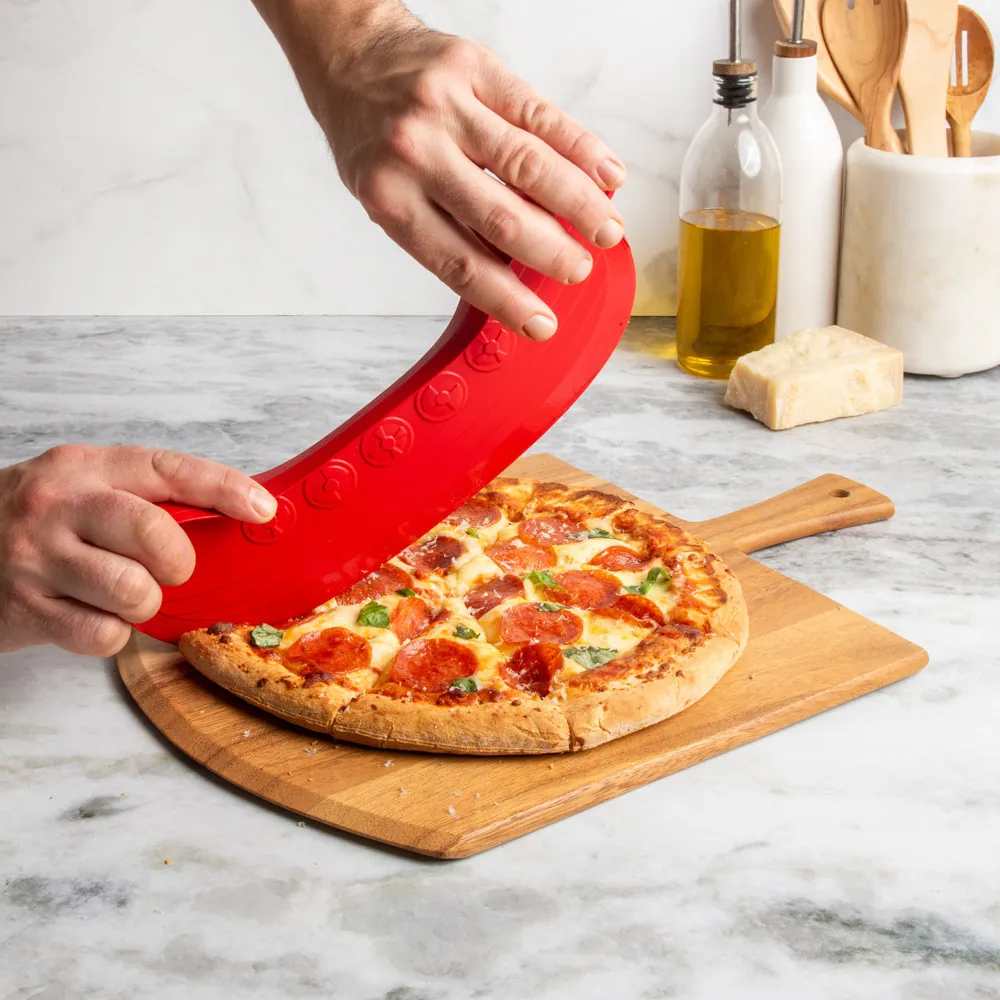
Add a large side salad to every meal to increase your fiber intake. Aim for at least two cups of leafy greens before touching your main course. This simple delay forces you to eat slower, which helps your brain register fullness before you overindulge.
Limit your portion to two slices to keep your calorie total manageable. If you’re still hungry after fifteen minutes, choose a piece of fruit instead of more pizza. Most people mistake thirst for hunger, so drink sixteen ounces of water before reaching for that third slice.
Choose thin-crust options to reduce refined flour intake. If you must have deep-dish, cut your usual serving size in half. Eat your final meal at least three hours before bed to give your metabolism time to process the sodium.
Frequently asked questions
How many calories are in a standard slice?
A single slice of cheese pizza typically contains between 250 and 300 calories, depending on the thickness of the crust. You should check the nutrition facts label on the specific brand or restaurant menu to get the exact count for your meal.
Is it safe to eat pizza every day?
Eating pizza every day is generally not recommended because it’s often high in sodium and saturated fats. If you want to include it daily, you must significantly reduce your portion sizes and pair it with large servings of vegetables to meet your nutritional needs.
How do I know if I am eating too much?
You’re likely eating too much if your weight increases consistently over a two-week period or if your energy levels drop. You should track your intake for a few days to see if your total calories exceed your daily maintenance level for your activity level.
Does the crust type matter for health?
The crust type matters because refined white flour provides quick-digesting carbs that can cause blood sugar spikes. Choosing a thin crust or a whole-grain base helps you manage your blood sugar levels and increases the fiber content of your meal.
Can I lose weight while eating pizza?
You can lose weight while eating pizza as long as you maintain a calorie deficit across your total weekly intake. The success of your weight loss depends on your total calorie balance for the entire week, rather than the specific food you eat in one sitting.
What should I look for on the label?
You should look for the sodium and saturated fat content on the label to ensure they fit your daily limits. Most health organizations suggest keeping your daily sodium intake under 2,300 milligrams, so check the label to see what percentage of that limit one slice uses.
Conclusion
Start by tracking your current food intake for three days to see where your calories actually go. You’ll likely see a clear link between your heavy meal days and your low energy levels by the afternoon. If you feel dizzy or notice rapid weight changes, stop your current plan and speak with a healthcare professional to adjust your nutritional strategy.

As the author of the “Ultimate Pizza Guide: Recipes, Tips & Secrets Revealed,” I’m dedicated to sharing my love for pizza and empowering others to create delicious homemade pizzas with ease. Join me on a journey to uncover the secrets to perfecting your pizza game!