
Finding a sustainable approach to pizza and dietary flexibility is essential for those who refuse to choose between their health goals and their favorite comfort foods. Many people operate under the false assumption that rigid restriction is the only way to maintain a physique or manage weight, yet evidence suggests that long-term adherence is significantly higher when individuals allow for occasional indulgences. By integrating pizza into a structured nutritional framework, you can satisfy cravings while still hitting your macro-nutrient targets, provided you understand how to navigate portion sizes and ingredient quality.
Key Takeaways
- Prioritize protein-dense toppings like chicken, turkey pepperoni, or prosciutto to increase satiety.
- Use a food scale to measure portions, as restaurant calorie estimates are often inaccurate by 20% or more.
- Balance high-calorie meals by adjusting your intake of fats and carbohydrates in earlier meals that day.
- Select thin-crust options over deep-dish to significantly reduce the total caloric density of your meal.
- Increase fiber intake through vegetable toppings like spinach, arugula, or bell peppers to stabilize blood sugar.
How Can Pizza Fit Your Macros?
The secret to incorporating pizza into a flexible diet lies in treating it as a component of your daily caloric budget rather than a “cheat meal.” If you’re tracking macros, pizza is primarily a source of carbohydrates and fats. To make it fit, you may need to reduce your fat intake during breakfast and lunch to accommodate the oils and cheeses found in a typical slice.
Nutritional balancing is the process of adjusting your other daily meals to leave room for the caloric density of pizza. If you know you’re having pizza for dinner, focus your earlier meals on high-volume, low-calorie foods such as egg whites, lean white fish, or large salads with vinegar-based dressings. By keeping your fat and carb intake low until the evening, you create the caloric buffer necessary to enjoy a few slices without exceeding your total daily energy expenditure.
| Component | Strategy for Flexibility | Impact on Macros |
|---|---|---|
| Crust | Choose thin or cauliflower crust | Reduces total carb load |
| Cheese | Request light cheese or dairy-free | Lowers saturated fat content |
| Toppings | Add lean protein and veggies | Increases satiety and fiber |
| Portion | Use a food scale | Ensures caloric accuracy |
Why Portion Control Is Crucial
It’s easy to underestimate the calories in a slice of pizza because the dough is dense and the cheese is calorie-dense. A single slice of pepperoni pizza can range from 250 to 450 calories depending on the thickness of the crust and the amount of oil used. Without a scale, most people consume far more than they realize.
Portion awareness involves recognizing that one or two slices is usually sufficient to satisfy the psychological craving. If you’re eating out, consider ordering a side salad to eat first; the fiber and volume will make you feel full faster, which naturally limits your pizza consumption. According to the Dietary Guidelines for Americans published by the USDA, maintaining a healthy weight requires balancing total calories consumed with physical activity, regardless of the specific food source.
Best Pizza Toppings for Dietary Flexibility
When you have the ability to customize your order, the toppings you choose can transform a “junk” meal into a moderately healthy dinner. Focus on adding volume through vegetables and protein to slow down digestion.
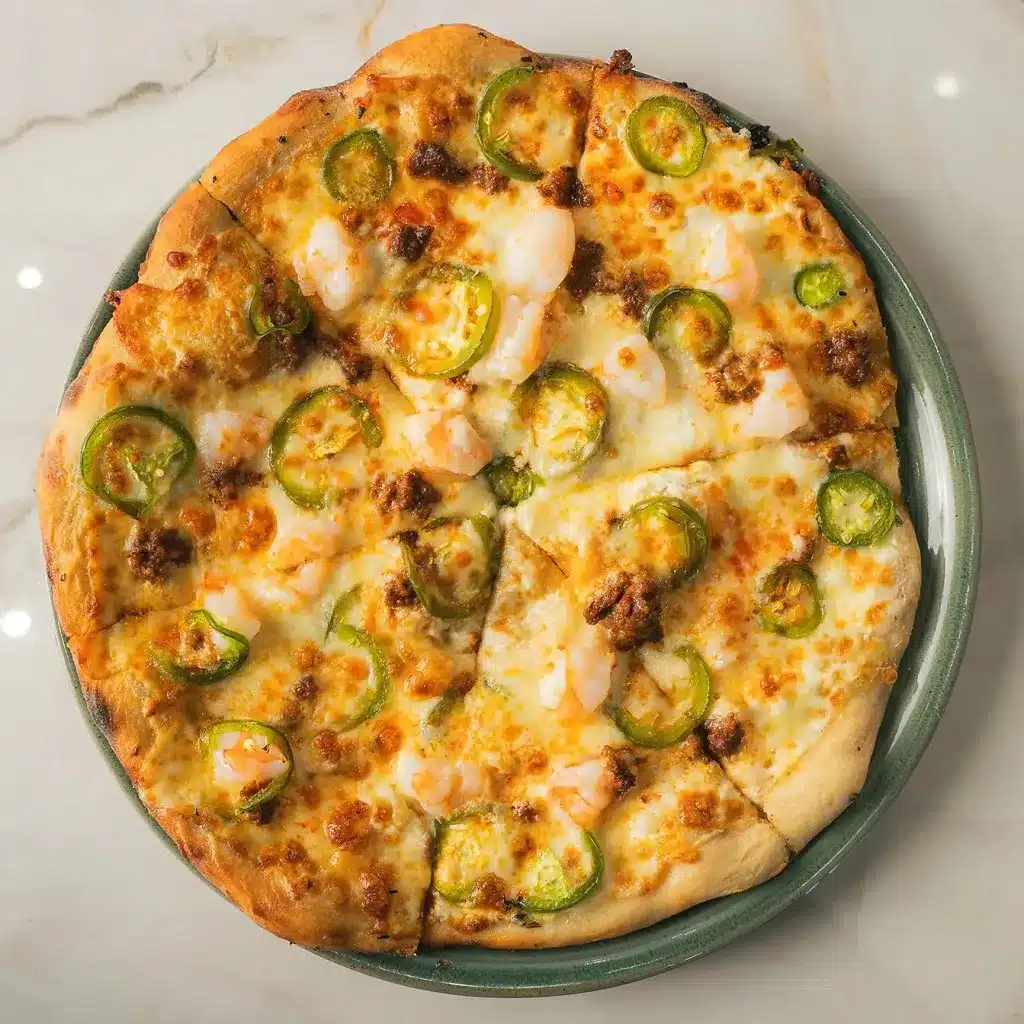
- Lean proteins: Grilled chicken, shrimp, prosciutto, or lean turkey pepperoni.
- Vegetables: Spinach, mushrooms, bell peppers, onions, and artichoke hearts.
- Flavor boosters: Red pepper flakes, oregano, garlic, or a squeeze of fresh lemon.
Warning: Avoid “meat lover” styles that feature processed sausages, bacon, and greasy pepperoni, as these add significant amounts of sodium and saturated fat without providing high-quality protein.
Is Cauliflower Crust Actually Better?

Cauliflower crusts have become a staple for those seeking dietary flexibility, but they aren’t always the low-calorie miracle they appear to be. While they often contain fewer carbohydrates than traditional wheat crusts, many brands include cheese, rice flour, or cornstarch in the binder, which keeps the calorie count relatively high.
Ingredient transparency is vital when choosing a crust. Always check the nutritional label if you’re buying a frozen version. If you’re ordering at a restaurant, ask if the crust is made from mostly cauliflower or if it’s a blend. Often, the difference in calories between a thin-crust wheat pizza and a cauliflower crust is negligible, so choose the one you enjoy most rather than forcing yourself to eat a crust you dislike.
Managing Sodium and Bloating
Pizza is notoriously high in sodium, which can lead to temporary water retention and bloating the next day. This is a normal physiological response to high salt intake and doesn’t mean you have gained actual body fat.
Hydration strategies are your best defense against post-pizza puffiness. Drink an extra liter of water throughout the day before and after your meal to help your kidneys flush out the excess sodium. Additionally, try to avoid adding extra salt to your meal and skip processed dipping sauces like ranch or garlic butter, which contain significant amounts of hidden sodium and fat.
Restaurant vs. Home Preparation
The environment in which you consume pizza dictates how much control you have over the final nutritional profile. Restaurant pizzas are often cooked in ovens that require a thin layer of oil on the pan or stone to prevent sticking, and the portion sizes are rarely standardized.
Homemade Pizza Options
- Tortilla pizzas: Use a high-fiber, low-carb tortilla as a base.
- English muffin pizzas: Perfect for portion-controlled individual servings.
- Homemade dough: Use Greek yogurt and self-rising flour for a high-protein crust.
Restaurant Ordering Tactics
- Ask for thin crust: It’s almost always lower in calories.
- Request “light cheese”: This is the easiest way to cut 50-100 calories per slice.
- Side of vegetables: Prioritize eating the side dish to manage your hunger.
How to Handle Social Settings
Social gatherings often center around food, and pizza is a common choice. To maintain flexibility without feeling isolated, focus on the social aspect of the event rather than the food. If you know pizza is being served, plan your day around it by saving your “macro budget” for the event.
If you find yourself overeating, don’t panic or resort to extreme restriction the next day. One meal won’t undo your progress, and consistency over the long term is far more important than one evening of indulgence.
Pro Tip: If you’re at a party, serve yourself a plate rather than eating directly from the box. This simple visual cue helps you keep track of exactly how many slices you have consumed.
Troubleshooting Common Dietary Pitfalls
If you find that pizza is consistently leading to overeating, you might need to adjust your approach. Some people find that the combination of fat and refined carbs in pizza is hyper-palatable, making it difficult to stop after one or two slices.
- The “all-or-nothing” trap: Avoid labeling pizza as “bad.” When you label food as forbidden, you’re more likely to binge when you finally allow yourself to have it.
- Lack of satiety: If you’re always hungry after two slices, you’re likely not getting enough protein or fiber. Increase your vegetable intake and choose a protein-heavy topping next time.
- The “next day” guilt: If you overeat, skip the guilt and get right back to your regular routine. A single day of over-consumption is a minor event in the context of a lifetime of health.
Frequently Asked Questions
Can I eat pizza every day?
Technically, you can eat pizza every day if it fits within your total caloric needs and you’re meeting your micronutrient requirements through other foods. However, pizza is often high in sodium and saturated fats. For optimal health, it’s best to treat it as a flexible part of a diverse diet rather than a daily staple to ensure you get a wide range of vitamins and minerals.
Does pizza cause weight gain?
No single food causes weight gain. Weight change is determined by your total caloric balance over time. If you eat more calories than you burn, you’ll gain weight, whether those calories come from pizza, chicken, or broccoli. Pizza can be part of a weight-loss diet if you account for the calories and maintain a consistent caloric deficit throughout the week.
How do I track pizza calories accurately?
Use a digital food scale if you’re making it at home. If you’re eating out, look up the restaurant’s nutritional information online. If no data is available, estimate based on similar items from national chains. It’s better to slightly overestimate your calories than to underestimate them when you’re trying to maintain a specific nutritional target.
Is thin crust always healthier?
Usually, yes. Thin crust typically contains less flour and fewer calories per slice compared to pan, stuffed, or deep-dish crusts. However, the health value depends on the toppings and the cheese. A thin-crust pizza loaded with processed meats and extra cheese can still be very calorie-dense. Always prioritize the quality and quantity of the toppings alongside the crust type.
How do I stop bloating after eating pizza?
Bloating after pizza is usually caused by high sodium intake, which leads to water retention. To minimize this, drink plenty of water throughout the day to help your body process the salt. Additionally, avoid processed dipping sauces, which are hidden sources of extra sodium. Moving your body with a light walk after your meal can also help improve digestion and reduce feelings of discomfort.
Conclusion
The key to successful dietary flexibility is viewing your food choices as a long-term strategy rather than a series of isolated events. By mastering portion control, opting for nutrient-dense toppings, and balancing your daily intake, you can enjoy pizza without compromising your health goals. Start by tracking your next pizza meal to see how it fits into your daily targets.
As the author of the “Ultimate Pizza Guide: Recipes, Tips & Secrets Revealed,” I’m dedicated to sharing my love for pizza and empowering others to create delicious homemade pizzas with ease. Join me on a journey to uncover the secrets to perfecting your pizza game!


