Finding a sustainable approach to pizza and long-term diet balance isn’t about eliminating your favorite foods, but rather about integrating them into a broader framework of nutritional consistency. Many people struggle with the “all-or-nothing” mentality, viewing pizza as an enemy to their health goals rather than a single component of a diverse weekly intake. By understanding how to manage portion sizes, ingredient quality, and meal timing, you can enjoy pizza regularly without compromising your physical progress or metabolic health. This guide provides actionable strategies for fitting comfort foods into a healthy, lifelong lifestyle.
Key Takeaways
- Focus on total weekly nutrient intake rather than individual meal perfection.
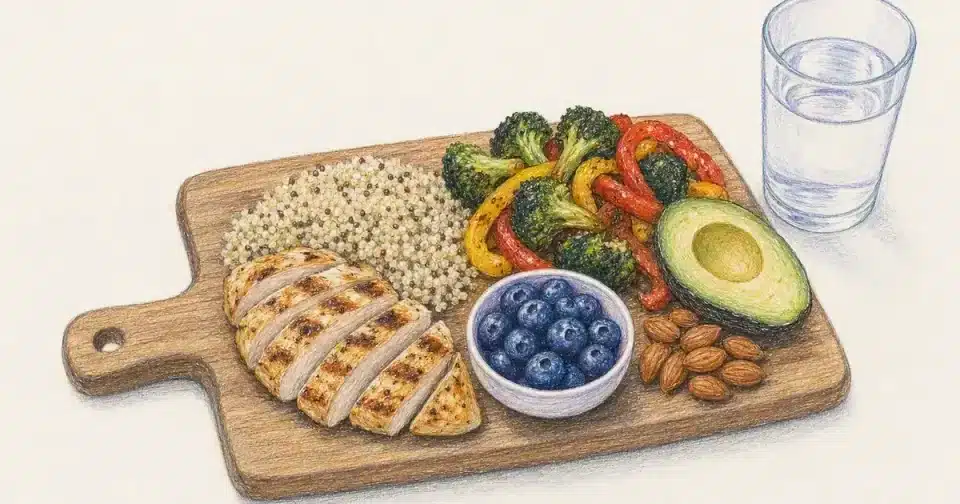
- Increase the fiber content of your pizza meal by adding side salads or roasted vegetables.
- Prioritize protein-dense toppings like grilled chicken, lean ham, or chickpeas to improve satiety.
- Use thin-crust bases to reduce the total glycemic load and calorie density of the meal.
- Apply the 80/20 rule to maintain psychological satisfaction and long-term dietary adherence.
Strategies for Long-Term Pizza Diet Balance
The key to long-term success is viewing your diet as a cumulative process. If you consume balanced meals throughout the week, the occasional pizza night serves as a minor variable rather than a derailment. According to the Dietary Guidelines for Americans, maintaining a healthy dietary pattern that accommodates personal preferences is essential for long-term sustainability. You should aim to treat pizza as a planned event rather than an impulsive binge.
Managing Portion Control
Portion distortion is the primary reason pizza disrupts weight management. A standard large pizza can range from 1,800 to 3,200 calories depending on the crust style and toppings. To mitigate this, divide the pizza into smaller slices or utilize a visual plate method. By filling half your plate with a fibrous side, you naturally reduce the volume of pizza consumed while feeling just as full.
| Strategy | Benefit | Execution |
|---|---|---|
| Plate Method | Satiety | Pair two slices with a large green salad. |
| Topping Choice | Protein | Choose lean meats over processed pepperoni. |
| Crust Selection | Fiber | Opt for thin-crust or cauliflower crusts. |
| Timing | Digestion | Eat pizza earlier in the day to aid digestion. |
How to Improve Nutritional Density
You can significantly improve the health profile of your pizza by making minor adjustments to the ingredients. Most commercial pizzas are calorie-dense but lack micronutrients. By taking control of the toppings, you transform the meal into a more balanced source of fuel.
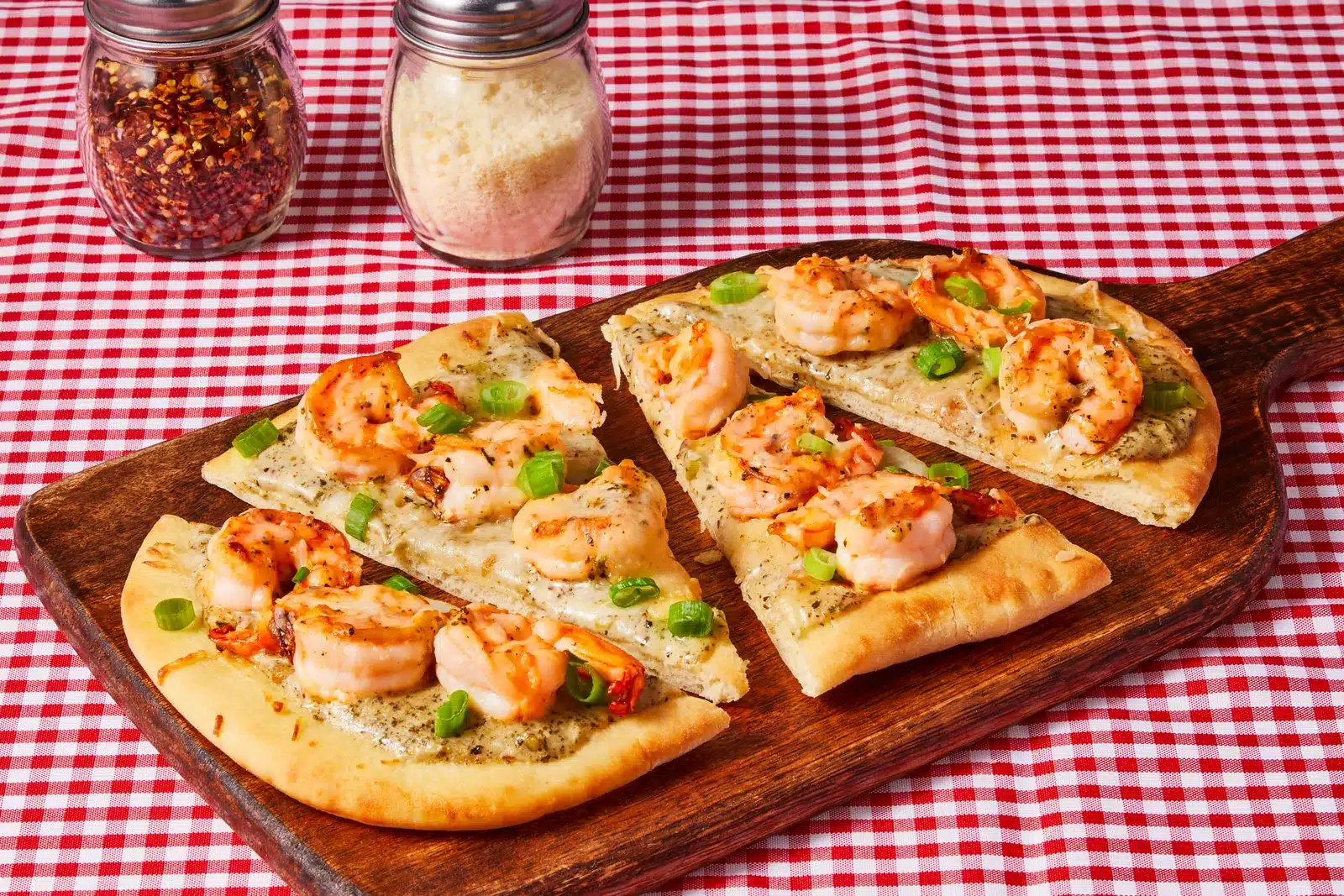
- Lean proteins: Grilled chicken, shrimp, white fish, or lean turkey.
- Vegetable additions: Spinach, arugula, bell peppers, mushrooms, and artichoke hearts.
- Healthy fats: Olives, avocado slices added post-bake, or a drizzle of extra virgin olive oil.
- Cheese alternatives: Reduced-fat mozzarella, goat cheese, or nutritional yeast for flavor.
Pro Tip: Always add a handful of fresh greens or cruciferous vegetables to your plate alongside the pizza to increase your intake of vitamins and minerals without adding excessive calories.
Can You Eat Pizza Daily?
Technically, you can incorporate pizza into a daily routine if the total caloric and macronutrient requirements are met. However, this requires extreme precision regarding portion sizes and ingredient quality. For most individuals, eating pizza every single day makes it difficult to meet the diverse fiber and micronutrient needs required for optimal health. A better approach is to enjoy pizza two to three times per week, ensuring other meals are dense in whole foods.
Comparing Pizza Crust Options
Not all crusts are created equal. The base of your pizza determines the bulk of the carbohydrate load. Choosing a base that aligns with your specific metabolic needs can help you maintain energy levels throughout the day.
| Base Type | Glycemic Impact | Best Use Case |
|---|---|---|
| Traditional Hand-Tossed | High | High-activity days or post-workout. |
| Thin Crust | Moderate | General maintenance and calorie control. |
| Cauliflower/Veggie | Low | Low-carb goals or increased fiber intake. |
| Whole Wheat | Moderate | Added fiber and complex carbohydrates. |
Balancing Macros Around Pizza
When you know a pizza meal is approaching, you can adjust your earlier meals to create a “macro buffer.” This doesn’t mean starving yourself, which often leads to overeating later. Instead, focus on consuming high-protein and high-fiber foods during breakfast and lunch. This ensures that when you arrive at your pizza meal, you aren’t ravenous, allowing you to practice mindful eating.
Protein-First Mindset
Prioritizing protein throughout the day helps regulate hunger hormones like ghrelin. By consuming 25-35 grams of protein at your preceding meals, you stabilize your blood sugar levels. This makes it much easier to stop after two or three slices of pizza rather than consuming half the box.
Is Pizza Bad for You?
The perception that pizza is “bad” is a common myth that leads to guilt-driven eating cycles. In reality, pizza is simply a combination of bread, cheese, and tomato sauce. The health impact depends entirely on the frequency of consumption, the quality of the ingredients, and your overall nutritional consistency. Viewing food through a moral lens—labeling it as good or bad—often leads to a negative relationship with eating that’s unsustainable in the long term.
Troubleshooting Common Setbacks
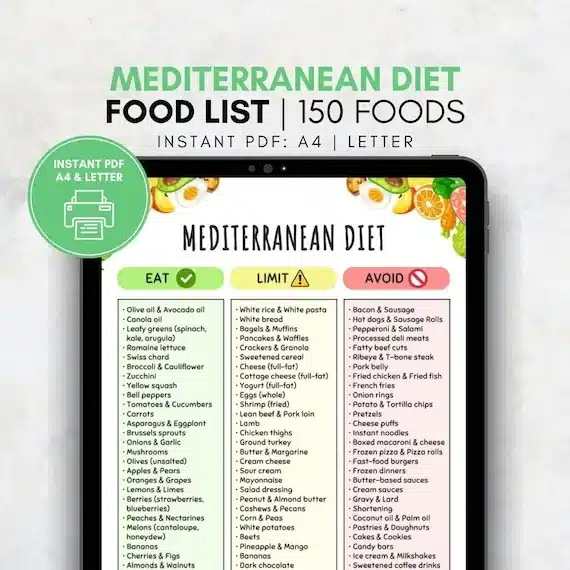
If you find that pizza night consistently leads to overeating, you may need to adjust your environment. Buying a whole large pizza and keeping it in your direct line of sight often leads to mindless snacking.
- Pre-portioning: Immediately store leftovers in the refrigerator before you sit down to eat.
- Dining out: If ordering at a restaurant, ask for a salad to be served before the pizza arrives.
- Mindful pausing: Take a twenty-minute break after your first two slices to assess your hunger levels.
- Hydration: Drink a full glass of water before starting your meal to improve satiety.
Warning: Avoid “saving up” all your daily calories for one giant pizza meal, as this often causes significant blood sugar spikes and digestive discomfort.
Frequently Asked Questions
Does pizza cause weight gain?
Weight gain occurs when you consistently consume more calories than you burn. Pizza is calorie-dense, which makes it easy to exceed your daily energy needs. However, if pizza is accounted for within your total caloric budget, it won’t inherently cause weight gain. The issue arises when pizza replaces nutrient-dense foods, leading to an overall diet that’s too high in calories and low in essential micronutrients.
How do I stop craving pizza?
Cravings are often triggered by restriction. If you forbid yourself from eating pizza, your brain will fixate on it, eventually leading to a binge. Instead of fighting the craving, satisfy it with a controlled, high-quality version of the food. By allowing yourself to enjoy pizza in moderation, you remove the psychological pressure, which naturally reduces the intensity of the cravings over time.
Is homemade pizza healthier?
Homemade pizza is generally healthier because you control the ingredients. You can opt for a thin whole-wheat crust, a lower amount of processed cheese, and an abundance of fresh vegetables. Commercially prepared pizzas are often loaded with sodium, sugar in the sauce, and processed fats. Making your own version allows you to maximize the protein and fiber content while keeping the total calorie count manageable.
Can I lose weight while eating pizza?
Yes, you can absolutely lose weight while eating pizza. Weight loss is fundamentally driven by a caloric deficit. As long as you maintain that deficit over the course of the week, the specific foods you consume matter less than the total energy balance. Many people successfully lose weight by incorporating their favorite comfort foods into their plan, which improves long-term adherence and prevents the burnout associated with restrictive dieting.
Should I avoid pizza on rest days?
There’s no physiological rule that prevents you from eating pizza on rest days. While your body requires fewer carbohydrates when you’re inactive, one meal won’t ruin your progress. If you prefer to eat pizza on a day you’re training, that’s fine, but it isn’t a requirement. Focus on your total weekly energy balance rather than obsessing over daily fluctuations.
Conclusion
Consistency is the ultimate driver of health, not the exclusion of specific foods. By shifting your perspective from restrictive dieting to a flexible, balanced approach, you can enjoy the foods you love while reaching your long-term goals. Start by planning your next pizza meal for a day where you can enjoy it mindfully, and observe how it fits seamlessly into your overall weekly routine.
As the author of the “Ultimate Pizza Guide: Recipes, Tips & Secrets Revealed,” I’m dedicated to sharing my love for pizza and empowering others to create delicious homemade pizzas with ease. Join me on a journey to uncover the secrets to perfecting your pizza game!