Are you wondering if your non-stick pizza pan is truly safe to use? With so many options on the market, it’s easy to feel confused about what materials are healthy and which might harm your food or your body.
You want a crispy, delicious pizza crust without worrying about hidden chemicals or toxins sneaking into your meal. You’ll discover what makes a pizza pan safe, which materials to choose, and what to avoid—so you can bake your perfect pizza with confidence and peace of mind.
Keep reading to find out how to protect your health while enjoying every bite.
Safe Pizza Pan Materials
Choosing the right pizza pan material matters for both health and cooking quality. Safe pizza pan materials avoid harmful chemicals and offer durability. They also help you bake perfect pizzas with crispy crusts and even heat. Understanding these materials helps you pick the best pan for your kitchen.
Stainless Steel Benefits
Stainless steel pans do not react with food. They contain no harmful coatings or chemicals. This metal resists rust and stains. It cleans easily and lasts a long time. Stainless steel pans heat evenly when they have a thick base. They work well in ovens and on grills.
Cast Iron Features
Cast iron holds heat very well. It creates a crispy pizza crust every time. This material is heavy and strong. It needs seasoning to keep food from sticking. Seasoning also stops rust from forming. Cast iron pans can last for decades with care.
Ceramic Options
Ceramic pizza pans often use natural, non-toxic coatings. These coatings do not contain harmful chemicals like PFOA or PTFE. Ceramic pans provide a smooth surface for easy pizza release. They heat evenly but can be fragile if dropped. Ceramic is a good choice for healthy cooking.
Carbon Steel Advantages
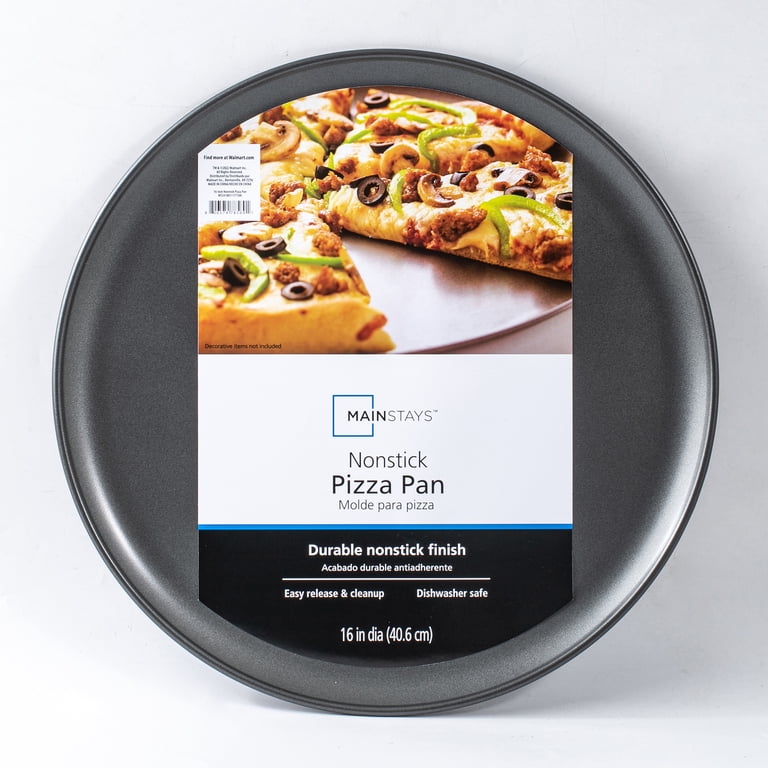
Carbon steel pans heat quickly and hold high temperatures well. They are lighter than cast iron but still strong. Many carbon steel pans have safe, PFAS-free coatings. These coatings help with non-stick cooking without toxic chemicals. Carbon steel is perfect for fast, even baking.
Credit: www.walmart.com
Good Choices With Trade-offs
Choosing the right pizza pan means balancing benefits and drawbacks. Each material offers unique features but comes with some compromises. Understanding these trade-offs helps you pick a pan that fits your needs and safety concerns.
Natural Aluminum Pros And Cons
Natural aluminum pans heat quickly and distribute heat evenly. This helps create a crispy, well-cooked pizza crust. Aluminum is lightweight, making it easy to handle and store.
On the downside, aluminum is a soft metal. It can scratch or dent easily, which might affect its lifespan. Some worry about aluminum leaching into food, especially if the pan is scratched. Despite this, many professional kitchens use aluminum because of its excellent heat performance.
Aluminized Steel Overview
Aluminized steel combines aluminum’s heat conductivity with steel’s strength. This makes pans more durable and resistant to warping. They often cost less than pure aluminum or stainless steel pans.
The steel base offers better scratch resistance and longer life. These pans heat evenly but might take slightly longer to warm up than pure aluminum. They provide a solid balance of performance and durability at an affordable price.
Non-stick Coating Concerns
Non-stick pizza pans offer easy food release and quick cleanup. Yet, concerns about the safety of their coatings persist. Many wonder if the chemicals used in non-stick layers may harm health during cooking. Understanding these concerns helps in making safer choices for your kitchen.
Risks Of Pfoa/ptfe
PFOA and PTFE are chemicals often found in traditional non-stick coatings. PFOA is a chemical once used to make PTFE, also known as Teflon. These substances can release toxic fumes if the pan overheats above 500°F (260°C). Such fumes may cause flu-like symptoms in people and harm pet birds.
Though most manufacturers stopped using PFOA years ago, old pans might still contain it. PTFE itself is stable at normal cooking temperatures but can degrade if heated too high. Scratches or damage to the coating may increase chemical exposure risks. Careful use and avoiding overheating reduces these dangers.
Pfas-free Alternatives
PFAS are a group of chemicals that include PFOA and PTFE. Many newer non-stick pans now avoid PFAS entirely. These safer options use ceramic or other natural coatings. Ceramic coatings provide good non-stick properties without harmful chemicals.
Other alternatives include silicone-based or enamel coatings. These materials resist high heat and do not release toxic fumes. Choosing PFAS-free pans helps reduce chemical exposure and supports a healthier kitchen environment. Always check product labels for PFAS-free claims before buying.
Tips For Crispier Crusts
Getting a crispier pizza crust enhances the overall taste and texture of your homemade pies. Small changes in your pan choice and baking method can make a big difference. Using the right pizza pan helps heat reach the crust evenly. It also allows moisture to escape, preventing sogginess. Here are two key tips to help you achieve that perfect crispiness.
Perforated Pan Benefits
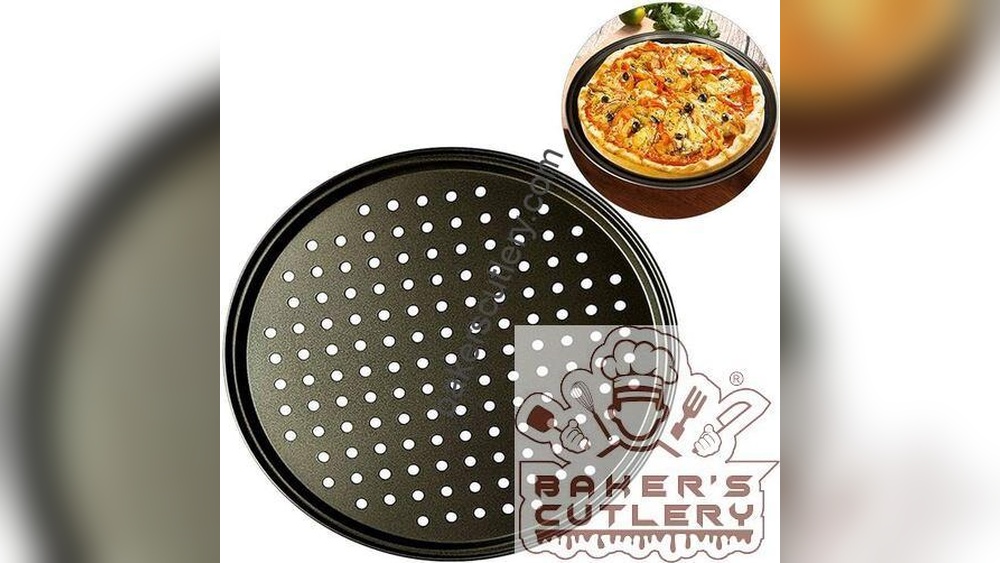
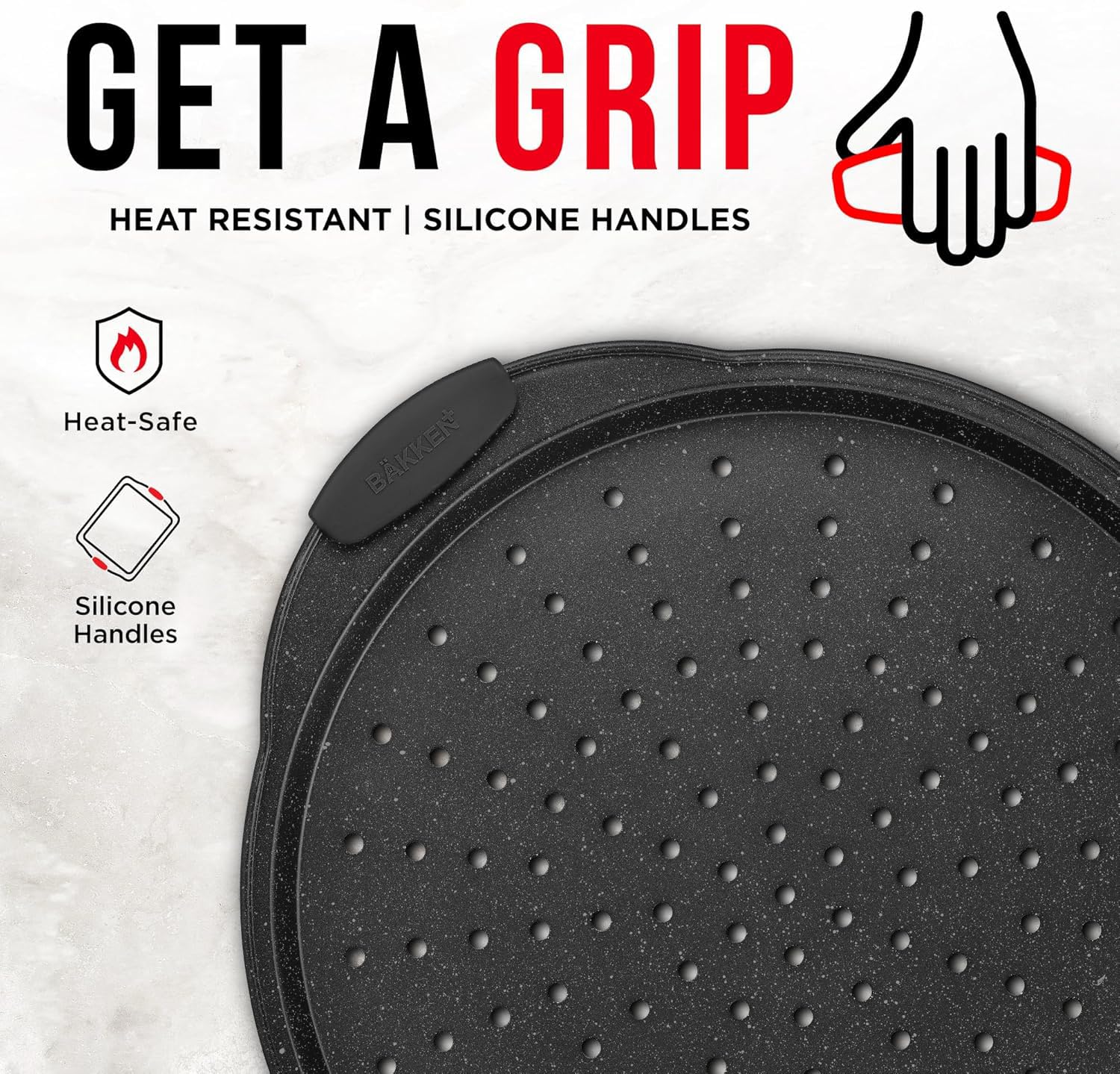
Perforated pizza pans have small holes on the surface. These holes let hot air circulate under the dough. This airflow dries out the crust, making it crispier. The holes also let moisture escape quickly. This stops the crust from becoming soft or soggy. Perforated pans are especially good for thin crust pizzas. They help create a crunch without burning the base.
Heat Conductivity Insights
The material of your pizza pan affects heat distribution. Metals like aluminum and carbon steel conduct heat well. This means the pan heats evenly and quickly. Even heat helps the crust cook uniformly. Cast iron pans hold heat longer, which crisps the crust well. Avoid pans that heat unevenly to prevent burnt or undercooked spots. Choosing the right pan material is key to a crispy pizza base.
Non-toxic Non-stick Brands
Choosing a non-toxic non-stick pizza pan ensures safer cooking without harmful chemicals. Many brands now focus on safer coatings that do not release toxins at high temperatures. These options provide easy food release and simple cleaning while protecting your health.
Ceramic Coated Pans
Ceramic coated pans use a mineral-based coating instead of traditional chemicals. This coating is free from PFOA and PTFE, which are common in older non-stick pans. Ceramic coatings offer smooth, non-stick surfaces that work well for pizza. They handle moderate heat and avoid chemical fumes. These pans require gentle cleaning to maintain their coating and last longer.
Pure Ceramic And Cast Iron
Pure ceramic pizza pans are made entirely from natural materials without coatings. They heat evenly and stay cool to the touch. Cast iron pans are heavy but durable and develop a natural non-stick surface over time. Both types avoid synthetic chemicals and provide excellent heat retention. Season cast iron pans regularly to protect their surface and enhance non-stick qualities.
Labeling To Look For
Check product labels for terms like “PFOA-free,” “PTFE-free,” and “non-toxic.” Certifications such as FDA approval or European food safety marks add trust. Look for brands that clearly disclose their coating materials and manufacturing processes. Avoid vague labels and products without safety information. This helps ensure the pan is safe for frequent pizza baking without toxic risks.
Credit: adelaideepic.org

Credit: www.amazon.com
Frequently Asked Questions
What Is The Safest Pizza Pan To Use?
The safest pizza pans are stainless steel, cast iron, ceramic, or carbon steel with PFAS-free coatings. Avoid pans with PFOA/PTFE non-stick surfaces. These materials offer chemical-free, durable, and heat-efficient cooking for healthier, crispy pizzas. Choose perforated pans for even baking and crisp crusts.
Which Non-stick Pans Are Toxic Free?
Toxic-free non-stick pans include ceramic coatings like GreenPan, PFAS-free carbon steel, stainless steel, cast iron, and natural aluminum cookware. Avoid pans with PFOA/PTFE coatings for safer cooking. Choose brands tested for heavy metals and nano-particles for guaranteed non-toxic use.
Is It Unhealthy To Use Non-stick Pans?
Using non-stick pans is generally safe if you avoid overheating and choose PFOA/PTFE-free coatings. Proper use prevents toxic fumes and extends pan life. Opt for ceramic or PFAS-free alternatives for healthier cooking. Avoid scratched or damaged pans to minimize health risks.
Why Don’t Chefs Use Non-stick Pans?
Chefs avoid non-stick pans due to their lower heat tolerance and potential toxic coatings. They prefer durable, high-heat pans like stainless steel or cast iron.
Conclusion
Choosing a non-stick pizza pan involves weighing safety and convenience. Pans with older chemical coatings may pose health risks over time. Opting for pans with PFAS-free or ceramic coatings reduces potential harm. Materials like stainless steel, cast iron, or carbon steel offer safer, durable cooking surfaces.
Remember, well-maintained pans last longer and perform better. A crisp, tasty pizza depends on the right pan and proper care. Stay informed and pick cookware that fits your health needs and cooking style. Safe cooking leads to better meals and peace of mind.

As the author of the “Ultimate Pizza Guide: Recipes, Tips & Secrets Revealed,” I’m dedicated to sharing my love for pizza and empowering others to create delicious homemade pizzas with ease. Join me on a journey to uncover the secrets to perfecting your pizza game!