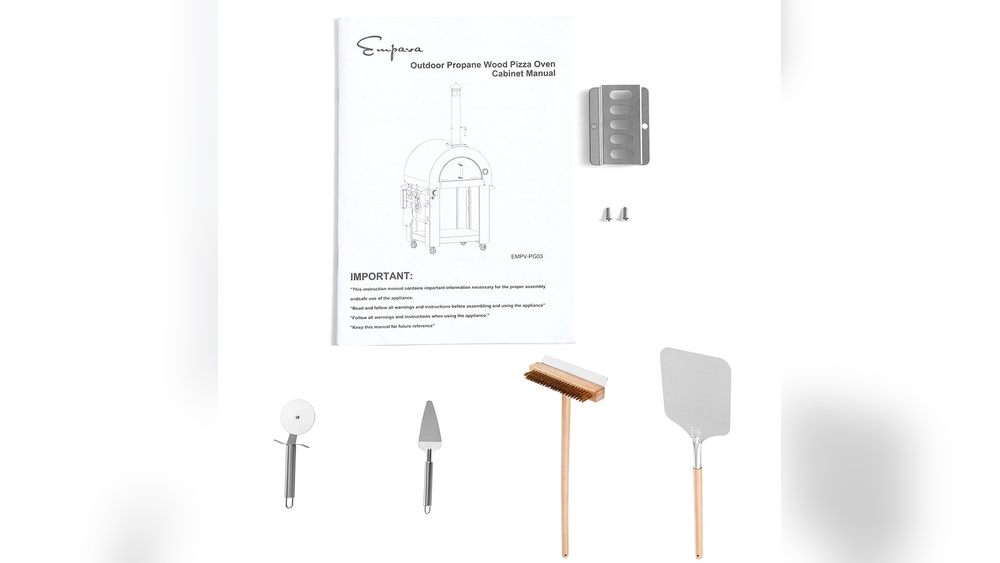
You love making pizza at home, but have you ever stopped to think about how you clean your pizza accessories? Whether it’s your pizza stone, peel, or cutter, keeping them clean is key to making every pizza taste amazing and lasting longer.
If you don’t clean them properly, old food bits and grease can build up, ruining flavors and even damaging your tools. But don’t worry—cleaning pizza accessories doesn’t have to be complicated or take forever. You’ll discover easy, effective ways to clean your pizza gear safely, avoid common mistakes, and keep your kitchen smelling fresh.
Ready to make your next pizza night even better? Let’s dive in!
Credit: www.homedepot.com
Cleaning Basics
Cleaning pizza accessories properly helps keep them in good shape. Basic cleaning steps prevent damage and food buildup. Follow simple methods to ensure your tools last longer. Regular care improves cooking results and hygiene.
Cooling Down Safely
Let pizza stones and accessories cool completely. Place them on a heat-safe surface or leave them in the oven. Avoid sudden temperature changes to stop cracking. Patience here protects your tools from damage.
Scraping Food Residue
Use a plastic scraper or spatula to remove stuck food. Gently scrape off cheese and burnt bits. Avoid metal tools that can scratch surfaces. Removing residue early makes cleaning easier later.
Brushing Off Crumbs
Brush accessories with a stiff brush once dry. Use a grill brush or pizza stone brush for best results. This removes loose crumbs and tiny food particles. Brushing keeps surfaces clean without water.
Damp Wiping Tips
Use a damp cloth to wipe surfaces if needed. Do not soak or submerge pizza stones in water. Avoid soap to prevent flavor absorption. Light wiping refreshes the tool without risk.
Air Drying Properly
Let your pizza accessories air dry fully before storing. Never put wet stones in a hot oven. Proper drying stops cracks and mold growth. A dry tool is ready for the next pizza night.
Deep Cleaning Methods
Deep cleaning pizza accessories removes stubborn stains and baked-on food. Proper methods keep your tools safe and extend their life. These techniques reach grime that basic cleaning misses. Use gentle, effective ways to avoid damage. Two popular approaches are baking soda paste and high heat burn-off.
Baking Soda Paste Technique
Mix baking soda with water to form a thick paste. Apply the paste to tough stains on your pizza stone or peel. Let it sit for 10 to 15 minutes to break down grime. Use a soft brush or cloth to scrub the area gently. Avoid harsh scrubbing to protect the surface. Wipe off the paste with a damp cloth. Dry the accessory completely before storing. This method removes grease and burnt spots safely.
High Heat Burn-off
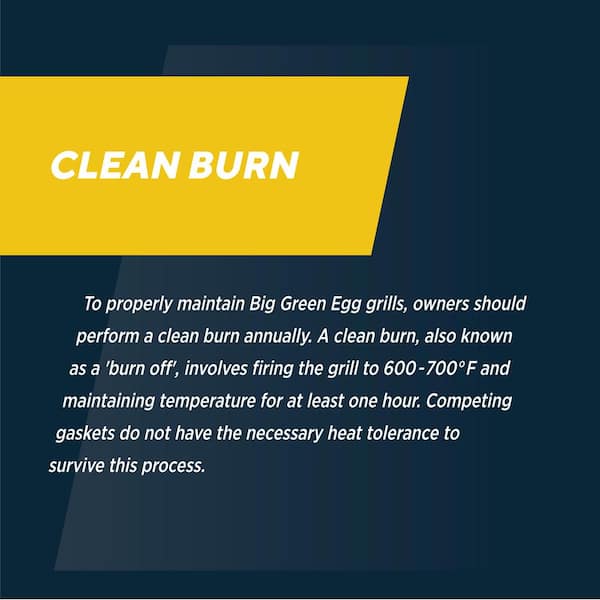
Place the pizza stone or metal tool in a cold oven. Set the oven to a high temperature, around 500°F (260°C). Let the heat burn off food residue and grease for about an hour. The fire inside the oven will char leftover particles, making them easy to brush away. After cooling, use a stiff brush to clear off ash and debris. This natural cleaning avoids chemicals. Always cool the accessory fully before handling.
What To Avoid
Knowing what to avoid is key to keeping pizza accessories in great shape. Mistakes can cause damage or bad smells. Some common cleaning habits harm pizza stones and tools more than help.
Follow these tips to protect your accessories and enjoy better pizza every time.
No Soap Or Detergents
Pizza stones absorb liquids easily. Soap and detergents soak into the stone’s pores. This leaves behind unwanted tastes and odors. These smells mix with your pizza, ruining the flavor. Use only water or a baking soda paste for cleaning. Avoid any soaps or cleaning products.
Avoid Soaking In Water
Never soak pizza stones or wooden tools in water. Stones absorb water like a sponge. This trapped moisture can cause cracks when heated. Wooden handles or boards may warp or split. Instead, wipe with a damp cloth or brush away crumbs. Let accessories dry fully in open air before storing.
Skip Harsh Chemicals
Strong chemicals damage pizza accessories. Oven cleaners and bleach eat away stone surfaces. They harm wooden parts and leave toxic residues. These chemicals affect food safety and taste. Stick to natural cleaners like baking soda. Keep harsh products far from your pizza tools.
Caring For Pizza Stones
Pizza stones need special care to last long and perform well. Proper cleaning and maintenance keep your stone in top shape. Avoid common mistakes that can damage it. Follow simple steps to protect your pizza stone and enjoy crispy, delicious pizzas every time.
Why Not To Oil
Never oil your pizza stone. The stone is porous and will absorb the oil. This can cause smoke and unpleasant smells during baking. Oil can also create sticky spots that attract dirt and food particles. Keep your stone dry and clean without adding any oil.
Building A Natural Patina
With use, your pizza stone develops a natural patina. This thin layer improves the stone’s non-stick quality. It also enhances flavor by absorbing pizza aromas over time. Let this patina build naturally by baking regularly. Avoid scrubbing too hard or using soap that removes this beneficial layer.
Preventing Cracks And Damage
Temperature changes can crack your pizza stone. Always let it cool before cleaning. Avoid cold water on a hot stone to prevent thermal shock. Clean with a scraper and brush gently. Never soak the stone or use harsh chemicals. Store it in a dry place to prevent moisture damage.
Cleaning Other Pizza Accessories
Cleaning other pizza accessories is essential for maintaining hygiene and extending their lifespan. Dirt and grease can build up quickly on tools you use often. Proper cleaning helps keep your pizza tasting fresh and avoids unwanted flavors.
Each accessory requires a different cleaning method. Using the right technique prevents damage and ensures safety in your kitchen.
Pizza Peels
Pizza peels often get covered with flour and food bits. Start by scraping off any leftover dough or cheese. Use a damp cloth with warm water to wipe the surface. Avoid soaking wooden peels in water to prevent warping. For metal peels, mild soap can be used, then rinse thoroughly. Dry the peel immediately to stop rust or wood damage.
Cutting Tools
Cutting tools like pizza cutters and knives need regular cleaning to remove grease and sauce. Wash them with warm soapy water after every use. Use a brush to clean around the blade’s edges. Rinse well and dry completely to avoid rust. Sharpen blades regularly to keep cutting smooth and safe.
Ovens And Screens
Ovens and screens collect burnt cheese, sauce, and crumbs. Let the oven cool before cleaning. Use a soft brush or cloth to remove loose debris. For screens, soak them in warm water with a little dish soap. Scrub gently with a non-abrasive pad. Avoid harsh chemicals that can damage oven surfaces. Wipe everything dry before using the oven again.

Credit: eu.gozney.com
Maintenance Tips For Longevity
Maintaining pizza accessories properly ensures they last longer and perform better. Simple care routines prevent damage and keep tools ready for your next pizza night. Focus on regular cleaning, correct storage, and careful handling after each use. These steps protect your investment and improve your cooking experience.
Regular Cleaning Schedule
Clean your pizza accessories after every use to avoid buildup. Remove food crumbs and grease with a scraper or brush. Use warm water and a mild brush to clean surfaces. Avoid soap on porous items like pizza stones to prevent taste absorption. Dry all tools completely before storing to prevent mold and rust.
Proper Storage
Store pizza accessories in a dry, cool place to avoid moisture damage. Keep items separated to prevent scratches and dents. Use protective covers or cloth bags for delicate tools. Avoid stacking heavy objects on top of fragile accessories. Proper storage keeps everything in good shape for longer.
Handling After Use
Allow pizza stones and accessories to cool naturally to avoid cracking. Do not expose hot stones to cold water or surfaces. Handle sharp tools carefully to avoid damage and injury. Remove food residue gently to prevent scratches. Proper handling reduces wear and extends the life of your accessories.

Credit: chicagobrickoven.com
Frequently Asked Questions
Are Pizza Stones Supposed To Be Washed?
Pizza stones should not be washed with soap. Scrape off food, brush crumbs, and gently scrub with hot water or baking soda paste. Avoid soaking. Air dry thoroughly to prevent cracking. Use high heat in the oven to burn off residue if needed.
How To Correctly Clean A Pizza Stone?
Let the pizza stone cool completely. Scrape off food debris with a plastic scraper. Brush crumbs away using a stiff brush. Wipe with a damp cloth if needed. Avoid soap and soaking. For tough stains, scrub with a baking soda paste, then dry thoroughly.
Can You Use Dawn Dish Soap On A Pizza Stone?
Do not use Dawn dish soap on a pizza stone. Its porous surface absorbs soap, causing off-flavors. Clean with a baking soda paste, scrape, brush, and rinse with hot water instead. Avoid soaking to prevent cracking. Air dry thoroughly before next use.
Do Pizza Stones Need To Be Oiled?
Pizza stones do not need oiling. Avoid oil, as it can cause smoke and damage the stone. Use dry heat or a baking soda paste to clean.
Conclusion
Proper cleaning keeps your pizza accessories in top shape. Always cool accessories before cleaning to avoid damage. Use gentle tools like brushes and scrapers for crumbs. Avoid soap and soaking to protect porous materials. Baking soda paste works well for tough spots.
Let everything dry completely before storing. Regular care extends the life of your pizza tools. Clean accessories help you make better, tastier pizza every time. Simple habits make a big difference in maintenance. Keep your pizza gear ready for the next delicious bake.

As the author of the “Ultimate Pizza Guide: Recipes, Tips & Secrets Revealed,” I’m dedicated to sharing my love for pizza and empowering others to create delicious homemade pizzas with ease. Join me on a journey to uncover the secrets to perfecting your pizza game!


