When it comes to making the perfect pizza at home, the right accessory can make all the difference. But have you ever wondered which material suits your pizza needs best?
Whether you’re aiming for a crispy, restaurant-quality crust or a versatile tool that works well for breads and pastries too, choosing between pizza steel and pizza stone is key. You’ll discover a clear comparison of these popular pizza accessories—their pros, cons, and which one fits your cooking style and budget.
Keep reading to find out how the right material can transform your pizza game and why this decision matters more than you might think.
Pizza Steel Features
Pizza steel is a popular choice for baking enthusiasts. It offers unique qualities that affect pizza cooking performance. Many bakers prefer it for its ability to create crispy crusts quickly. The material’s strength and heat properties make it stand out among pizza accessories.
Understanding pizza steel features helps you decide if it suits your baking needs. Below are key aspects of pizza steel to consider.
Heat Conductivity And Cooking Speed
Pizza steel transfers heat much faster than other materials. This rapid heat transfer cooks pizzas quickly and evenly. It helps create a crispy, well-baked crust in less time. The steel heats up faster and retains heat longer than pizza stones. This feature reduces baking times and improves texture.
Durability And Maintenance
Pizza steel is very durable and resists cracking or breaking. It can last many years with proper care. Unlike ceramic stones, steel needs seasoning to prevent rust. Seasoning is simple and similar to caring for cast iron pans. Steel is less fragile and easier to clean than stones.
Weight And Handling
Pizza steel is heavier than most stones or ceramic boards. Its weight makes it stable in the oven but harder to move. Heavy steel may be difficult for some users to handle safely. Consider your strength and storage space before choosing steel. Despite weight, it offers excellent cooking results.
Cost Considerations
Pizza steel usually costs more than pizza stones. Its long lifespan can justify the initial price. The high cost reflects the steel’s strength and cooking performance. Budget-conscious buyers may find stones more affordable. Still, steel offers value for serious pizza bakers.

Credit: www.amazon.com
Pizza Stone Features
Pizza stones are popular tools for home pizza makers. They help create a crispy crust and even cooking. Knowing their features helps you pick the right one. Different materials affect performance, care, and price.
Here are key features to consider when choosing a pizza stone.
Material Types And Variations
Most pizza stones are made from ceramic, cordierite, or clay. Ceramic stones heat evenly and are common in many kitchens. Cordierite stones resist thermal shock better, so they crack less. Clay stones absorb moisture well but can be fragile. Each type offers unique benefits for baking.
Heat Retention And Moisture Absorption
Pizza stones hold heat to cook dough evenly. Cordierite stones keep heat longer than ceramic ones. Moisture absorption is key for a chewy crust. Porous stones draw out water from dough, improving texture. Stones that absorb moisture also prevent soggy bottoms.
Fragility And Care
Fragility varies by material. Ceramic stones can crack if exposed to sudden temperature changes. Cordierite stones handle heat shifts better and last longer. Clay stones need careful handling and slow heating. Cleaning must avoid soap; warm water and scrubbing work best.
Affordability And Portability
Ceramic stones are usually the cheapest option. Cordierite stones cost more but last longer. Clay stones fall in between. Stones are lighter than steel alternatives, making them easy to move. A smaller stone fits better in compact ovens and is easier to store.
Cast Iron Vs Pizza Steel
Choosing between cast iron and pizza steel matters for perfect pizza baking. Both materials offer strong heat transfer but differ in weight, durability, and cooking style. Cast iron has a long cooking history, while pizza steel is a newer favorite for many pizza lovers. Understanding their differences helps pick the right tool for your pizza oven or kitchen.
Heat Distribution Differences
Cast iron heats evenly but takes longer to warm up. It keeps heat steady during cooking. Pizza steel heats very fast and holds higher temperatures. This quick heat transfer creates a crispier crust. Steel spreads heat more uniformly across the surface than cast iron.
Surface And Edge Design
Cast iron usually has thicker edges and a textured surface. This helps hold heat but may cause uneven cooking at the edges. Pizza steel has a smooth, flat surface with thin edges. This design allows pizzas to slide on and off easily. The flat steel surface ensures even contact with the dough.
Suitability For Pizza Baking
Cast iron works well for thick, deep-dish pizzas and slow baking. It also doubles as a skillet for other dishes. Pizza steel suits thin-crust and Neapolitan-style pizzas. It bakes quickly and creates a crispy bottom crust. Steel is ideal for high-heat ovens and fast cooking times.
Choosing Based On Baking Needs
Choosing the right pizza accessory material depends on your baking needs. Different materials offer distinct advantages. Understanding these helps select the best option for your kitchen and style. Consider what matters most: crispness, versatility, budget, or storage. Each factor guides your choice toward a better baking experience.
Maximizing Crispness And Speed
Pizza steel heats up quickly and transfers heat efficiently. This creates a crispy crust fast. Steels stay hot longer, reducing bake times. Ideal for those who want restaurant-style pizzas. Steel also withstands high temperatures without cracking. It requires seasoning to prevent rust but delivers superior crispness every time.
Versatility For Various Baked Goods
Pizza stones suit more than just pizza. Their porous surface draws moisture, creating chewy crusts. Stones work well for breads, pastries, and delicate baked goods. They heat slower than steel, offering gentle, even cooking. Stones are lighter and easier to move. Perfect if you bake a variety of items beyond pizza.
Budget And Storage Factors
Pizza stones are generally less expensive than steel. Their lighter weight makes storage simpler. Stones can crack if dropped or exposed to rapid temperature changes. Steel is heavier but almost indestructible and lasts longer. Consider your kitchen space and budget. Choose what fits your lifestyle and storage options best.
Maintaining Pizza Accessories
Maintaining pizza accessories ensures they last longer and perform well. Proper care keeps their cooking quality intact. Different materials need unique maintenance methods. Below are tips for steel and stone accessories.
Seasoning And Rust Prevention For Steel
Steel pizza tools need seasoning to build a protective layer. Apply a thin coat of oil before heating. Heat the steel to bond the oil and metal. This process stops rust and improves non-stick properties. After each use, wipe the steel dry. Avoid soaking steel in water as it causes rust. Store steel in a dry place to prevent moisture damage.
Cleaning And Handling For Stone
Pizza stones absorb moisture and flavors, so clean carefully. Use a brush or scraper to remove food bits. Avoid soap as stones are porous and absorb it. Rinse with warm water only. Let the stone air dry fully before storing. Handle stones gently to avoid cracks or chips. Do not expose stones to sudden temperature changes to prevent breaking.
Storage Tips To Avoid Damage
Store pizza accessories in a cool, dry place. Keep steel tools away from moisture and humidity. For stones, avoid stacking heavy items on top to prevent cracks. Use protective covers or cloth bags for both materials. Proper storage maintains shape and prevents rust or damage. Regularly check accessories for wear and clean as needed.

Credit: www.thorfamilylaw.com
Accessory Shapes And Sizes
Pizza accessories come in many shapes and sizes. These details affect how well they perform in your oven. Choosing the right shape and size helps cook your pizza evenly. It also makes handling easier. Understanding these factors improves your pizza-making experience.
Common Dimensions And Thickness
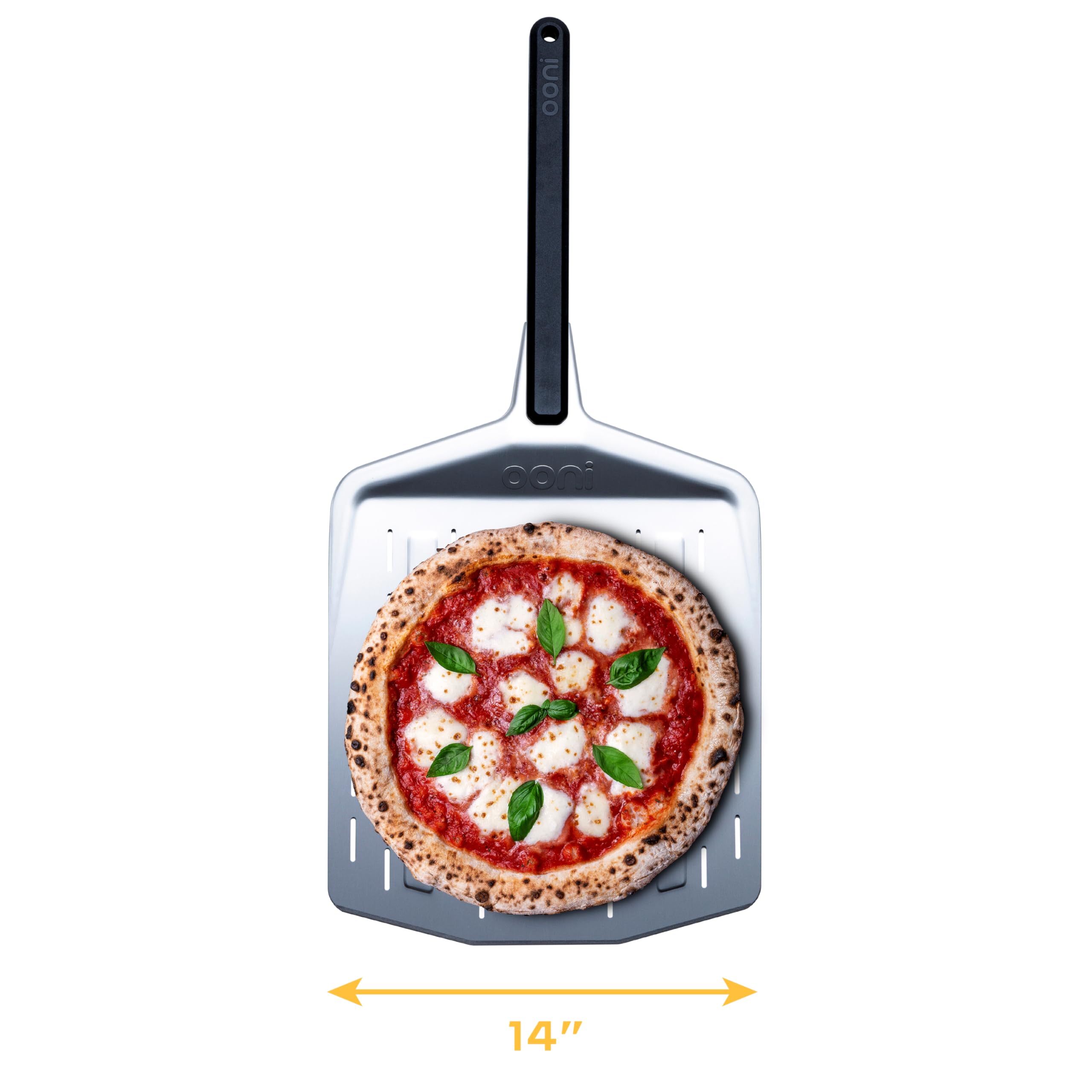
Pizza stones and steels vary in diameter and thickness. Most stones range from 12 to 16 inches wide. Thickness usually falls between 0.5 and 1 inch. Steel plates often measure 14 to 16 inches across. Thickness can be from 0.25 to 0.5 inches.
Thicker accessories hold heat longer but take more time to warm. Thinner ones heat faster but lose heat quickly. Choose size based on your oven and pizza size. Larger pizzas need bigger accessories for even cooking.
Impact On Heat Performance
Accessory thickness affects heat retention and transfer speed. Thicker materials store more heat, which helps maintain steady cooking temperatures. Thin materials heat up fast and cool down quickly.
Steel transfers heat better than stone due to metal’s nature. This means faster cooking and crispier crusts. Stones absorb moisture, making crusts chewier but slower to cook. Shape also plays a role; flat surfaces provide even heat, while ridged or textured shapes may change cooking patterns.
Matching With Oven Types
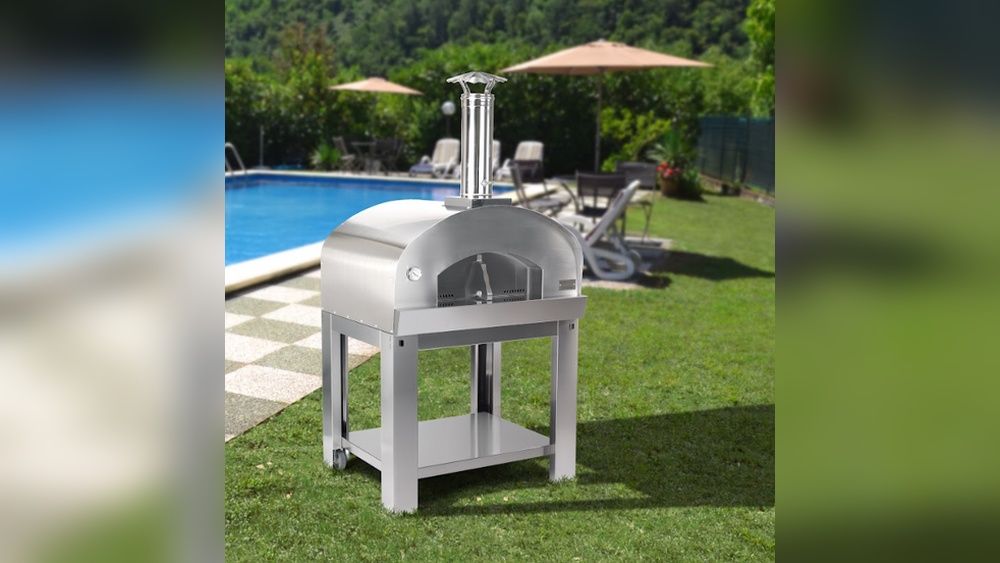
Oven size limits the accessory dimensions you can use. Small home ovens suit medium to small accessories. Large outdoor or wood-fired ovens handle bigger stones or steels.
Thicker accessories suit ovens with steady heat, like wood-fired models. Thin, fast-heating accessories work well in electric or gas ovens. Some ovens use convection fans, which affect heat distribution. Choose shapes that fit your oven’s heat flow for best results.
Credit: www.amazon.com
Frequently Asked Questions
Are Pizza Stones Better Than Steel?
Pizza steel heats faster and creates a crispier crust, while pizza stone offers a traditional bake and better versatility. Choose steel for speed and crunch; choose stone for budget and delicate baking.
Is Pizza Steel Better Than Cast Iron?
Pizza steel heats faster and transfers heat more evenly than cast iron, delivering crispier crusts. Cast iron holds heat well but heats less evenly and has raised sides, which can help contain toppings. Steel excels for quick, high-heat baking, while cast iron suits slower, more contained cooking.
Are There Different Qualities Of Pizza Stones?
Yes, pizza stones vary in quality based on material, thickness, heat retention, durability, and resistance to cracking. Higher-quality stones heat evenly and last longer.
Is Aluminum Or Stainless Steel Better For A Pizza Peel?
Aluminum peels are lightweight and affordable but less durable. Stainless steel peels offer strength, heat resistance, and easy cleaning, making them better overall.
Conclusion
Choosing the right pizza accessory material depends on your needs. Steel heats up fast and makes crusts very crispy. Stone heats slower but gives a classic bake and suits delicate breads. Steel lasts longer but costs more and needs care to prevent rust.
Stone is lighter, cheaper, and easier to handle but can crack and stain. Think about what you bake most and how you use your oven. This will help you pick the best material for great homemade pizza every time.

As the author of the “Ultimate Pizza Guide: Recipes, Tips & Secrets Revealed,” I’m dedicated to sharing my love for pizza and empowering others to create delicious homemade pizzas with ease. Join me on a journey to uncover the secrets to perfecting your pizza game!


